Tenryu-ji’s Garden Is the Main Event in Arashiyama
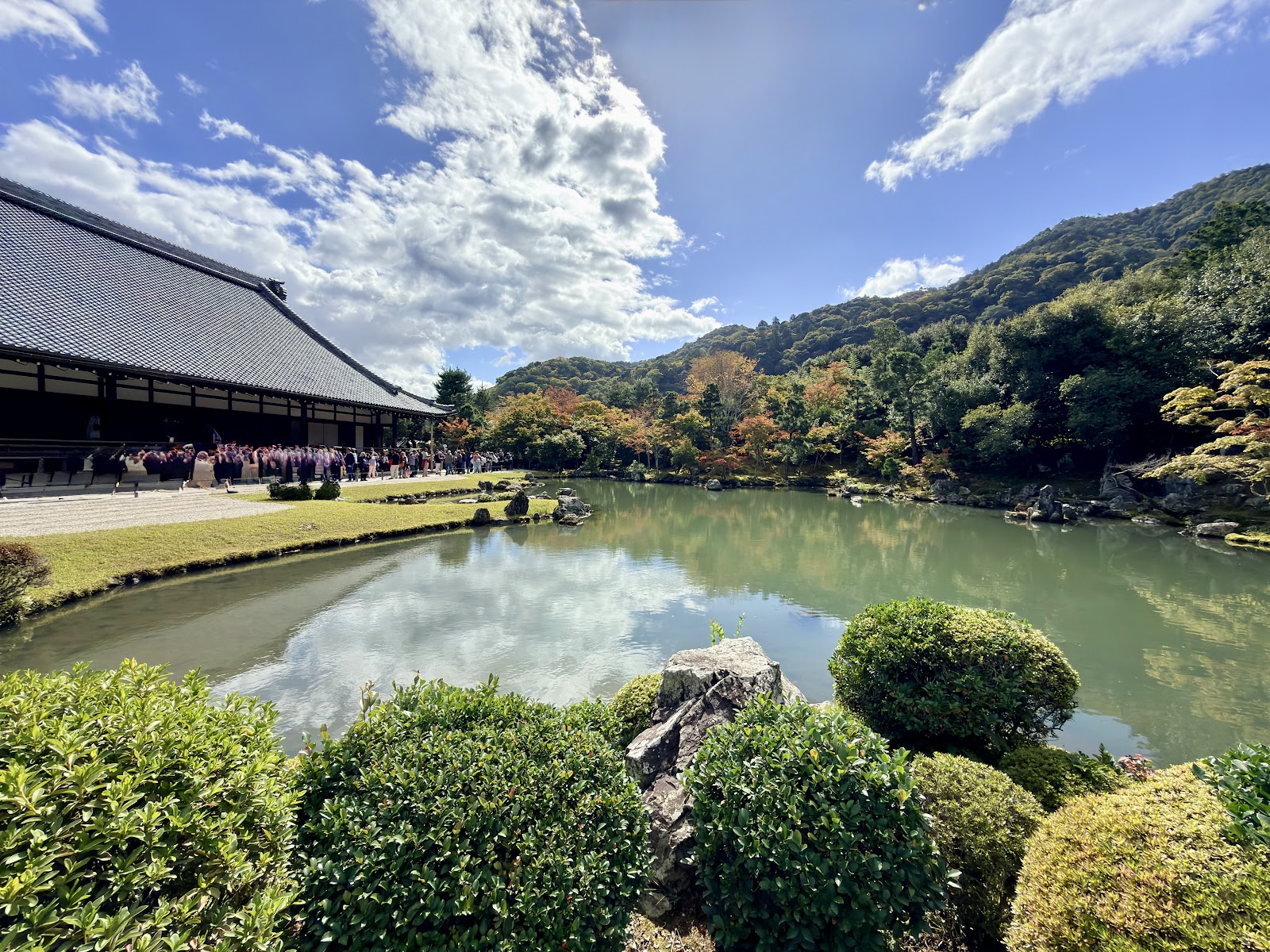
Tenryu-ji pairs a historic Buddhist temple complex with a serene pond garden framed by the Arashiyama mountains.
More photos
Photos published by travelers on Google, not AI generated.
What stands out
- Sogenchi Garden and its central pond
- Borrowed scenery of the Arashiyama mountains
- Quiet, well-maintained grounds
- Direct access beside the Bamboo Grove
- Benches for a slower visit
Worth knowing
- The garden is the main focus of the public praise
- It can be combined with several nearby attractions
Don't miss
What comes up most in public reviews
- Walk around Sogenchi Garden
- Pause beside the central pond
- View the mountains through the garden
- Combine the visit with the Arashiyama Bamboo Grove
Worth the trip?
Why visit Tenryu-ji
Tenryu-ji is one of Arashiyama’s most rewarding stops for visitors who want scenery with cultural weight. Public ratings place it at 4.5 from 17,287 reviews, and the recurring praise is clear: the Sogenchi Garden carries the visit. Travellers describe a calm, carefully maintained setting where water, trees and mountain views work together without feeling forced.
The temple sits beside the Arashiyama Bamboo Grove, making it an easy part of a day exploring western Kyoto. Several reviews describe visiting the bamboo forest first, then entering the Tenryu-ji complex. That sequence works well, especially for travellers who want to move between one of the area’s busiest sights and a quieter garden setting.
The garden deserves time
Sogenchi Garden is the focal point. Its central pond reflects the surrounding trees and mountains, while the garden’s borrowed scenery draws the Arashiyama landscape into the composition. Reviewers repeatedly mention the effect of the mountains behind the water. It is not simply a backdrop. It gives the garden its sense of scale.
The grounds are described as clean, orderly and well maintained. Benches provide places to sit, and the atmosphere encourages visitors to slow down rather than rush through for photographs. The strongest reviews recommend taking time to absorb the balance of water, planting and distant hills. A quick circuit would miss much of what people come to see.
Light and seasonal change matter here. One public review recalls a May visit after the cherry blossom season, with wisteria still noted as part of the seasonal interest. The available reviews do not establish one universally best period, but they consistently support an unhurried visit when the garden can be properly observed.
Planning the stop
Tenryu-ji suits a half-day Arashiyama itinerary, particularly when paired with the bamboo forest and other nearby Japanese gardens. It can also work as a focused garden visit for travellers who prefer a slower pace. The garden entrance requires separate consideration when planning the visit, and public reviews describe the admission as worthwhile.
The temple’s Buddhist history is another reason to include it. A reviewer identifies Tenryu-ji as significant in Buddhism in Japan and notes its UNESCO World Heritage status. The public feedback centres more strongly on the garden than on detailed temple interiors, so the visit is best planned around landscape, atmosphere and the relationship between the complex and the mountains.
Editor’s verdict
Tenryu-ji earns its strong reputation through a garden that feels composed without becoming static. The pond, reflected scenery and mountain setting give the complex its visual force. Its location beside the bamboo grove adds convenience, but the garden is not merely a stop between other attractions.
Visitors should arrive with enough time to sit, look and walk slowly. That is where the experience described in the reviews comes together. For first-time visitors to Arashiyama, couples and travellers interested in Japanese gardens, Tenryu-ji is a high-confidence recommendation.
Plan the rest of the trip
Ask anything
Looking for somewhere else?
Keep exploring around 京都市
More from Japan
Japan · Shibuya
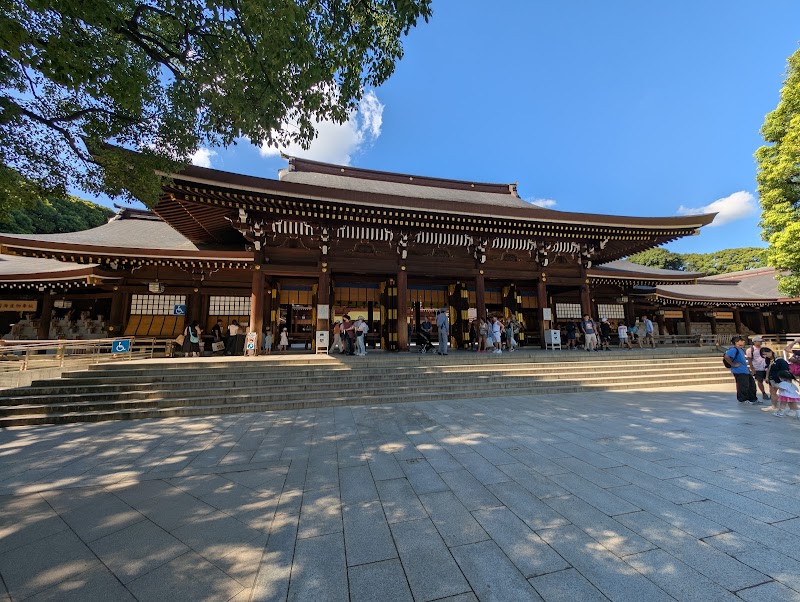
Meiji Jingu: A Forested Shinto Shrine in Central Tokyo
Meiji Jingu gives visitors a quiet, spacious walk through forested grounds before reaching one of Tokyo’s best-known Shinto shrines.
Japan · Kyoto
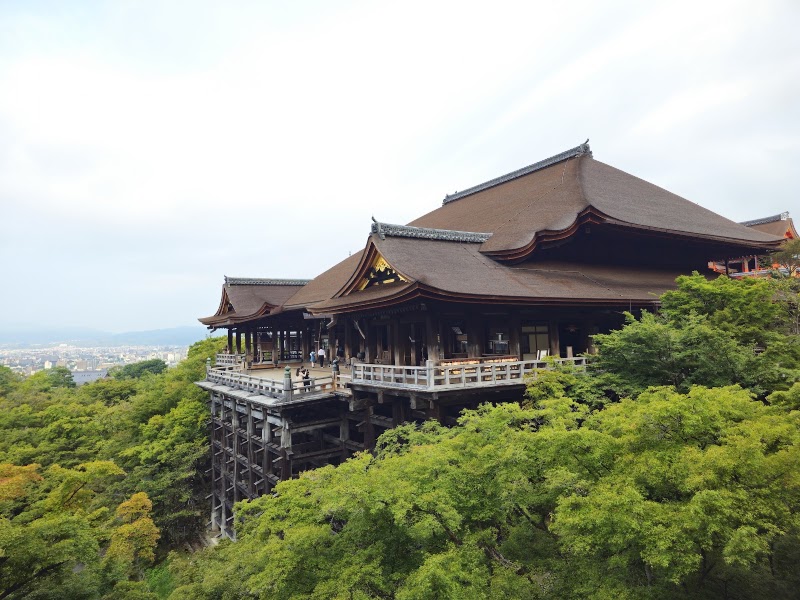
Kiyomizu-dera: Kyoto Views, Timberwork and Temple Streets
Kiyomizu-dera combines a celebrated wooden terrace, seasonal scenery and broad views across Kyoto, though its popularity brings heavy crowds.
Japan · Osaka
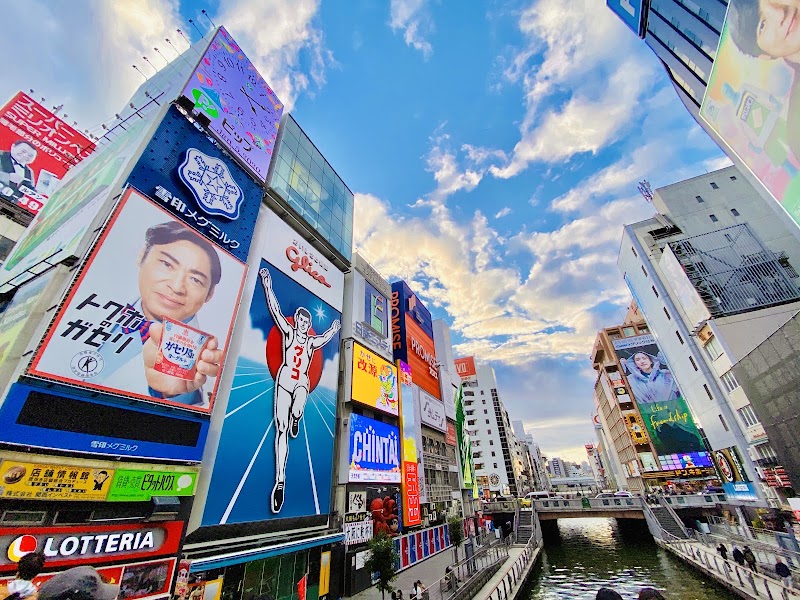
Dotonbori After Dark: Osaka’s Neon-Filled Riverfront
Dotonbori delivers Osaka’s biggest concentration of neon signs, food spots, shops and canal-side energy, with the Glico running man at its centre.
Japan · Kyoto
Fushimi Inari Taisha: Kyoto’s Torii-Gate Mountain Walk
Fushimi Inari Taisha pairs iconic vermilion torii gates with a demanding mountain route that grows quieter and more atmospheric higher up.