Dotonbori After Dark: Osaka’s Neon-Filled Riverfront
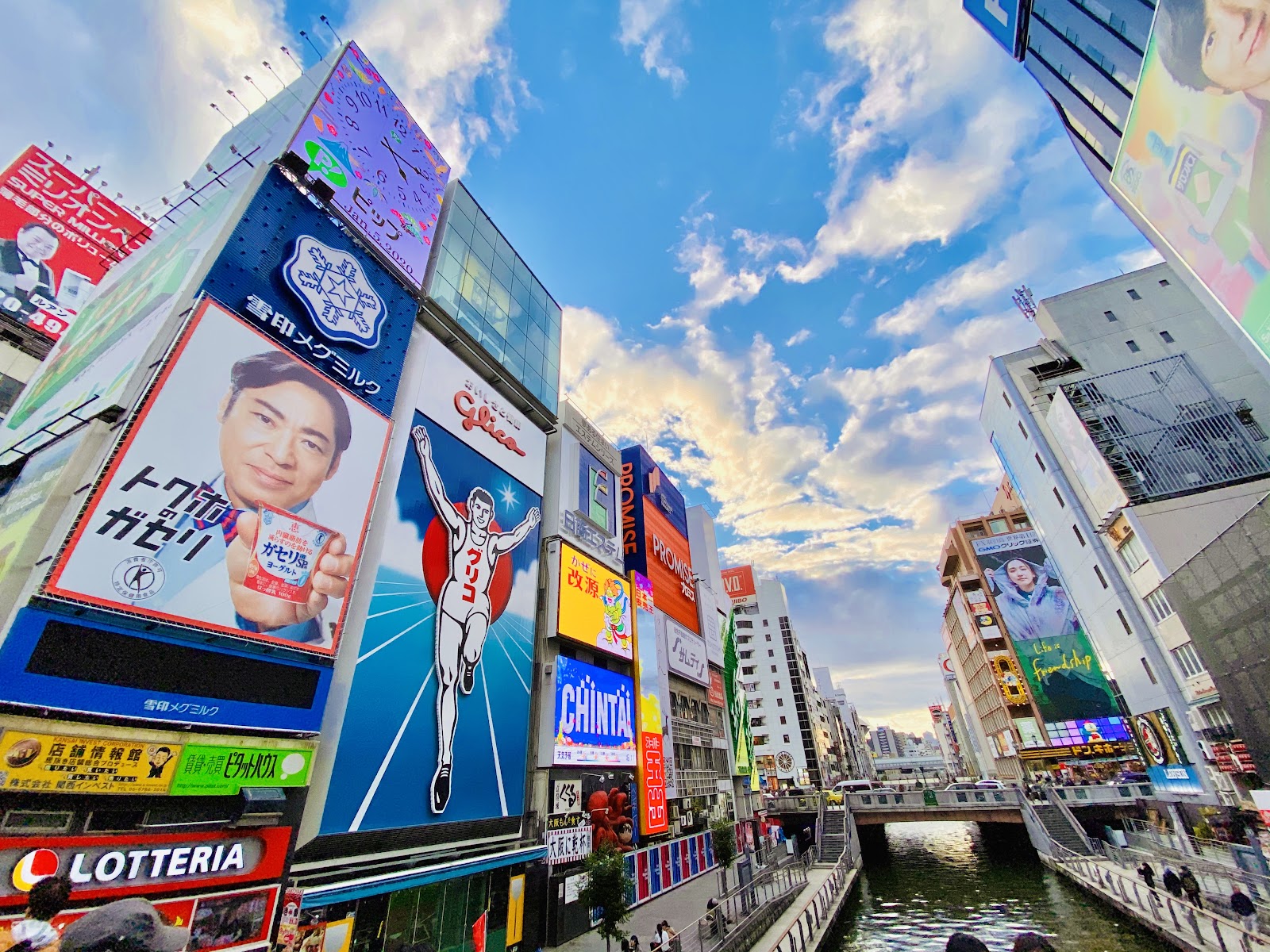
Dotonbori delivers Osaka’s biggest concentration of neon signs, food spots, shops and canal-side energy, with the Glico running man at its centre.
More photos
Photos published by travelers on Google, not AI generated.
What stands out
- Neon-lit canal-side streets
- Glico running man sign
- Restaurants and street-food shops
- Shopping streets and cafés
- Lively Osaka atmosphere
Worth knowing
- Extremely crowded during busy periods
- Not suited to visitors seeking peace and solitude
Don't miss
What comes up most in public reviews
- See the Glico running man sign
- Walk beside the canal
- Visit after dark for the neon lights
- Browse the street-food shops
Worth the trip?
Why Dotonbori stands out
Dotonbori is Osaka’s most concentrated hit of city energy. Public reviews consistently describe a busy district packed with bright lights, oversized signboards, restaurants, street-food shops, cafés and shopping streets. The canal adds a recognisable visual centre, while the Glico running man sign gives visitors an obvious landmark for photographs and orientation.
The area is especially atmospheric after dark. Neon signs switch on, restaurant displays glow above the streets and the whole district takes on a more theatrical feel. Several reviewers also enjoyed seeing Dotonbori in the late afternoon, when daylight reveals the canal and streets before the lights become the main event. Both visits have their appeal.
Google’s public listing shows a 4.4 rating from 86,554 reviews. That broad response matches the recurring descriptions of Dotonbori as lively, exciting and unmistakably Osaka.
What visitors do here
Most visits revolve around walking. The district rewards an unhurried stroll along the canal and through the surrounding streets, where signs compete for attention and food displays fill the shopfronts. There is no need to build an elaborate itinerary. The visual spectacle is the main attraction.
Food is a major part of the experience. Reviews repeatedly mention restaurants, street-food shops and cafés, making Dotonbori a practical place to browse menus and stop when something catches the eye. Shopping is just as prominent, with fashion stores, souvenir shops and cosmetic retailers appearing throughout the area.
The Glico running man display is the essential photo stop. It towers above the canal and appears frequently in visitor accounts, so it is easy to use as the anchor for a first walk through Dotonbori.
When to go
Late afternoon into the evening is the strongest window supported by the reviews. Arriving before sunset gives visitors a daylight view, then allows them to stay as the neon signs come on. After dark, the district feels at its liveliest.
That atmosphere comes with crowds. One reviewer visited during Golden Week and found the area extremely crowded, while still considering the bustle part of Dotonbori’s character. Visitors seeking quiet or solitude should choose another Osaka stop. This is a place for movement, noise and visual overload.
A short walk connects Dotonbori with the Shinsaibashi shopping arcade and the Namba station area, according to public reviews. That makes it easy to add the district to a wider central Osaka outing without treating it as a stand-alone day trip.
The practical verdict
Dotonbori suits first-time Osaka visitors, photographers, food-focused travellers and anyone who enjoys a busy urban atmosphere. It works well as a flexible half-day stop, particularly when paired with nearby shopping streets. The district is less compelling for travellers who want calm scenery or a slower cultural visit.
The public review pattern is clear: see it in daylight, return after dark if possible, walk beside the canal, look up at the signs and allow time to browse. Dotonbori is not subtle. That is precisely the point.
Plan the rest of the trip
Ask anything
Looking for somewhere else?
Keep exploring around Osaka
More from Japan
Japan · Kyoto
Fushimi Inari Taisha: Kyoto’s Torii-Gate Mountain Walk
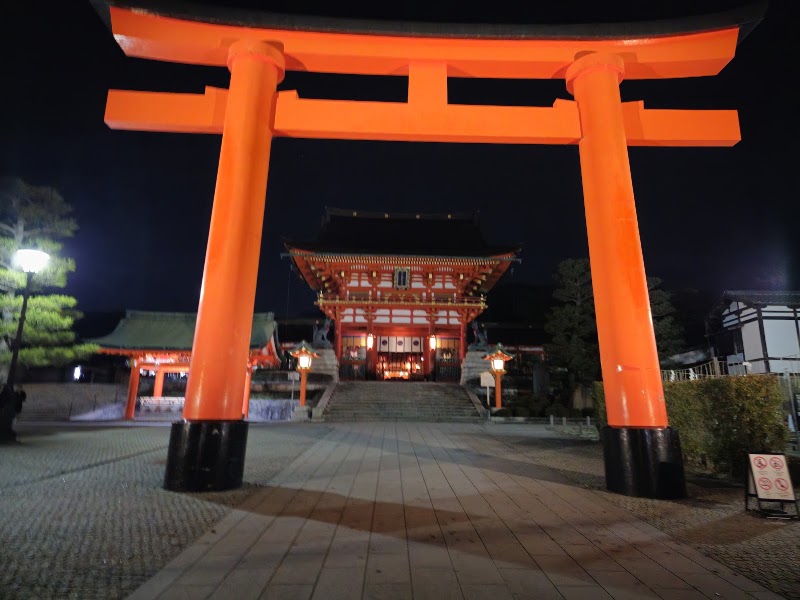
Fushimi Inari Taisha pairs iconic vermilion torii gates with a demanding mountain route that grows quieter and more atmospheric higher up.
Japan · Taito City
Sensō-ji, Tokyo’s Enduring Temple Landmark
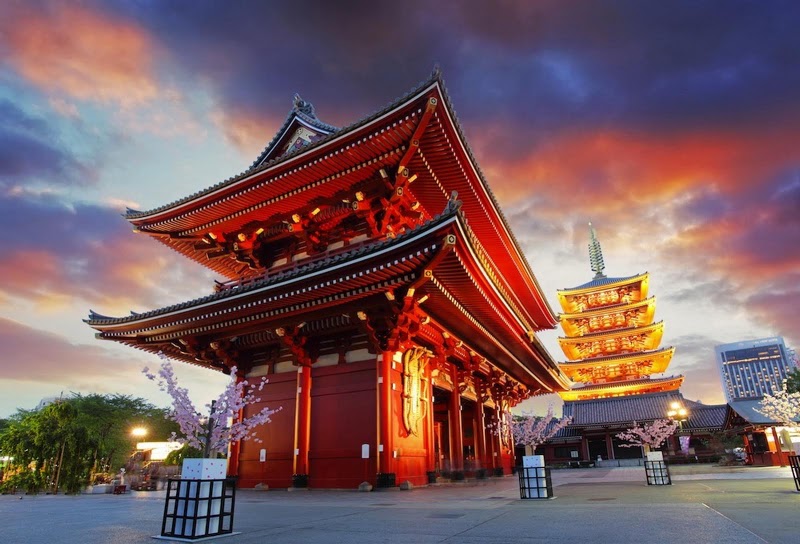
Sensō-ji gives visitors a vivid introduction to Buddhist tradition, historic architecture and the busy street life of Asakusa.
Japan · Sumida City
Tokyo Skytree Delivers Wide-Ranging Views Across Tokyo
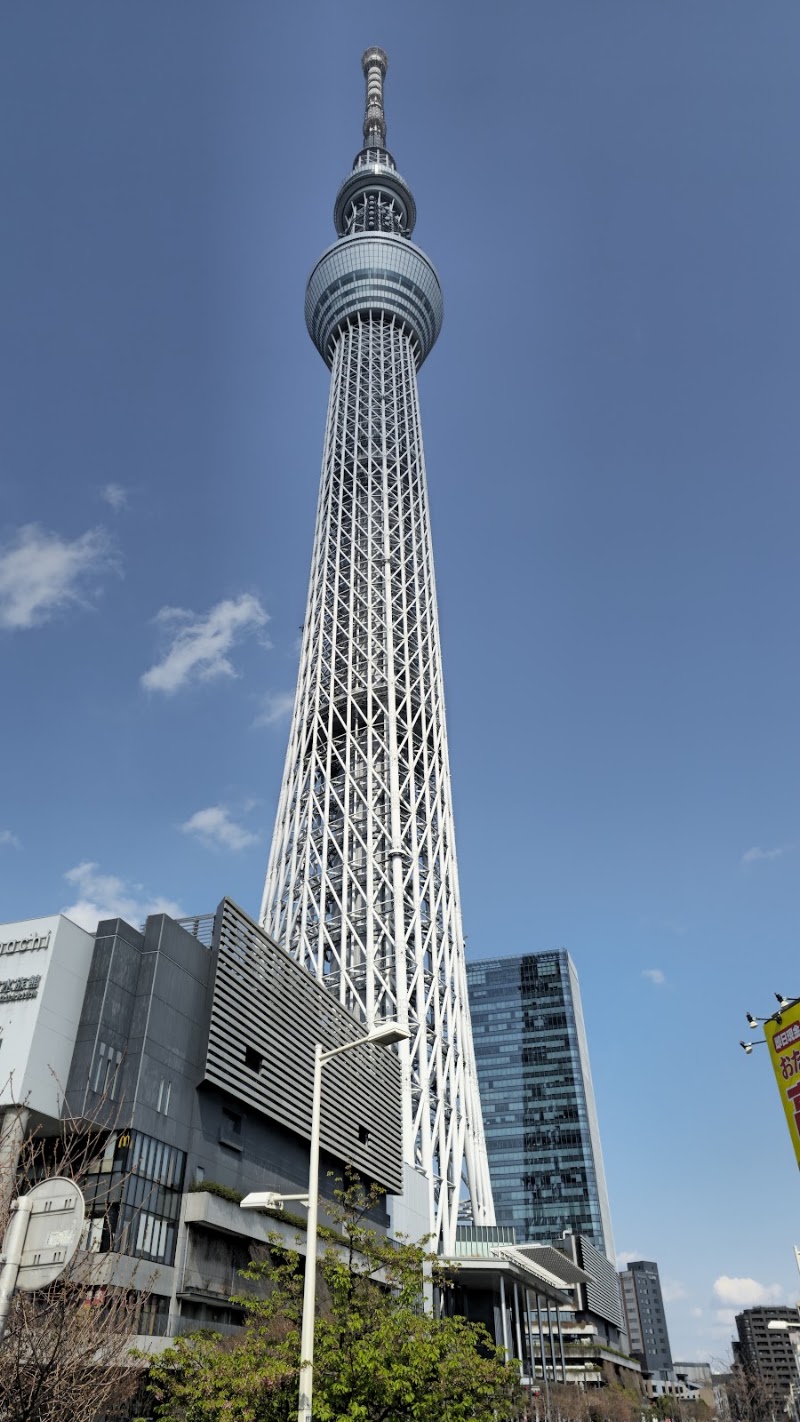
Public reviews praise Tokyo Skytree for its panoramic observation decks, smooth organization and strong day-to-night views.
Japan · Osaka
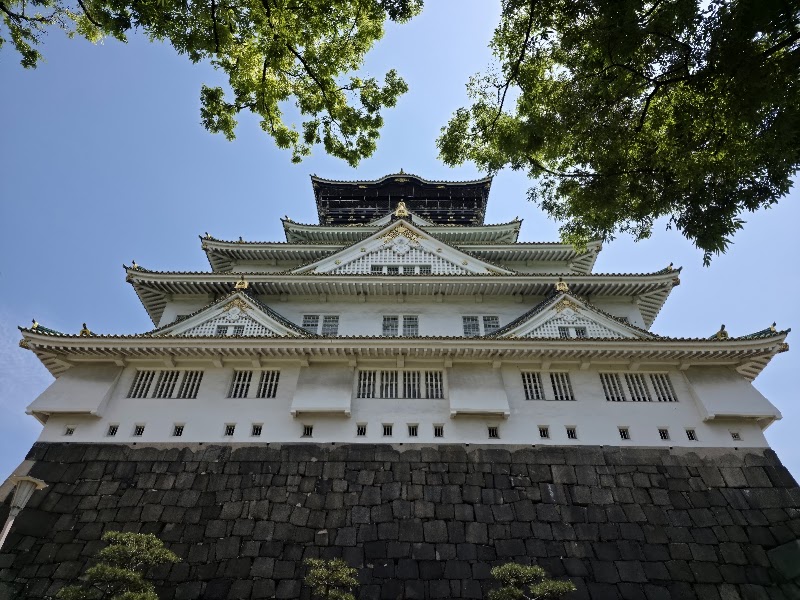
Osaka Castle: striking grounds, layered history and a modern interior
Osaka Castle earns strong public praise for its architecture, parkland and historical importance, though the museum interior may surprise visitors expecting original rooms.