Fushimi Inari Taisha: Kyoto’s Torii-Gate Mountain Walk
Fushimi Inari Taisha pairs iconic vermilion torii gates with a demanding mountain route that grows quieter and more atmospheric higher up.

More photos
Photos published by travelers on Google, not AI generated.
What stands out
- Thousands of vermilion torii gates
- Quieter forest route higher up
- Atmospheric visits in light rain
- Kyoto mountain walking
- Photogenic shrine tunnels
Worth knowing
- The uphill route is demanding
- Summer heat, sun and mosquitoes
- The entrance area can be crowded
Don't miss
What comes up most in public reviews
- Walk beyond the first torii tunnels
- Continue higher up the mountain
- Visit about an hour before sunset
- Bring plenty of water
Worth the trip?
Fushimi Inari Taisha is one of Kyoto’s most recognisable sights, and public reviews show that it generally lives up to its reputation. The shrine is known for its long corridors of vermilion torii gates, which create one of the city’s most memorable walks. Google visitors rate it 4.6 from 92037 reviews.
The torii-gate walk
The first tunnels near the entrance are the busiest and most immediately photogenic. They are also the section most visitors seem to know from photographs, films and anime-inspired imagery. Reviewers describe the gates as striking, seemingly endless and highly atmospheric, with a strong sense of place even when the route is crowded.
The experience changes as the path continues uphill. The gates become a forested mountain route rather than a short photo stop. Reviewers repeatedly say that the crowds thin out higher up, with a quieter and more peaceful atmosphere beyond the entrance area. That extra distance is a major part of the appeal.
A walk that demands effort
This is not a flat shrine visit. Public reviews describe the climb as a serious test of perseverance, especially for visitors who aim to reach the top of the mountain. Some people turn back before then, while those who continue say the effort feels rewarding and fulfilling.
The route should be approached as a walk with sustained uphill sections. Summer conditions can make it harder, and reviewers specifically mention bringing plenty of water, sunscreen and mosquito repellent. Comfortable footwear is sensible for anyone planning to go beyond the lower torii tunnels.
A shorter visit still offers the signature experience. Visitors who have limited time can walk through the lower gates, take in the shrine atmosphere and turn back. Those seeking fewer people and a stronger sense of quiet should allow more time for the upper route.
When the atmosphere changes
Timing has a clear effect on the visit. Reviews recommend arriving early, while one visitor found a midweek visit about an hour before sunset especially calm, with very few people and a more atmospheric feel as darkness approached. Rain did not diminish that experience. It added to the mood for that reviewer.
The entrance area can feel busy during popular periods, so an early or later visit is better suited to travellers who want photographs with fewer people. The upper mountain path is the stronger choice for visitors who value silence, forest scenery and a slower walk.
Who should go
Fushimi Inari Taisha suits first-time visitors to Kyoto, photographers and travellers who enjoy walking. It also works for visitors interested in a reflective shrine experience, provided they are comfortable sharing the lower route with other tourists.
The key is to look beyond the first torii tunnels. The lower section delivers the iconic image. The climb supplies the quieter, more immersive part of the visit. Even without reaching the summit, the route offers a distinctive Kyoto experience. Those who do continue should expect a demanding walk, not a quick sightseeing stop.
Plan the rest of the trip
Ask anything
Looking for somewhere else?
Keep exploring around Kyoto
More from Japan
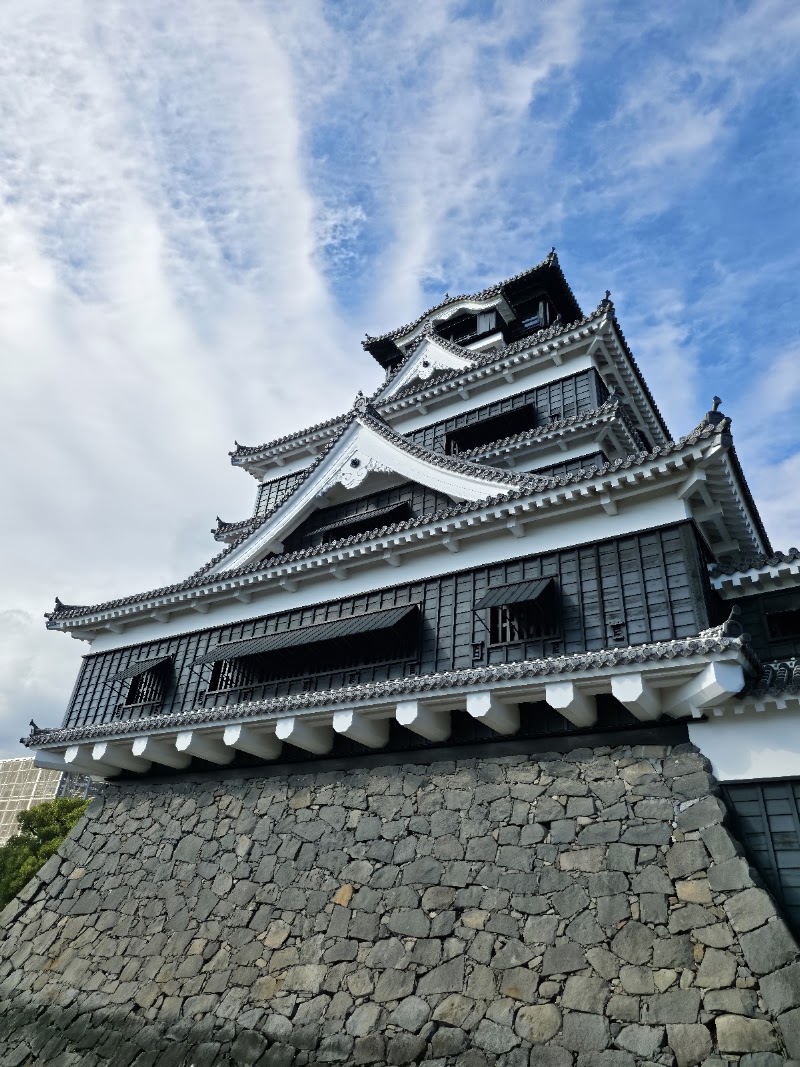
Japan · Kumamoto
Kumamoto Castle: A Powerful Reconstruction and History Stop
Public reviews describe Kumamoto Castle as an impressive, accessible landmark with strong exhibits, commanding views and visible earthquake-recovery work.

Japan · Matsumoto
Matsumoto Castle: A Striking Landmark with a Demanding Climb
Matsumoto Castle rewards visitors with dramatic architecture, calm grounds and excellent upper-level views, though its steep wooden stairs require care.

Japan · Setagaya City
Arigato Travel: Japan Food Tours Led by Local Stories
Public reviews praise Arigato Travel’s food tours for knowledgeable guides, generous tastings and a strong sense of place across Tokyo, Kyoto and Osaka.

Japan · Kyoto
Senbon Torii: Kyoto’s Atmospheric Mountain Shrine Walk
Public reviews consistently praise the vermilion torii tunnels, early-morning calm and rewarding climb up Mount Inari.