Meiji Jingu: A Forested Shinto Shrine in Central Tokyo
Meiji Jingu gives visitors a quiet, spacious walk through forested grounds before reaching one of Tokyo’s best-known Shinto shrines.
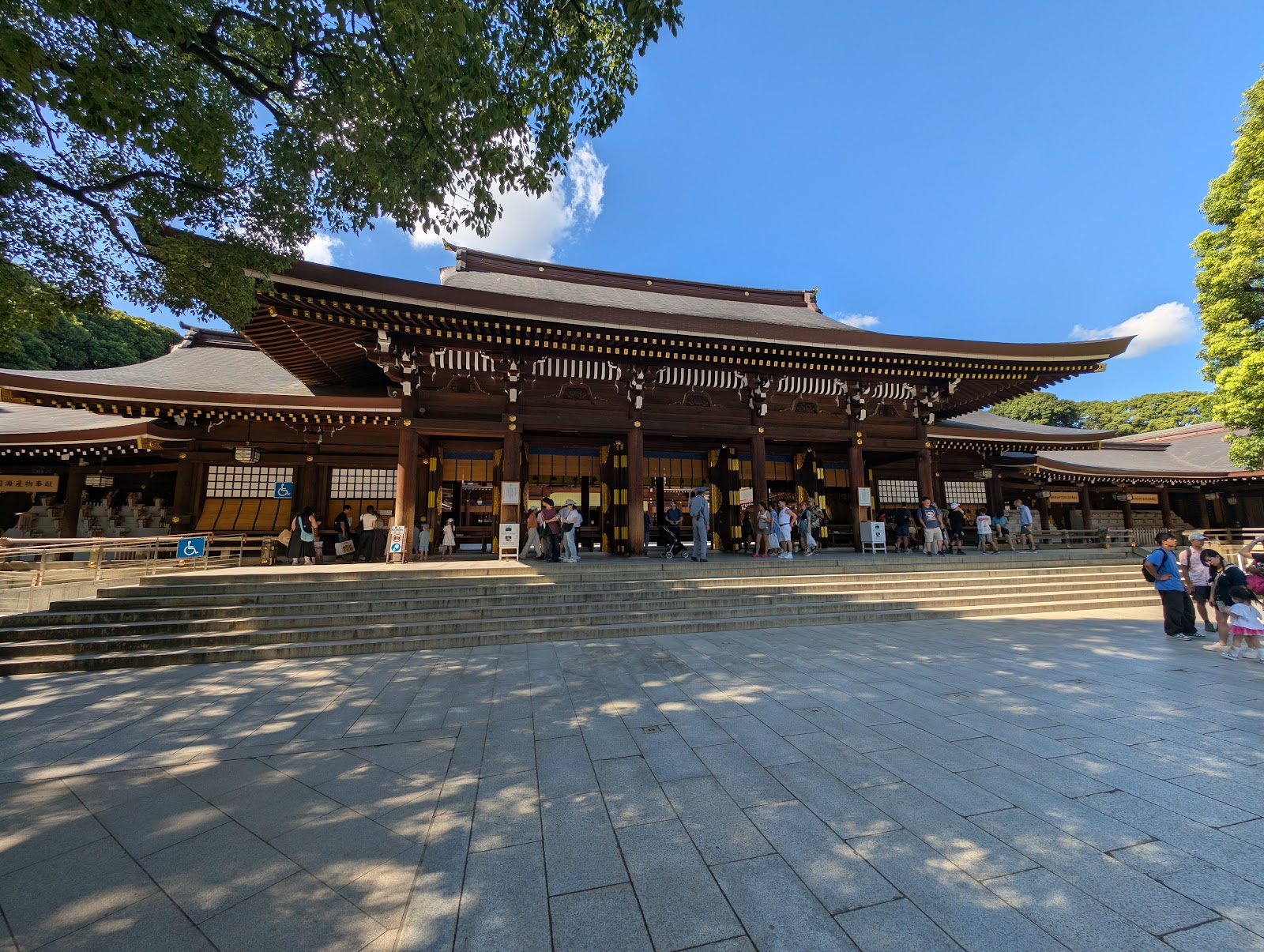
More photos
Photos published by travelers on Google, not AI generated.
What stands out
- Peaceful forested paths
- Large traditional torii gates
- Serene central Shinto shrine
- Convenient Harajuku Station access
- Seasonal iris garden
Worth knowing
- Large grounds require walking
- Some areas can feel touristy
- Ticket cost is not established
Don't miss
What comes up most in public reviews
- Walk through the forested approach
- See the main shrine
- Pass through the large torii gates
- Visit the iris garden in season
Worth the trip?
Why visit Meiji Jingu
Meiji Jingu is one of Tokyo’s clearest pauses. Public reviews describe a peaceful shrine set inside extensive forest, close to the city’s busiest streets yet noticeably removed from their noise. The contrast is the main appeal. Visitors leave the energy around Harajuku and enter broad, shaded paths where the pace slows almost immediately.
The attraction is rated 4.7 from 53,599 Google reviews, a strong signal of consistent visitor satisfaction. Reviewers repeatedly mention the calm atmosphere, well-maintained grounds and simple beauty of the shrine itself. It is not presented as a quick photo stop. The walk matters.
The walk through the grounds
The approach leads through towering trees and past large torii gates. Several reviews call the forested route relaxing, with one visitor describing it as a way to forget the scale of Tokyo for a while. That sense of space makes Meiji Jingu especially useful after time spent in crowded shopping areas or on busy central streets.
The grounds are large enough to require some walking. Visitors should allow time for the route rather than treating the entrance as the destination. The setting encourages quiet reflection, photography and an unhurried look at the surrounding trees. Public feedback also notes that the site has cafés, a restaurant and other amenities, though the central draw remains the shrine and its atmosphere.
What visitors see
The main shrine is the focus of the visit. Reviews describe its traditional architecture as beautiful, understated and spiritually significant. Visitors looking for a strong introduction to Shinto culture will find the setting accessible, even if they have limited knowledge of Japanese religious sites.
One review also mentions a Buddhist temple on the grounds, though that detail is not repeated across the available comments and should not be treated as a central feature. The iris garden receives more specific praise. Seasonal blooms are described as a highlight, giving the visit extra appeal during the flowering period.
Meiji Jingu can feel touristy in places, according to one reviewer. That is part of its practical character: the site is popular, prepared for visitors and supported by facilities. The forest paths still provide plenty of quieter space.
Planning the visit
Meiji Jingu suits travellers who want culture without leaving central Tokyo. Its entrance beside Harajuku Station is repeatedly praised for convenience, making it easy to pair with the surrounding neighbourhood. A half day gives enough time for the approach, the shrine, photographs and a slower circuit of the grounds.
The attraction works particularly well for couples, solo travellers and anyone seeking a calm break during a city itinerary. Modest clothing, respectful behaviour and a willingness to walk will make the experience smoother. The reviews do not establish a ticket cost, so visitors should check current official information before going.
The strongest reason to visit is straightforward: Meiji Jingu offers a substantial sense of quiet in one of the world’s busiest cities. Arrive with time, not haste.
Plan the rest of the trip
Ask anything
Looking for somewhere else?
Keep exploring around Shibuya
More from Japan
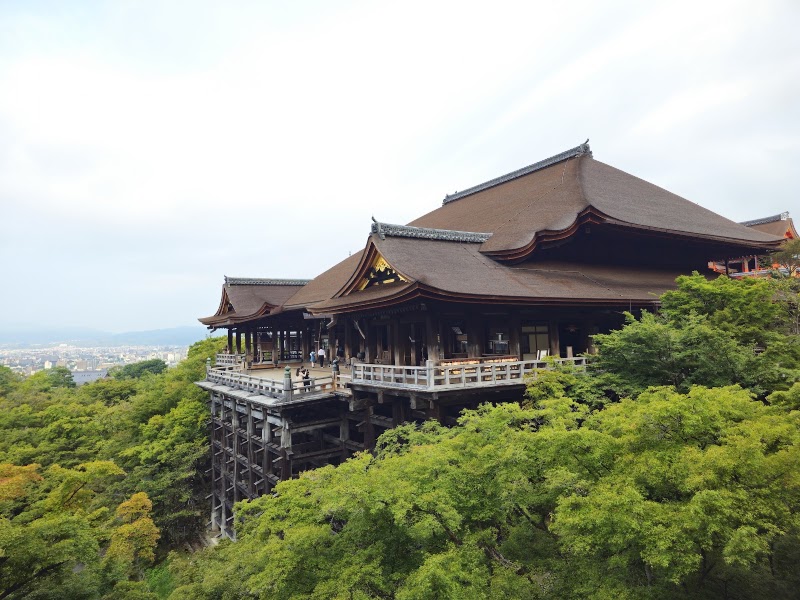
Japan · Kyoto
Kiyomizu-dera: Kyoto Views, Timberwork and Temple Streets
Kiyomizu-dera combines a celebrated wooden terrace, seasonal scenery and broad views across Kyoto, though its popularity brings heavy crowds.
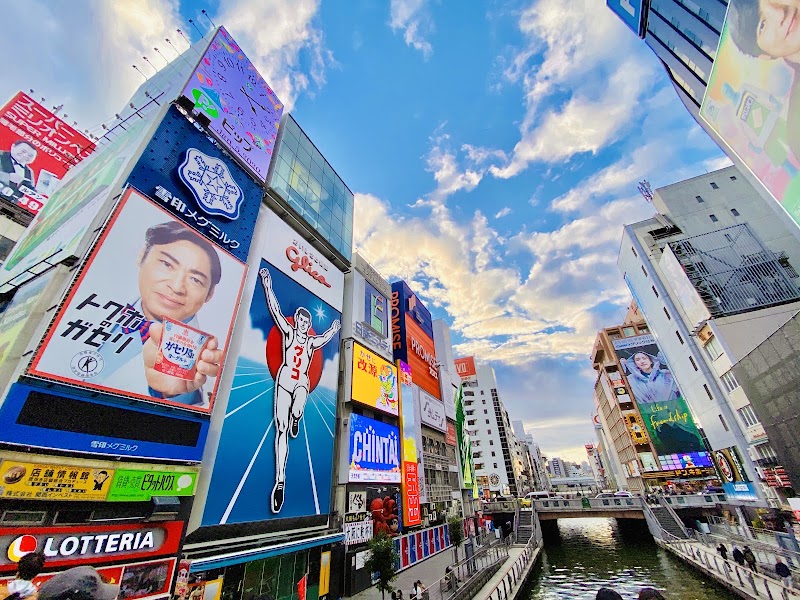
Japan · Osaka
Dotonbori After Dark: Osaka’s Neon-Filled Riverfront
Dotonbori delivers Osaka’s biggest concentration of neon signs, food spots, shops and canal-side energy, with the Glico running man at its centre.
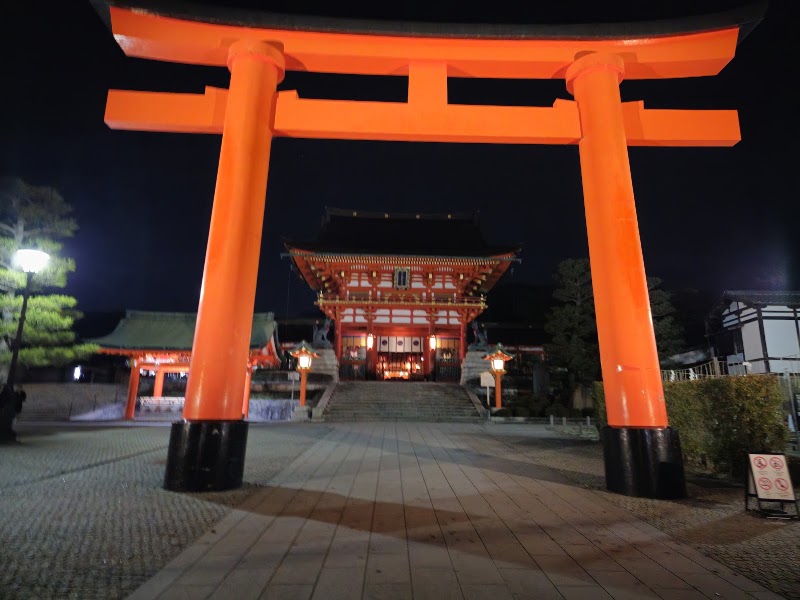
Japan · Kyoto
Fushimi Inari Taisha: Kyoto’s Torii-Gate Mountain Walk
Fushimi Inari Taisha pairs iconic vermilion torii gates with a demanding mountain route that grows quieter and more atmospheric higher up.
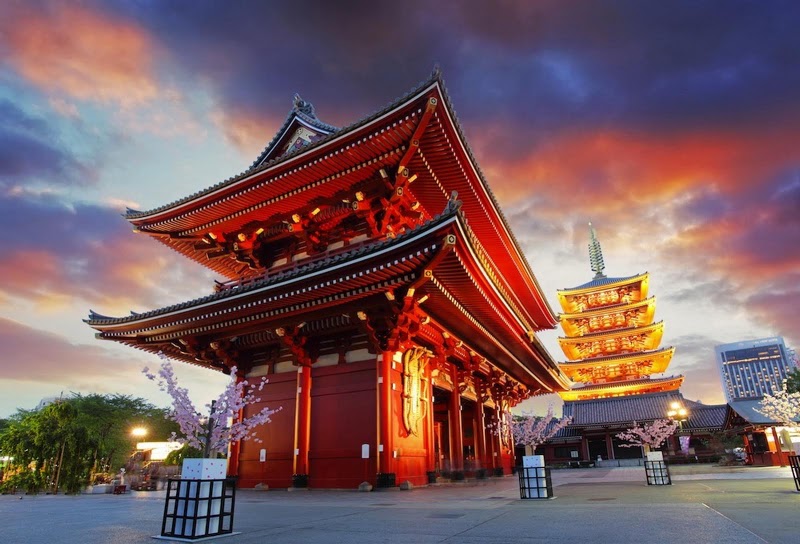
Japan · Taito City
Sensō-ji, Tokyo’s Enduring Temple Landmark
Sensō-ji gives visitors a vivid introduction to Buddhist tradition, historic architecture and the busy street life of Asakusa.