Sensō-ji, Tokyo’s Enduring Temple Landmark
Sensō-ji gives visitors a vivid introduction to Buddhist tradition, historic architecture and the busy street life of Asakusa.

More photos
Photos published by travelers on Google, not AI generated.
What stands out
- Kaminarimon Gate and its red lantern
- Five-story pagoda
- Detailed temple architecture and wooden carvings
- Incense, prayers and temple customs
- Traditional vendors and local street food
Worth knowing
- Extremely crowded, especially later in the day
- Morning visits can still be busy
- It is an active place of worship
Don't miss
What comes up most in public reviews
- Walk through Kaminarimon Gate
- See the five-story pagoda
- Light incense respectfully
- Explore the temple approach
- Ask about amulets or fortune telling
Worth the trip?
Why visit Sensō-ji
Sensō-ji is one of Tokyo’s most recognisable religious landmarks, set in the Asakusa district of Taito City. Public ratings place it at 4.6 from 99,064 reviews, with repeated praise for its architecture, atmosphere and cultural importance. Visitors describe a place that feels significant as soon as they pass through Kaminarimon Gate, also known as the Thunder Gate.
The large red lantern creates the first striking view. Beyond it, the approach leads through a busy shopping street lined with vendors selling souvenirs, traditional goods and local street food. That route is part of the experience. Reviews frequently mention the mix of residents and international visitors, as well as the older vendors who give the area a strong sense of continuity.
What visitors notice
The temple complex rewards attention to detail. Reviewers single out the five-story pagoda, elaborate wooden carvings, traditional rooftops and the main temple architecture. Courtyards provide space to pause, though the wider complex is rarely quiet during the main visiting hours.
Sensō-ji remains an active place of worship, not simply a backdrop for photographs. Visitors report seeing people pray, light incense and take part in customary practices. Fortune telling is another recurring feature, and reviews mention amulets and temple blessings. These activities give the visit a more personal dimension, provided visitors behave respectfully and follow local signs or instructions.
The visual appeal is substantial. Photographers will find strong subjects around the gates, pagoda, lanterns, rooflines and carved details. Several reviews say that quieter moments are possible despite the crowds, particularly when visitors slow down in the courtyards and look beyond the main flow of foot traffic.
Crowds and timing
Crowding is the clearest drawback in the public feedback. Reviewers repeatedly describe Sensō-ji as extremely busy, with visitor numbers increasing into the afternoon. Even morning visits can be crowded, so anyone seeking a calmer experience should aim for the earliest practical arrival and keep expectations realistic.
The crowds are not universally viewed as a problem. Some visitors feel they add energy to the setting, especially when local worshippers, shoppers and tourists share the same space. Others find the volume of people makes photography and quiet reflection harder. The experience depends heavily on what each visitor wants from the visit.
A half-day allows time to pass through Kaminarimon Gate, explore the approach, see the temple buildings and pagoda, observe worship practices and browse the surrounding stalls. It also leaves room to move at a considerate pace rather than treating the complex as a quick photograph stop.
Editorial verdict
Sensō-ji suits first-time visitors to Tokyo, photographers and travellers interested in Buddhist temples and everyday religious culture. Its popularity is obvious, but the public reviews show that the crowds do not erase its sense of history or visual impact. The strongest visit combines an early start with patience around the approach and temple grounds.
Visitors should remember that Sensō-ji is a functioning place of worship. Photography may be tempting at every turn, yet respectful conduct matters more than capturing every detail. For many travellers, the combination of Kaminarimon Gate, the pagoda, incense, prayers, traditional vendors and detailed architecture makes this one of the most rewarding cultural stops in Tokyo.
Plan the rest of the trip
Ask anything
Looking for somewhere else?
Keep exploring around Taito City
More from Japan
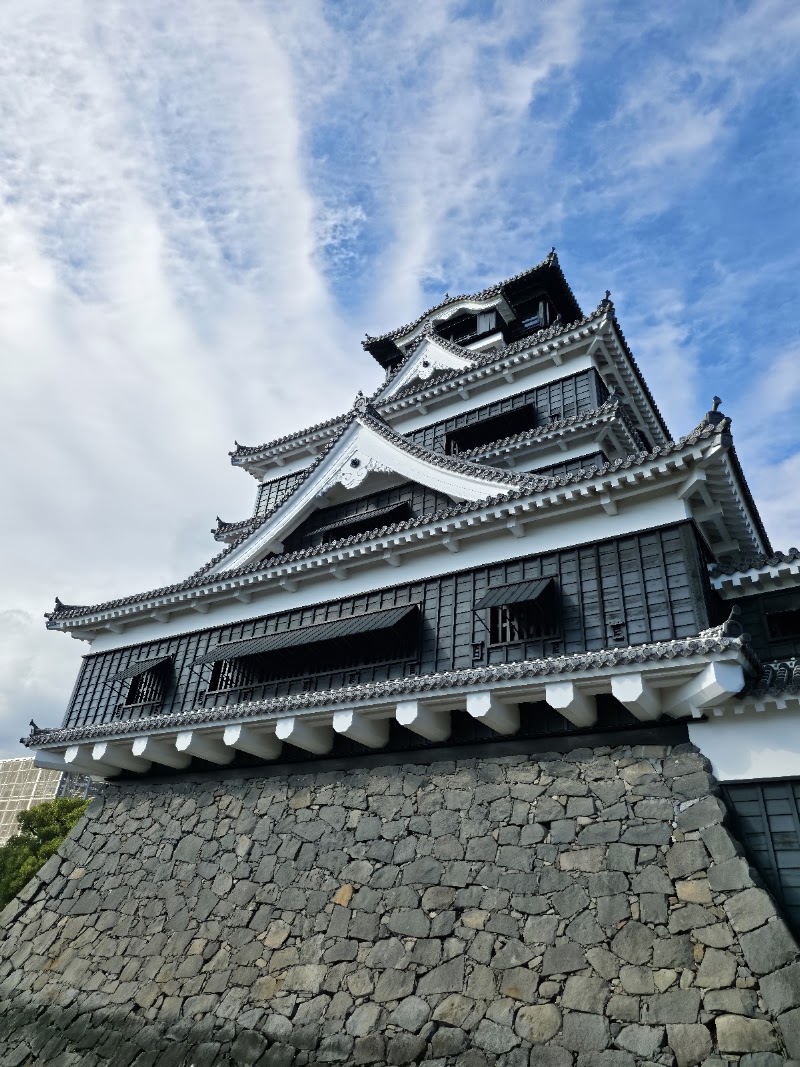
Japan · Kumamoto
Kumamoto Castle: A Powerful Reconstruction and History Stop
Public reviews describe Kumamoto Castle as an impressive, accessible landmark with strong exhibits, commanding views and visible earthquake-recovery work.

Japan · Matsumoto
Matsumoto Castle: A Striking Landmark with a Demanding Climb
Matsumoto Castle rewards visitors with dramatic architecture, calm grounds and excellent upper-level views, though its steep wooden stairs require care.
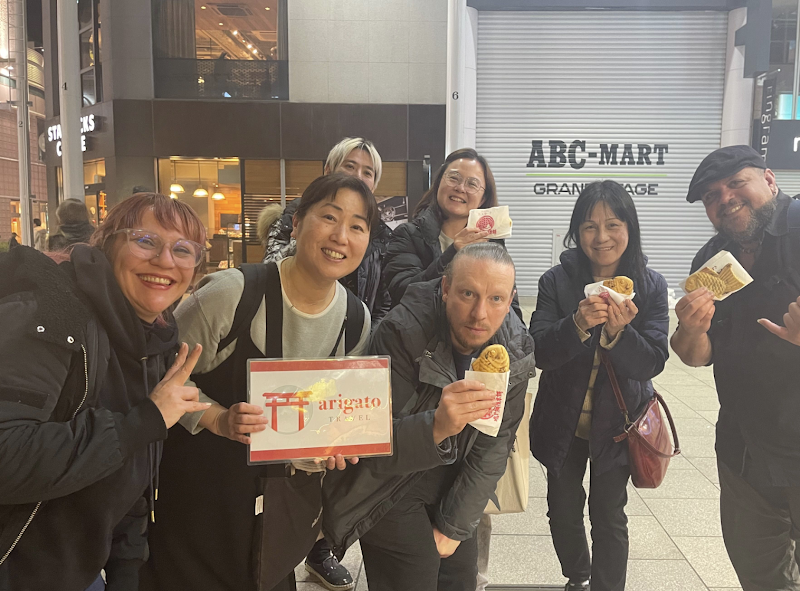
Japan · Setagaya City
Arigato Travel: Japan Food Tours Led by Local Stories
Public reviews praise Arigato Travel’s food tours for knowledgeable guides, generous tastings and a strong sense of place across Tokyo, Kyoto and Osaka.

Japan · Kyoto
Senbon Torii: Kyoto’s Atmospheric Mountain Shrine Walk
Public reviews consistently praise the vermilion torii tunnels, early-morning calm and rewarding climb up Mount Inari.