Imperial Palace East National Gardens: History in Central Tokyo
Public reviews praise this carefully maintained garden for its stone walls, historic structures, peaceful paths and early spring blossoms.
More photos
Photos published by travelers on Google, not AI generated.
What stands out
- Peaceful grounds in central Tokyo
- Historic stone walls and guard houses
- Carefully maintained paths and ponds
- Orchards, forests and landscaped gardens
- Early spring cherry blossoms
Worth knowing
- Cherry blossoms may not be at full bloom in March
- Check current access details before visiting
Don't miss
What comes up most in public reviews
- Walk beside the historic stone walls
- See the original guard houses
- Explore the orchards and forested sections
- Ask about the free grounds tour
Worth the trip?
A quiet break in central Tokyo
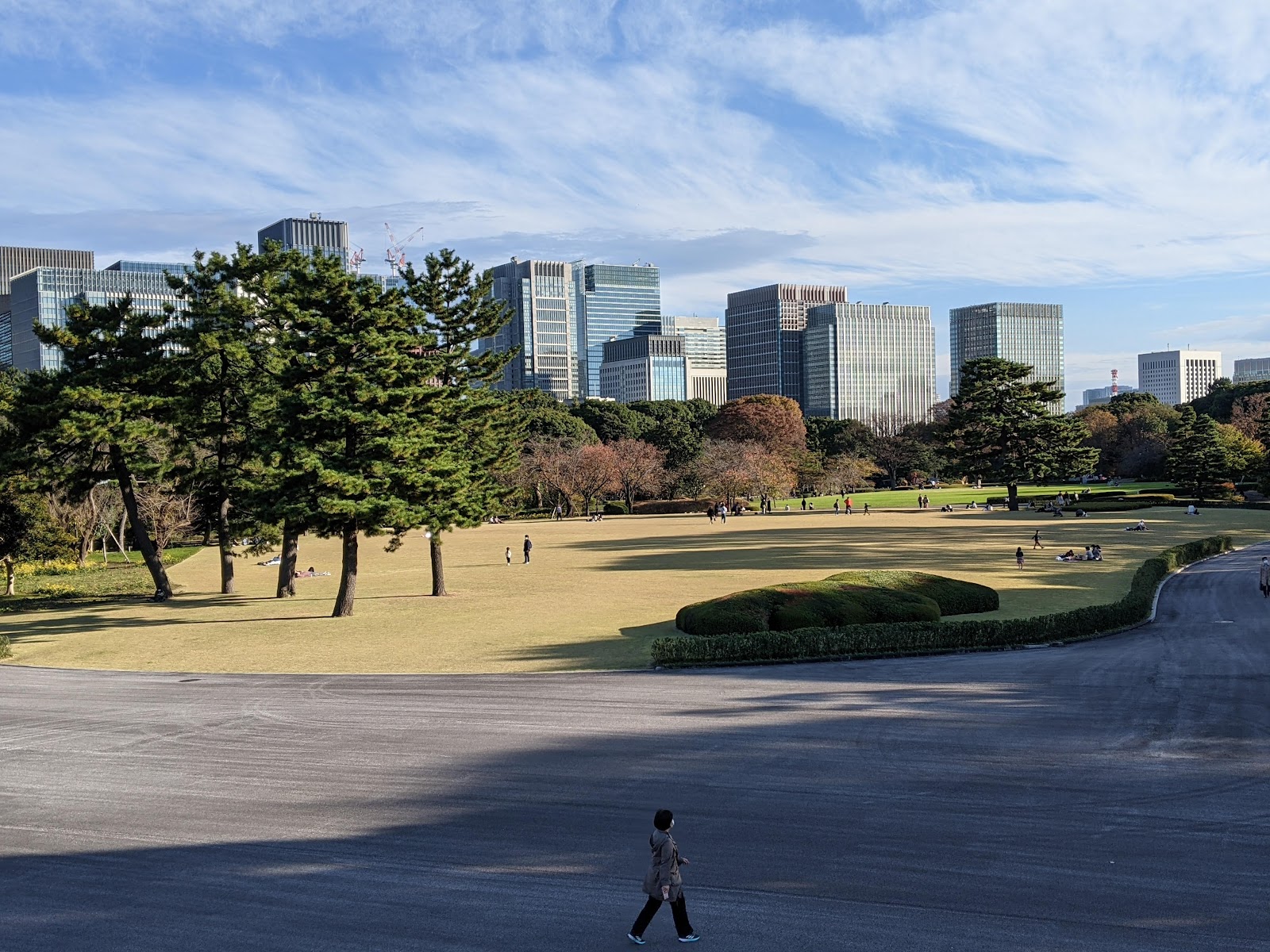
Imperial Palace East National Gardens gives visitors a rare sense of space in the middle of Chiyoda City. Public reviews consistently describe the grounds as peaceful, well maintained and surprisingly removed from the surrounding city. That contrast is the main draw. Skyscrapers and busy streets sit nearby, yet the garden offers room for an unhurried walk.
The attraction suits visitors who want a change of pace without leaving central Tokyo. The atmosphere is calm rather than highly programmed. Paths, ponds, landscaped areas, orchards and wooded sections shape the experience, with historic remnants appearing along the way.
History among the gardens
Reviews highlight the preserved stone walls and original guard houses, along with other structures connected to the early history of the palace. These features give the visit more substance than a standard city park stroll. The setting shows how defensive architecture and formal gardens now share the same grounds.
The public feedback points to a leisurely visit, with time to pause for photographs and read about the site. One reviewer took a free grounds tour and described moving through it in roughly an hour at a brisk pace, while also noting that more time is useful for the information and scenery. That suggests the attraction can work as a concise stop or a slower half-day outing.
What the reviews say about the gardens
The grounds receive strong praise for their neat paths, ponds and carefully landscaped planting. Visitors also mention forests and orchards, which add variation to the walk. The overall impression is orderly and well cared for, with the garden design supporting the historic setting rather than distracting from it.
Early spring is the clearest seasonal highlight in the available reviews. Visitors in March reported that some cherry trees had begun to flower, with soft pink and white blossoms adding colour to the grounds. A late-March visit was described as especially picturesque, even though the sakura was not yet at full bloom. Timing will affect the display, but the season clearly adds photographic appeal.
Planning the visit
Imperial Palace East National Gardens is best for travellers who enjoy history, gardens and a gentle walk. The public Google listing shows a 4.4 rating from 10,422 reviews, indicating broad visitor approval. The strongest recurring themes are tranquillity, maintenance, historic atmosphere and the variety of things to see along the paths.
Visitors should allow at least an hour for a brisk circuit, with extra time for photographs, garden details and historic structures. Those interested in the site’s past may want to ask about the grounds tour mentioned in public feedback. The reviews do not establish current opening arrangements, seasonal access rules or admission conditions, so those details should be checked before setting out.
This is not primarily a landmark-viewing stop or a fast photo opportunity. Its appeal builds gradually, through the quiet paths, old walls and changing garden scenes. For a measured look at Tokyo’s imperial history, it earns its place on the itinerary.
Plan the rest of the trip
Ask anything
Looking for somewhere else?
Keep exploring around Chiyoda City
More from Japan
Japan · 京都市
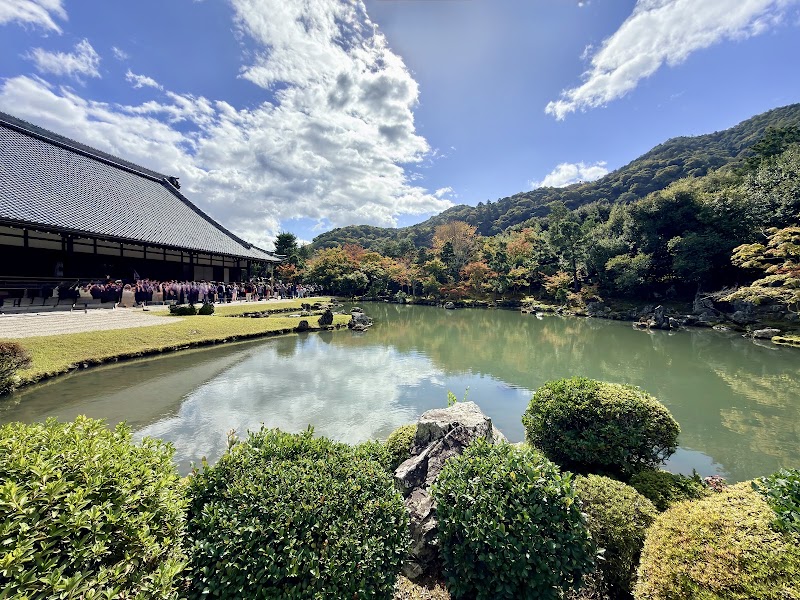
Tenryu-ji’s Garden Is the Main Event in Arashiyama
Tenryu-ji pairs a historic Buddhist temple complex with a serene pond garden framed by the Arashiyama mountains.
Japan · Shibuya
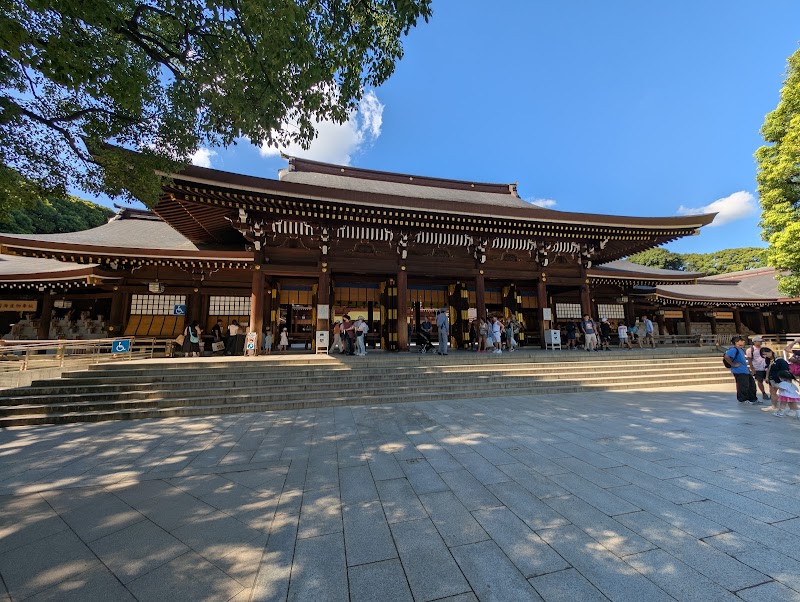
Meiji Jingu: A Forested Shinto Shrine in Central Tokyo
Meiji Jingu gives visitors a quiet, spacious walk through forested grounds before reaching one of Tokyo’s best-known Shinto shrines.
Japan · Kyoto
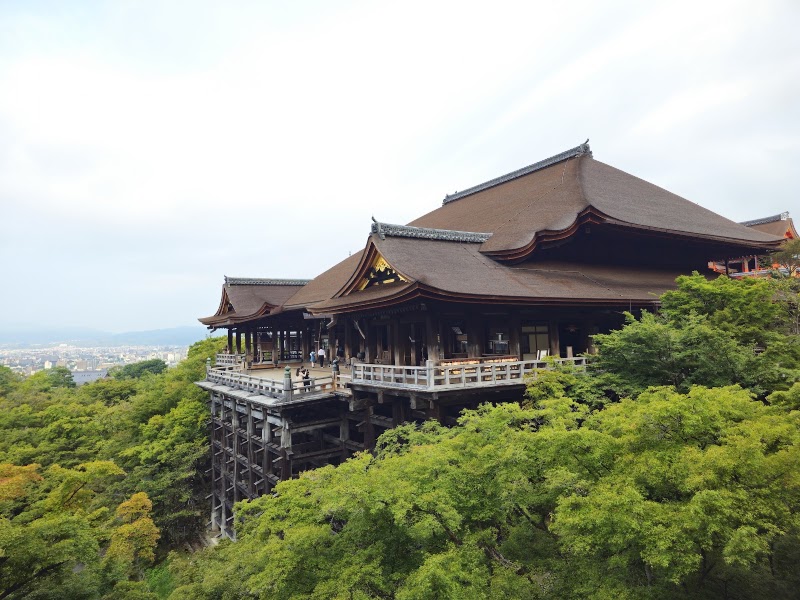
Kiyomizu-dera: Kyoto Views, Timberwork and Temple Streets
Kiyomizu-dera combines a celebrated wooden terrace, seasonal scenery and broad views across Kyoto, though its popularity brings heavy crowds.

Japan · Osaka
Dotonbori After Dark: Osaka’s Neon-Filled Riverfront
Dotonbori delivers Osaka’s biggest concentration of neon signs, food spots, shops and canal-side energy, with the Glico running man at its centre.