Uyuni Salt Flat: A Surreal White Horizon in Bolivia
Public reviews describe Uyuni Salt Flat as an extraordinary high-altitude landscape, with mirror reflections in rain and geometric salt crust in dry weather.
More photos
Photos published by travelers on Google, not AI generated.
What stands out
- Giant natural mirror after rain
- Geometric salt-crust patterns
- Vast white horizon and surreal scale
- High-altitude coloured lagoons and flamingos
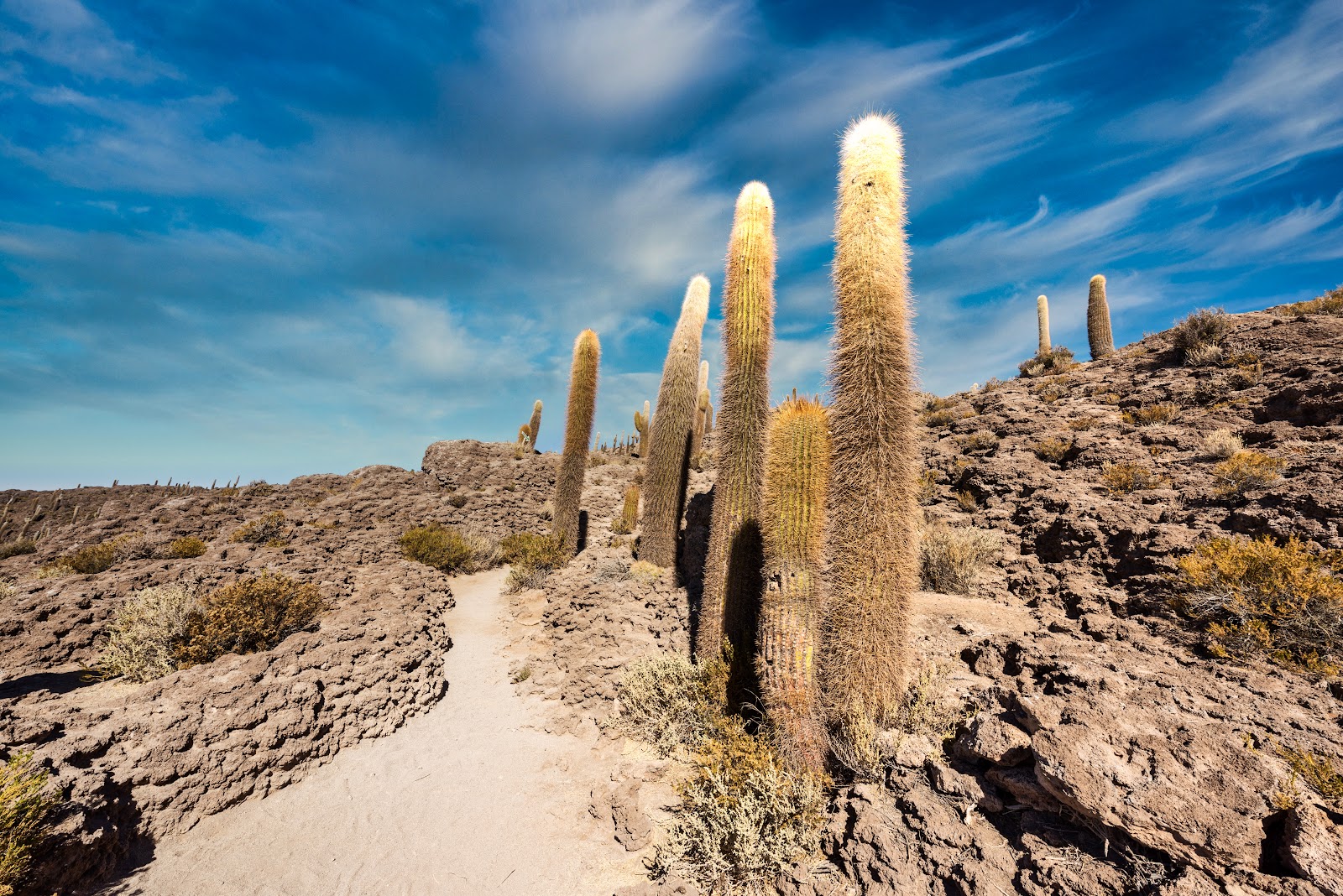
- Active geysers and a cactus-covered island
Worth knowing
- Cold, exposed conditions at high altitude
- Mirror effect depends on rain and still weather
- Bright salt surface can be blinding
Don't miss
What comes up most in public reviews
- Walk across the polygon-shaped salt crust
- Look for the mirror effect after rain
- Ask about coloured lagoons and flamingos
- See the active geysers
- Visit the cactus-covered island
Worth the trip?
What the reviews show
Uyuni Salt Flat receives a 4.8 rating from 3,226 Google reviews. The strongest pattern is clear: visitors find the landscape profoundly surreal. Reviewers describe an immense white expanse where the horizon can seem to disappear, distances become difficult to judge and familiar ideas of scale stop working.
It is not presented as a conventional attraction with a single viewpoint. The experience unfolds across a broad, exposed landscape. Some travellers focus on the silence and stillness. Others remember the salt’s repeating hexagonal or polygon-shaped crust. Several describe the place as feeling almost extraterrestrial.
The landscape changes with the weather
The reviews repeatedly point to two distinct visual experiences. During the dry season, the salt flat appears as a vast white desert. Its surface forms striking geometric patterns, and the intense brightness can make the salt appear almost luminous. The open terrain creates unusual perspective effects, with distant landmarks seeming much closer than they are.
Rain changes the scene completely. A thin layer of water can turn the flat into a giant natural mirror, reflecting the sky beneath visitors’ feet. Reviewers call this effect mind-blowing and describe it as one of the most memorable sights in the region. Conditions are not identical everywhere, though. One traveller visiting between the wet and dry seasons saw the mirror effect in some areas while still enjoying generally good weather.
What to see beyond the salt crust
The public reviews also mention sights associated with wider Uyuni excursions. High-altitude coloured lagoons, flamingos, active geysers and a cactus-covered island appear in the recommendations. These are not all part of the same immediate viewpoint, so travellers should confirm the route and included stops before setting out.
The elevation is a serious part of the setting. One review places the salt flat at about 12,500 feet and describes the surroundings as cold and eerie. Another notes that subterranean streams emerge in places as hot or cold springs. The reviews portray a landscape that looks barren at first glance but has unusual geological features beneath and around its surface.
Planning the visit
The best timing depends on the visual priority. Rainy conditions offer the possibility of mirror reflections. Dry-season visits suit travellers who want sharp salt patterns, intense whiteness and the classic endless desert effect. A transition period may provide elements of both, but the mirror effect remains weather-dependent.
Bright light, cold air and high altitude deserve preparation. The reviews support allowing at least several hours for the main experience, with longer itineraries useful for the lagoons, geysers and cactus-covered island. Public feedback is overwhelmingly enthusiastic, but the setting is remote and exposed. Travellers should verify transport, route details and conditions before departure.
Uyuni Salt Flat suits photographers, landscape lovers and anyone drawn to places that feel outside ordinary scale. Its appeal is not comfort or convenience. It is the strange quiet, the impossible horizon and the way a little water can erase the boundary between earth and sky.
Plan the rest of the trip
Ask anything
Looking for somewhere else?
Keep exploring
More from Bolivia
Bolivia · Uyuni
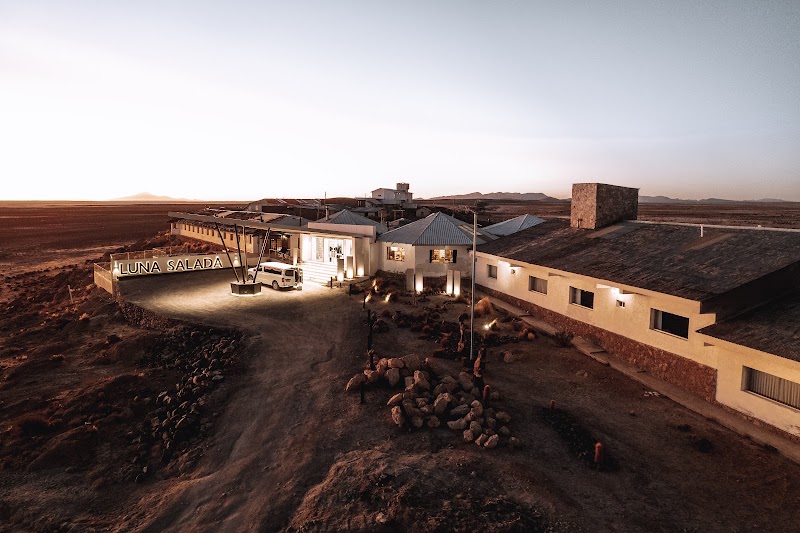
Hotel Luna Salada: Salt-built stay beside Uyuni’s flats
A distinctive salt-block hotel with sweeping Salar de Uyuni views, polished common areas and a price that attracts regular criticism.

Bolivia · Coimata
Cascada de Coimata: Pools and Waterfall Near Tarija
Public reviews describe an easy, scenic escape near Tarija, with natural pools, a waterfall and a rougher path at the final approach.

Bolivia · Rurrenabaque
Native Tours Rurrenabaque: Wildlife With a Local Guide
Public reviews praise Native Tours for knowledgeable, conservation-minded guiding across the Pampas and rainforest near Rurrenabaque, Bolivia.
Bolivia
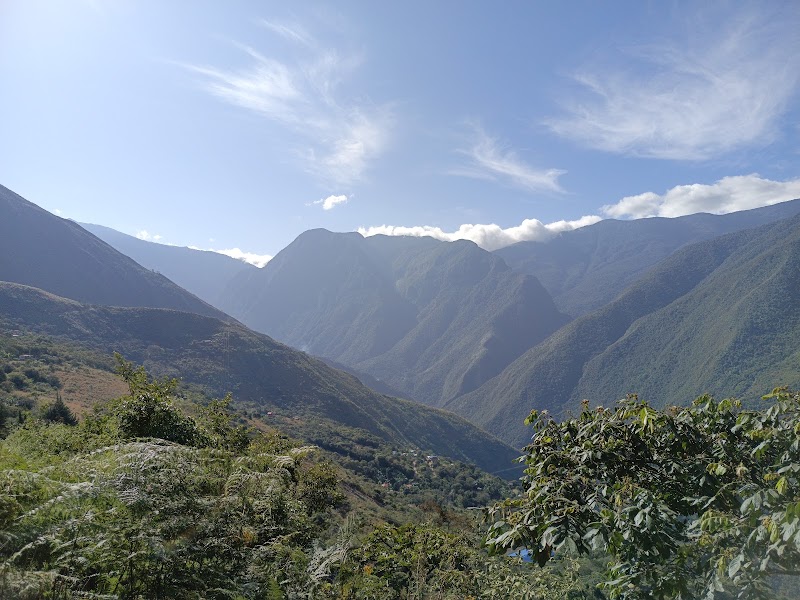
Takesi Trail: High-Altitude Scenery and Incan History
A demanding mountain trail near La Paz, Takesi rewards prepared hikers with lakes, rivers, llamas and a glimpse of the Incan highway system.