Cascada de Coimata: Pools and Waterfall Near Tarija
Public reviews describe an easy, scenic escape near Tarija, with natural pools, a waterfall and a rougher path at the final approach.

More photos
Photos published by travelers on Google, not AI generated.
What stands out
- Natural pools for relaxing
- Waterfall reached by a scenic walk
- Close to Tarija
- Quiet nature setting
- Swimming and outdoor relaxation
Worth knowing
- Water may be brown
- Path is poorly marked and unmaintained
- Rubbish has been reported around the pools
Don't miss
What comes up most in public reviews
- La Poza Del Pato
- The first pool and waterfall
- The base of the waterfall
- Ask locally about the Coimata trufi
Worth the trip?
Cascada de Coimata is a nature stop in Coimata, Bolivia, near Tarija. Public reviews give it a Google rating of 4.7 from 47 reviews. The consistent appeal is simple: visitors come for the water, the surrounding greenery and a break from the city without travelling far.
What visitors like
Reviewers describe a peaceful setting where people can relax beside the pools, swim and eat something outdoors. One review specifically recommends diving into the water, though conditions may vary. The sound of nature is part of the experience, and several visitors consider the site beautiful.
The route is also presented as manageable in some accounts. One reviewer describes a short walk to the first pool and waterfall after reaching La Poza Del Pato. Another says the walk takes around an hour and a half, with the difference likely reflecting the starting point, route taken or pace. The setting rewards visitors who are comfortable treating the outing as a walk rather than a roadside stop.
Getting there and walking
Public reviews mention taking a trufi from Tarija’s Mercado Campesino toward Coimata, then continuing from La Poza Del Pato. That account says the vehicle drops visitors near a station sign and that the first pool and waterfall are reached on foot. Transport details should be checked locally before departure, since routes and availability can change.
The path is not consistently marked or maintained, according to one reviewer. Near the base of the waterfall, the route becomes more difficult and potentially dangerous, even though that visitor still found the final section possible without too much difficulty. Footwear with good grip and a cautious approach make sense. The reviews do not establish that every section is equally challenging.
Conditions to expect
Cascada de Coimata is not presented as a polished, fully managed attraction. One visitor found the water brown, while another reported rubbish accumulating in the pools and around the site. Those comments matter. Water quality and the general condition of the area may not match the idealized images that often draw people to waterfalls.
The best experience will depend on recent weather and local conditions, but the available reviews do not identify a specific season or time of day as reliably better. Visitors should avoid assuming that swimming will always be suitable. Checking conditions nearby before entering the water is sensible.
Who should go
This place suits travellers looking for a relaxed half-day outdoors, especially those staying in or near Tarija who want a nearby natural setting. It is a stronger fit for independent visitors who can manage an uneven, poorly marked path and accept variable water conditions. People seeking clear signage, maintained trails or guaranteed swimming conditions should choose carefully.
Cascada de Coimata’s appeal is its closeness to the city and its unforced atmosphere. The reviews show genuine enjoyment, but they also point to maintenance and environmental problems. The waterfall and pools are worth considering, provided visitors arrive prepared and leave the area cleaner than they found it.
Plan the rest of the trip
Ask anything
Looking for somewhere else?
Keep exploring around Coimata
More from Bolivia
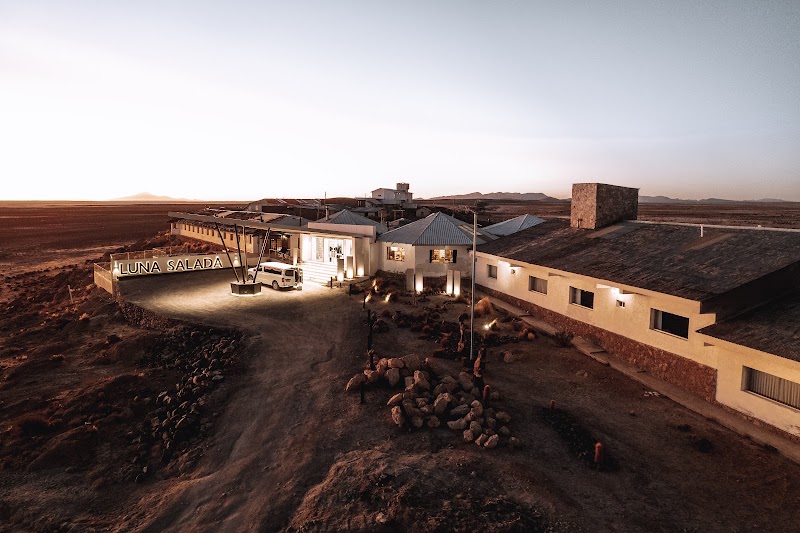
Bolivia · Uyuni
Hotel Luna Salada: Salt-built stay beside Uyuni’s flats
A distinctive salt-block hotel with sweeping Salar de Uyuni views, polished common areas and a price that attracts regular criticism.

Bolivia · Rurrenabaque
Native Tours Rurrenabaque: Wildlife With a Local Guide
Public reviews praise Native Tours for knowledgeable, conservation-minded guiding across the Pampas and rainforest near Rurrenabaque, Bolivia.
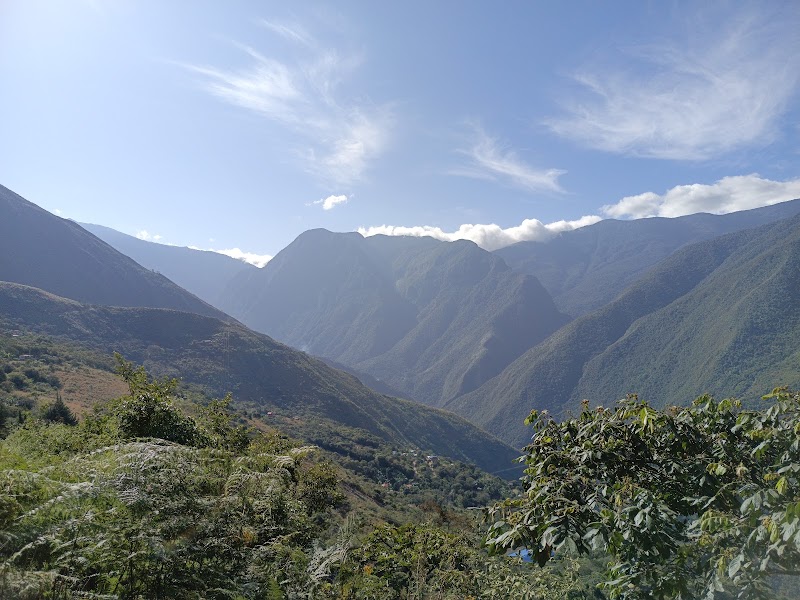
Bolivia
Takesi Trail: High-Altitude Scenery and Incan History
A demanding mountain trail near La Paz, Takesi rewards prepared hikers with lakes, rivers, llamas and a glimpse of the Incan highway system.

Bolivia · Vallegrande
La Pajcha: A Remote Waterfall Near Vallegrande
La Pajcha rewards travellers willing to tackle rough roads with swimming, camping and quiet wilderness far from the main tourist route.