Takesi Trail: High-Altitude Scenery and Incan History
A demanding mountain trail near La Paz, Takesi rewards prepared hikers with lakes, rivers, llamas and a glimpse of the Incan highway system.
More photos
Photos published by travelers on Google, not AI generated.
What stands out
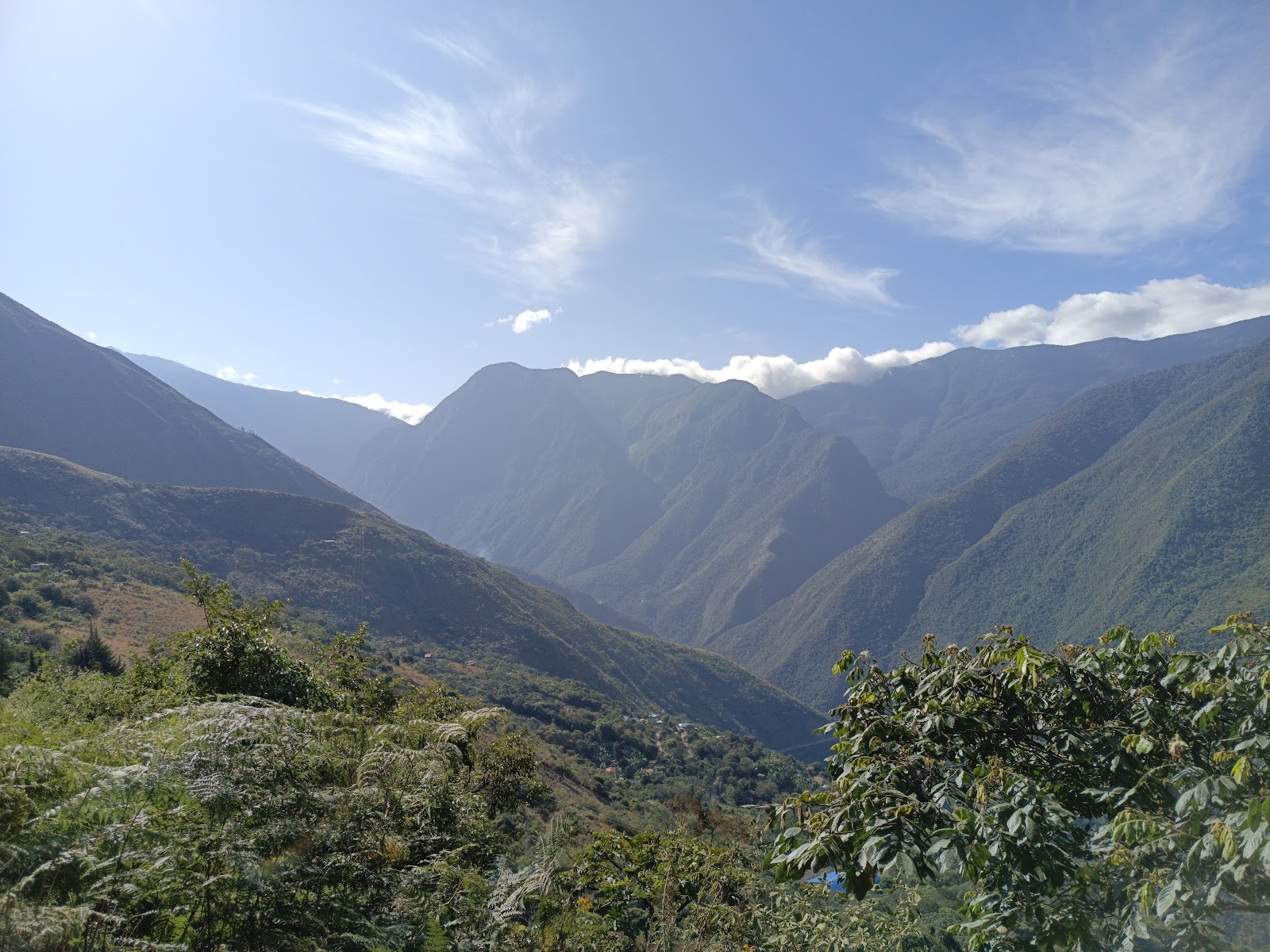
- Mountain lakes and rushing rivers
- Views across changing elevations
- Llamas along the trail
- Sections of the Incan highway system
- Signage reported as easy to follow
Worth knowing
- Demanding high-altitude opening climb
- Strong river flow during wet weather
- Overgrown sections and changing conditions
Don't miss
What comes up most in public reviews
- See the Incan highway sections
- Stop at the mountain lakes
- Check river crossings before continuing
- Ask locally about transport from La Paz and Yanacachi
Worth the trip?
The overall experience
Public ratings and traveller reviews present the Takesi Trail as a demanding but highly rewarding hike in Bolivia. It is listed at 4.7 from 85 Google reviews. The route is commonly described as approximately 40 kilometres when starting from Ventilla, with major changes in altitude and landscape along the way.
The opening section is the hardest for many hikers. Reviews describe a steep climb over the first mountain, with altitude making the first hour particularly taxing. Once that initial ascent is behind them, hikers report more varied scenery, including mountain lakes, rushing rivers and llamas along the route. The trail also offers a relatively short way to see part of the Incan highway system, a key reason some visitors choose it.
What hikers see
The scenery changes noticeably as the route descends. Travellers mention cold, windy and rainy conditions at higher elevations, followed by warmer and more humid weather at lower altitudes. The shifting climate gives the hike a strong sense of progression, but it also requires careful preparation.
Lakes and fast-moving rivers are recurring highlights in the reviews. One account describes amazing views throughout the trail, while another points to the combination of historic trail sections and mountain scenery. Llamas are also reported along the way. Signage is described as easy to follow on the main route, although some lower sections can be overgrown.
Planning the hike
The reviews suggest that this is not a casual walk. Hikers should bring plenty of water and clothing for sun, rain, cold and heat. The altitude is a serious factor, especially near the beginning, and the route can feel strenuous even for fit visitors. Backpackers carrying bivouac equipment have reported difficult conditions when weather turns bad.
The rainy season deserves particular caution. A March attempt described strong river flow at an early crossing and generally poor conditions. That account is a clear warning for anyone considering camping or tackling the trail during wet weather. Conditions can affect river crossings and the practicality of carrying overnight gear.
Access details also need checking before departure. One review says a public collectivo leaves La Paz at 7am, while public buses from Yanacachi are reported at 4:30am and 1:30pm. These transport details may change, so travellers should confirm them locally rather than rely on an old schedule.
Who should go
Takesi Trail suits experienced hikers who are comfortable with steep climbs, high altitude, long distances and quickly changing weather. It is a poor match for visitors seeking an easy sightseeing stop. The rewards are substantial: broad mountain views, historic trail remains, highland wildlife and the transition into a warmer valley environment.
The strongest reviews describe a memorable trek for people who prepare properly. Water, layered clothing and a realistic view of the physical challenge matter more here than speed. Hikers should also allow time to assess river conditions before continuing.
Plan the rest of the trip
Ask anything
Looking for somewhere else?
Keep exploring
More from Bolivia
Bolivia · Uyuni
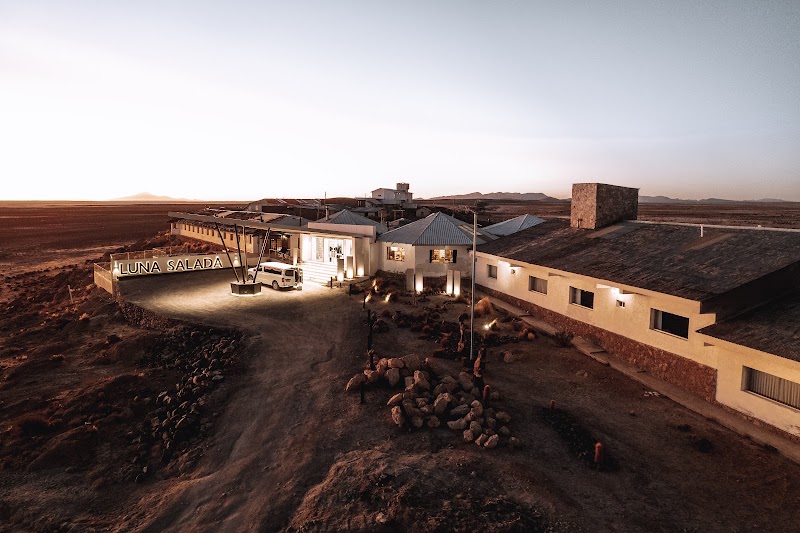
Hotel Luna Salada: Salt-built stay beside Uyuni’s flats
A distinctive salt-block hotel with sweeping Salar de Uyuni views, polished common areas and a price that attracts regular criticism.

Bolivia · Coimata
Cascada de Coimata: Pools and Waterfall Near Tarija
Public reviews describe an easy, scenic escape near Tarija, with natural pools, a waterfall and a rougher path at the final approach.

Bolivia · Rurrenabaque
Native Tours Rurrenabaque: Wildlife With a Local Guide
Public reviews praise Native Tours for knowledgeable, conservation-minded guiding across the Pampas and rainforest near Rurrenabaque, Bolivia.

Bolivia · Vallegrande
La Pajcha: A Remote Waterfall Near Vallegrande
La Pajcha rewards travellers willing to tackle rough roads with swimming, camping and quiet wilderness far from the main tourist route.