Tiwanaku Archaeological Complex: History With a Guide
Ancient stonework, museums and unresolved questions reward travellers who make the long journey from La Paz with an experienced guide.
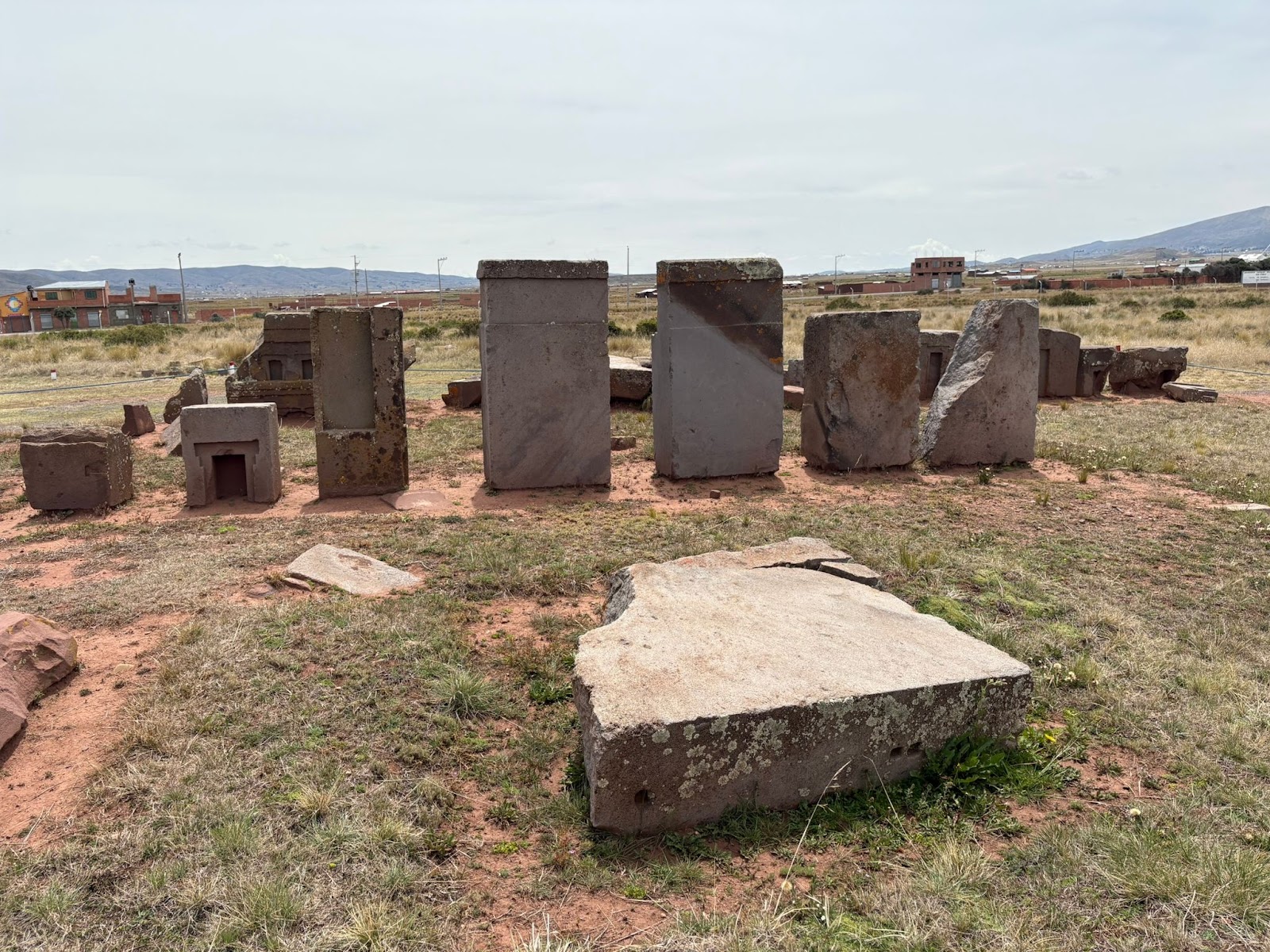
More photos
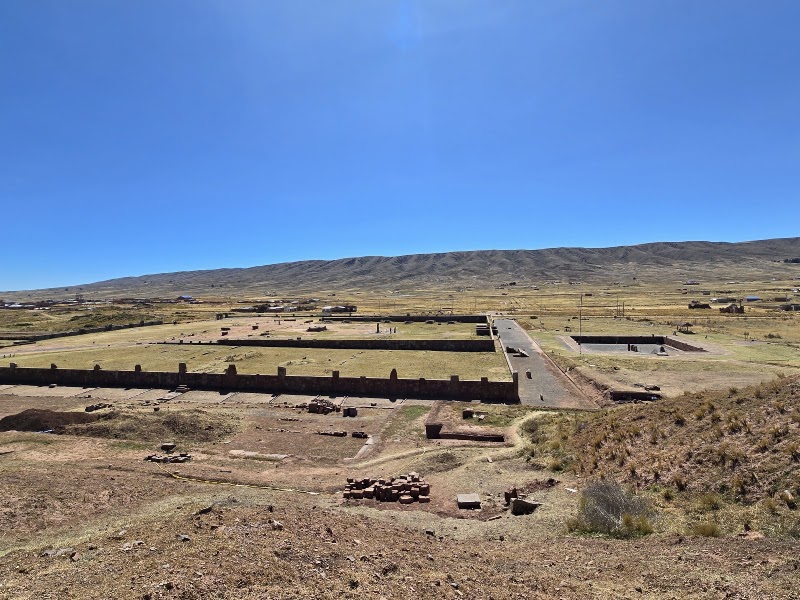
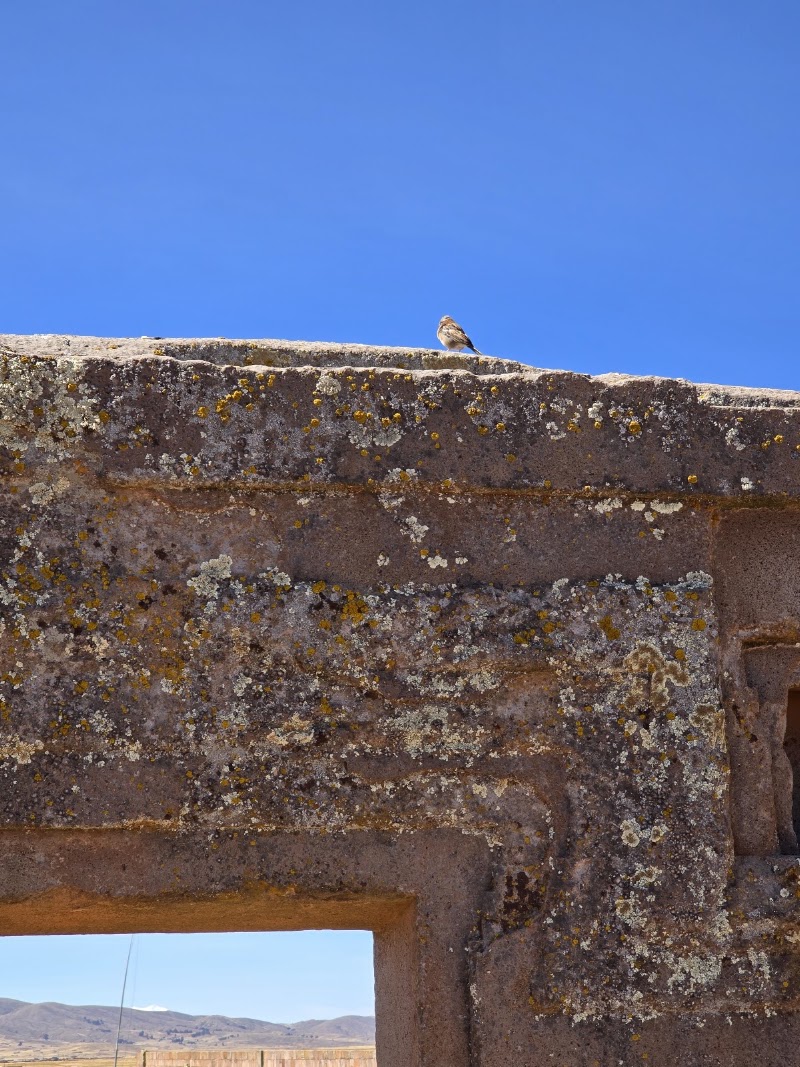

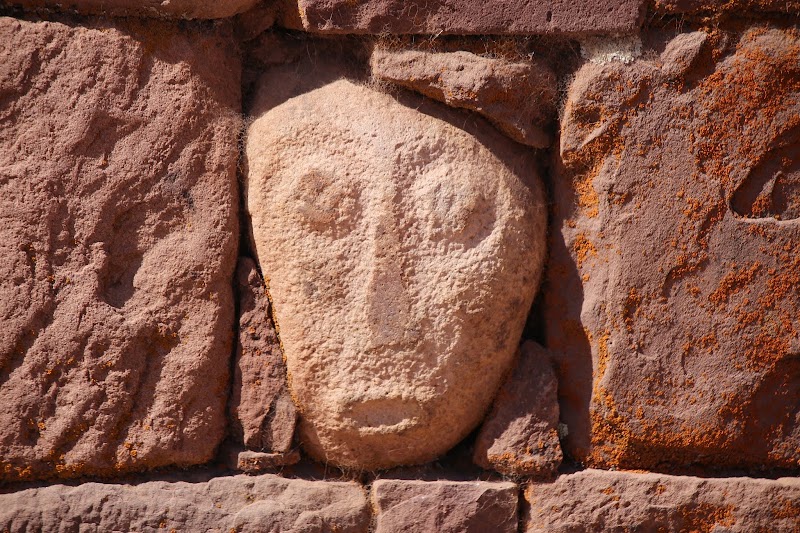
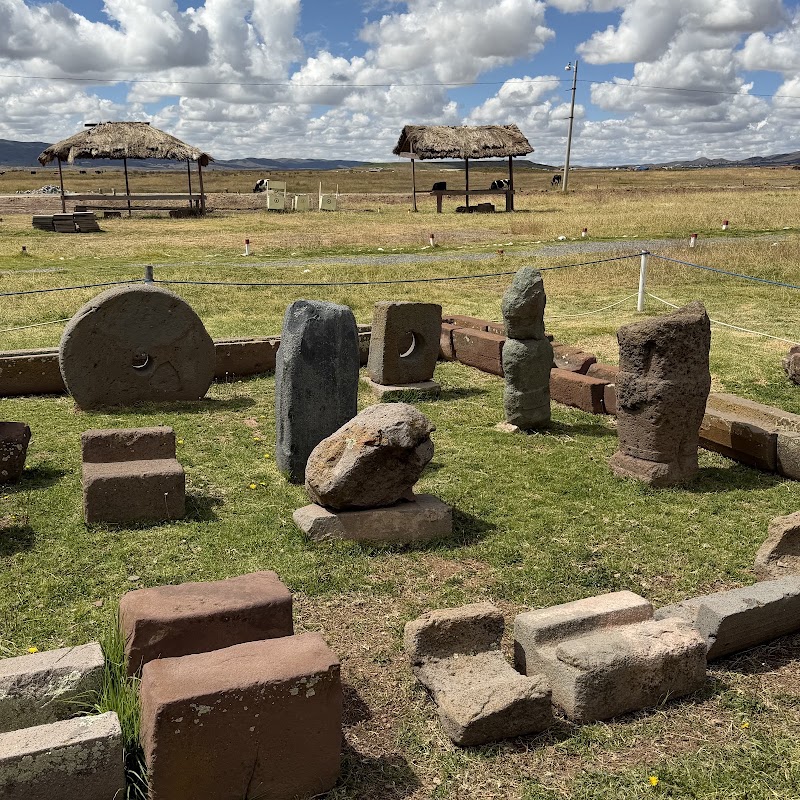
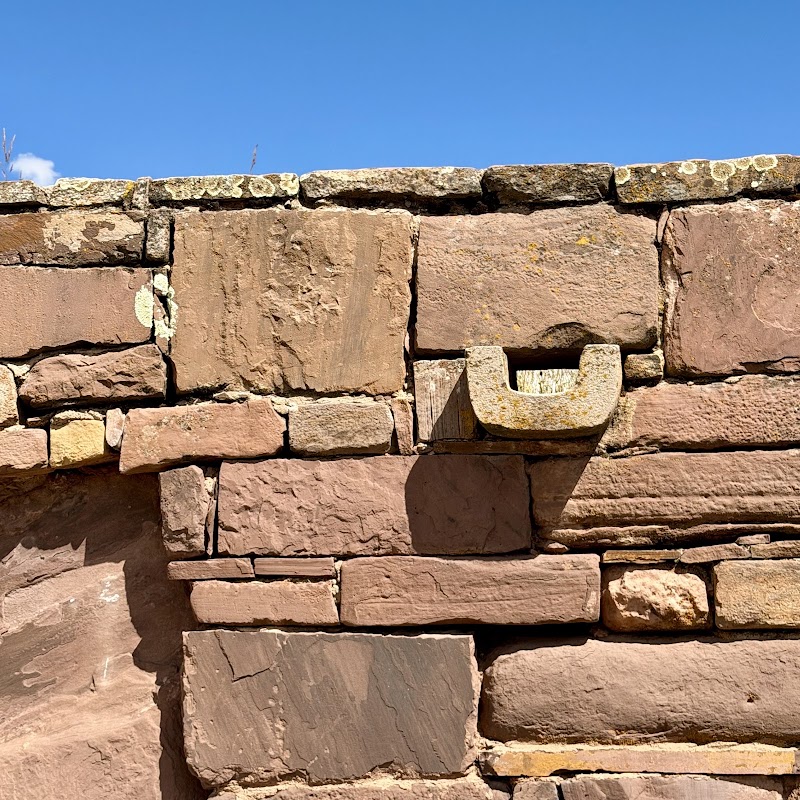
Photos published by travelers on Google, not AI generated.
What stands out
- Guide-led archaeological interpretation
- Significant pre-Inca cultural site
- Outdoor ruins and museums
- Reconstructed sections retaining their overall form
- Monumental stonework at Puma Punku
Worth knowing
- Long drive from La Paz
- Numerous speed bumps on the route
- Limited context when visiting without a guide
Don't miss
What comes up most in public reviews
- Hire a guide for the site and museums
- Visit the museum collections
- Examine the reconstructed sections
- See the monumental blocks at Puma Punku
Worth the trip?
Why it stands out
Tiwanaku Archaeological Complex ranks among Bolivia’s most significant archaeological attractions. The visit combines a large outdoor site with museums that help explain the civilisation behind it. A Google rating of 4.7 from 189 reviews points to strong visitor enthusiasm, especially from travellers drawn to ancient cultures and monumental stonework.
Public reviews often focus on Tiwanaku’s historical importance. The culture flourished long before the Inca and lasted for many centuries, while the structures excavated and visible today make up only part of a much larger archaeological landscape. That partial view is part of the appeal. It also leaves many interpretations provisional, not settled fact.
Some reviewers call Tiwanaku mysterious, usually when discussing the size of the stone blocks and how they were moved. Such sweeping claims reflect traveller fascination rather than archaeological consensus. The sounder reason to visit is straightforward: this is a major pre-Inca ceremonial centre, and much about it remains unknown.
A guide makes the difference
One point comes through particularly clearly in public reviews: hiring a guide improves the visit. Travellers exploring independently report limited explanation around the site. Those who went with a guide found it easier to make sense of the architectural details, reconstructed sections and links between the ruins and museum collections.
Tiwanaku does not always make an immediate impression. Without interpretation, its monumental platforms and carved stones may seem like disconnected features. A knowledgeable guide can outline what archaeologists believe each area represented, while separating evidence from hypothesis. That matters here. Unanswered questions have often encouraged exaggerated theories.
The museums deserve time as well, rather than being skipped in favour of a quick outdoor photo stop. According to reviews, seeing the artefacts and displays alongside the archaeological remains gives visitors a fuller account of the Tiwanaku culture.
Reconstruction and atmosphere
The complex contains both original remains and reconstructed elements. Reviews acknowledge that some parts have been rebuilt, but most still find the overall form and atmosphere compelling. Travellers looking for an entirely untouched ruin could come away disappointed. For visitors trying to understand the site’s intended scale and layout, however, the reconstruction can be useful.
Puma Punku is often included in the wider Tiwanaku experience. Reviewers single it out for its enormous, precisely worked blocks. It also makes the broader setting easier to grasp: the visible complex belongs to a wider cultural and archaeological landscape, not an isolated monument.
Is the journey worthwhile?
Reviews describe the journey from La Paz as long, with numerous speed bumps along the route. Even so, travellers consistently consider the trip worthwhile. Tiwanaku works better as a substantial excursion than as a quick detour, with several hours set aside for the ruins, museums and guided interpretation.
The site is best suited to history-focused travellers, rather than visitors expecting a polished attraction that explains itself. Its strongest qualities are significance, scale and intellectual intrigue. With a guide, the surviving architecture and museum material offer a rewarding introduction to one of the Andes’ most influential ancient cultures.
Ask anything
Looking for somewhere else?
Keep exploring around Tiwanaku
More from Bolivia
Bolivia · Tiwanaku
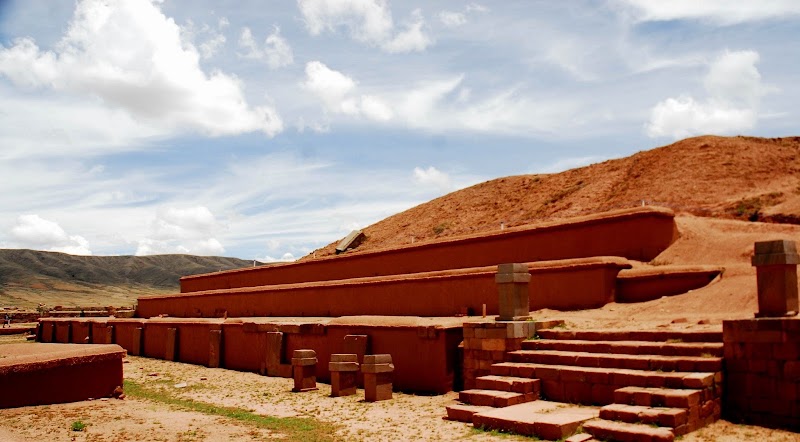
Akapana Pyramid: Tiwanaku’s Monumental Pre-Inca Ruin
A vast, partially excavated pyramid whose surviving platforms offer a powerful introduction to the scale and ambition of ancient Tiwanaku.
Bolivia · San José de Chiquitos
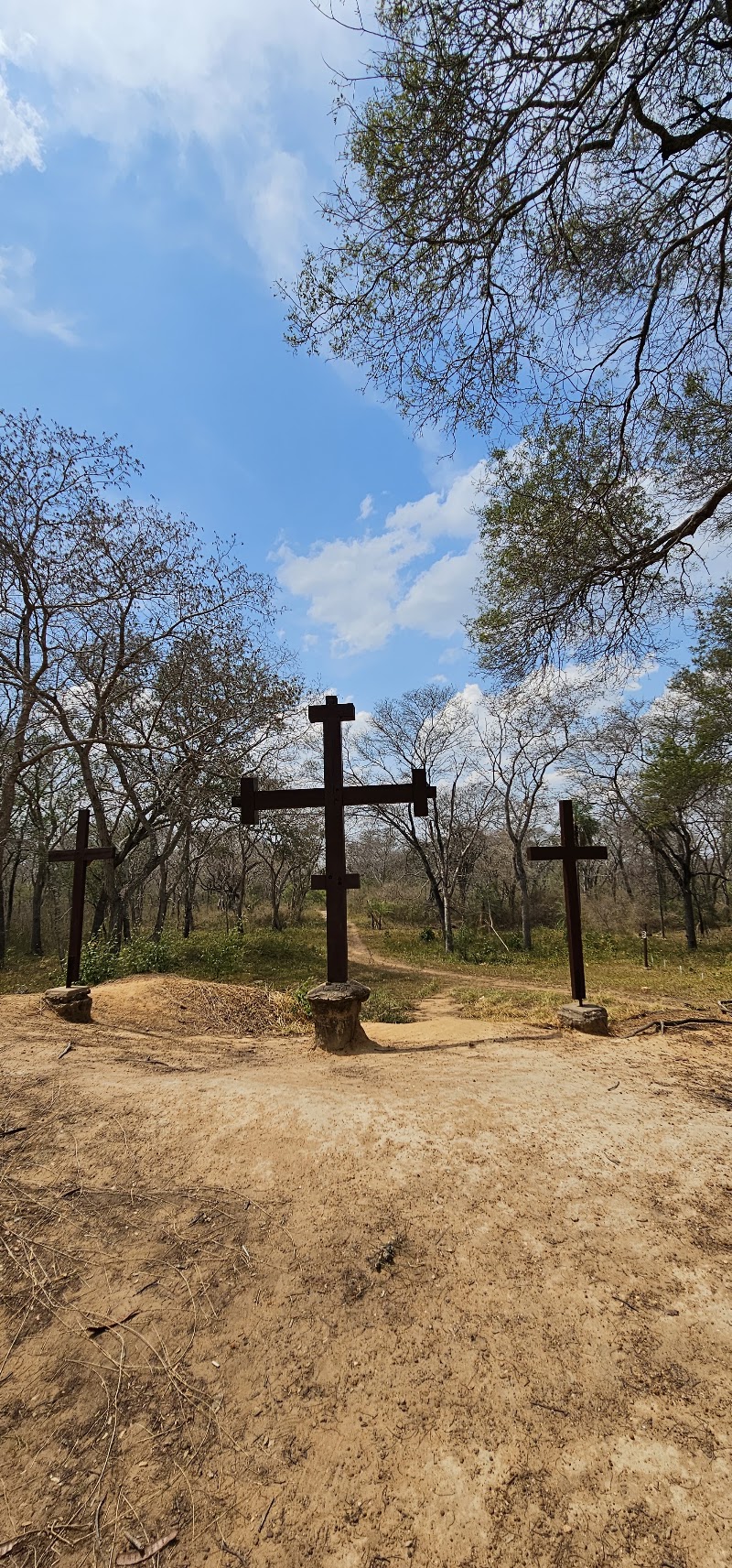
Santa Cruz La Vieja Park: History With Rough Edges
This historically important site near San José de Chiquitos combines an accessible trail and archaeological ruins with limited signage and uneven upkeep.
Bolivia · La Paz
Gravity Bolivia: A Well-Run Ride Down Death Road
Strong safety briefings, attentive guides and quality bikes underpin Gravity Bolivia’s full-day descent from high-altitude cold to tropical forest.

Bolivia · Santa Cruz de la Sierra
Nick's Adventures Bolivia: Wildlife-led expeditions
Strong reviews point to passionate guides, flexible planning and immersive wildlife trips beyond Santa Cruz de la Sierra.