That Dam Stupa: A Brief Historic Stop in Vientiane
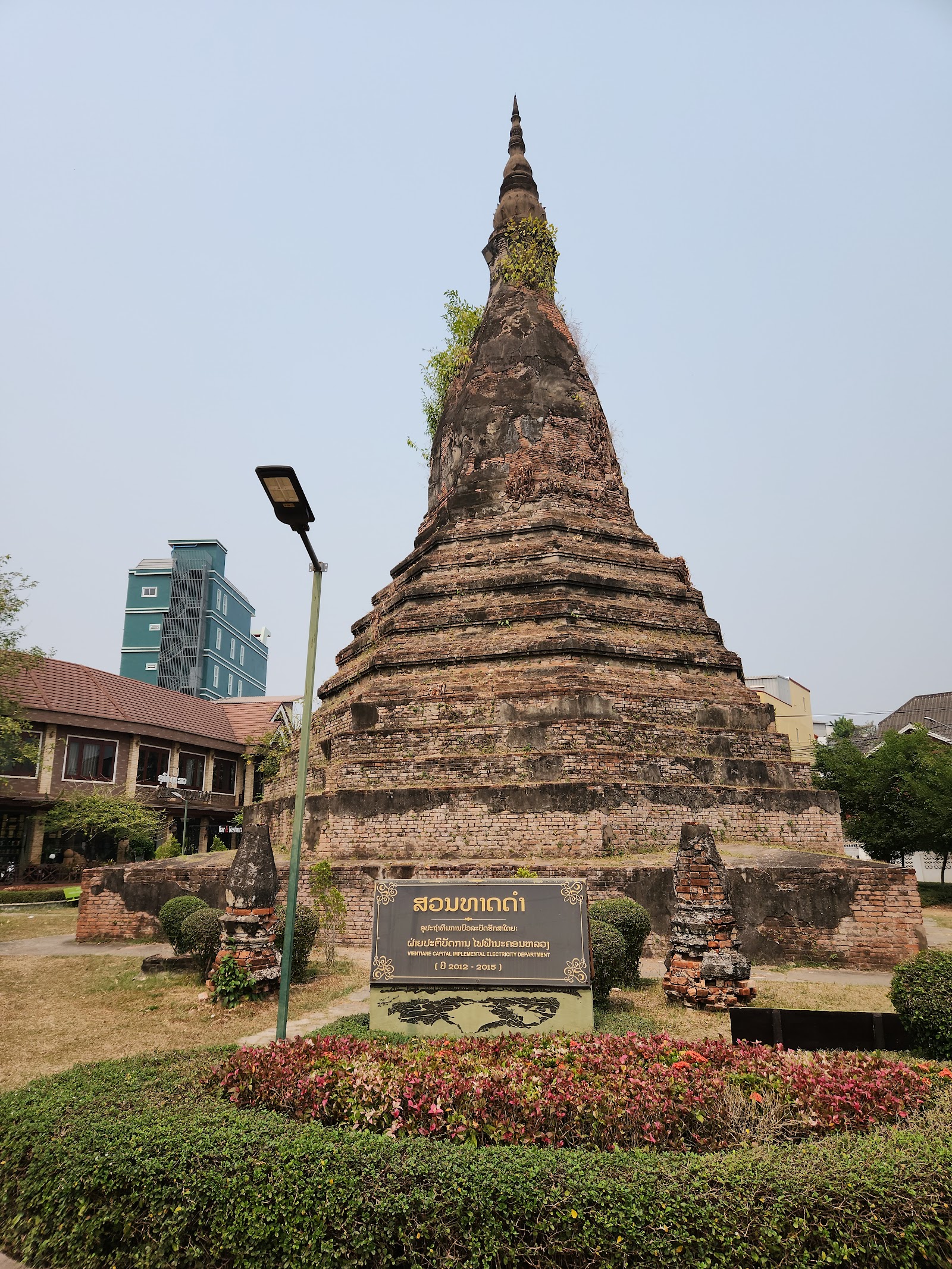
This weathered brick stupa rewards historically curious visitors, though its roundabout setting and limited features make it a short sightseeing stop.
More photos
Photos published by travelers on Google, not AI generated.
What stands out
- Weathered brick stupa
- Historic significance to local people
- Contrast with surrounding urban architecture
- Nearby cafes with stupa views
- Late-afternoon birds and sunset
Worth knowing
- Little to see beyond the stupa
- Some reviewers find it poorly maintained
- Not generally considered worth a special trip
Don't miss
What comes up most in public reviews
- Ask a guide about the stupa’s local history
- View the brick structure from a nearby cafe
- See the contrast with surrounding architecture
Worth the trip?
A historic ruin in the modern city
That Dam Stupa is an old brick structure standing amid Vientiane’s contemporary streets and French-influenced architecture. Based on its Google rating of 4 from 1560 reviews, public opinion is broadly positive but measured. Travellers appreciate its local significance, unusual urban setting and atmospheric appearance, while many stress that there is little to explore beyond the monument itself.
The stupa is essentially a weathered ruin rather than an elaborate, restored religious complex. Its darkened bricks, simple form and visible age give it character, particularly when contrasted with the surrounding city. Some reviewers describe it as beautiful or majestic, while others find it plain and poorly maintained. Expectations matter: visitors looking for ornate decoration, extensive grounds or a long list of things to see may leave underwhelmed.
Why context makes the difference
Several reviews suggest that That Dam becomes more engaging when its history is explained. One account describes it as a surviving structure associated with the invasion and sack of Vientiane by Siam in 1827, though that claim is presented in the review as local tradition rather than independently verified fact. A knowledgeable guide can help place the monument within the city’s history and explain why it remains significant to local people.
Without that context, the visit can feel like little more than a pause beside a brick stupa in a roundabout. This is not an attraction that demands a dedicated journey for most travellers. It works better as a detour while walking through central Vientiane, especially for those already exploring nearby streets or architecture.
Cafes, trees and late-afternoon atmosphere
The surrounding area adds much of the appeal. Multiple reviewers mention nearby cafes, making it possible to sit with a drink and look toward the stupa rather than simply circling it and leaving. Restaurants in the area are also described as serving a mixture of Western and Lao food, with at least one reviewer characterising the dining as budget friendly.
Late afternoon appears particularly pleasant. One review notes fruit trees, gathering birds and a beautiful sunset, while another recommends relaxing at a cafe with a view of the monument. These details suggest that the stupa is best treated as part of a slower urban break rather than a major standalone sight.
Editorial verdict
That Dam Stupa suits history-minded travellers, photographers interested in contrasts between old masonry and modern streets, and walkers who enjoy brief cultural stops. It is less suitable for visitors seeking a polished heritage attraction or extensive interpretation on site.
A short visit is usually sufficient, with extra time worthwhile only for a cafe stop or guided explanation. The structure’s strongest qualities are its local significance, aged brickwork and place within the everyday cityscape. It should be included when the route already passes nearby, but public reviews do not support making it the centrepiece of a Vientiane itinerary.
Plan the rest of the trip
Ask anything
Looking for somewhere else?
Keep exploring around Vientiane
More from Laos
Laos · Luang Prabang
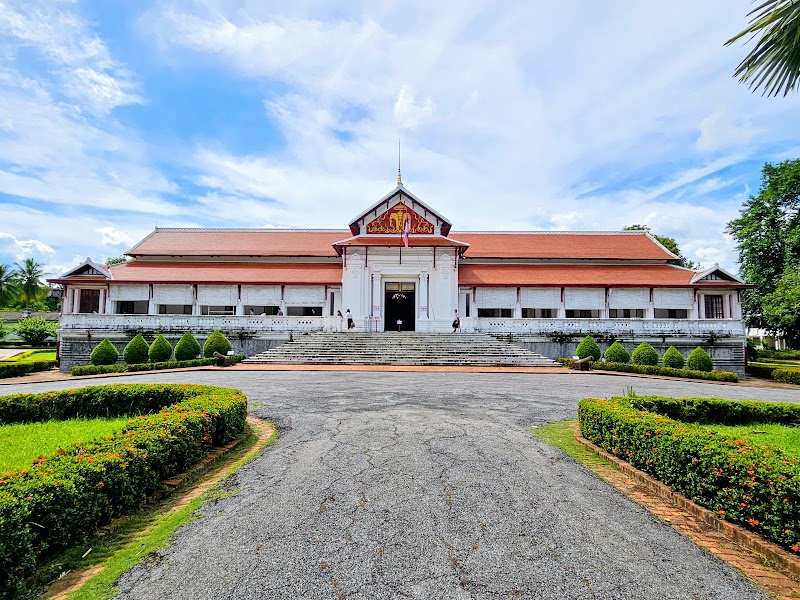
Royal Palace & National Museum: Luang Prabang’s Royal Story
This former royal residence gives visitors useful context on Laos’ monarchy, religion and cultural identity, but strict entry rules and crowds shape the experience.
Laos · Vientiane
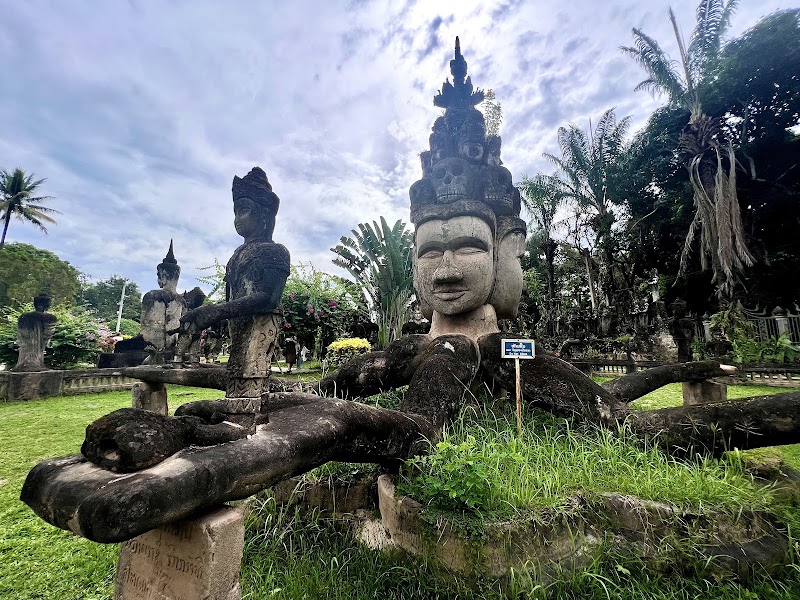
Buddha Park: Vientiane’s Unusual Sculpture Stop
Buddha Park sits outside Vientiane, but its unusual sculptures, walkable grounds and climbable structures make the half-day trip worthwhile.

Laos · Luang Prabang
Phousi Hill: Luang Prabang’s Short Climb to Wide Views
Public reviews consistently praise Phousi Hill for its shaded stair climb, temple setting and sweeping views, though sunset crowds can overwhelm the summit.
Laos
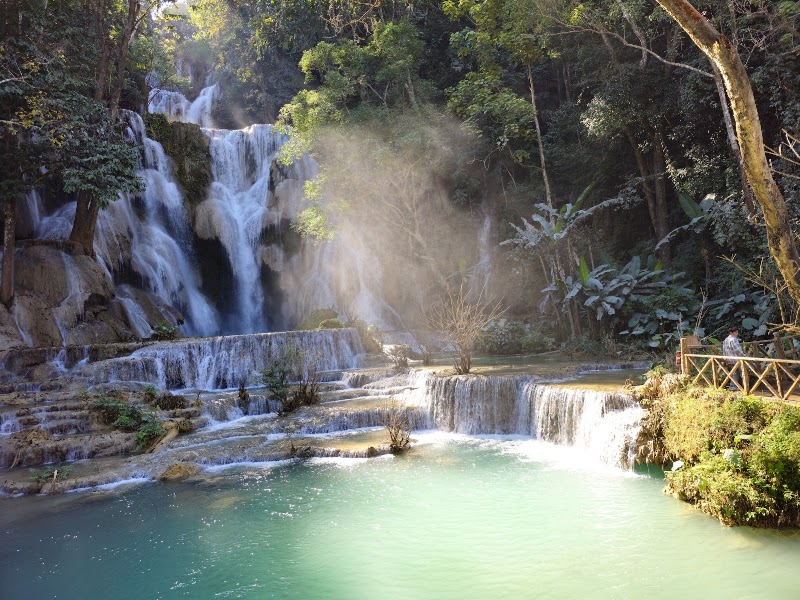
Kuang Si Waterfall: Turquoise Pools Near Luang Prabang
Kuang Si Waterfall pairs striking turquoise pools with a bear sanctuary, making it one of the strongest half-day outings near Luang Prabang, Laos.