Wat Sisaket: Vientiane’s Surviving Temple Museum
Wat Sisaket pairs an early nineteenth-century temple with a museum of Buddha sculptures, making it a focused stop in central Vientiane.
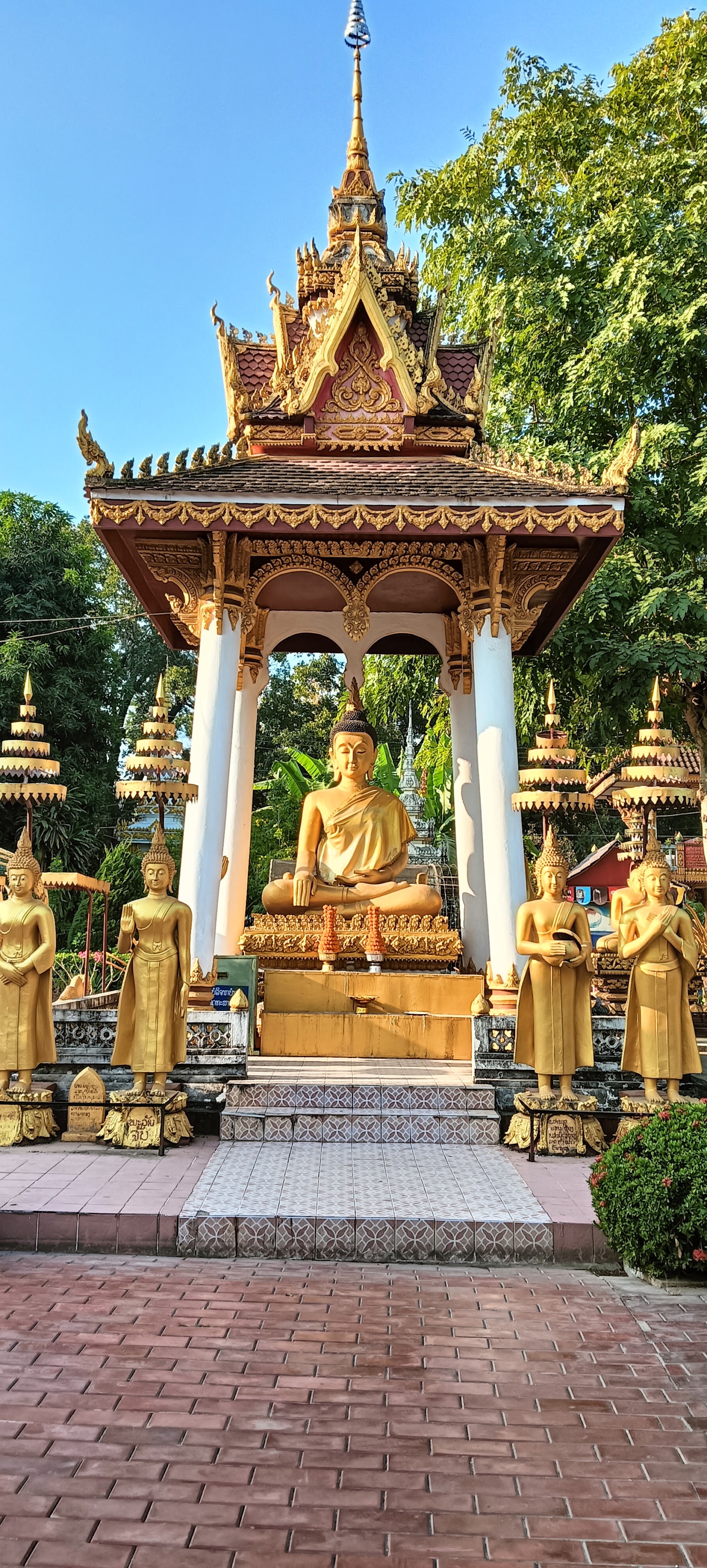
More photos
Photos published by travelers on Google, not AI generated.
What stands out
- Surviving temple dating to 1818–1824
- Museum with more than 10,000 Buddha sculptures
- Old Buddha niches around the cloisters
- Siamese-influenced architecture and enclosed courtyard
- Well-preserved historic temple complex
Worth knowing
- Some reviewers find it understated
- Admission is required for the museum
- Visitor arrangements are not established in the available reviews
Don't miss
What comes up most in public reviews
- Inspect the Buddha niches
- Walk the enclosed courtyard
- See the museum collection
- Look closely at the multi-tiered roof
- Ask about the oldest building
Worth the trip?
What the reviews show
Wat Sisaket has a 4.4 rating from 2,906 Google reviews, with public comments placing its appeal in the building’s age, survival and collection of Buddha images. Reviewers consistently describe it as one of the oldest surviving temples in Vientiane. It was built between 1818 and 1824 during the reign of King Anouvong.
Its historical importance is tied to the destruction of Vientiane in 1828, when Siamese forces devastated much of the capital. Public reviews identify Wat Sisaket as the only temple in Laos to survive that attack. Several comments connect this survival to the building’s Siamese-influenced design, including its multi-tiered roof and enclosed courtyard.
Inside the temple compound
The site now functions partly as a museum. Reviewers mention more than 10,000 Buddha sculptures in different sizes and styles, arranged in niches around the temple and its cloisters. The collection is the main reason to allow more than a quick look. Small images fill the walls, while larger figures occupy the interior and surrounding spaces.
The architecture also earns steady praise. Comments refer to the temple’s layout, old niches and well-preserved appearance. This is not presented as an ornate spectacle in every review. One traveller found it fairly average and said the attraction was worth a short stop when nearby rather than a dedicated excursion. That is a useful expectation to set.
How to plan the visit
Wat Sisaket suits travellers already exploring central Vientiane, especially those interested in religious buildings, local history and museum collections. The reviews support a visit of a few hours, with enough time to walk the courtyard, inspect the Buddha niches and see the oldest parts of the complex.
Public comments indicate that the museum requires admission, but the available reviews do not establish a current price or a complete set of visitor arrangements. Travellers should check the opening details before setting out. The site is described as a place of worship as well as a tourist attraction, so modest clothing and quiet behaviour are sensible.
The verdict
Wat Sisaket is strongest as a compact historical visit. Its survival gives the site unusual weight, and the concentration of Buddha sculptures makes the museum more substantial than the exterior first suggests. The experience may feel understated to visitors expecting dramatic decoration, but the courtyard, niches and long history reward close attention.
For most itineraries, it works best alongside other Vientiane sights rather than as the sole purpose of a day. The public rating shows broad approval, while the more reserved reviews point to a straightforward reality: this is a meaningful stop, not necessarily an elaborate one.
Plan the rest of the trip
Ask anything
Looking for somewhere else?
Keep exploring around Vientiane
More from Laos
Laos · Vientiane
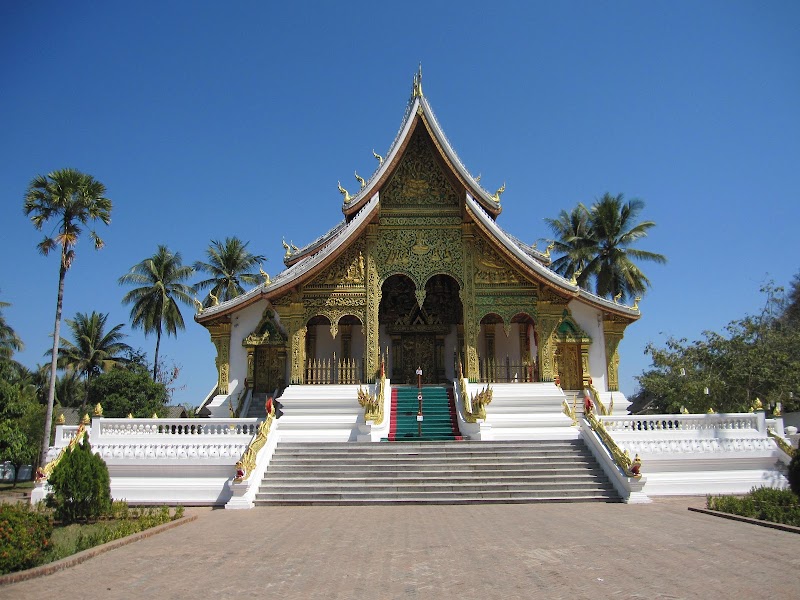
Ho Phrakeo Museum: A Brief, Quiet Look at Vientiane’s Past
This small religious art museum rewards visitors interested in Buddhist history, carved wood and Vientiane’s royal connections.
Laos · Vientiane
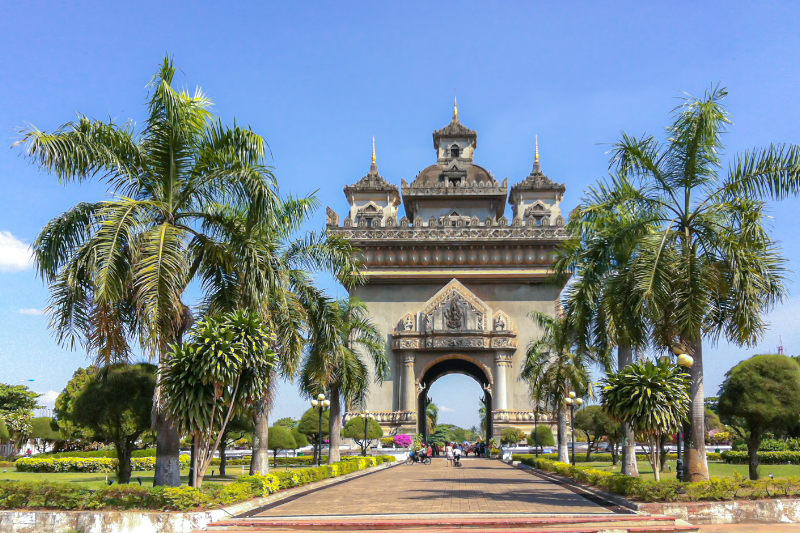
Patuxay Park: Vientiane’s Landmark for City Views and History
Patuxay Park pairs a symbolic Vientiane monument with fountains, open paths and a climb to broad city views.
Laos · Vientiane
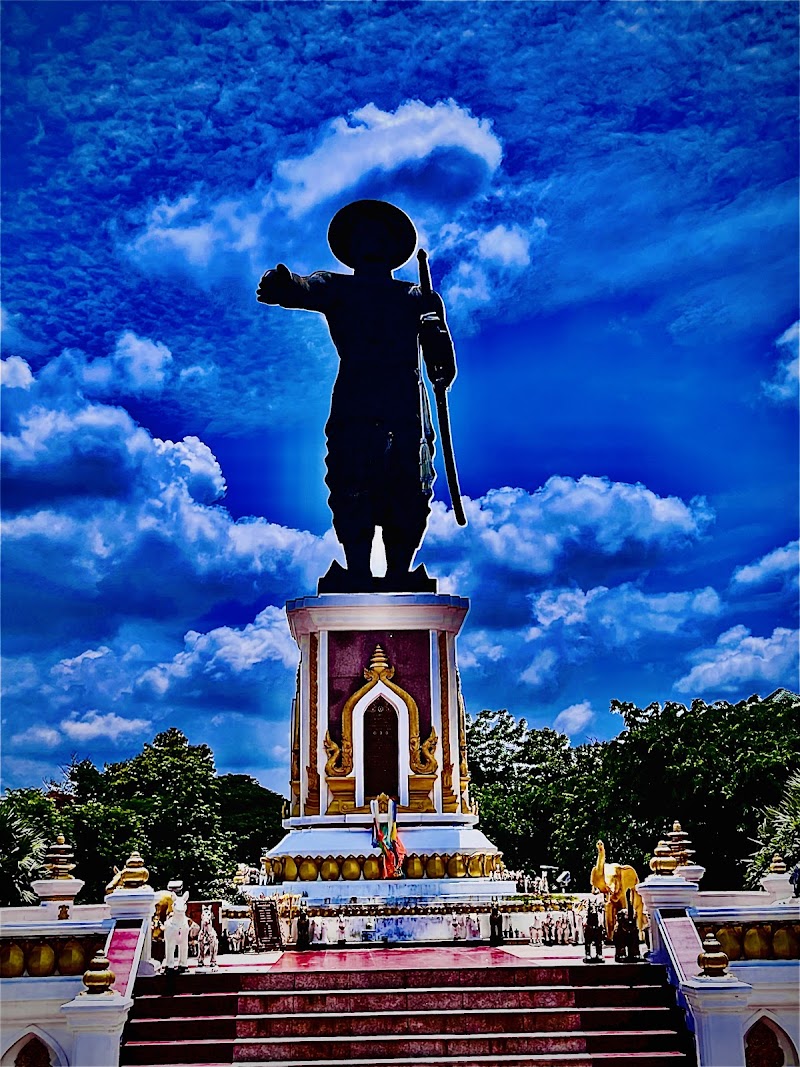
Chao Anouvong Park: A Riverside Pause in Vientiane
Public reviews describe a spacious, well-kept park beside the Mekong, valued for sunset walks, open space and an easy route to the riverside market.
Laos · Vientiane
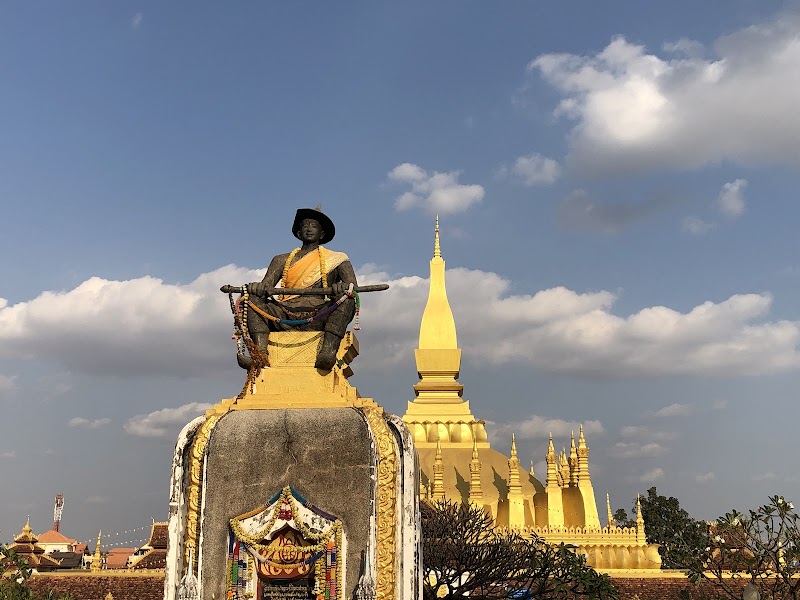
King Setthathirath Statue, Vientiane’s Historic Landmark
Set before Pha That Luang, this well-regarded monument adds historical context to one of Vientiane’s most important religious sites.