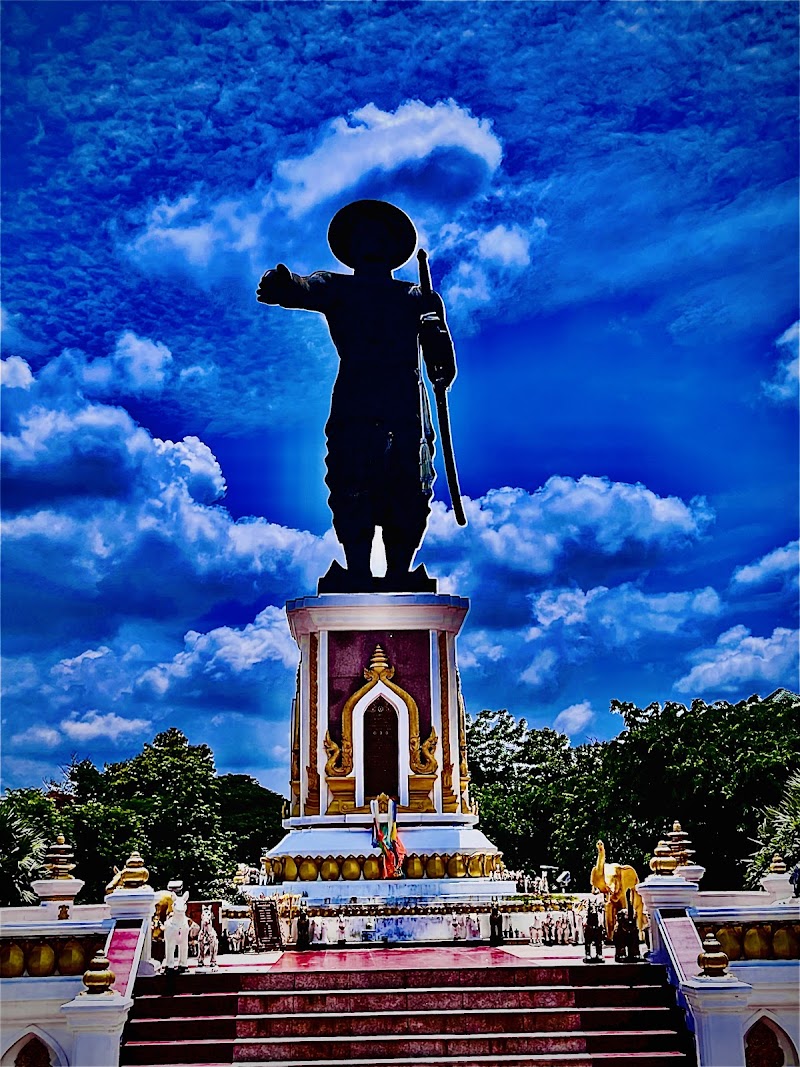
King Setthathirath Statue, Vientiane’s Historic Landmark
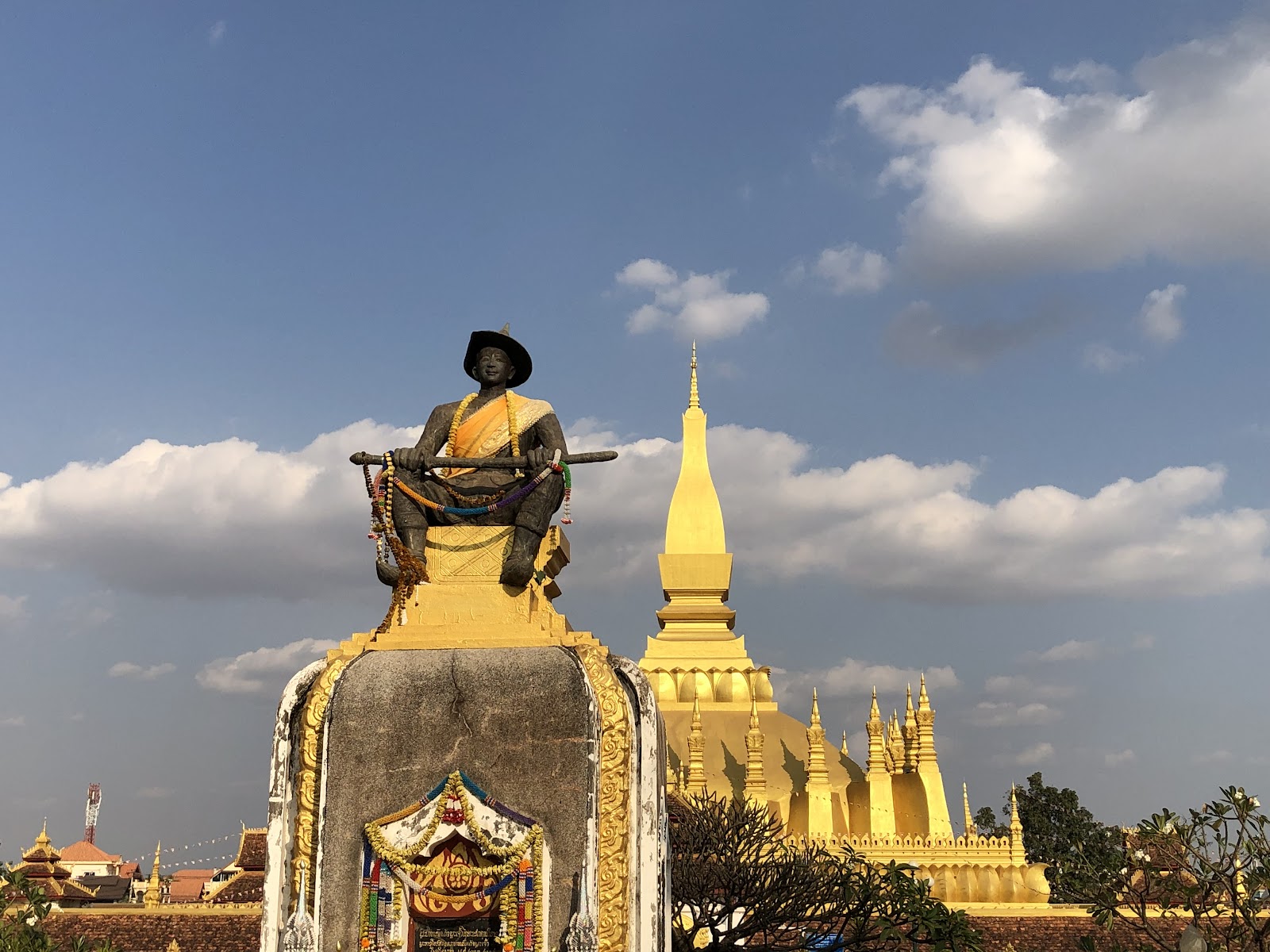
Set before Pha That Luang, this well-regarded monument adds historical context to one of Vientiane’s most important religious sites.
More photos
Photos published by travelers on Google, not AI generated.
What stands out
- Prominent position before Pha That Luang
- Connection to King Setthathirath
- Large historical complex
- Nearby temples, artefacts and statues
- Visually striking monument
Worth knowing
- Some public reviews misidentify the statue as King Anouvong
- The statue itself is a brief stop
Don't miss
What comes up most in public reviews
- See Pha That Luang
- View the statue before the main entrance
- Explore the nearby temples and artefacts
- Look at the other statues and stupas
Worth the trip?
Why visit
The statue of King Setthathirath stands directly in front of the main entrance to Pha That Luang, making it an easy stop for visitors exploring Vientiane’s best-known Buddhist monument. Public ratings give the landmark 4.4 out of 5 from 110 reviews. The strongest pattern in those reviews is its setting. The statue occupies a prominent position in a large historical complex, with the stupa, temples, artefacts and other statues close by.
It is not a standalone attraction that demands a long visit. Its value comes from the way it frames the approach to Pha That Luang and introduces one of the most important rulers in Lao history. Visitors who already plan to see the stupa can take in the monument without adding much time to the itinerary.
The history in brief
King Setthathirath ruled Lan Xang between 1534 and 1571. Public review material describes him as a major Lao leader who defended the kingdom against military campaigns led by the Burmese conqueror Bayinnaung. Reviewers also connect him with Buddhist construction, including Wat Xieng Thong in Luang Prabang.
That background gives the statue more weight than a quick photo stop. It represents a ruler associated with the protection of Lan Xang and the building of important religious monuments. The setting at Pha That Luang reinforces that connection to Laos’s Buddhist and royal history.
Some public reviews incorrectly identify the figure as King Anouvong, a later ruler associated with Vientiane and Lao resistance to Siam in the 1820s. The landmark’s listed name and the more consistent references identify it as the statue of King Setthathirath. Visitors interested in the distinction should check local interpretation at the complex rather than rely on every online caption.
What the visit feels like
Reviewers repeatedly describe the statue as visually striking, particularly because of its placement before the stupa entrance. The surrounding complex supplies the wider experience: visitors can see Pha That Luang, examine nearby statues and artefacts, and continue to temples within the site. The monument works best as part of that circuit.
Its scale and position make it easy to notice. The broad historical setting also gives visitors more to look at after the initial photograph. Those expecting a museum-style attraction or a lengthy guided experience may find the stop brief. The appeal is visual and contextual.
Planning the stop
The statue suits travellers building a cultural itinerary around Vientiane’s major landmarks. It is particularly useful for anyone wanting a concise introduction to Lao royal history before entering Pha That Luang. There is no public price information in the supplied listing, so the cost level cannot be assessed here.
A practical visit starts at the statue, then moves through the main entrance toward the stupa and the wider complex. Visitors should allow time to look beyond the monument itself. The surrounding temples, artefacts and additional statues are part of what reviewers consider worth seeing. For most itineraries, the statue is a short stop within a half-day visit to the area, not a destination requiring a separate excursion.
Plan the rest of the trip
Ask anything
Looking for somewhere else?
Keep exploring around Vientiane
More from Laos
Laos · Vientiane
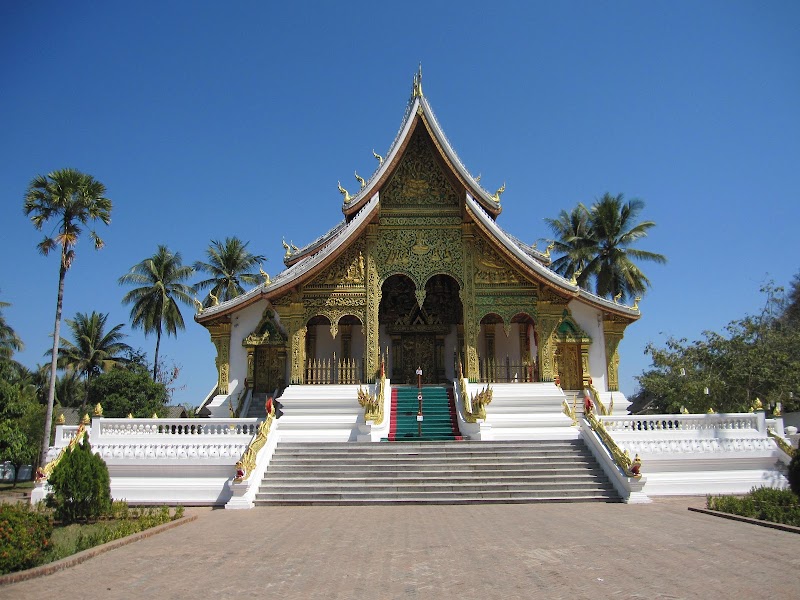
Ho Phrakeo Museum: A Brief, Quiet Look at Vientiane’s Past
This small religious art museum rewards visitors interested in Buddhist history, carved wood and Vientiane’s royal connections.
Laos · Vientiane
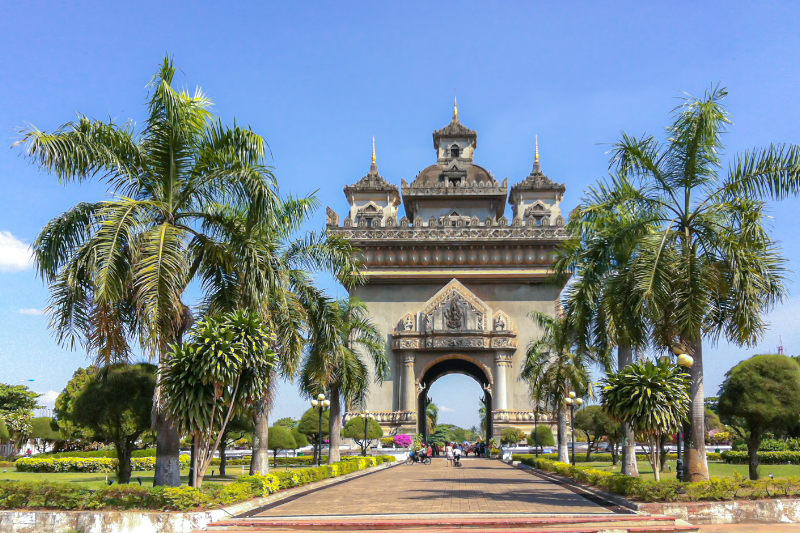
Patuxay Park: Vientiane’s Landmark for City Views and History
Patuxay Park pairs a symbolic Vientiane monument with fountains, open paths and a climb to broad city views.
Laos · Vientiane
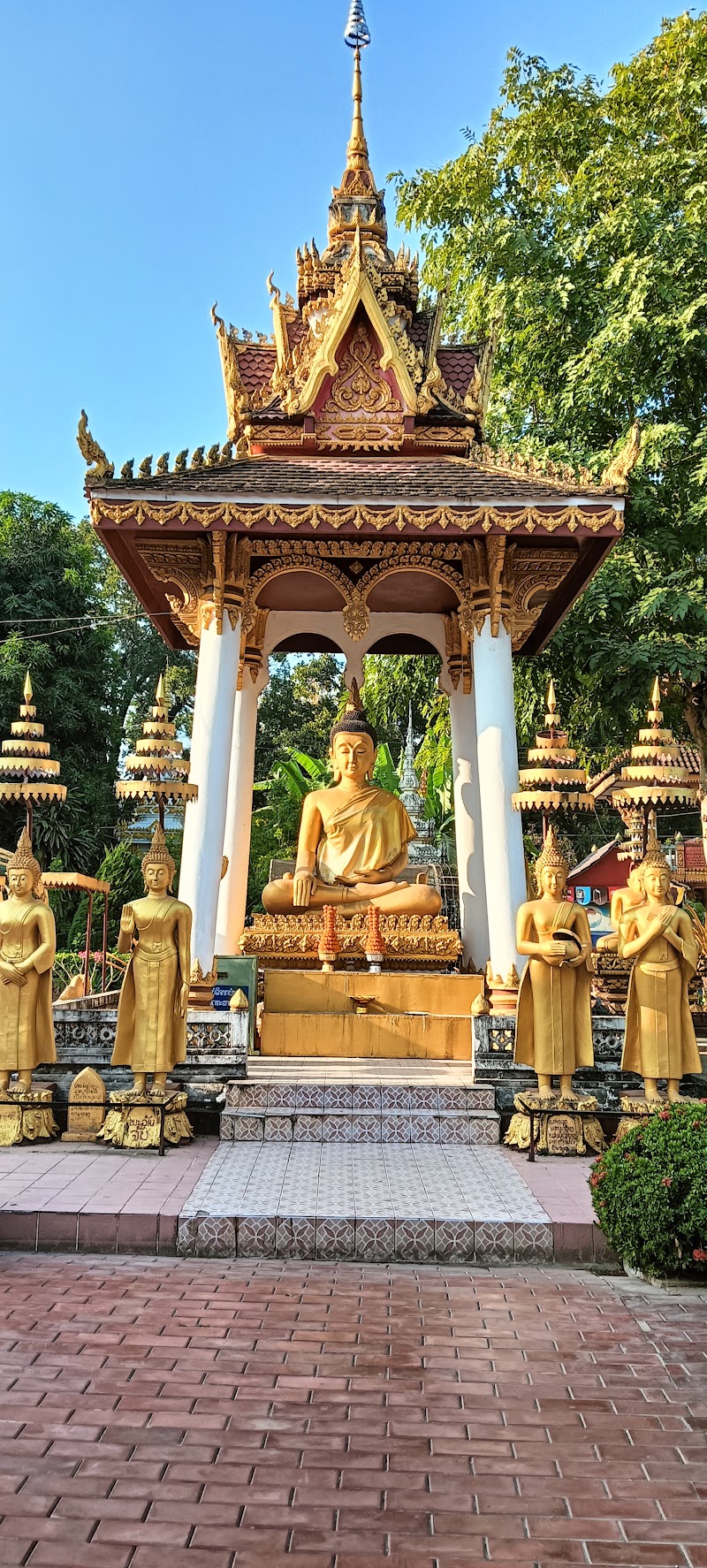
Wat Sisaket: Vientiane’s Surviving Temple Museum
Wat Sisaket pairs an early nineteenth-century temple with a museum of Buddha sculptures, making it a focused stop in central Vientiane.
Laos · Vientiane
Chao Anouvong Park: A Riverside Pause in Vientiane
Public reviews describe a spacious, well-kept park beside the Mekong, valued for sunset walks, open space and an easy route to the riverside market.