Statue of King Anouvong, Vientiane’s Riverside Landmark
A well-regarded monument in Chao Anouvong Park, best paired with an evening riverside walk and the nearby night market.
More photos
Photos published by travelers on Google, not AI generated.
What stands out
- Mekong riverside setting
- Historical Lao monument
- Peaceful park walks
- Night market nearby
- Night-time photography
Worth knowing
- Busy road between the park and photo viewpoints
- Quieter and emptier during the day
- Statue shows some wear
Don't miss
What comes up most in public reviews
- See the statue’s gesture toward Thailand
- Walk through Chao Anouvong Park
- Visit the nearby night market
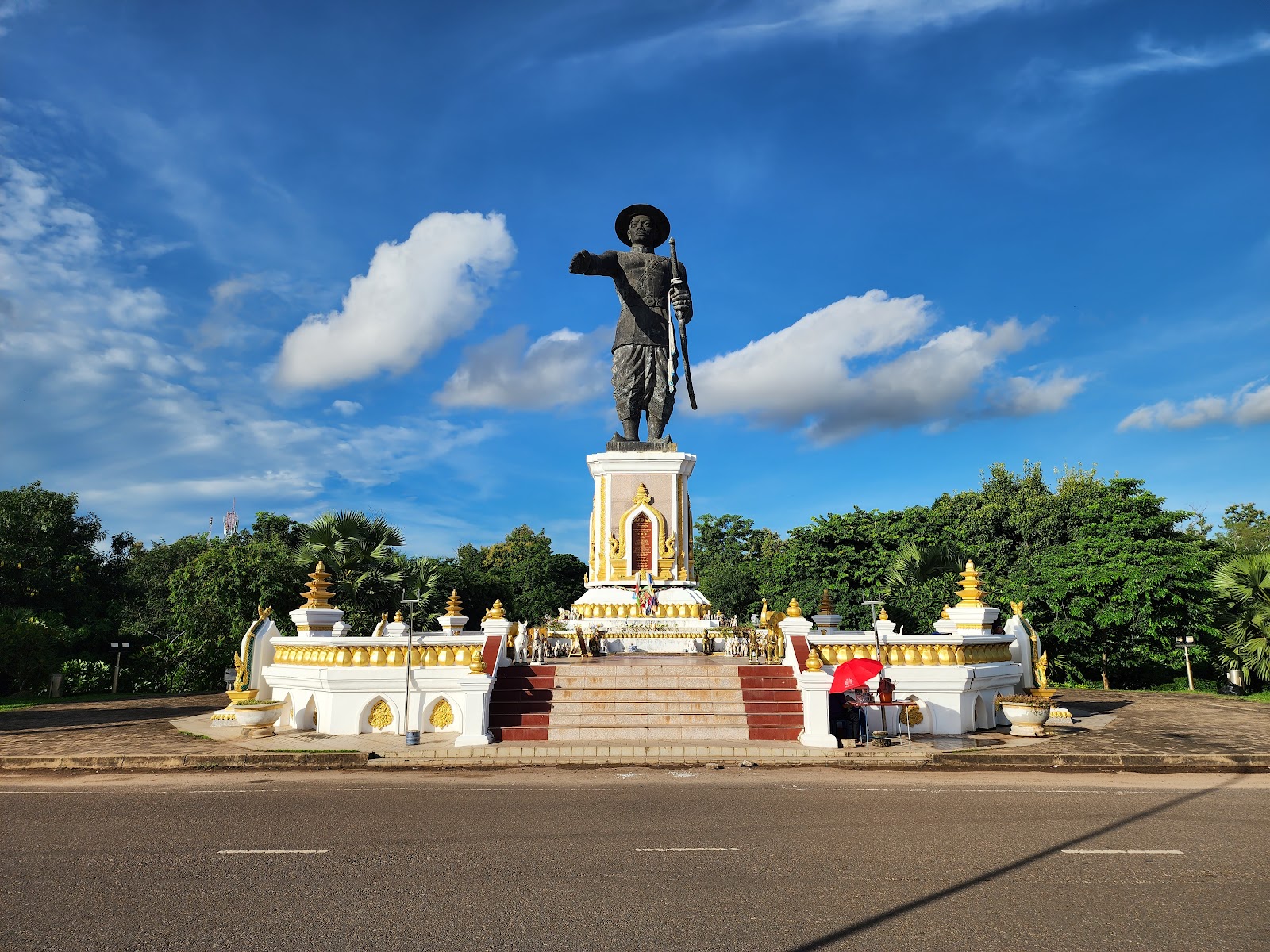
- Look for the surrounding figurines
Worth the trip?
What the reviews show
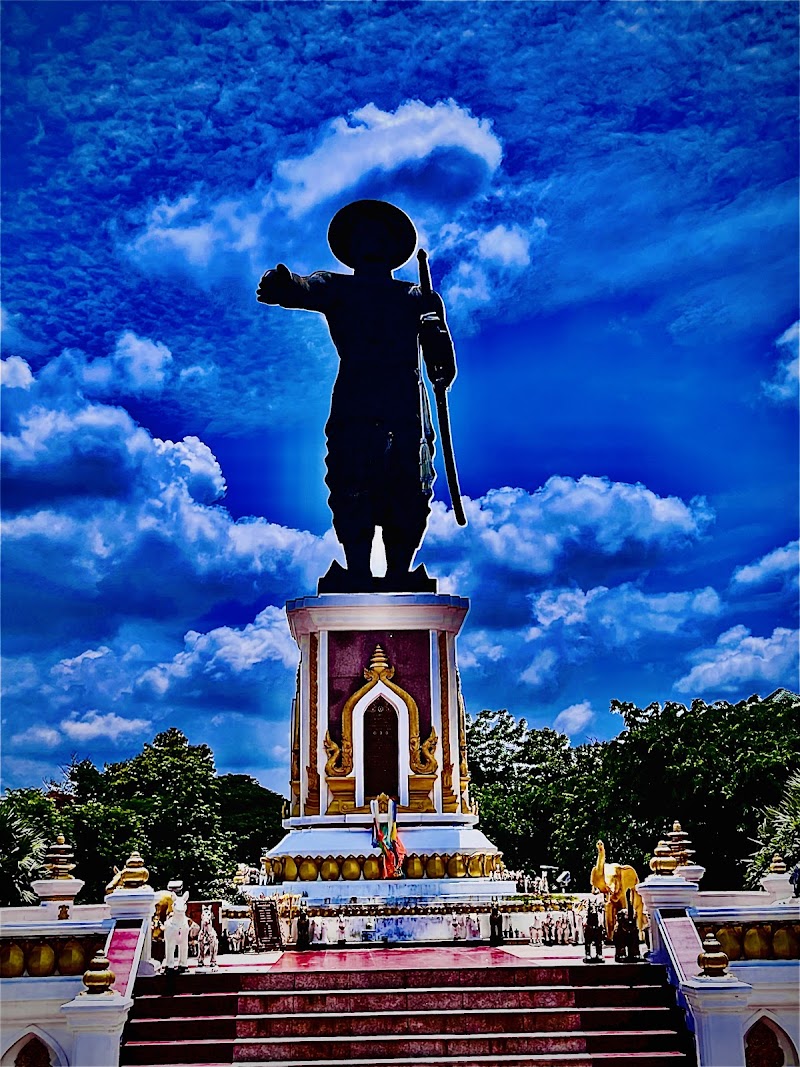
The Statue of King Anouvong is a significant public landmark in Vientiane, standing in Chao Anouvong Park beside the Mekong River. It receives a Google rating of 4.4 from 364 reviews, with visitors generally responding well to its setting, historical importance and evening atmosphere.
Public reviews identify the monument as a tribute to King Anouvong, the last ruler of the Kingdom of Vientiane. One review states that the bronze statue was unveiled in 2010 to mark Vientiane’s 450th anniversary. The figure is shown in traditional armour, with one hand extended toward Thailand across the river. Reviewers read that pose as historically meaningful, though not everyone finds the monument itself compelling enough to justify a dedicated visit.
The setting matters
The park is a large part of the appeal. Reviewers describe the area around the statue as peaceful, clean and suitable for a quiet walk or a moment of reflection. The riverside location gives the landmark a calm backdrop, especially later in the day. Sunset and sunrise views across the road are mentioned positively, although the road itself creates a practical nuisance.
Several reviews say visitors need to cross a busy road to reach the best photo position. One person found the walk from the main streets awkward, with the statue sitting in a small park that can feel disconnected from the surrounding city. This is not presented as a polished museum-style attraction. It is an open public space, and the experience depends heavily on the time of day.
Go after dark
The strongest pattern in the reviews is the contrast between daytime and evening. During the day, the statue and park can feel empty and quiet. After dark, the area becomes more social, with people visiting the monument, praying and walking nearby. The night market and night arcade market are close enough to make the statue an easy stop during an evening outing.
The monument is also described as photogenic at night, despite signs that the statue is somewhat worn. Tennis courts in the park are mentioned by one reviewer, while other visitors appreciate the surrounding figurines and the generally cheerful public atmosphere. The result is a simple, flexible stop rather than a full sightseeing programme.
Who should visit
The statue suits travellers interested in Lao history, public monuments and riverside walks. It works particularly well as part of an evening around Chao Anouvong Park, when the market activity adds energy and the lighting improves the visual appeal. Visitors seeking detailed interpretation should keep expectations modest, since the reviews focus on the monument and atmosphere rather than formal displays or guided information.
A short visit is enough for most people. The strongest case for going is the combination of historical symbolism, Mekong views and nearby evening activity. Travellers who dislike crossing busy roads or prefer major attractions with extensive interpretation may find it less rewarding. Overall, the 4.4 rating reflects a worthwhile city landmark, with the best experience likely after sunset.
Plan the rest of the trip
Ask anything
Looking for somewhere else?
Keep exploring around ວຽງຈັນ
More from Laos
Laos · Vientiane
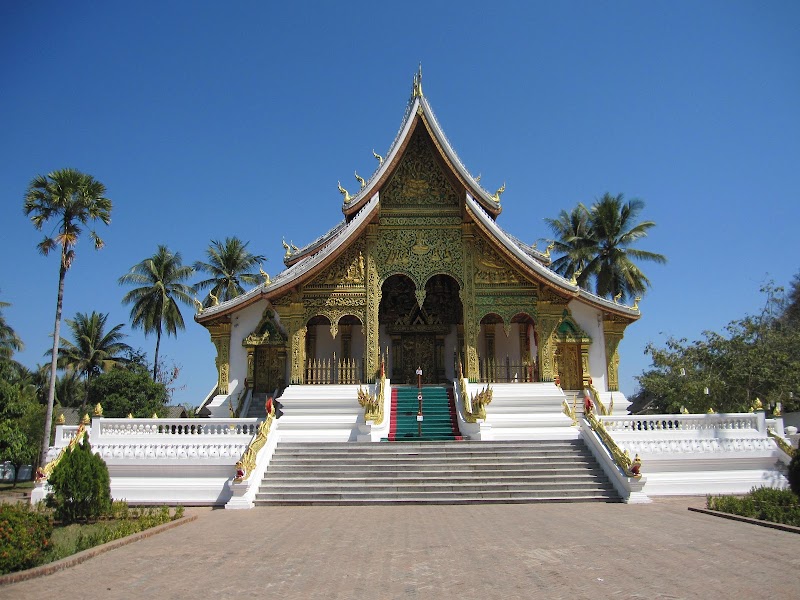
Ho Phrakeo Museum: A Brief, Quiet Look at Vientiane’s Past
This small religious art museum rewards visitors interested in Buddhist history, carved wood and Vientiane’s royal connections.
Laos · Vientiane
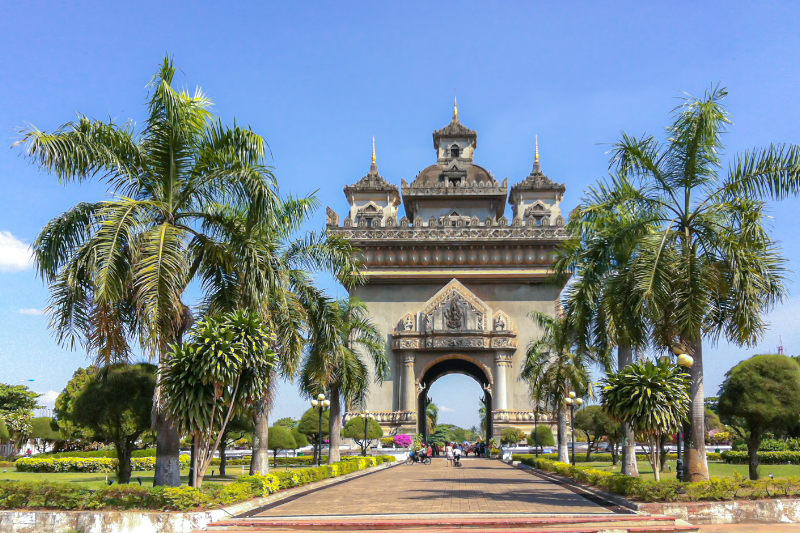
Patuxay Park: Vientiane’s Landmark for City Views and History
Patuxay Park pairs a symbolic Vientiane monument with fountains, open paths and a climb to broad city views.
Laos · Vientiane
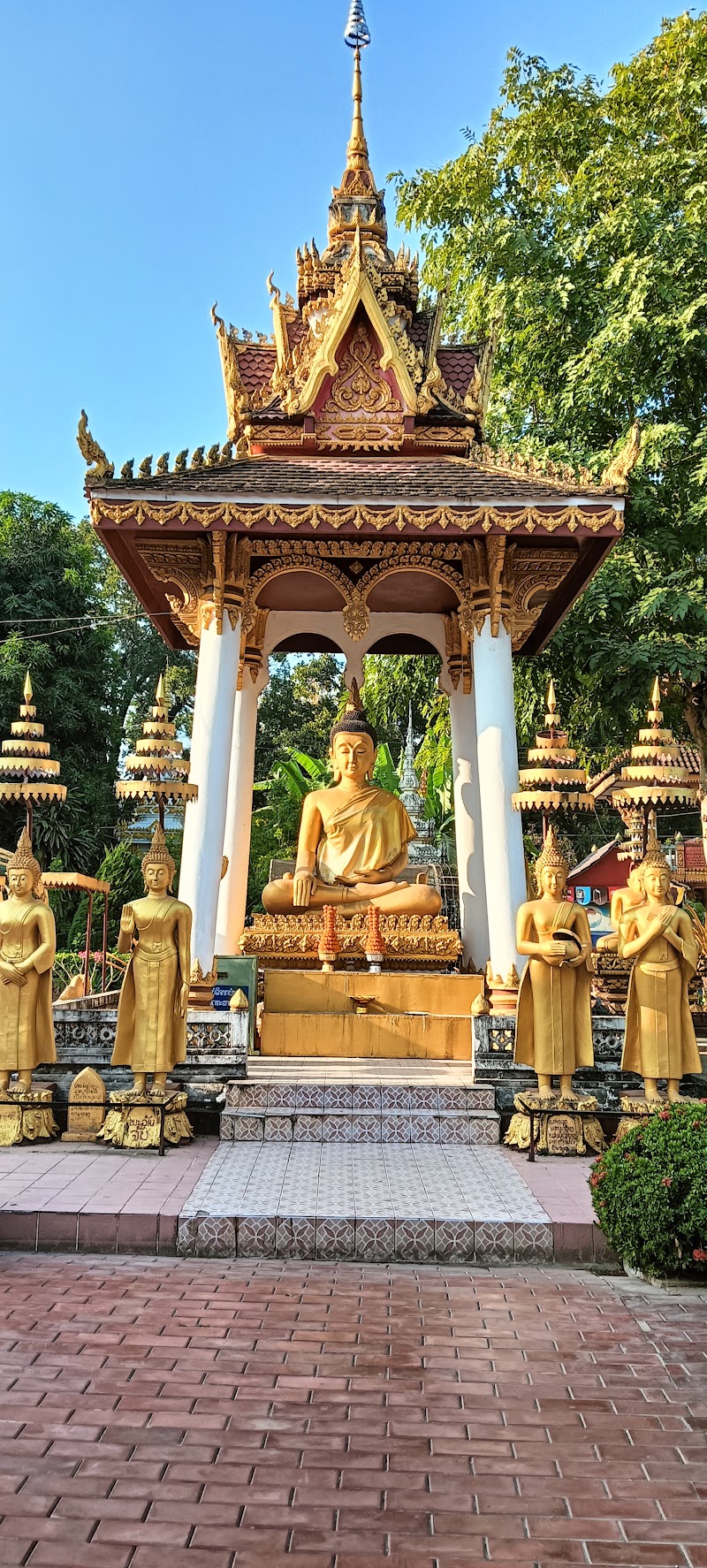
Wat Sisaket: Vientiane’s Surviving Temple Museum
Wat Sisaket pairs an early nineteenth-century temple with a museum of Buddha sculptures, making it a focused stop in central Vientiane.
Laos · Vientiane
Chao Anouvong Park: A Riverside Pause in Vientiane
Public reviews describe a spacious, well-kept park beside the Mekong, valued for sunset walks, open space and an easy route to the riverside market.