Temple of the Three Windows at Machu Picchu
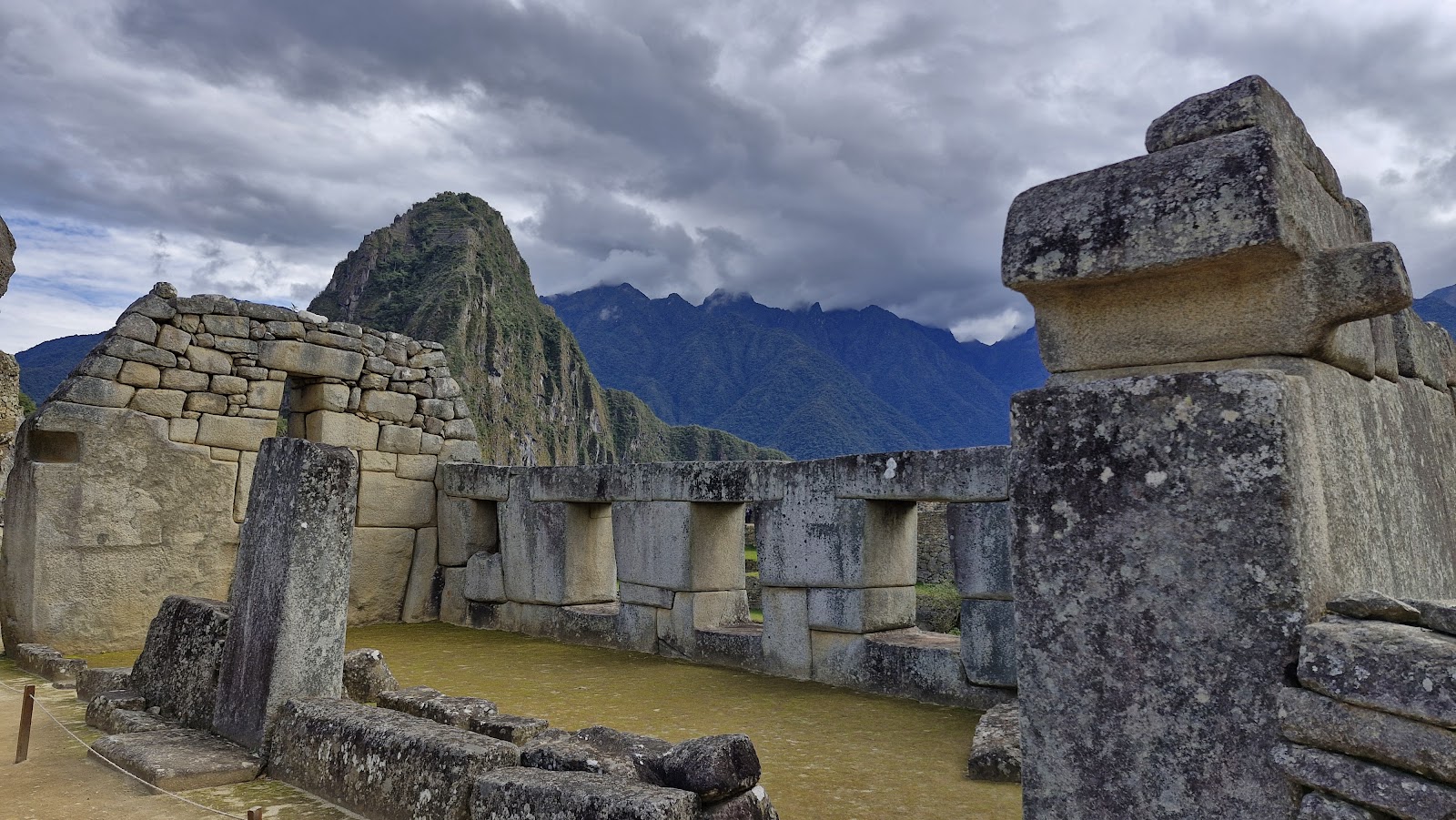
This Sacred Plaza landmark is valued for its precise Incan masonry, trapezoidal windows and setting beside the route to Intihuatana.
More photos
Photos published by travelers on Google, not AI generated.
What stands out
- Three large trapezoidal windows
- Precise Incan masonry
- Views towards the mountains
- Position in the Sacred Plaza
- Route towards Intihuatana
Worth knowing
- Guide explanations may mix evidence with tradition
- Circuit access can depend on current visitor controls
Don't miss
What comes up most in public reviews
- Look closely at the fitted stonework
- View the three windows from the Sacred Plaza
- Follow the steps towards Intihuatana
- Ask which interpretations are documented
Worth the trip?
What the reviews show
The Temple of the Three Windows is one of the most recognised structures in Machu Picchu’s Sacred Plaza. Public reviews give it a Google rating of 4.8 from 243 reviews, with the strongest praise focused on its stonework and position within the ceremonial centre of the site.
Visitors repeatedly describe the three large trapezoidal windows as the defining feature. They face the main plaza and frame mountain views, giving the temple a strong sense of place even during a short stop. Several reviews call the structure beautiful or stunning. The appeal is architectural rather than interactive. There is no suggestion of an interior experience, museum display or separate attraction facilities in the available listing information.
Why it stands out
The masonry receives the most attention. Reviewers point to the precision of the fitted stone and the scale of the surviving structure. One review also notes signs of substantial wooden timbers, prompting speculation about how the building may have looked during different periods of use. That idea is presented as personal imagination, not established fact.
The windows are also linked in visitor accounts to a traditional interpretation involving three mythological caves associated with Incan ancestors. That explanation appears in public review material, though the reviews themselves also caution that stories presented by guides may not always align with what can be established from surviving evidence. The site has no written documentation or hieroglyphic record described in the supplied reviews, so travellers should treat firm claims about its original meaning carefully.
Location within Machu Picchu
The temple forms part of the Sacred Plaza and sits in the Sacred Sector. This makes it easy to combine with nearby features during a wider visit to Machu Picchu. Reviews specifically mention steps leading from the temple towards Intihuatana, the carved ceremonial and astronomical stone known in Quechua as the “place to which the sun is tied”. Intihuatana occupies the highest point in the urban area, according to one public account.
One review says the temple can be seen even when following Circuit 3, known as the Royal Circuit. Route access and viewing conditions can depend on current visitor controls, so travellers should check the official circuit guidance before arrival. The available reviews do not establish a best season or time of day.
Practical verdict
The Temple of the Three Windows suits travellers who want a focused architectural stop within a larger Machu Picchu visit. It does not need a long independent stay. The strongest experience comes from looking closely at the masonry, taking in the three openings and understanding its position beside the Sacred Plaza and Intihuatana route.
Guided interpretation deserves a measured approach. Asking which details are documented and which are traditional interpretations can make the visit more useful. The public response is highly positive, but the attraction’s value depends on being part of a broader archaeological circuit rather than functioning as a standalone destination.
Plan the rest of the trip
Ask anything
Looking for somewhere else?
Keep exploring
More from Peru
Peru · Cusco
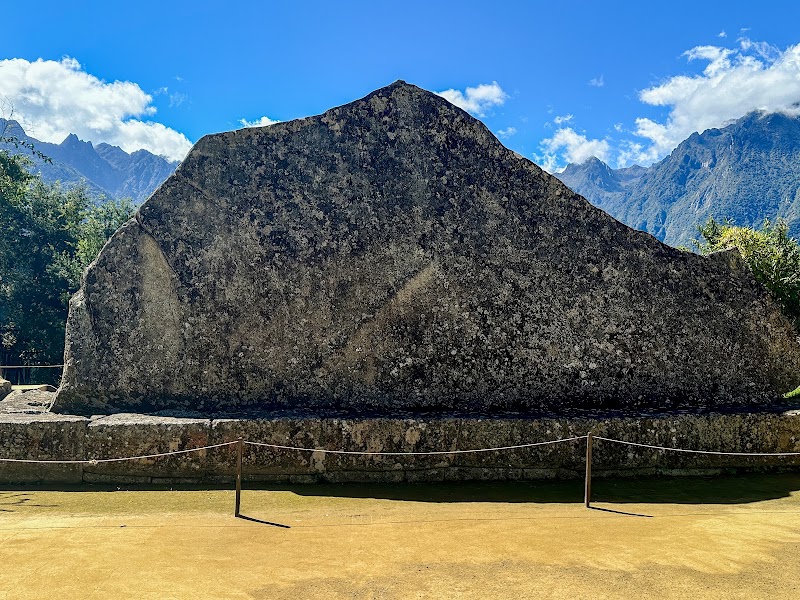
Sacred Rock at Machu Picchu: A Powerful Inca Landmark
A massive monolith, spiritual atmosphere and mountain alignment make Sacred Rock a memorable stop within Machu Picchu.
Peru
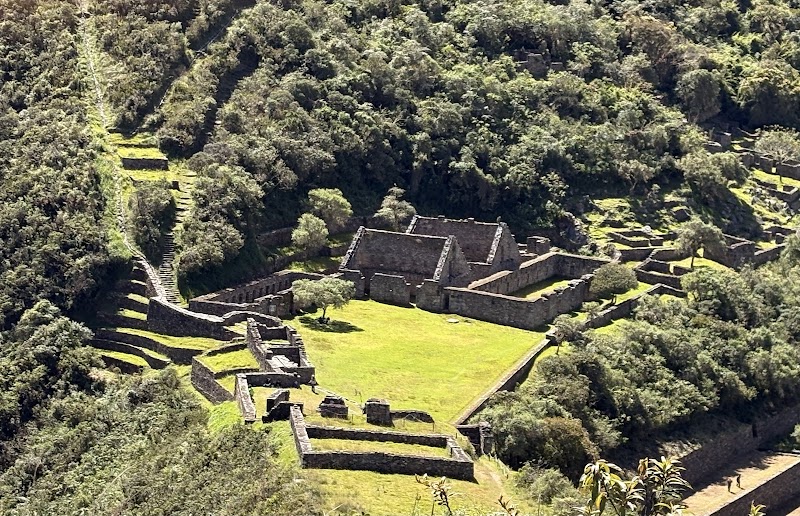
Choquequirao rewards hikers who are ready for the climb
This remote archaeological park suits strong hikers seeking remarkable ruins, mountain scenery and far fewer visitors than Machu Picchu.
Peru · Huayllabamba
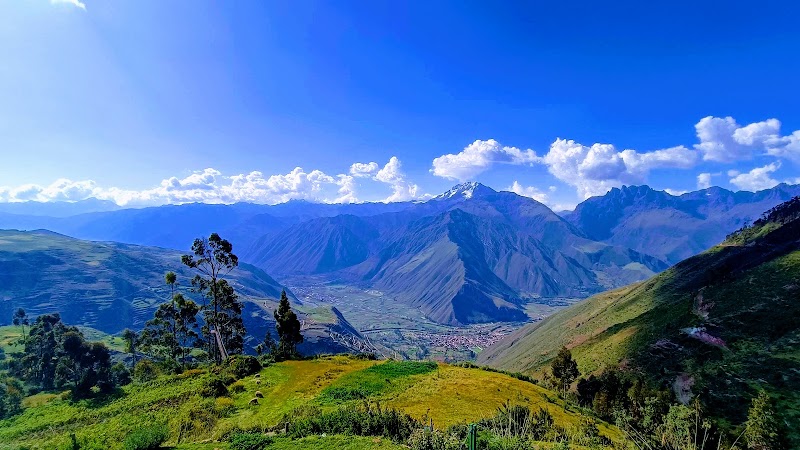
MachuQolqa Viewpoint: A Quick Sacred Valley Panorama
MachuQolqa Viewpoint earns strong public reviews for wide mountain scenery, local stalls and a convenient stop near Chinchero and the Sacred Valley.
Peru · Cusco
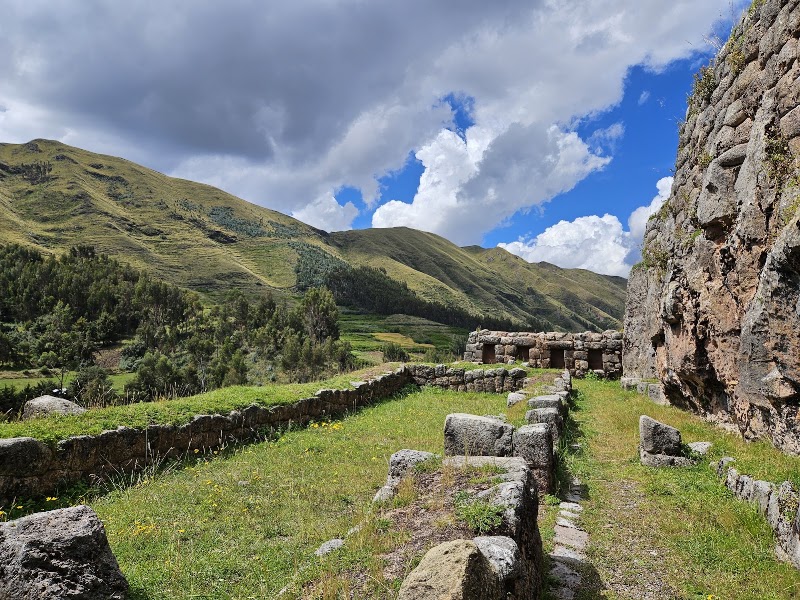
Puka Pukara: A Brief, Scenic Stop Above Cusco
Puka Pukara suits travellers interested in Inca history, Andean views and a short archaeological stop near Cusco.