Sacred Rock at Machu Picchu: A Powerful Inca Landmark
A massive monolith, spiritual atmosphere and mountain alignment make Sacred Rock a memorable stop within Machu Picchu.
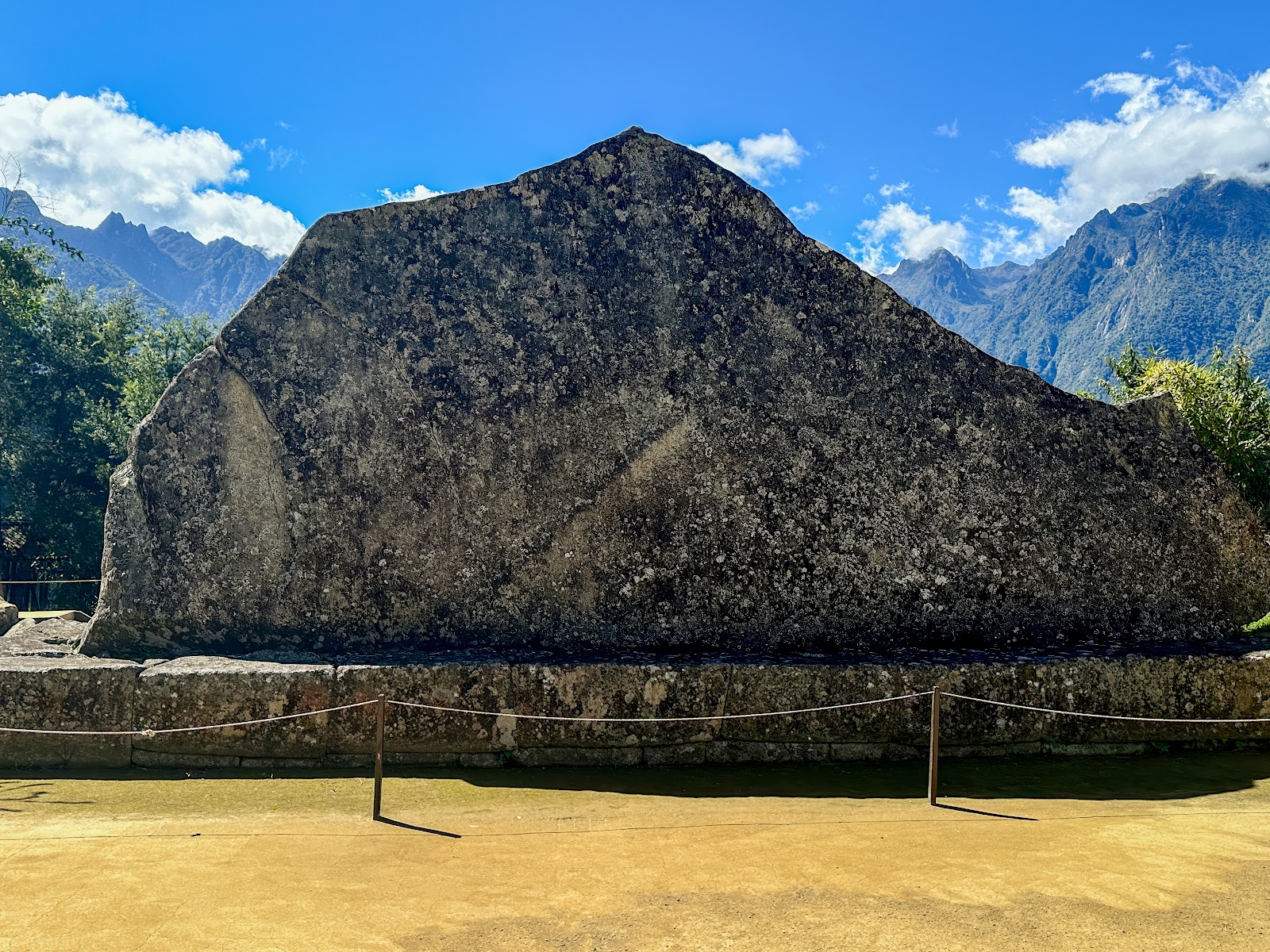
More photos
Photos published by travelers on Google, not AI generated.
What stands out
- Massive carved monolith
- Resemblance to Yanantin mountain
- Peaceful, spiritual atmosphere
- Memorable group photography spot
- Gateway to the Huayna Picchu hike
Don't miss
What comes up most in public reviews
- Compare the rock with Yanantin mountain
- Look for the flanking wayronas
- Take group or personal photographs
- Pause before the Huayna Picchu hike
Worth the trip?
Why visit Sacred Rock
Sacred Rock is one of the most recognisable landmarks within Machu Picchu, according to the public reviews examined for this guide. Visitors focus on its scale, unusual form and strong connection with the surrounding mountains. The monolith is said to mirror the silhouette of Yanantin, the peak behind it, creating a striking example of Inca design working with the natural landscape.
The effect is immediate. The stone dominates its setting, yet the surrounding area is repeatedly described as peaceful and deeply spiritual. Several reviews call the site intriguing or mystical. That language reflects the experience visitors report more accurately than a simple photo stop. The rock invites a closer look at its shape, its surface and the way it sits against the mountain backdrop.
What the public reviews highlight
Google lists Sacred Rock at 4.7 from 276 reviews. The strongest pattern in those comments is admiration for the landmark’s visual power. Visitors praise the impressive size of the carved stone and the craftsmanship associated with it. Others mention the memorable setting and the sense of reverence attached to the place.
The site also works well for photography. One review calls it a great spot for large group pictures, while another recommends making personal memories there rather than treating it only as an image for social media. The mountain behind the rock gives photographs a clear sense of place. Light and crowd levels will change during a visit, but the reviews do not establish a best time of day or season, so no specific timing is assigned here.
Setting and historical context
Sacred Rock stands on the northernmost side of Machu Picchu’s Eastern Urban Sector. Public listing information describes it as part of the Sacred Rock complex, which was excavated and restored in 1968. The stone is flanked by wayronas, adding structure to the setting and helping frame the monolith.
Its reported resemblance to Yanantin is central to the site’s appeal. The relationship between the rock and the mountain is not a minor visual detail. It is the feature visitors return to when explaining why the landmark feels so distinctive. The result is a place that combines monumental stonework with an attentive reading of the surrounding terrain.
Planning the stop
Sacred Rock is also described in public reviews as the gateway to the Huayna Picchu hike. That makes it a useful point of orientation within a broader visit to Machu Picchu, particularly for travellers interested in the site’s ceremonial and architectural details. Visitors should allow time to pause, look back towards Yanantin and take in the scale of the monolith before continuing.
This is not a review-led recommendation for a standalone trip. Sacred Rock forms part of a Machu Picchu visit and suits travellers who want more than a quick circuit of the most photographed ruins. The public feedback points to a short but meaningful stop, with the strongest rewards coming from close observation, photography and the atmosphere around the stone.
Plan the rest of the trip
Ask anything
Looking for somewhere else?
Keep exploring around Cusco
More from Peru
Peru
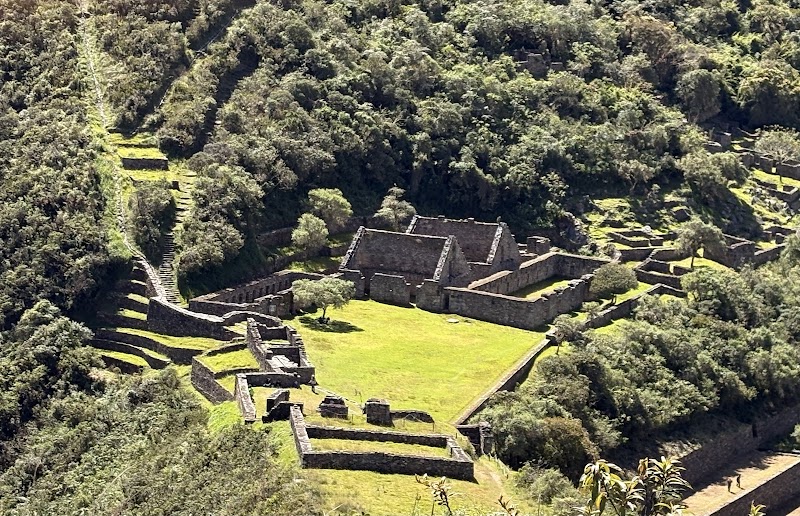
Choquequirao rewards hikers who are ready for the climb
This remote archaeological park suits strong hikers seeking remarkable ruins, mountain scenery and far fewer visitors than Machu Picchu.
Peru · Huayllabamba
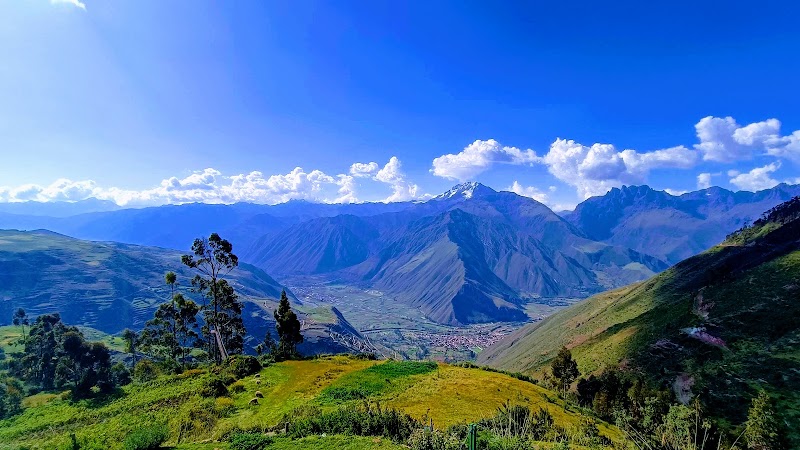
MachuQolqa Viewpoint: A Quick Sacred Valley Panorama
MachuQolqa Viewpoint earns strong public reviews for wide mountain scenery, local stalls and a convenient stop near Chinchero and the Sacred Valley.
Peru · Cusco
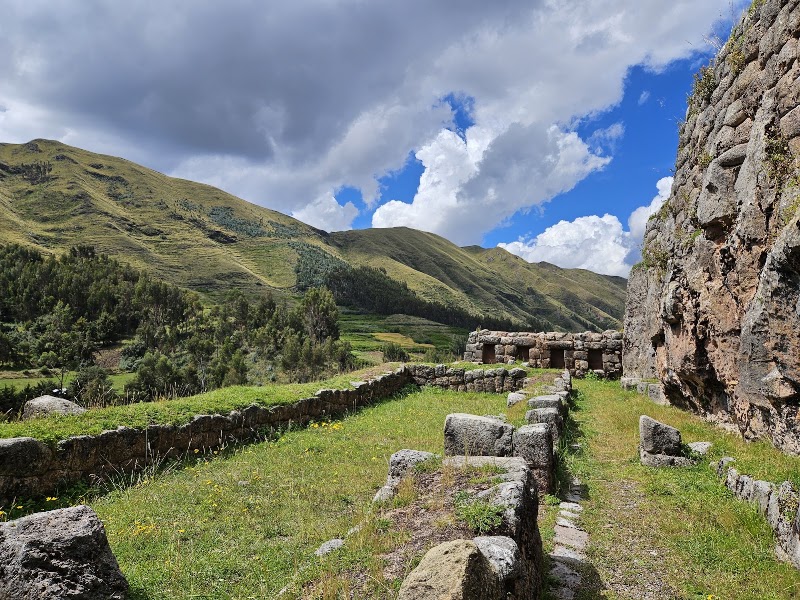
Puka Pukara: A Brief, Scenic Stop Above Cusco
Puka Pukara suits travellers interested in Inca history, Andean views and a short archaeological stop near Cusco.
Peru · Maras
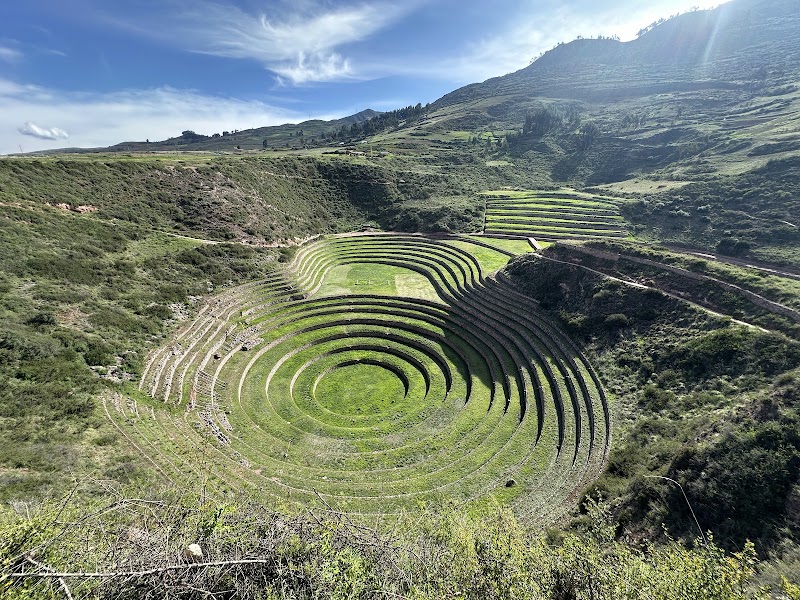
Moray’s Inca Terraces Make a Strong Sacred Valley Stop
Public reviews praise Moray’s scale, mountain scenery and unusual concentric terraces, while warning that the drive can feel long for a brief visit.