Puka Pukara: A Brief, Scenic Stop Above Cusco
Puka Pukara suits travellers interested in Inca history, Andean views and a short archaeological stop near Cusco.
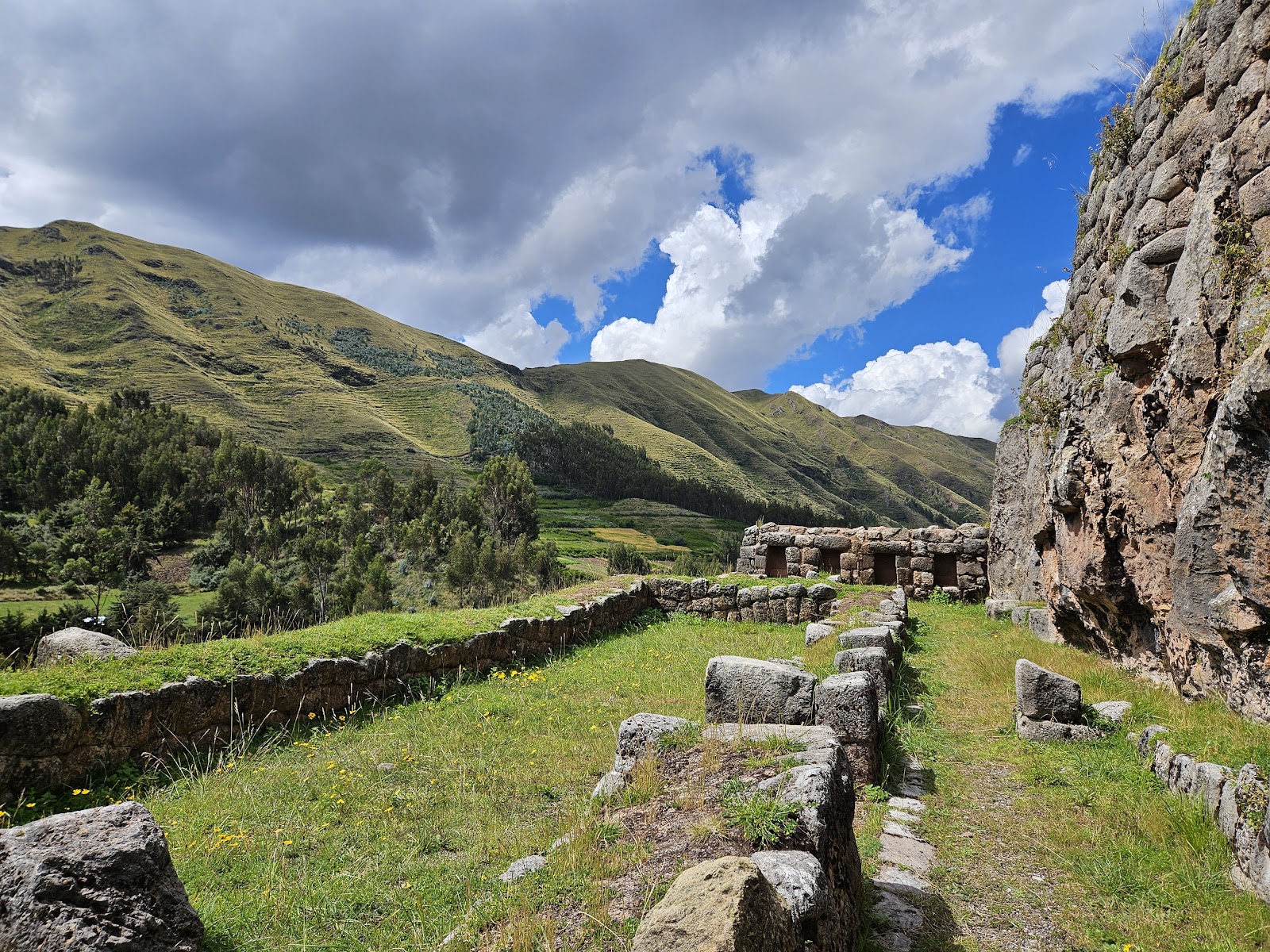
More photos
Photos published by travelers on Google, not AI generated.
What stands out
- Andean views and rolling hills
- Reddish stone in late afternoon light
- Possible military checkpoint and lodging site
- Near Sacsayhuamán and Tambomachay
Worth knowing
- The site can feel cold
- Ruins fatigue on a multi-site circuit
- Transport uphill needs planning
Don't miss
What comes up most in public reviews
- See the reddish stone in late afternoon
- Look across the road for the nearby included site
- Combine the visit with Sacsayhuamán and Tambomachay
Worth the trip?
What the reviews show
Puka Pukara Archaeological Complex earns a Google rating of 4.6 from 3,609 reviews. Public feedback presents it as a small but worthwhile site on the road above Cusco, with broad Andean views and a strong connection to the surrounding landscape. It is commonly visited as part of the circuit that includes Sacsayhuamán and Tambomachay.
The site’s name means “Red Fortress” in Quechua. Several reviews connect that name with the reddish stone, especially when the light is low. One account describes the complex as a military outpost, checkpoint and administrative station. It may also have offered lodging for travellers, pilgrims and officials moving towards Cusco from the Amazonian region. Another review calls its original purpose mysterious. That uncertainty is part of the appeal, though visitors looking for a large or highly furnished complex may find the remains modest.
Why stop here
The setting does much of the work. Rolling hills stretch around the stone structures, and the elevated position gives the visit a sense of scale beyond the ruins themselves. The red-toned masonry is the visual detail that appears most often in the reviews, particularly in the late afternoon.
The complex is also easy to combine with nearby attractions. One traveller notes that it stands across the road from another site included on the 16-item ticket. The reviews do not establish the ticket’s current terms, so visitors should confirm access arrangements before setting out. Puka Pukara is roughly 8 kilometres from Cusco’s centre according to one public review, making transport part of the planning.
Planning the visit
Puka Pukara works best as a short stop within a wider day of archaeological sites. Several public comments place it after Sacsayhuamán and before, or near, Tambomachay. That sequence has a practical logic, since the attractions sit along the same route. It also creates a potential drawback: one traveller reported feeling ruins fatigue by the third stop.
Transport deserves attention. A reviewer specifically recommends taking an Uber up to the site. The available comments do not provide enough information to assess walking conditions, local buses or current taxi arrangements, so visitors should check the route on the day. The altitude and exposed setting also matter. One review found the site very cold, even during a broader sightseeing circuit.
Who will enjoy it
The complex is a good fit for travellers who want a concise archaeological visit with open views and a less elaborate site experience. History-focused visitors will have material to discuss, especially the possible military and administrative roles. Photographers may prefer the late afternoon, when the stone is described as taking on a reddish glow.
Those with limited time may choose to prioritise Sacsayhuamán and Tambomachay instead. Tambomachay receives specific praise in one review for its water channels and pools, while Puka Pukara is valued more for its position, stonework and unanswered questions. The strongest visit is therefore one with realistic expectations: this is a compact stop, not an all-day attraction.
Plan the rest of the trip
Ask anything
Looking for somewhere else?
Keep exploring around Cusco
More from Peru
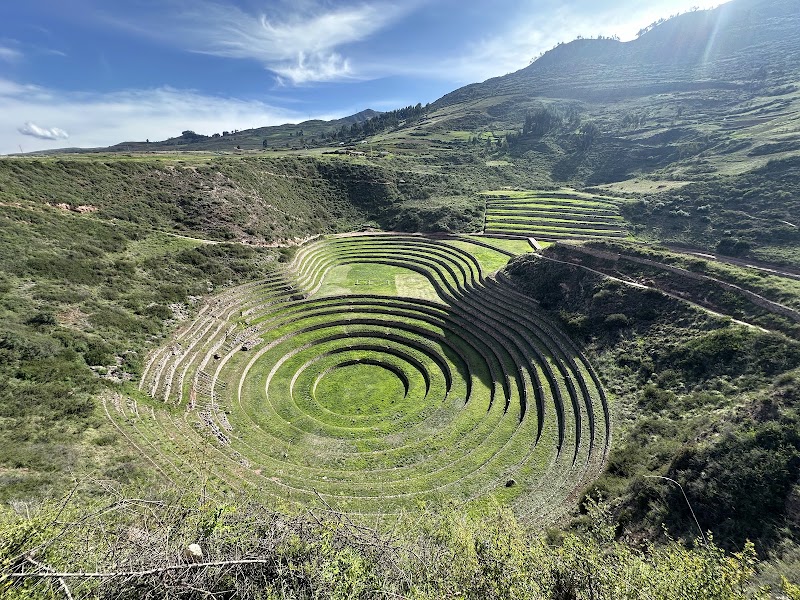
Peru · Maras
Moray’s Inca Terraces Make a Strong Sacred Valley Stop
Public reviews praise Moray’s scale, mountain scenery and unusual concentric terraces, while warning that the drive can feel long for a brief visit.
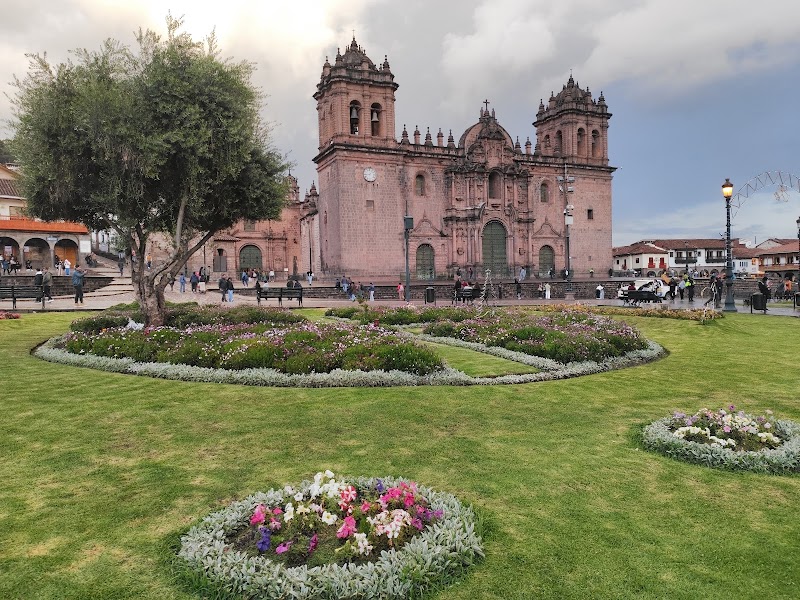
Peru · Cusco
Plaza de Armas: Cusco’s Historic Gathering Place
Cusco’s central square brings colonial architecture, churches, Inca history, mountain views and daily local activity into one walkable stop.
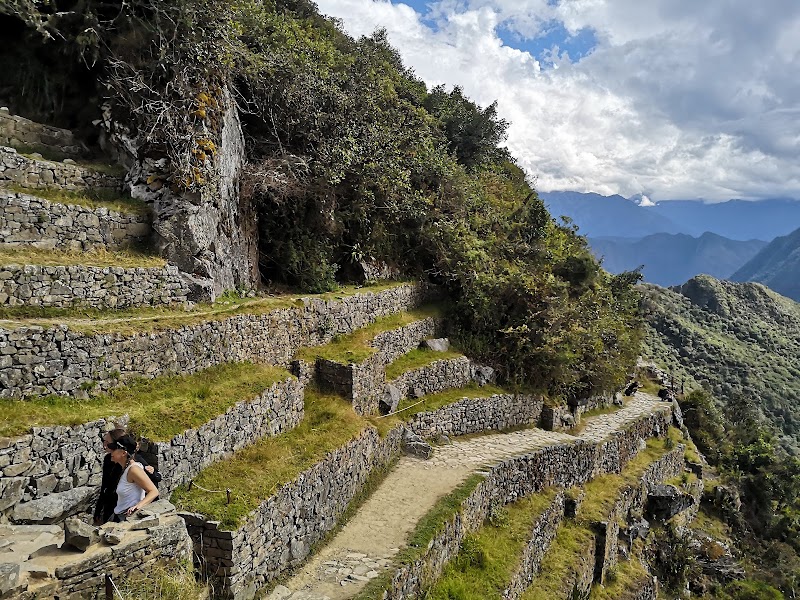
Peru · Urubamba
Sun Gate: The First Great View of Machu Picchu
Sun Gate rewards hikers with a dramatic first view of Machu Picchu, though clouds, crowds and a demanding route can shape the experience.

Peru · Cusco
Inkantari Boutique Hotel: Cusco Views Near Saqsaywaman
Inkantari Boutique Hotel suits travellers who want sweeping Cusco views, a quieter hillside setting and easy walks into the historic centre.