Shobak Castle: Ruins, Views and a Remarkable Underground Passage
Shobak Castle rewards travellers who enjoy historic ruins, open landscapes and a stop that feels quieter than Jordan’s better-known sights.
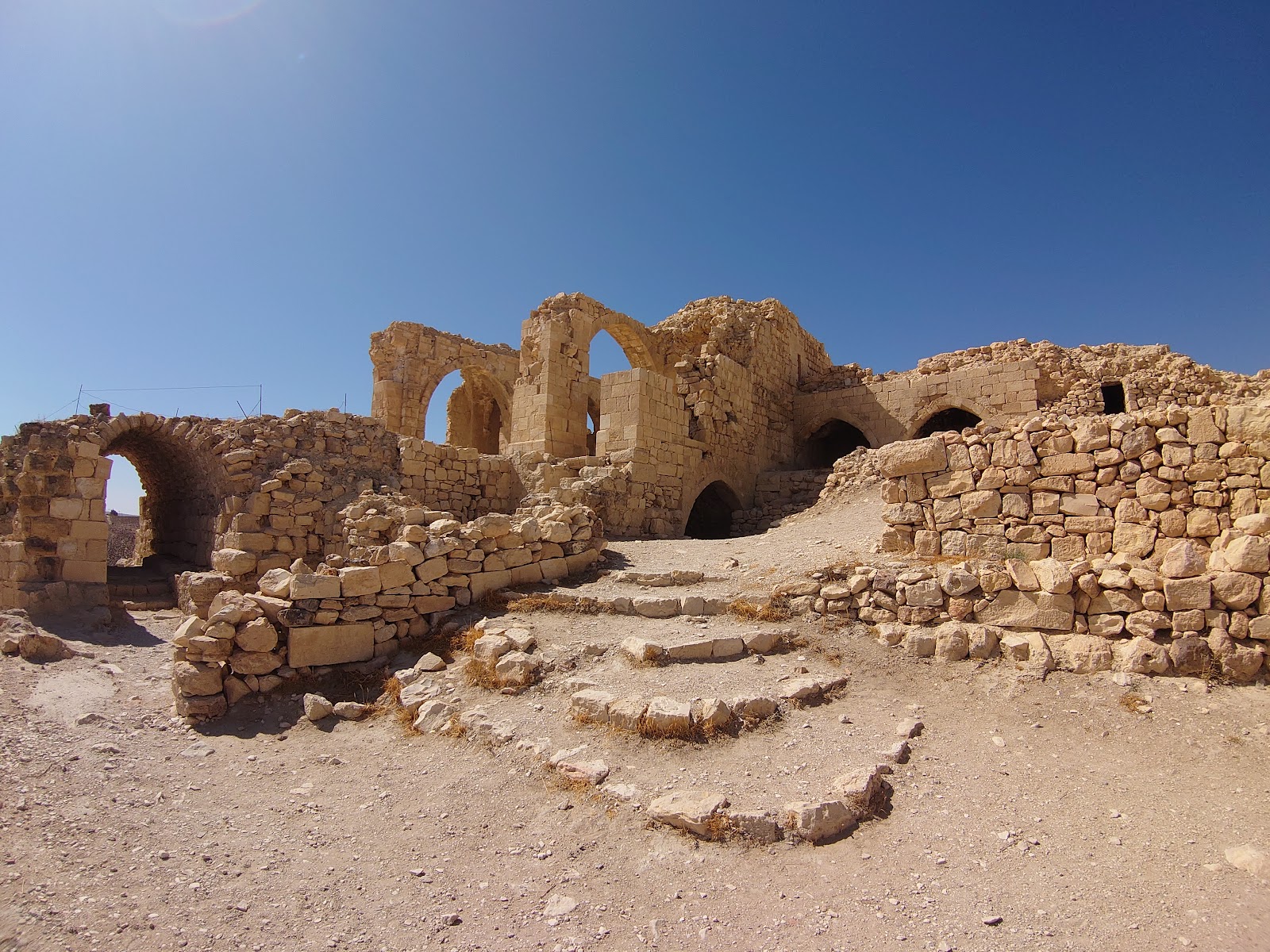
More photos
Photos published by travelers on Google, not AI generated.
What stands out
- Massive castle walls and entrance gate
- Underground passage to the water reservoirs
- Arid mountain and windmill views
- Watchtower and abandoned rock-carved houses
- Quieter atmosphere than major Jordan attractions
Worth knowing
- Parts of the castle may be closed
- The site is mostly ruins and needs refurbishment
- Guides and electric carts may involve separate charges
Don't miss
What comes up most in public reviews
- Walk the underground passage
- See the water reservoirs
- Look for the watchtower and entrance gate
- Ask about guide arrangements before starting
- Take in the views towards the mountains and windmills
Worth the trip?
What the reviews show
Shobak Castle is a substantial Crusader-era ruin near Shobak, Jordan, valued for its history, mountain scenery and sense of isolation. Public reviews give it a Google rating of 4.2 from 2,096 reviews. Travellers describe a site with massive walls, a watchtower, an entrance gate and a well-preserved underground passage leading towards water reservoirs.
The castle is mostly in ruins. That is central to the experience, not a footnote. Several reviewers found parts of the site closed or in need of refurbishment, which limited access during their visits. One review still considered the stop worthwhile despite those restrictions. Another described having the grounds almost entirely to themselves.
What is worth seeing
The views are a major reason to make the detour. Reviewers mention arid mountains, windmills on the horizon and abandoned houses carved into rock. The setting gives the ruins a strong sense of place, especially for travellers who prefer broad landscapes to heavily restored monuments.
Inside the grounds, the walls and entrance gate provide the clearest impression of the castle’s scale. The watchtower is another recurring point of interest. The underground passage is the standout feature in the reviews, leading down towards the water reservoirs at the bottom of the site. It is the kind of detail that makes Shobak more than a quick photograph stop.
Planning the visit
Shobak Castle suits travellers already moving through southern Jordan, particularly those building a route around historic sites and scenic roads. It is described as a little out of the way, so it may not justify a separate journey for visitors with a very tight itinerary. For many others, it works well as a half-day stop.
Access conditions appear to vary. Parts of the castle may be closed, and the site should be approached as an active ruin rather than a fully restored attraction. Public reviews also mention electric carts between the visitor centre and the ruins. They can be useful for visitors who would rather avoid that walk, but the service is separate from the main visit and charges may apply.
Guides and expectations
A local guide can add historical context. One reviewer strongly recommended hiring one because the site has considerable history. Another felt a guide was not worthwhile and reported being approached and followed by guides who charged separately. The practical lesson is simple: ask clearly about the guide fee and arrangement before starting.
Shobak is best for visitors comfortable with uneven, partially restricted ruins. It is less suitable for anyone expecting polished interpretation or complete access. The payoff comes through atmosphere, views and specific surviving features, especially the passage and reservoirs. Check current opening conditions before setting out, then allow time to explore without rushing.
Plan the rest of the trip
Ask anything
Looking for somewhere else?
Keep exploring around Shobak
More from Jordan
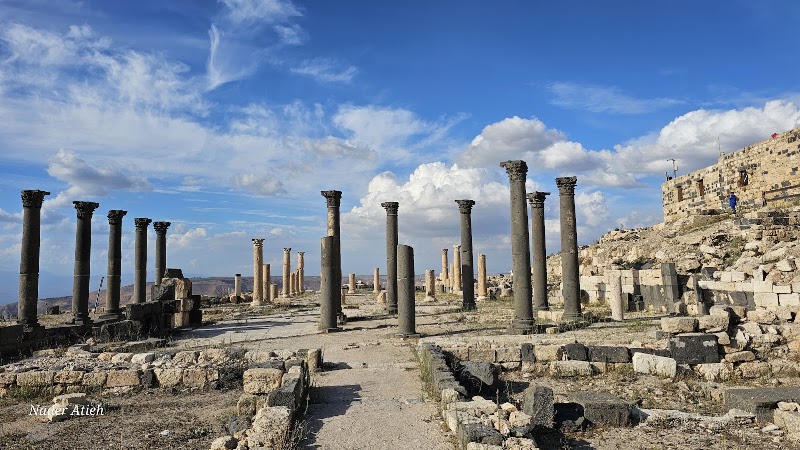
Jordan · Umm Qais
Umm Qays Brings Ancient Ruins and Wide Regional Views Together
Umm Qays pairs an evocative historical site with sweeping views across Jordan and surrounding borderlands, with spring drawing especially strong praise.
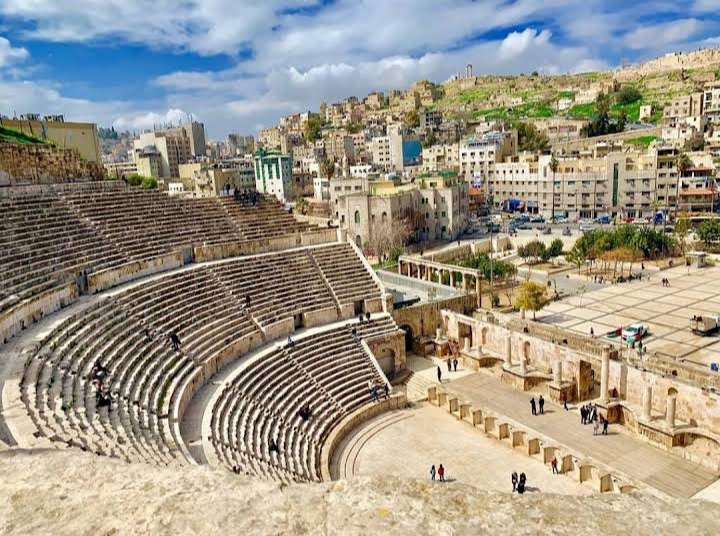
Jordan · Amman
Roman Theater, Amman’s Ancient Landmark with City Views
Amman’s well-preserved Roman Theater offers a compact history stop, steep climbs, a small museum and broad views across the downtown hills.
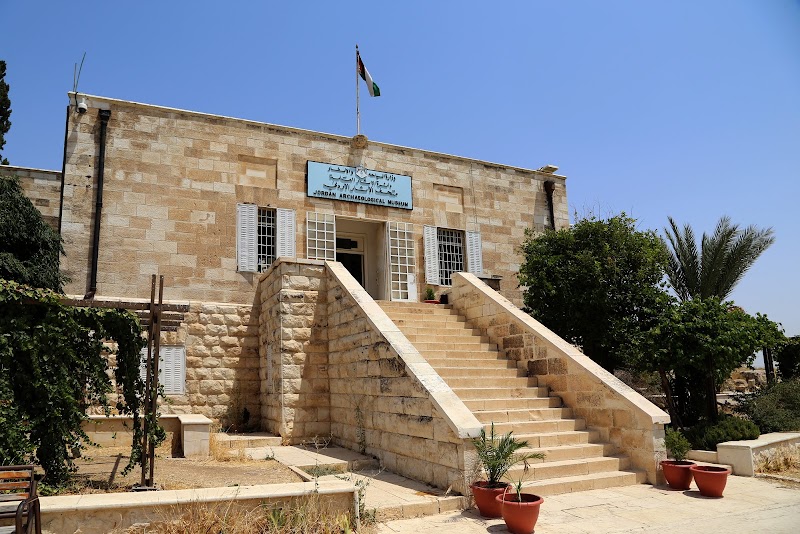
Jordan · Amman
Jordan Archaeological Museum: Small Space, Deep History
Inside Amman Citadel, this compact museum arranges Jordan’s archaeological story around remarkable objects, including the ancient ʿAin Ghazal statues.
Jordan
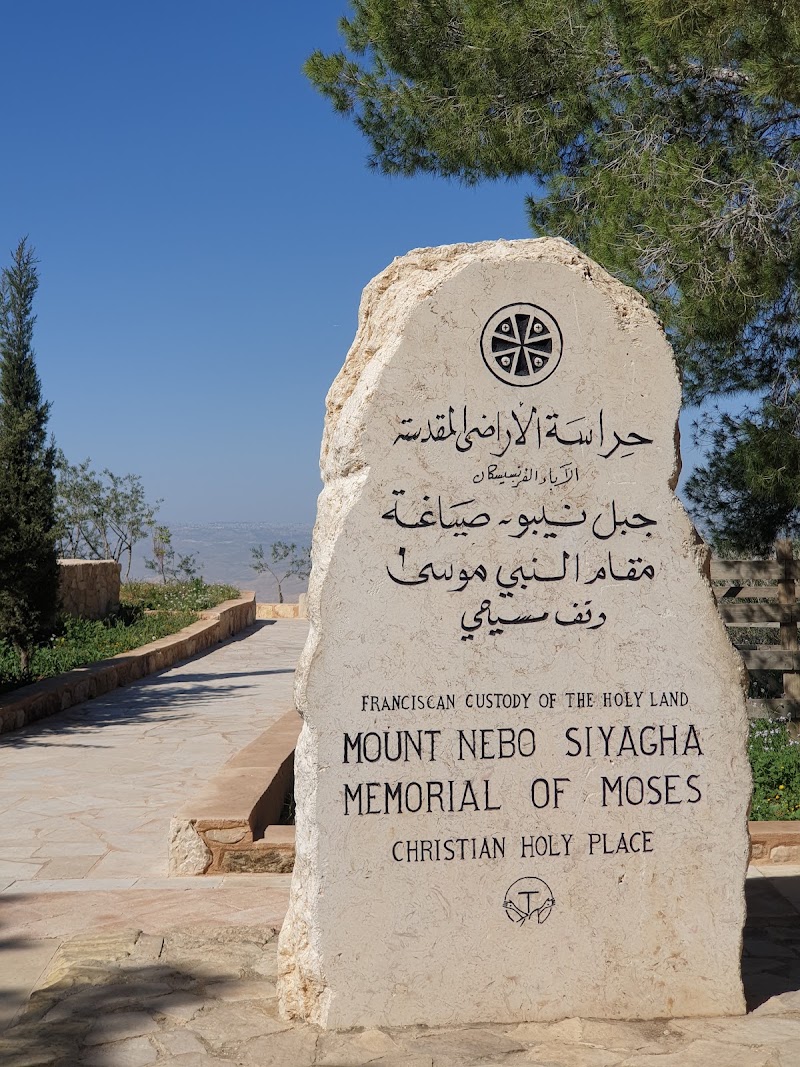
Mount Nebo: A Sacred View Across Jordan’s Biblical Landscape
Mount Nebo combines a deeply spiritual setting with sweeping views of the Jordan Valley, the Dead Sea and the Holy Land on clear days.