Umm Qays Brings Ancient Ruins and Wide Regional Views Together
Umm Qays pairs an evocative historical site with sweeping views across Jordan and surrounding borderlands, with spring drawing especially strong praise.
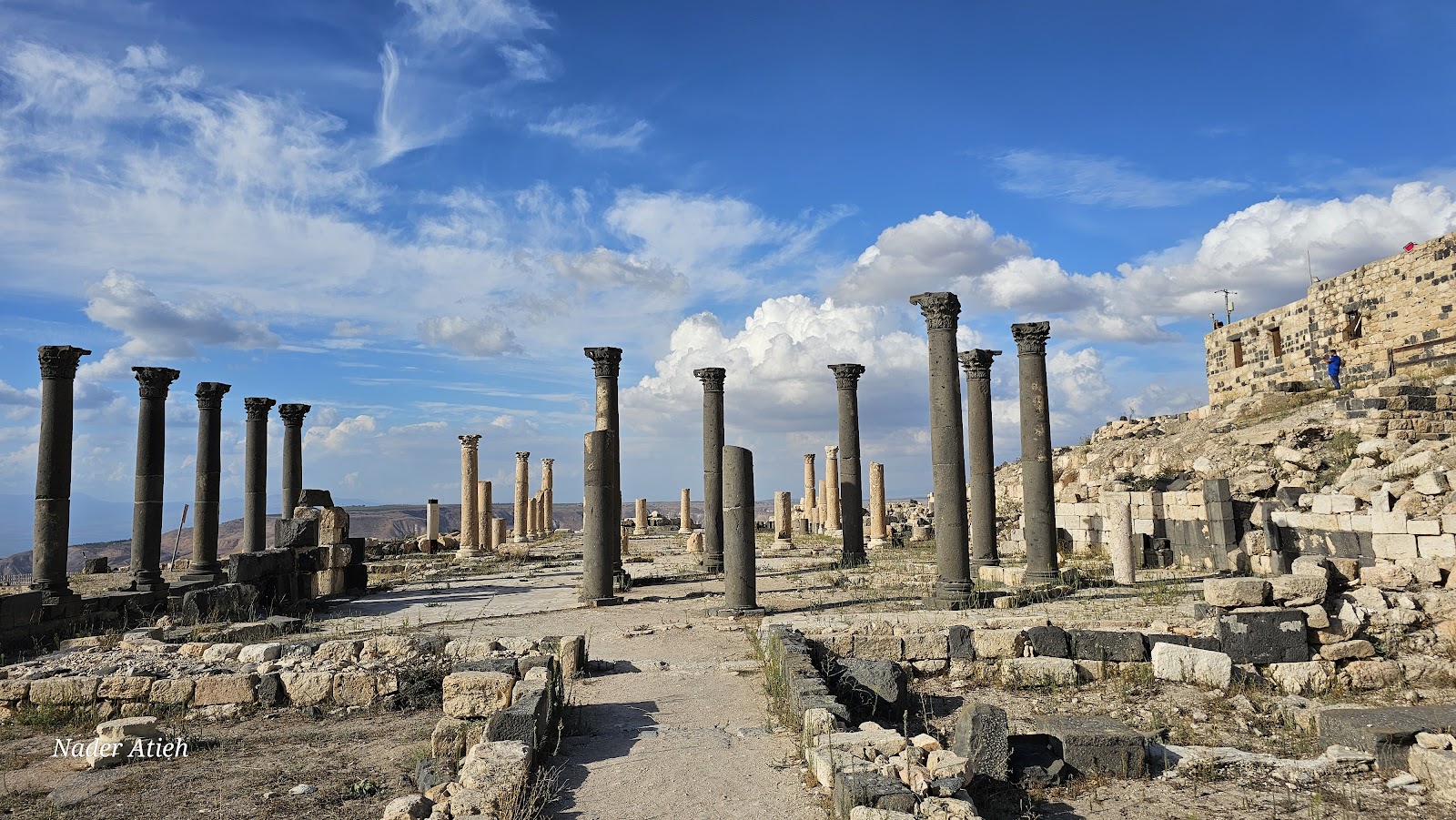
More photos
Photos published by travelers on Google, not AI generated.
What stands out
- Ancient ruins with a strong sense of history
- Views towards Jordan, Syria and Israel
- Spring greenery and flowers
- Photography-friendly landscape
- Views towards the Sea of Galilee
Worth knowing
- Visibility varies with conditions and viewpoint
- Price level is not specified
Don't miss
What comes up most in public reviews
- Photograph the landscape in spring
- Look towards the Golan Heights and Nazareth
- Ask about views of the Sea of Galilee
- Take time to explore the ancient ruins
Worth the trip?
Umm Qays stands out for the way its historical setting opens onto a broad landscape. Public ratings give the landmark 4.5 from 6245 reviews, and the comments repeatedly return to the same combination: ancient ruins, a strong sense of place and far-reaching views. Travellers describe it as one of Jordan’s most memorable historic sites, with enough visual drama to make the visit feel different from a standard ruins stop.
A historic site with emotional weight
Reviewers say the site makes history feel tangible. One visitor compared the experience with finally seeing the places studied in history class. That reaction appears often in the public feedback: Umm Qays is valued not only as an archaeological setting, but as a place where the past remains closely tied to the surrounding landscape.
The reviews do not reduce the visit to ruins alone. They describe a location shaped by proximity to international borders and by views towards areas including the Golan Heights and Nazareth. For some travellers, that outlook carries emotional weight. It places the ancient site within a modern political geography that is impossible to ignore.
The view is part of the attraction
The landscape earns nearly as much attention as the history. Reviewers mention views across Jordan, Syria and Israel, while others describe sightlines towards the Sea of Galilee, also called Lake Tiberias. One comment refers to views of four countries, though the exact visibility will depend on conditions and the viewpoint used during a particular visit.
Spring receives the clearest seasonal praise. Public reviews describe green hills, flowers and especially strong photographic conditions at that time of year. The scenery can still appeal throughout the year, according to visitors, but spring is the period most consistently singled out as distinctive.
How to approach the visit
Umm Qays suits travellers who want a landmark with both historical and scenic interest. It is a particularly strong choice for photographers, visitors interested in ancient places and anyone building a Jordan itinerary around major cultural sites. The public feedback also suggests that the experience rewards time spent looking outward, not just moving between ruins.
A half day is a sensible planning window based on the site’s mix of remains and viewpoints. Visitors should allow space for the landscape, especially in spring, rather than treating Umm Qays as a quick stop for photographs. The available listing data does not specify a price level, so costs should be checked before arrival.
The overall verdict is clear. Umm Qays is recommended because the setting gives historical remains an unusually expansive context. The ruins provide the focus. The views make the visit linger.
Plan the rest of the trip
Ask anything
Looking for somewhere else?
Keep exploring around Umm Qais
More from Jordan
Jordan · Amman
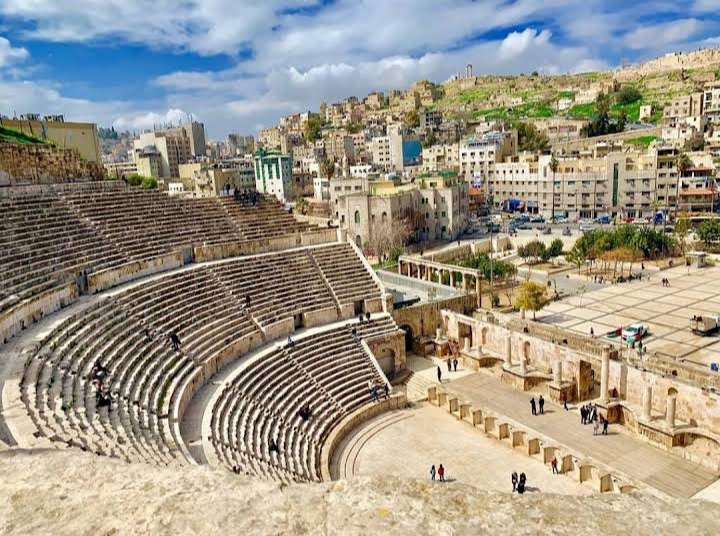
Roman Theater, Amman’s Ancient Landmark with City Views
Amman’s well-preserved Roman Theater offers a compact history stop, steep climbs, a small museum and broad views across the downtown hills.
Jordan · Amman
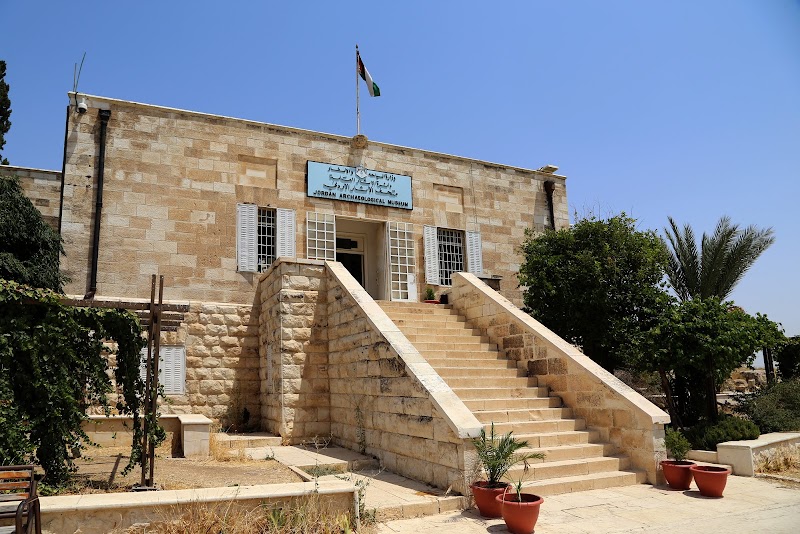
Jordan Archaeological Museum: Small Space, Deep History
Inside Amman Citadel, this compact museum arranges Jordan’s archaeological story around remarkable objects, including the ancient ʿAin Ghazal statues.
Jordan
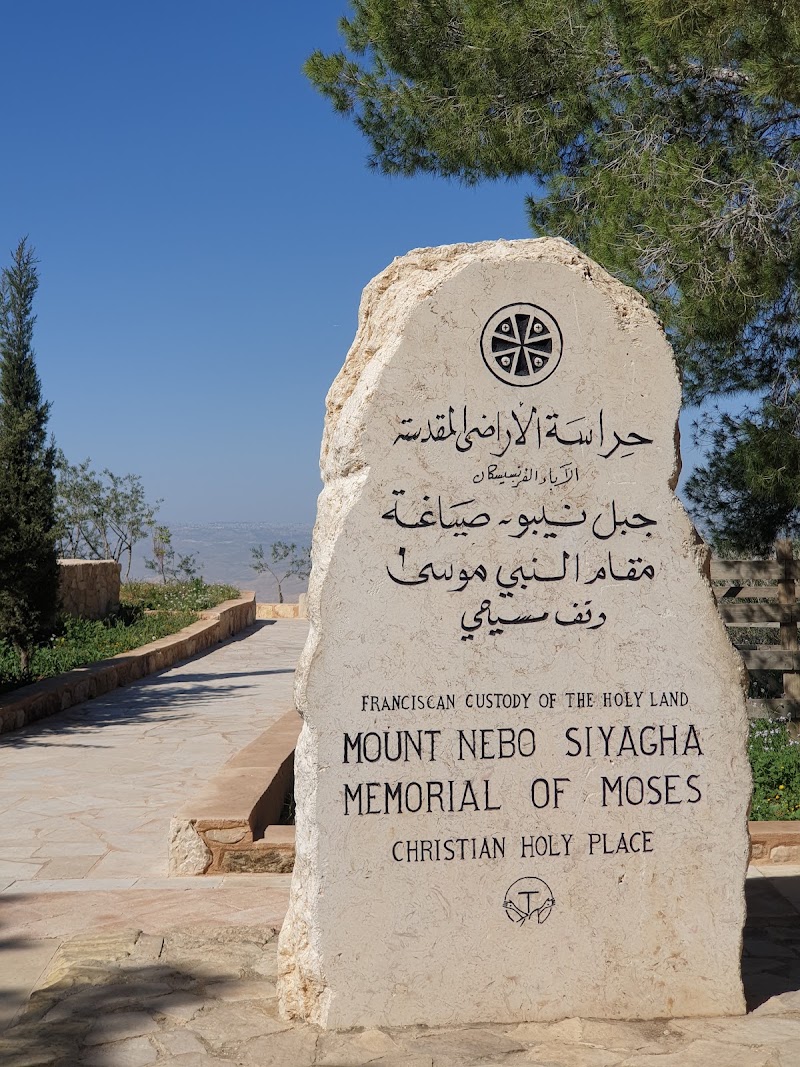
Mount Nebo: A Sacred View Across Jordan’s Biblical Landscape
Mount Nebo combines a deeply spiritual setting with sweeping views of the Jordan Valley, the Dead Sea and the Holy Land on clear days.
Jordan · Amman
Jordan Museum: A Clear Introduction to Jordanian History
Public reviews describe a calm, well-organized museum with strong historical displays, bilingual information and enough depth for a focused half-day visit.