Jordan Archaeological Museum: Small Space, Deep History
Inside Amman Citadel, this compact museum arranges Jordan’s archaeological story around remarkable objects, including the ancient ʿAin Ghazal statues.
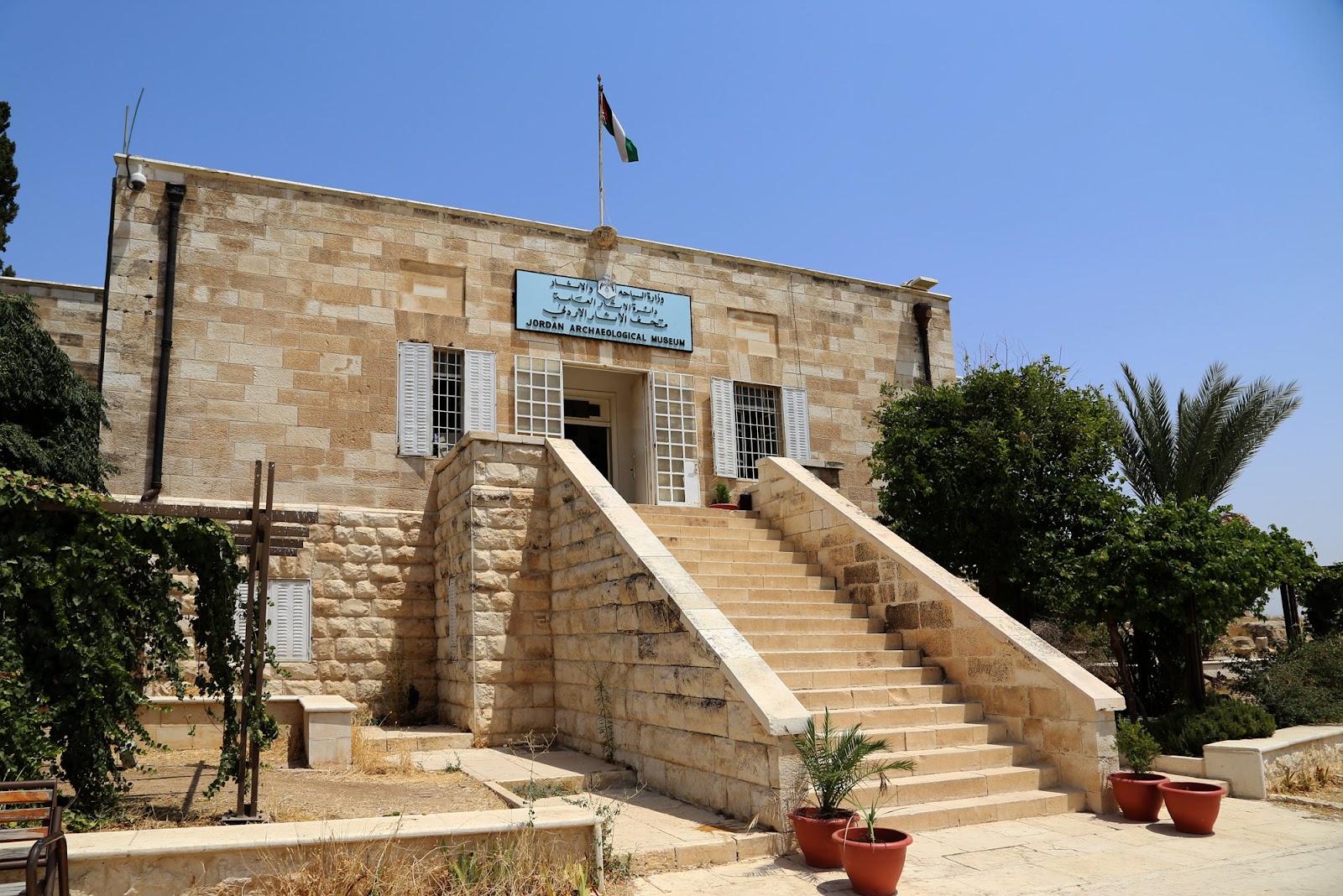
More photos
Photos published by travelers on Google, not AI generated.
What stands out
- ʿAin Ghazal statues
- Chronological galleries
- Arabic and English information
- Artefacts spanning many historical eras
- Location inside Amman Citadel
Worth knowing
- Small museum
- Guides may not explain exhibits inside
- A quick visit can take about 20 minutes
Don't miss
What comes up most in public reviews
- See the ʿAin Ghazal statues
- Follow the galleries chronologically
- Read the Arabic and English display information
Worth the trip?
The Jordan Archaeological Museum sits within the grounds of Amman Citadel, where public ratings and traveller reviews describe it as a small museum with an unusually broad historical scope. Its collection is presented in chronological order, moving through the Stone, Bronze and Iron Ages before reaching later civilisations such as the Hellenistic, Roman and Byzantine periods. One review also mentions the Ottoman era.
The museum has a Google rating of 4.5 from 828 reviews. Reviewers repeatedly value the way so much history is gathered into a compact space. Several say the visit can be completed in roughly 20 to 30 minutes, especially for visitors in a hurry. The stronger advice is to slow down. The displays are small in scale, but the objects reward attention.
The collection
The most frequently emphasised objects are the ʿAin Ghazal statues, described in the public reviews as among the oldest large-scale representations of the human form ever discovered. The figures were made around 9,000 years ago, roughly 7000 BC, using lime plaster over a reed core. That detail gives the museum a powerful focus: human representation here reaches back far beyond the better-known classical civilisations represented elsewhere in the Citadel.
Other reviews refer more broadly to interesting artefacts from different eras. The galleries follow historical dates, which helps visitors make sense of the collection without needing a long visit or specialist background.
What the visit is like
Reviewers call the museum small, lovely and easy to cover. Information is available in Arabic and English, a practical feature noted positively in the feedback. Staff are described as kind and accommodating.
The museum’s compact layout suits a Citadel visit. It adds context to the wider archaeological site without demanding a full morning. Visitors who simply want to see the principal objects can move through quickly. Those interested in early human history should allow more time to read the information and look closely at the smaller artefacts.
One operational detail matters for guided visits: a reviewer says guides are not permitted to explain things inside the museum because of a museum policy. That makes the bilingual labels particularly useful. It also means visitors may want to read the displays independently rather than expecting a guide-led explanation in the galleries.
Planning the stop
The museum is best treated as a focused stop within the Amman Citadel grounds. Reviews identify it as one of the strongest parts of the Citadel visit, despite its modest size. Visitors with a Jordan Pass report that admission is included, though the supplied reviews do not establish the full admission policy for every visitor.
This is not a large institution designed for hours of browsing. Its appeal is concentration: major periods of Jordan’s past, a clear chronological flow and exceptionally old statues in a manageable setting. The public feedback is especially positive among travellers who appreciate archaeological context and museums that can be understood without an extended commitment.
Plan the rest of the trip
Ask anything
Looking for somewhere else?
Keep exploring around Amman
More from Jordan
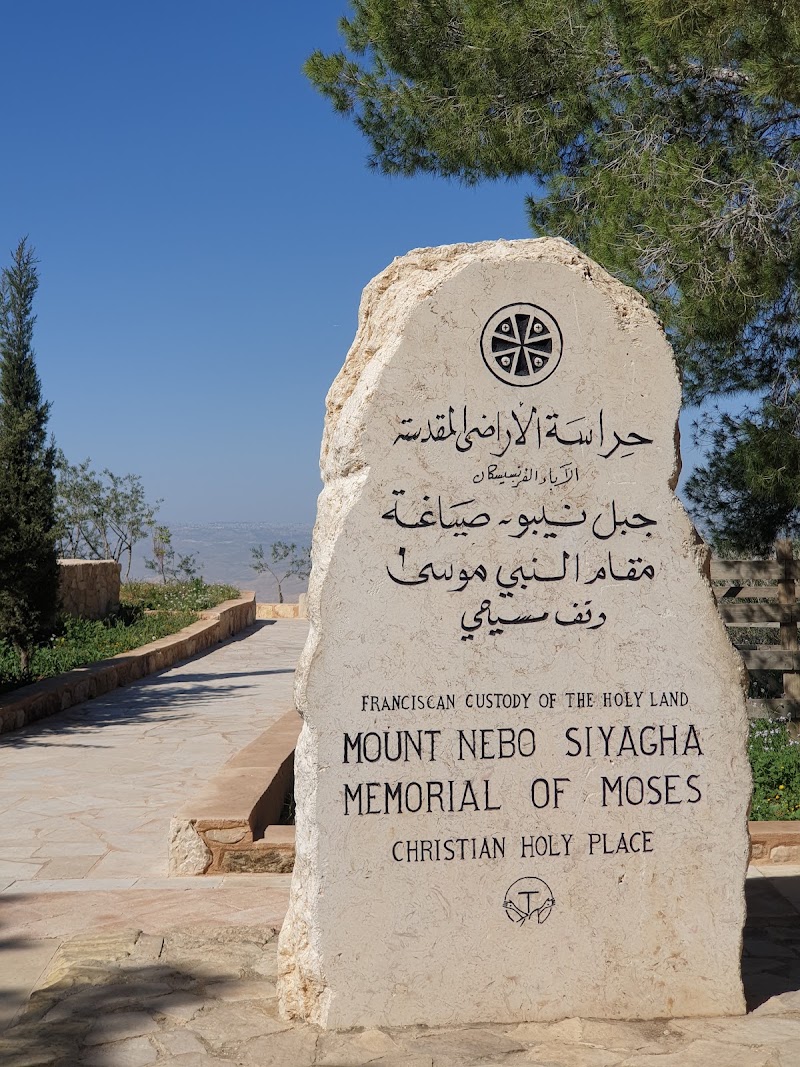
Jordan
Mount Nebo: A Sacred View Across Jordan’s Biblical Landscape
Mount Nebo combines a deeply spiritual setting with sweeping views of the Jordan Valley, the Dead Sea and the Holy Land on clear days.
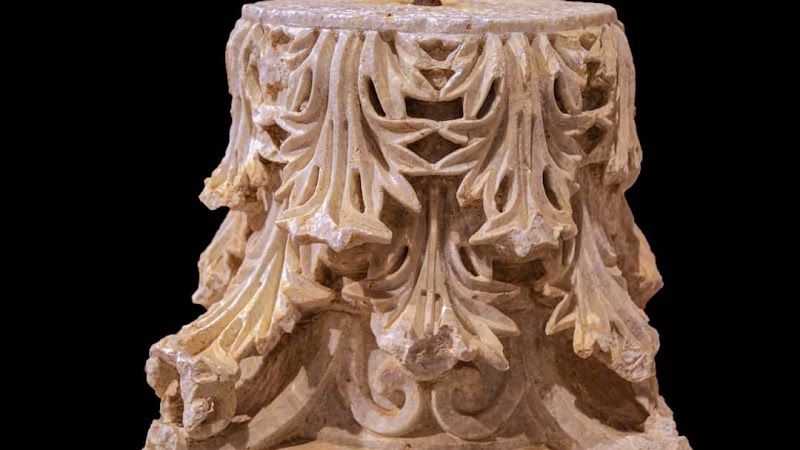
Jordan · Amman
Jordan Museum: A Clear Introduction to Jordanian History
Public reviews describe a calm, well-organized museum with strong historical displays, bilingual information and enough depth for a focused half-day visit.
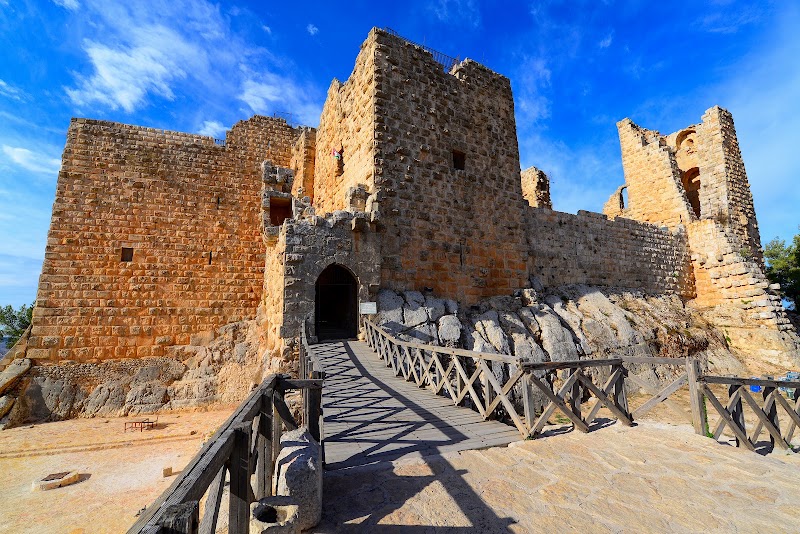
Jordan · Ajloun
Ajloun Castle: Hilltop History and Northern Jordan Views
Public reviews highlight Ajloun Castle’s historic fortress, broad hilltop views, photogenic stonework and well-maintained visitor facilities.
Jordan · Wadi Musa
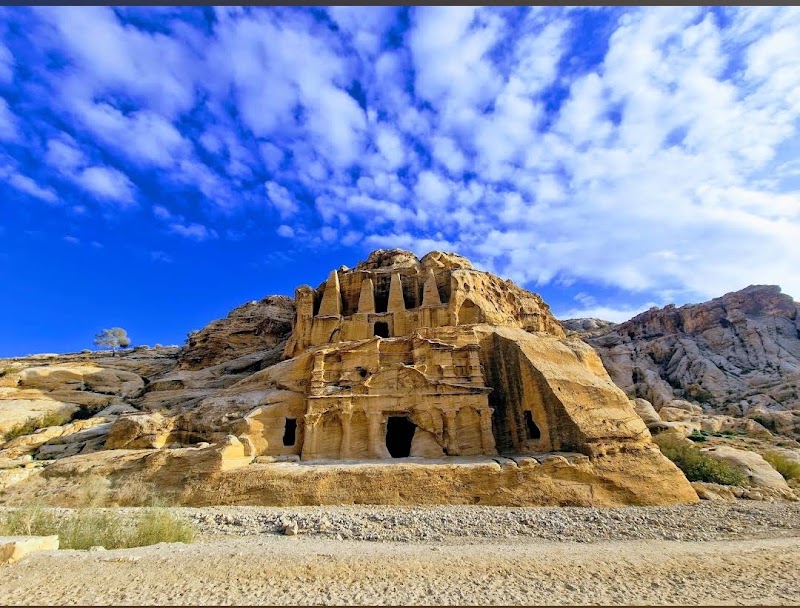
Obelisk Tomb: Petra’s Striking Northern Landmark
A carved Nabataean tomb and ritual dining chamber introduce visitors to Petra before the main approach to the Treasury.