Reserva Nacional de Fauna Andina Eduardo Abaroa: Wild Bolivia
A remote high-altitude reserve of lagoons, volcanoes, geysers, deserts and wildlife, best explored by four-wheel-drive over several days.
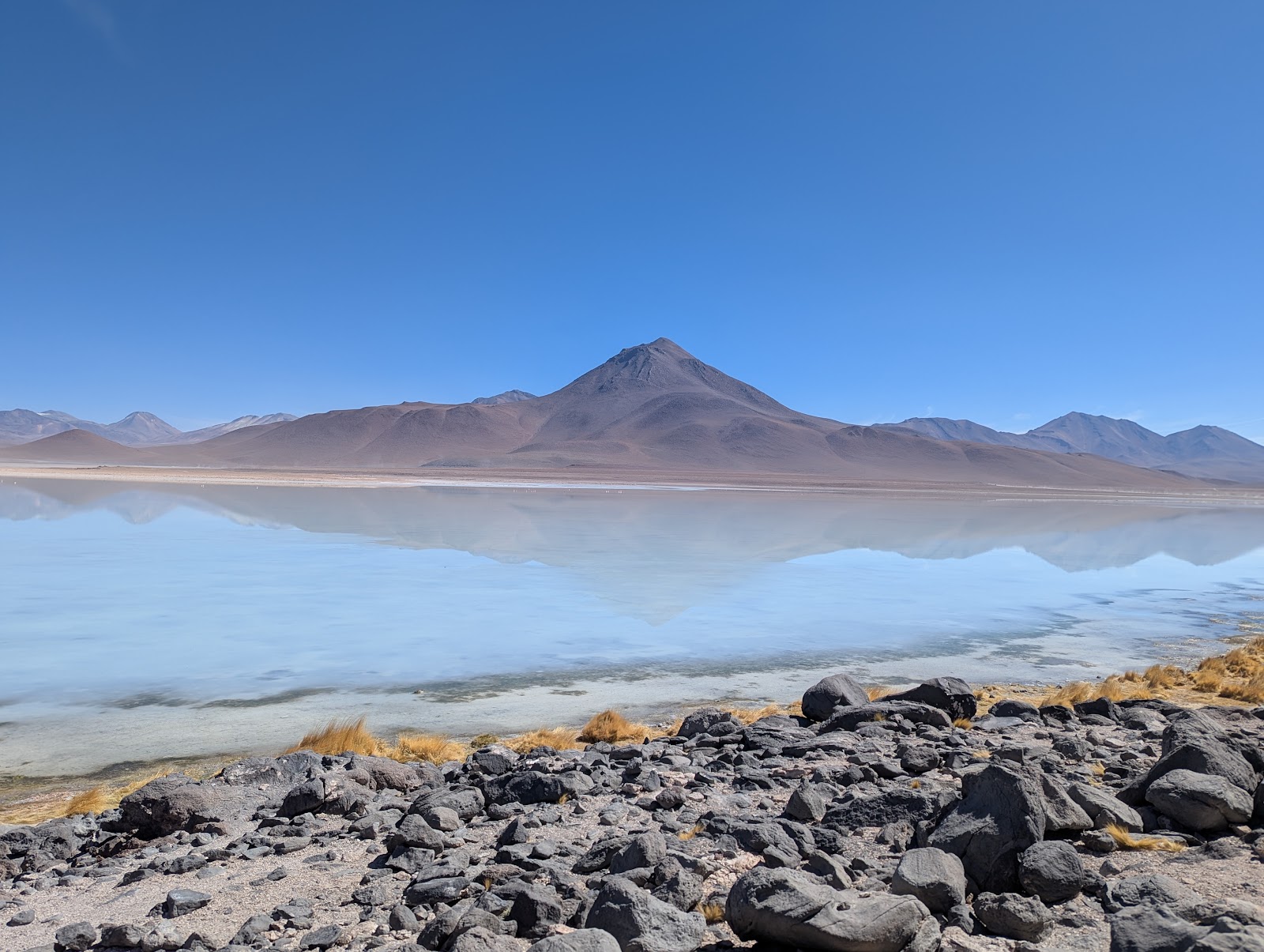
More photos
Photos published by travelers on Google, not AI generated.
What stands out
- Peaceful, uncrowded landscapes
- Vicuña and wild fox sightings
- Flamingos around high-altitude lagoons
- Volcanoes, geysers and varied deserts
- Four-wheel-drive routes to the Chile border
Worth knowing
- Extremely underdeveloped conditions
- Off-road travel over remote terrain
- Wildlife sightings require patience and alertness
Don't miss
What comes up most in public reviews
- Take a two- or three-day four-wheel-drive trip
- Look for vicuña and wild foxes
- See the flamingos at the lagoons
- Add the reserve to a Uyuni salt-flat tour
- Travel the route toward the Chile border
Worth the trip?
What public reviews show
Reserva Nacional de Fauna Andina Eduardo Abaroa has a Google rating of 4.7 from 445 reviews. The public feedback is strikingly consistent: visitors describe a vast, peaceful landscape that feels largely untouched, with very few crowds and an unusually strong sense of isolation.
The reserve is repeatedly praised as one of the most beautiful places in Bolivia. Reviewers mention surreal scenery, quiet roads and a feeling of travelling through terrain that has seen little development. It is not presented as a conventional park visit. The experience is a demanding overland route through remote country, usually connected with a wider journey between Uyuni, Bolivia, and San Pedro, Chile.
Landscapes and wildlife
The scenery changes constantly. Public reviews refer to high-altitude lagoons, volcanoes, geysers and several types of desert. The route itself is part of the attraction, with long stretches of rough, off-road travel opening onto broad, exposed landscapes.
Wildlife adds movement to an otherwise stark setting. Visitors report seeing vicuña and wild foxes, though they stress the need to stay alert and keep looking. Flamingos are a particular favourite in the reviews, especially around the lagoons. These sightings are not guaranteed, but the reserve’s open terrain makes wildlife watching a recurring part of the journey.
Photographers receive especially strong encouragement. The combination of empty horizons, unusual colours, volcanic formations and wildlife gives the area a visual quality that reviewers repeatedly call surreal or extraordinary. The lack of development is part of that appeal.
How to experience the reserve
The public reviews point clearly toward a four-wheel-drive tour rather than an independent day visit. Several visitors describe two-day or three-day trips, and one review recommends adding the reserve to a salt-flat tour. Routes commonly begin in Uyuni, Bolivia, or connect with travel to the Chile border and San Pedro, Chile.
A two-day trip can cover a substantial range of terrain. A three-day itinerary allows more time for the route’s lagoons, geysers, volcanoes and desert landscapes. Travellers using the reserve as part of a border crossing should allow enough time for the road journey itself. The experience is built around distance and changing scenery, not quick stops.
Who should go
This reserve suits travellers who want remote landscapes, wildlife sightings and a serious road-trip experience. It is particularly compelling for photographers, visitors extending a Uyuni salt-flat tour, and people travelling between Bolivia and Chile.
The same remoteness will not suit everyone. Reviews describe the area as extremely underdeveloped, and the roads as off-road. Comfort, convenience and easy access are not the point here. Those prepared for a rugged journey are the visitors most likely to value it. The public response is emphatic: the landscape stays in the memory long after the trip ends.
Plan the rest of the trip
Ask anything
Looking for somewhere else?
Keep exploring around Puripica
More from Bolivia
Bolivia · Uyuni
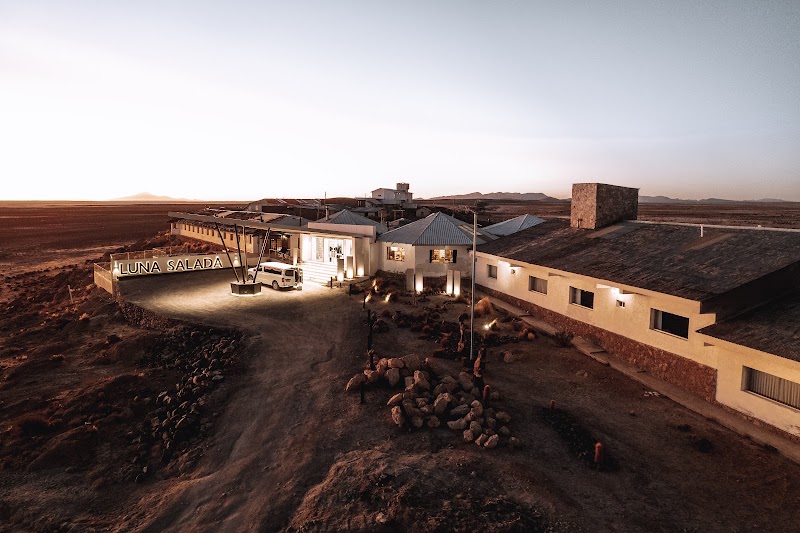
Hotel Luna Salada: Salt-built stay beside Uyuni’s flats
A distinctive salt-block hotel with sweeping Salar de Uyuni views, polished common areas and a price that attracts regular criticism.

Bolivia · Coimata
Cascada de Coimata: Pools and Waterfall Near Tarija
Public reviews describe an easy, scenic escape near Tarija, with natural pools, a waterfall and a rougher path at the final approach.

Bolivia · Rurrenabaque
Native Tours Rurrenabaque: Wildlife With a Local Guide
Public reviews praise Native Tours for knowledgeable, conservation-minded guiding across the Pampas and rainforest near Rurrenabaque, Bolivia.
Bolivia
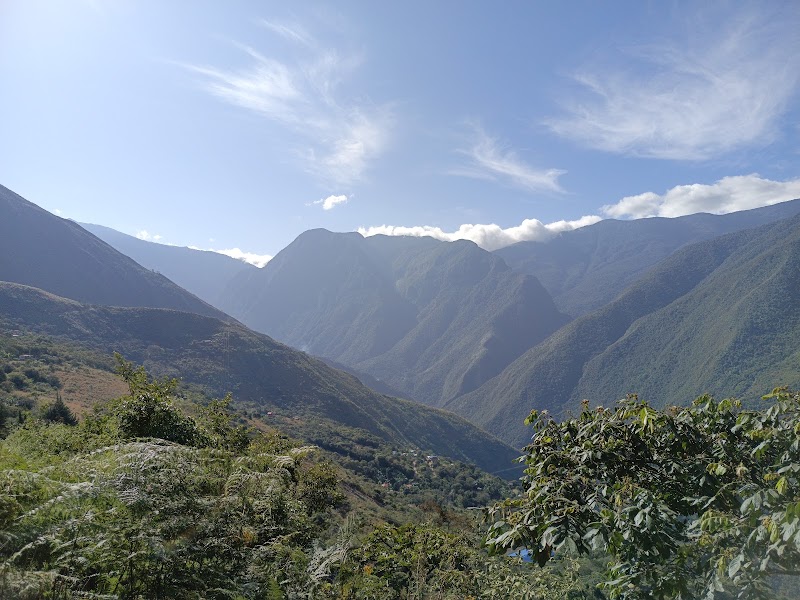
Takesi Trail: High-Altitude Scenery and Incan History
A demanding mountain trail near La Paz, Takesi rewards prepared hikers with lakes, rivers, llamas and a glimpse of the Incan highway system.