Puma Punku: Precise Stonework and Enduring Questions
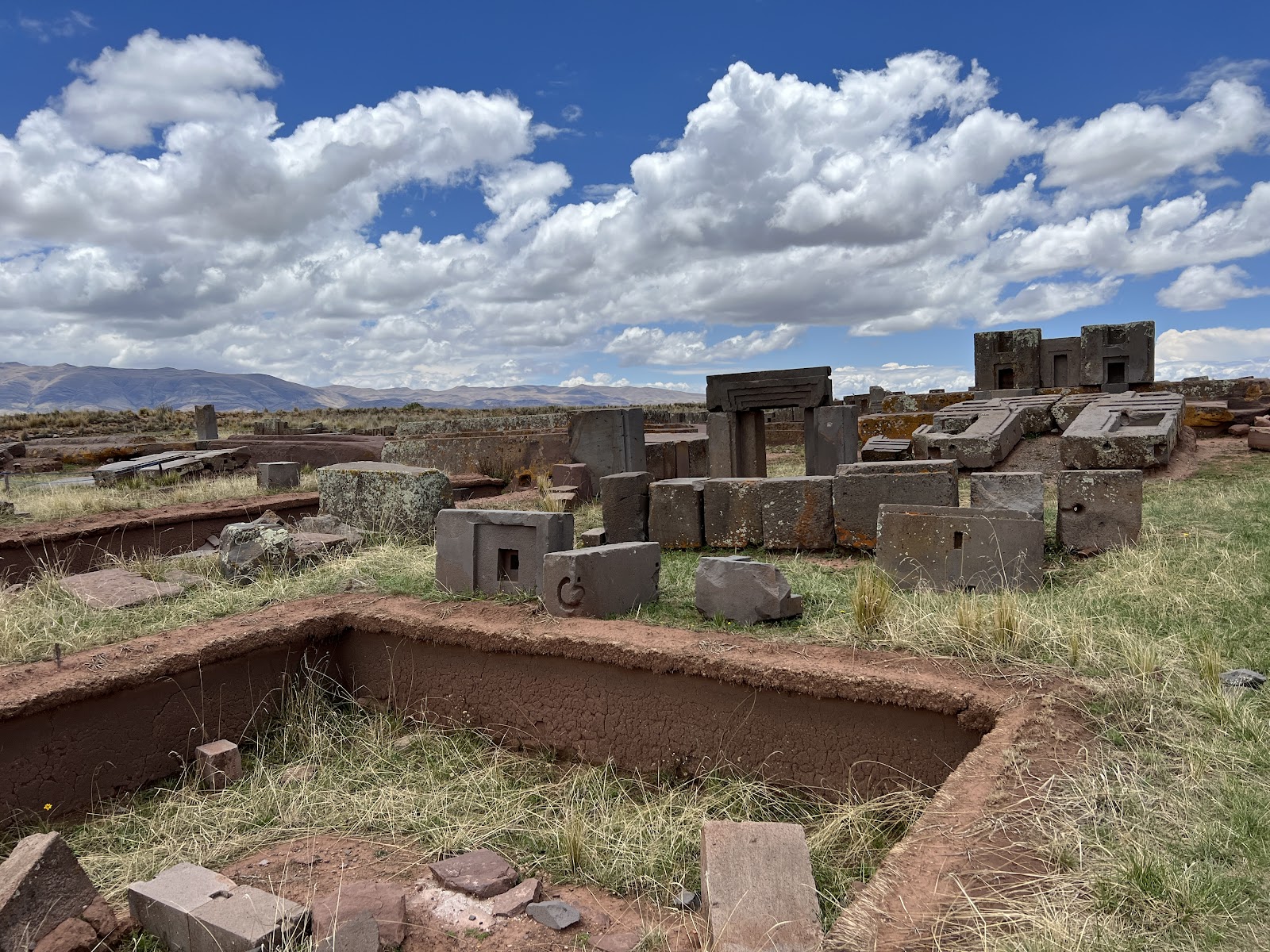
Near Tiwanaku, Puma Punku draws visitors with monumental carved blocks, enigmatic H forms and a compact archaeological layout.
More photos
Photos published by travelers on Google, not AI generated.
What stands out
- Precisely carved andesite blocks
- Distinctive H-shaped stones
- Compact archaeological layout
- Flat pyramid structure
- Monumental stonework
Worth knowing
- Limited information at the site
- A guide may be needed for context
- Time can run short for Tiwanaku
Don't miss
What comes up most in public reviews
- Inspect the H-shaped blocks
- Walk around the flat pyramid structure
- Visit Puma Punku before Tiwanaku
Worth the trip?
Why visitors rate it highly
Puma Punku has a Google rating of 4.6 from 1112 reviews. Across that public feedback, visitors return again and again to the precision, scale and strange forms of the stonework. Sharp angles, carefully cut surfaces and the interlocking features of the andesite blocks draw close attention. The distinctive H-shaped stones stand out in particular.
Easy answers are not really the point here. Reviewers often ask how the blocks were shaped, moved and assembled, while some repeat speculative claims about ancient technology. Still, the archaeological material is the strongest reason to visit: substantial carved stones, a broad platform and physical evidence of sophisticated planning and craftsmanship.
What the visit is like
Next to the larger Tiwanaku complex, Puma Punku feels small and does not require an exhausting walk, according to reviewers. One visitor recommends walking around the entire flat pyramid structure instead of stopping at the most photographed blocks. It is worth doing. The full circuit gives a clearer sense of the remains and how they are arranged.
Several reviews praise the preservation and display of the stones. Even so, the ruins are fragmentary, with scattered architectural components rather than intact buildings or a straightforward reconstruction of the original complex. Travellers drawn to archaeology may find that incompleteness part of the fascination. Anyone expecting a visually complete monument could struggle to interpret what is in front of them.
A guide makes a difference
The most direct criticism in the supplied reviews is the lack of on-site information. One visitor felt there was little to gain without a guide to explain the ruins, their history and their function. The carvings impress immediately, but context becomes important when looking at the platform, the construction techniques and the relationship between separate blocks.
A knowledgeable guide can also separate archaeological evidence from the sensational theories often linked to Puma Punku. Without that help, a visit may amount mainly to strong visual impressions and a lot of unanswered questions. Independent travellers can certainly appreciate the craftsmanship. Some advance preparation or guided commentary, though, should make the site more rewarding.
How to combine it with Tiwanaku
Public reviews consistently link Puma Punku with nearby Tiwanaku. They work best as parts of the same archaeological outing. One practical suggestion is to begin at compact Puma Punku, then move on to Tiwanaku. Some travellers, reviewers warn, spend too much time at the first site and are left short of time for the larger ruins.
A few hours for both places should prevent visitors from rushing the H blocks, the platform circuit or Tiwanaku itself. Puma Punku does not receive much praise for visitor facilities or detailed interpretation. Its appeal is more concentrated: remarkable stonework, monumental blocks and an archaeological setting that still provokes debate. For history-minded travellers, it is an essential companion to Tiwanaku, not simply an optional detour.
Plan the rest of the trip
Ask anything
Looking for somewhere else?
Keep exploring around Tiwanaku
More from Bolivia

Bolivia · La Paz
Bolivia Homeland Tours for High-Altitude La Paz Adventures
Public reviews praise Bolivia Homeland Tours for thoughtful guides, well-organised excursions and strong support on demanding trips around La Paz.
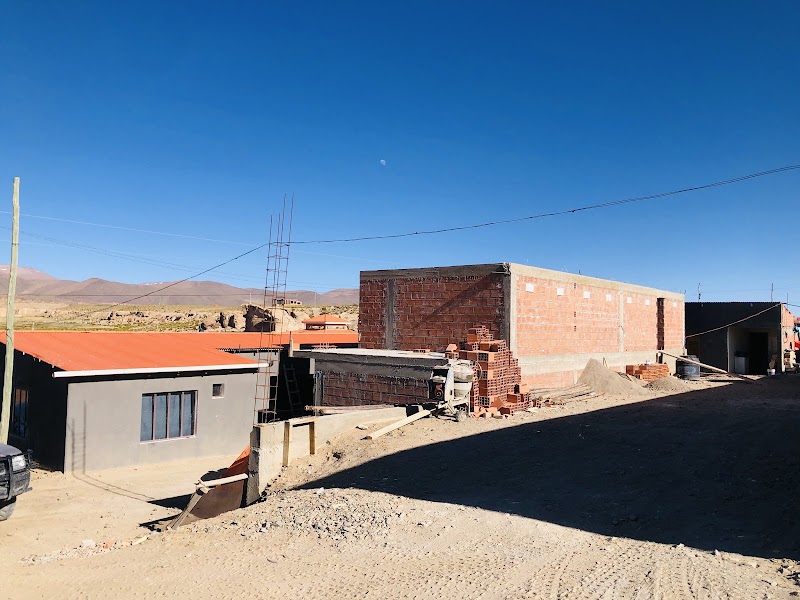
Bolivia · Uyuni
World White Travel for a Multi-Day Uyuni Salt Flats Tour
Public reviews point to a well-regarded operator for private, demanding journeys across Bolivia’s salt flats and high desert.
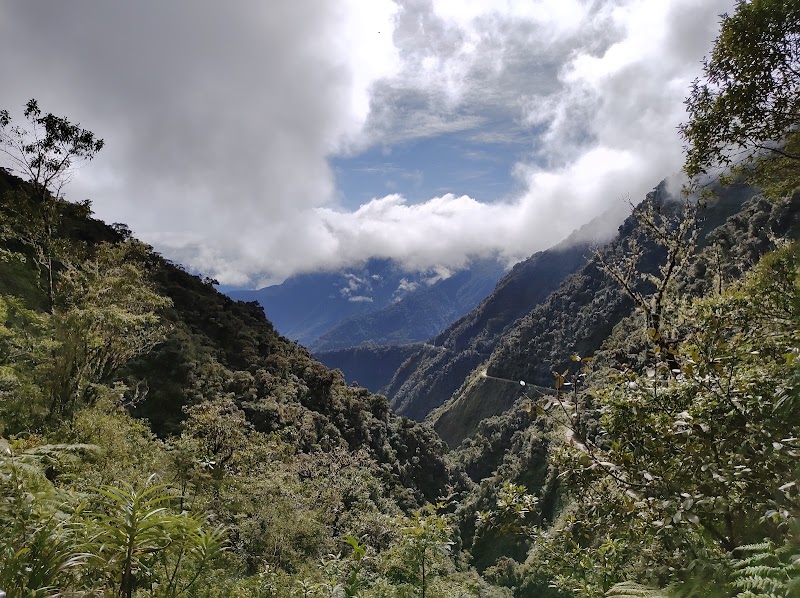
Bolivia · La Paz
Altitude Travel puts La Paz adventure days in capable hands
Public reviews praise Altitude Travel’s organisation, guides and mountain outings, with Death Road and Pico Austria drawing the strongest attention.

Bolivia · La Paz
Red Cap City Walking Tours Makes La Paz Legible
Public reviews praise Red Cap’s history-led walks, especially guides Max and Denis, while one traveller reports a cancellation caused by low attendance.