Palácio Nacional da Ajuda: Lisbon’s Royal Rooms and Collections
Public reviews describe a richly decorated former royal residence with detailed displays, manageable crowds and enough history for a half-day visit.
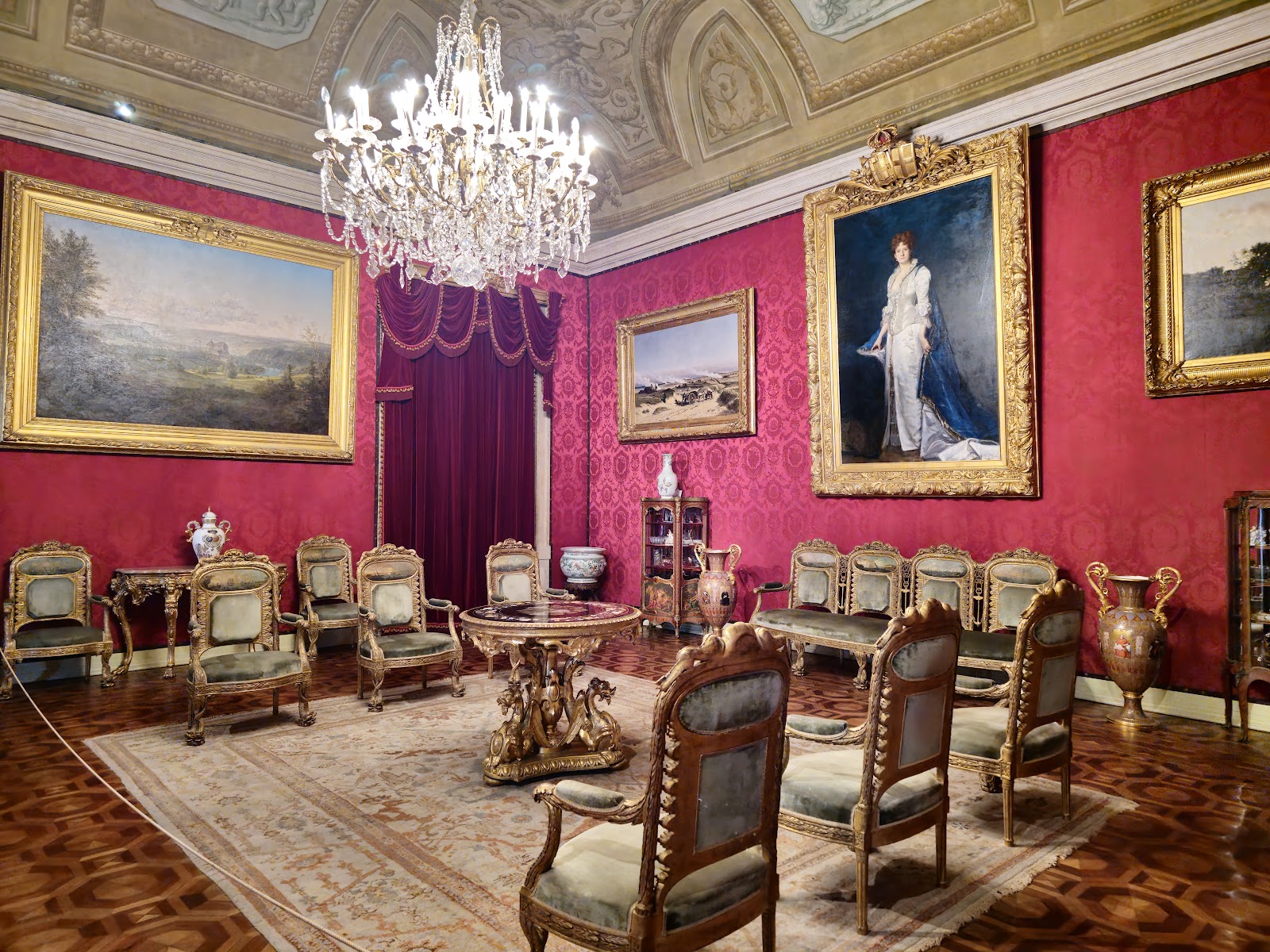
More photos
Photos published by travelers on Google, not AI generated.
What stands out
- Distinctive rooms with different purposes
- Decorative arts including clocks and ceramics
- Detailed historical descriptions
- Generally calm atmosphere
- Walkable, uphill route from Belém train station
Worth knowing
- The walk from Belém includes an uphill section
- The palace is extensive and can take several hours
- Bag rules may require backpacks to be carried in front
Don't miss
What comes up most in public reviews
- Compare the different royal rooms
- Read the detailed room descriptions
- See the clocks, ceramics and furniture
- Ask about current bag arrangements
Worth the trip?
What the reviews show
Palácio Nacional da Ajuda has a strong public rating of 4.7 from 11,382 Google reviews. The recurring impression is of a substantial former palace that works especially well for visitors interested in Portuguese monarchy, decorative arts and historic interiors.
Reviewers do not describe a single, uniform experience. Some expected a more imposing building and instead found parts of the palace surprisingly intimate and modest. Others were struck by its scale, opulence and the sheer quantity of rooms. Both impressions are useful. The appeal lies in moving through spaces with different purposes and moods, rather than seeing one grand ceremonial interior and leaving.
Inside the former royal residence
The palace served as a residence for the Portuguese monarchy, and reviews repeatedly focus on the feeling of standing in rooms used by kings. Each room is described as distinct, with its own function and character. Visitors also highlight the decorative arts collection, including clocks, ceramics and furniture.
The interiors carry much of the visit. One review calls the collection world-class, while another praises the descriptions as detailed and easy to follow. That makes the palace more than a quick architectural stop. Visitors who take time with the labels can build a clearer picture of royal life and the period in which the building functioned as a residence.
The museum is also described as massive, with enough to see for many hours. That assessment suggests a slower pace works better than trying to rush through every room. The experience is about accumulation: another chamber, another object, another piece of the monarchy’s story.
Access and atmosphere
Palácio Nacional da Ajuda is just over one kilometre from Belém train station, with an uphill section on the walk. Reviewers consider the effort worthwhile. Inside, the palace is generally described as easy to navigate, and several comments mention helpful staff and a relaxed atmosphere.
Crowds do not appear to dominate the visit. One reviewer reported only a short wait to buy tickets, while another specifically noted that there were not many people. Those observations point to a calmer museum experience than visitors may expect at one of Lisboa’s major historic attractions, though conditions can change during the day.
There is one practical note about bags. A reviewer initially encountered an issue with a backpack and was later allowed to carry it in front. Visitors with larger bags should check the current storage or carrying rules before entering.
Who should go
This is a good choice for travellers who want art and history in the same stop, particularly those interested in Portugal’s monarchy and royal interiors. It suits visitors willing to spend several hours indoors rather than those looking for a brief photo opportunity.
The public feedback is notably positive without presenting the palace as a polished fantasy. Its uneven sense of grandeur is part of the character. Some rooms feel grand, others restrained. Together, they create a detailed museum visit with real historical texture.
Plan the rest of the trip
Ask anything
Looking for somewhere else?
Keep exploring around Lisboa
More from Portugal
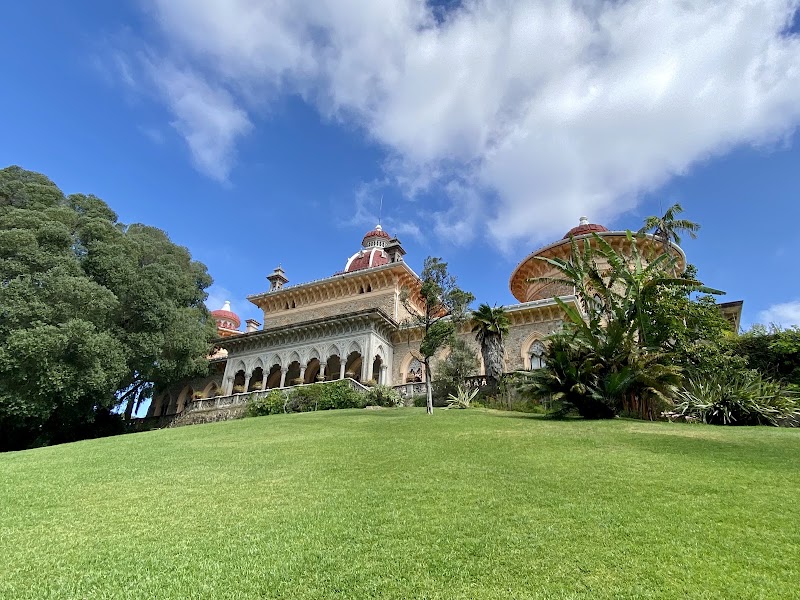
Portugal · Sintra
Monserrate Palace: Sintra’s Peaceful Garden Retreat
Monserrate combines ornate architecture with expansive, shaded gardens, making it a calmer alternative to Sintra’s busiest palace visits.
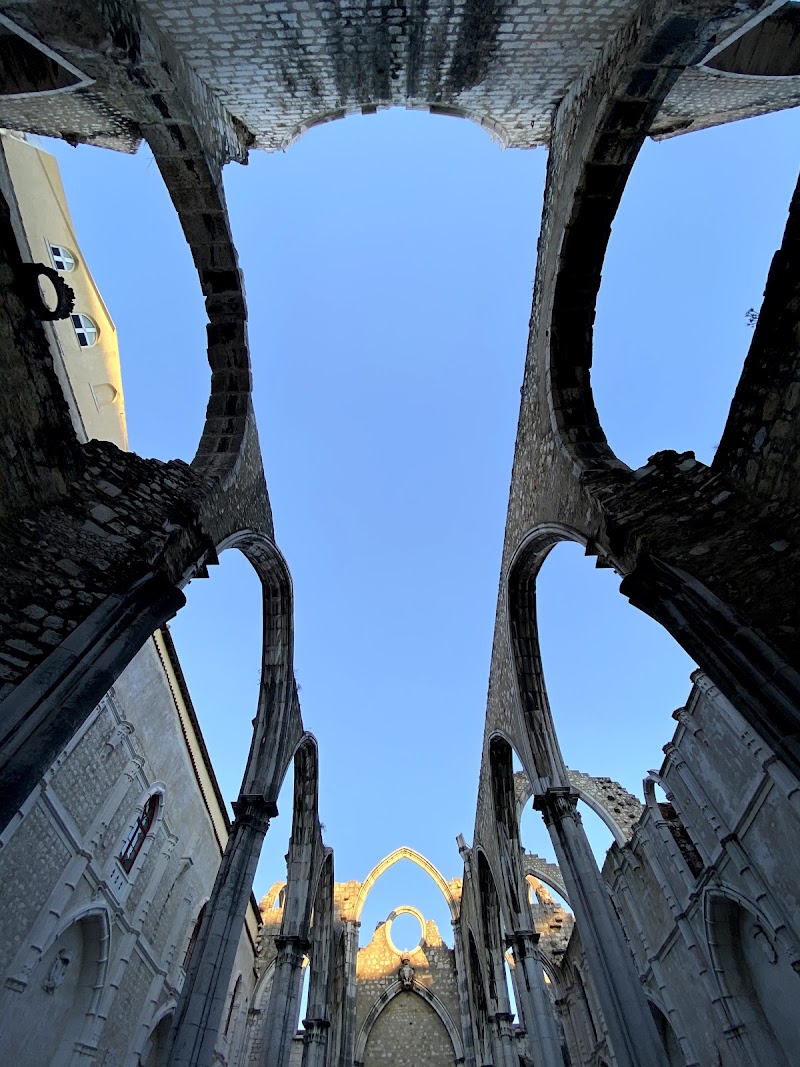
Portugal · Lisboa
Carmo Archaeological Museum: Lisbon’s Roofless Gothic Landmark
The open arches of the former Carmo Convent are the main draw, with a compact museum collection adding historical depth.
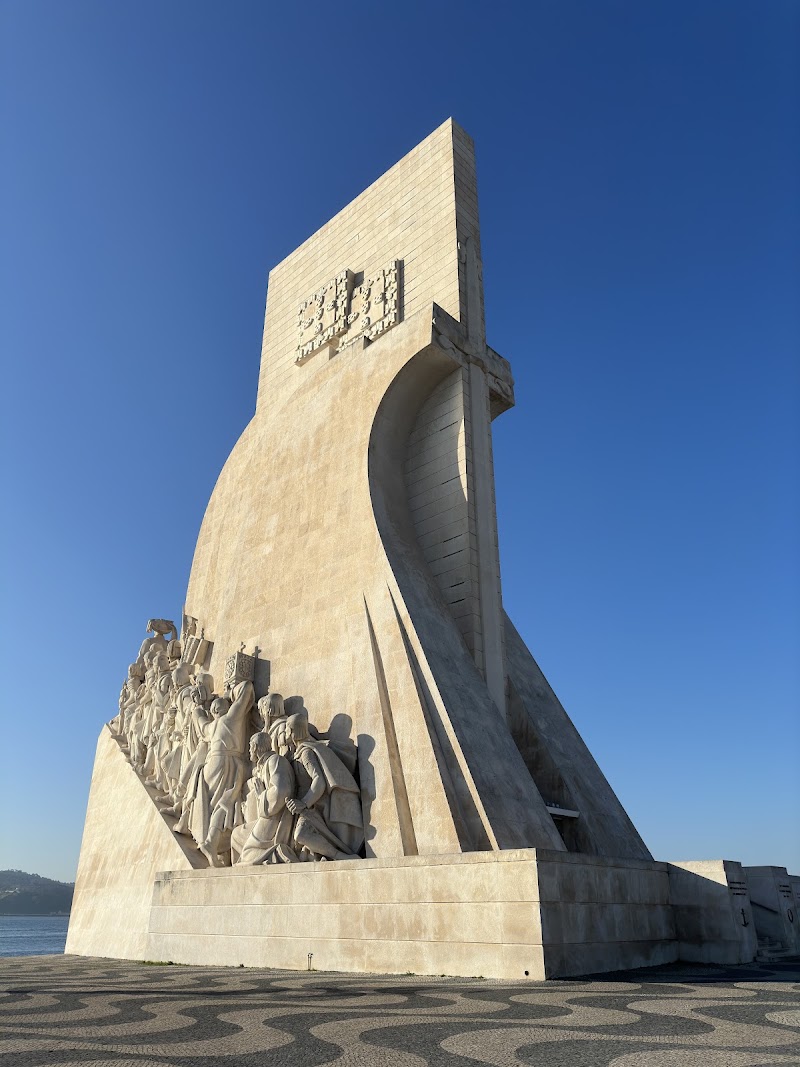
Portugal · Lisboa
Monument to the Discoveries: Lisbon’s Riverside Landmark
A striking Belém monument with detailed sculptures, an open riverside setting and an elevated view towards Belém Tower.

Portugal · Colares
Cape Roca: Atlantic Cliffs at Europe’s Western Edge
Cape Roca delivers huge Atlantic views and a memorable sense of place, though the visit is brief, exposed and often very windy.