Cape Roca: Atlantic Cliffs at Europe’s Western Edge
Cape Roca delivers huge Atlantic views and a memorable sense of place, though the visit is brief, exposed and often very windy.
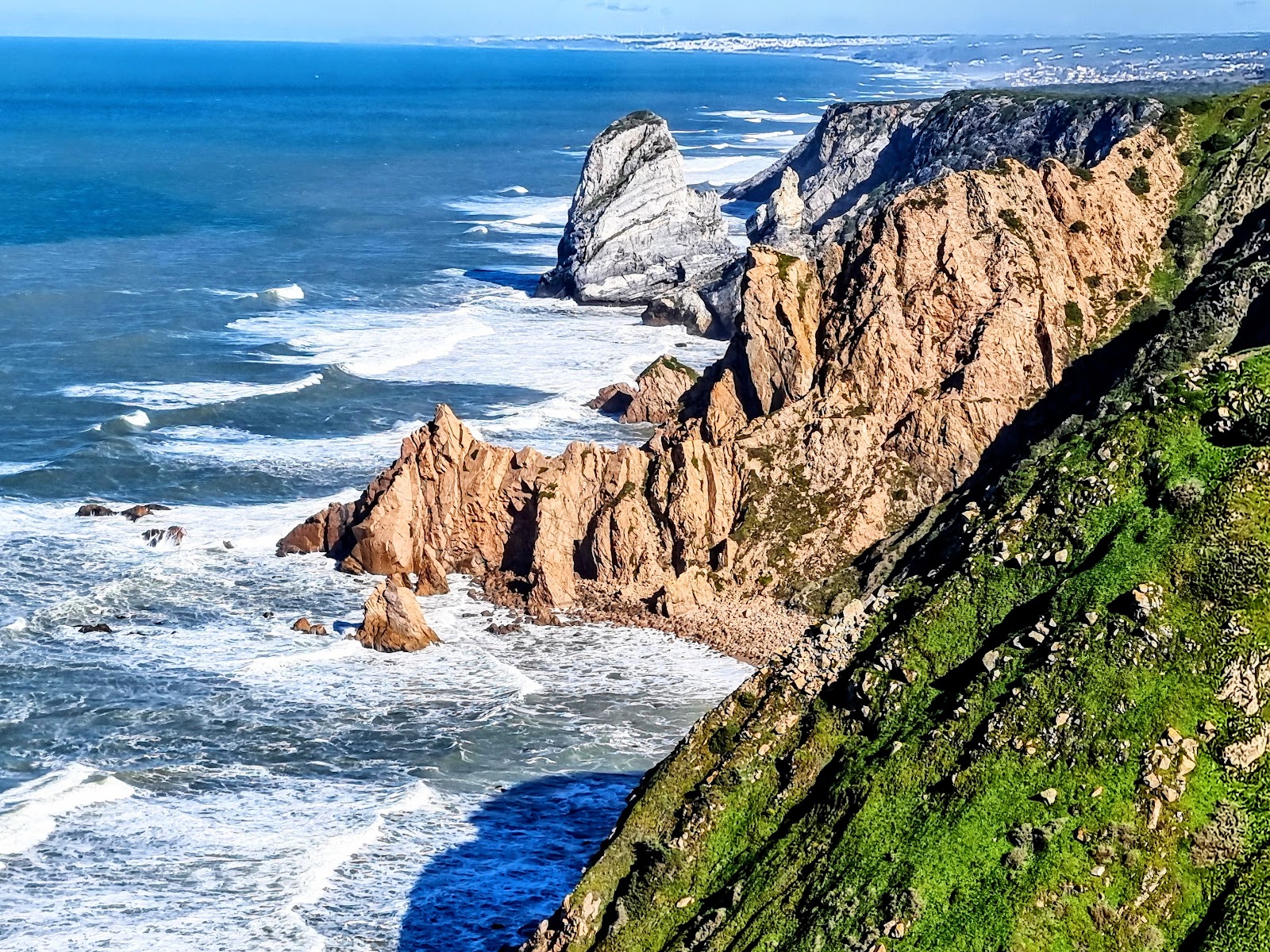
More photos
Photos published by travelers on Google, not AI generated.
What stands out
- Westernmost point of mainland Europe
- Atlantic Ocean and cliff views
- Memorable photo and check-in stop
- Easy addition to a Sintra-area tour
Worth knowing
- Strong, cold winds
- Changeable weather
- Can become busy
Don't miss
What comes up most in public reviews
- Stand at the westernmost point of mainland Europe
- Look across the Atlantic from the cliffs
- Bring a windbreaker or warm jacket
- Include it on a Sintra or Cascais day out
Worth the trip?
Cape Roca, also known as Cabo da Roca, is a landmark on the Atlantic coast near Colares, Portugal. Public ratings are exceptionally strong, with a 4.8 score from 71,299 Google reviews. The appeal is clear: this is the westernmost point of mainland Europe, a fact that gives a short stop considerable symbolic weight.
What the visit offers
The setting does most of the work. Visitors look across the Atlantic from high coastal cliffs, with open water stretching towards the horizon. Reviews repeatedly describe the scenery as breathtaking and the experience as special, particularly for travellers who want to stand at a geographically significant point.
This is primarily a scenic stop rather than a large attraction with a long programme of activities. Several reviewers describe it as a photo opportunity or check-in location, and that is a fair expectation. The main rewards are the cliff-top outlook, the ocean views and the feeling of reaching the edge of continental Europe. It suits a compact visit, especially when included in a wider Sintra or Lisbon-area itinerary.
Conditions on the headland
Wind is the defining practical detail. Reviewers consistently mention strong, cold gusts, even when the wider day is sunny. The exposed position makes the weather feel sharper than expected, and conditions can change quickly. A warm jacket or windbreaker is the most repeated piece of advice in the public reviews.
The weather also affects the atmosphere. On a clear day, the cliffs and ocean can look dramatic and expansive. In unsettled conditions, the same exposure may make the stop uncomfortable. Visitors should plan for weather rather than assuming that a pleasant forecast inland will mean calm conditions at the cape.
Planning the stop
Cape Roca is commonly visited on a bus tour of Sintra, and reviewers also mention bus access towards Cascais. It works well as part of a broader day out rather than as the sole destination. Some visitors report busy periods, particularly when tours arrive, so a quieter experience may depend on timing.
The site is best approached with realistic expectations. There is no suggestion in the reviews of an extensive indoor attraction or a need to spend many hours here. The experience centres on standing at the viewpoint, taking in the Atlantic and capturing the moment. Those seeking museums, detailed historical interpretation or a substantial hike may find the stop limited.
Editor’s verdict
Cape Roca earns its high public rating through setting and significance. The westernmost-point claim gives the visit a memorable hook, while the cliffs and ocean provide the visual payoff. Strong wind, changeable weather and occasional crowds are the main drawbacks.
For travellers touring Sintra, Cascais or the Lisbon area, it is an easy landmark to add when the route allows. The best visit is a short one with suitable clothing and time to pause at the cliff edge. The scene is powerful. The itinerary commitment is small.
Plan the rest of the trip
Ask anything
Looking for somewhere else?
Keep exploring around Colares
More from Portugal
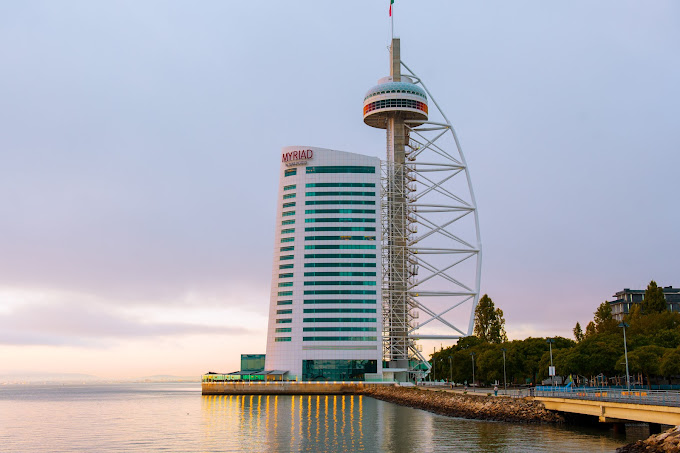
Portugal · Lisboa
Vasco da Gama Tower BABYLON 360º: Lisbon from Above
Public reviews praise the tower’s panoramic views, relaxed bar atmosphere and quick lift ride, with some reservations about window cleanliness and drink prices.
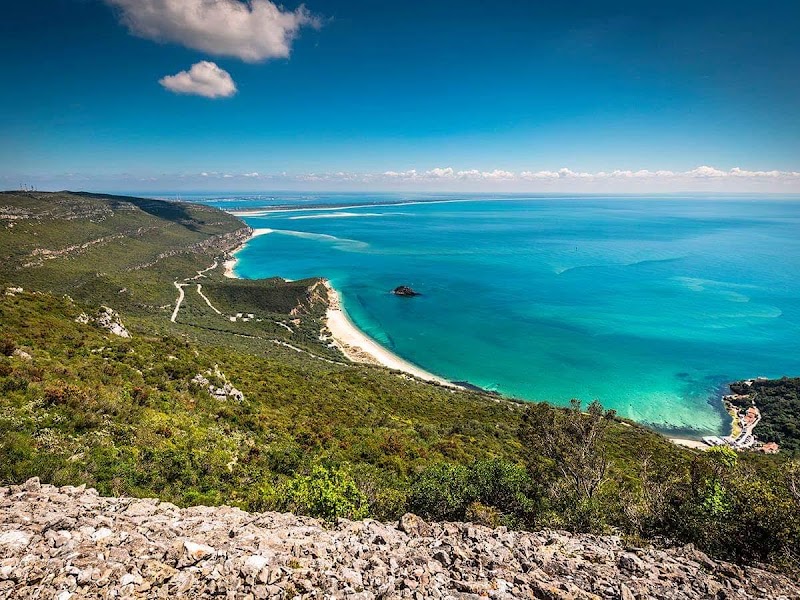
Portugal
Parque Natural da Arrábida: Coastal Views and Quiet Beaches
Public reviews praise this peaceful Portuguese nature park for dramatic coastal roads, beaches, cycling and views across the Sado estuary.
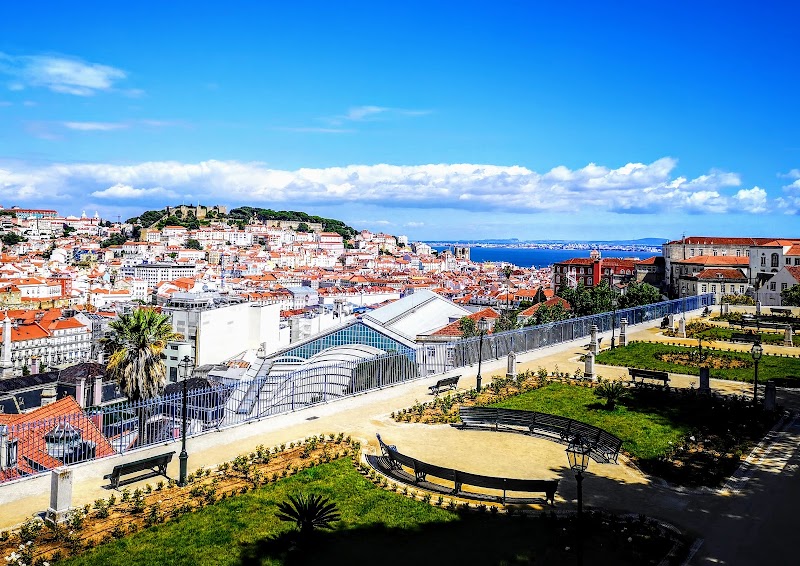
Portugal · Lisboa
Miradouro de São Pedro de Alcântara: Lisbon from Above
This landscaped viewpoint in Bairro Alto pairs broad Lisbon panoramas with a relaxed place to sit, listen to daytime music and watch the light change.
Portugal · Porto
Jardins do Palácio de Cristal: Porto’s Peaceful Viewpoint Park
A leafy Porto retreat with Douro views, shaded paths, free-roaming peacocks and enough variety for a slow walk or an easy run.