Carmo Archaeological Museum: Lisbon’s Roofless Gothic Landmark
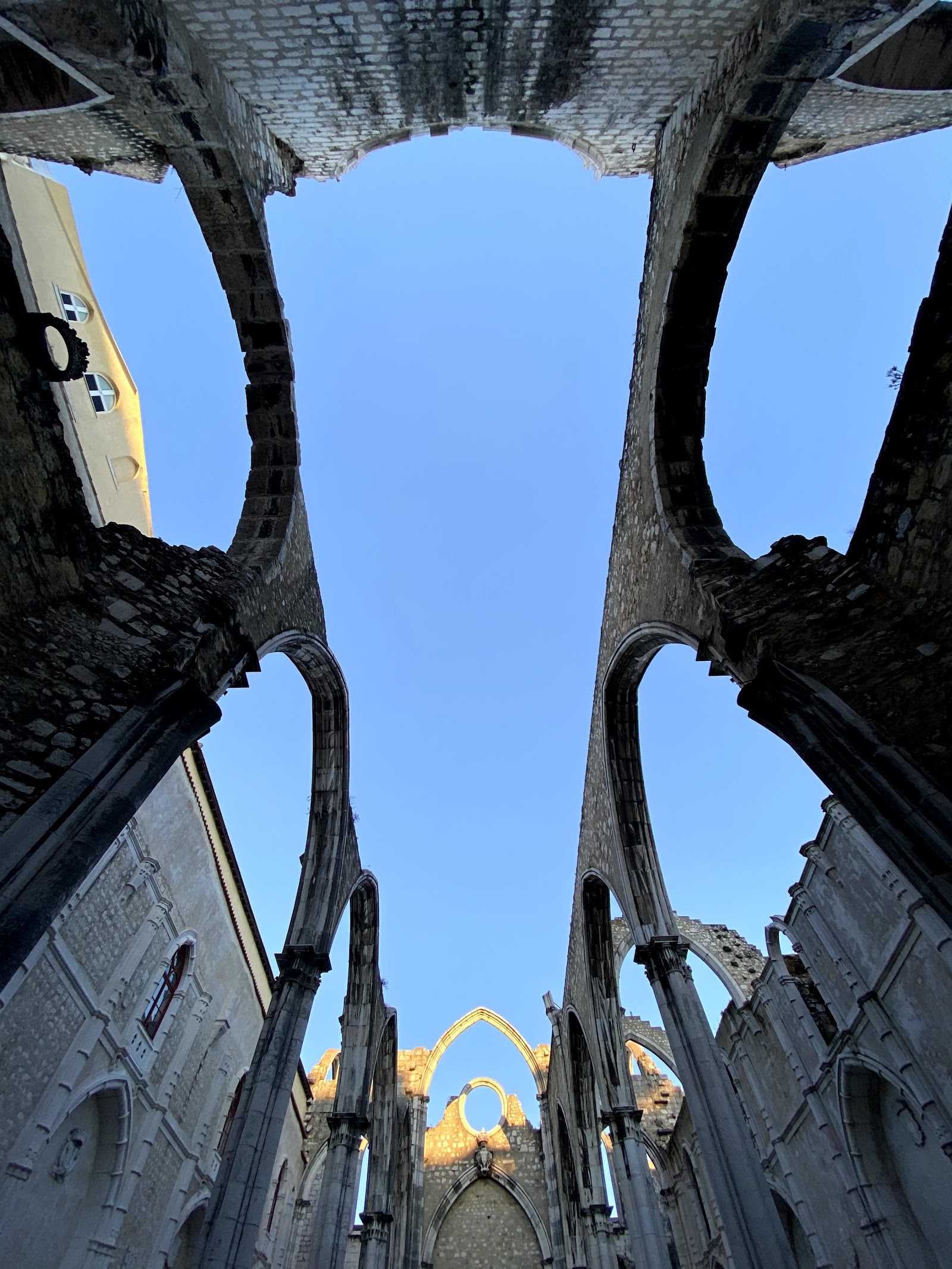
The open arches of the former Carmo Convent are the main draw, with a compact museum collection adding historical depth.
More photos
Photos published by travelers on Google, not AI generated.
What stands out
- Roofless Gothic arches under the open sky
- Ruins of the Carmo Convent
- Compact collection of historical artefacts
- Film projected onto the historic architecture
- Courtyard plaques explaining site features
Worth knowing
- The museum collection is small
- Some interpretation is only in Portuguese
- The ruined church is the main attraction
Don't miss
What comes up most in public reviews
- Walk beneath the open Gothic arches
- Watch the film projected onto the wall
- Read the courtyard feature plaques
- Browse the museum shop
Worth the trip?
Why visit
Carmo Archaeological Museum occupies the ruins of the Carmo Convent in central Lisbon. Public reviews consistently identify the roofless Gothic church as the defining experience. Its stone arches remain open to the sky, creating an unusual setting that feels more like an archaeological site than a conventional indoor museum.
The building was badly damaged in the 1755 earthquake, and that history shapes the visit. Reviewers describe the exposed structure as striking, atmospheric and strange in the best sense. The surrounding city remains close beyond the ruins, so the site feels connected to Lisbon rather than sealed away from it.
Google users give the museum 4.5 out of 5 from 21,754 reviews, a strong public response that reflects the impact of the setting. The museum is also repeatedly described as worth a stop during a Lisbon sightseeing day.
What the visit is like
The experience is split between the open-air church ruins and an indoor collection. Reviews describe the collection as small, with historical artefacts that add context to the convent and the wider history of the site. The courtyard includes plaques pointing out different features of the medieval structure.
The museum’s scale suits visitors who want a focused stop rather than a lengthy institution. Some reviewers find the artefacts interesting but feel that their stories are not always explained in enough detail. One recurring criticism concerns digital educational material being available only in Portuguese. That may limit the experience for visitors who do not read the language.
The atmosphere is a major advantage. Reviewers mention peaceful moments inside the ruins, with the arches and open sky doing much of the interpretive work themselves. The site photographs well, but the architectural experience matters more than any single object.
Details that stand out
A film projected onto a wall uses the existing architecture and is described positively in public reviews. One review says the narration is in both Portuguese and English. Visitors interested in the earthquake or the convent’s past should look for this presentation during the visit.
The museum shop is another recurring detail. Reviews mention distinctive items connected with the site, including products featuring Carlota, the museum’s resident cat. The cat is not the reason to come, but it has become part of the museum’s personality in visitor accounts.
Who should go
Carmo Archaeological Museum suits travellers interested in medieval buildings, Lisbon’s earthquake history and atmospheric historic places. It works particularly well as a short stop during a walking itinerary. The main attraction is the ruined church, while the museum collection provides a quieter second layer.
Visitors expecting a large museum or extensive interpretation may find it underwhelming. Those who value architecture, open-air ruins and a compact historical visit are more likely to leave satisfied. Public reviews suggest that the setting carries the experience, with the collection playing a supporting role.
Plan the rest of the trip
Ask anything
Looking for somewhere else?
Keep exploring around Lisboa
More from Portugal
Portugal · Lisboa
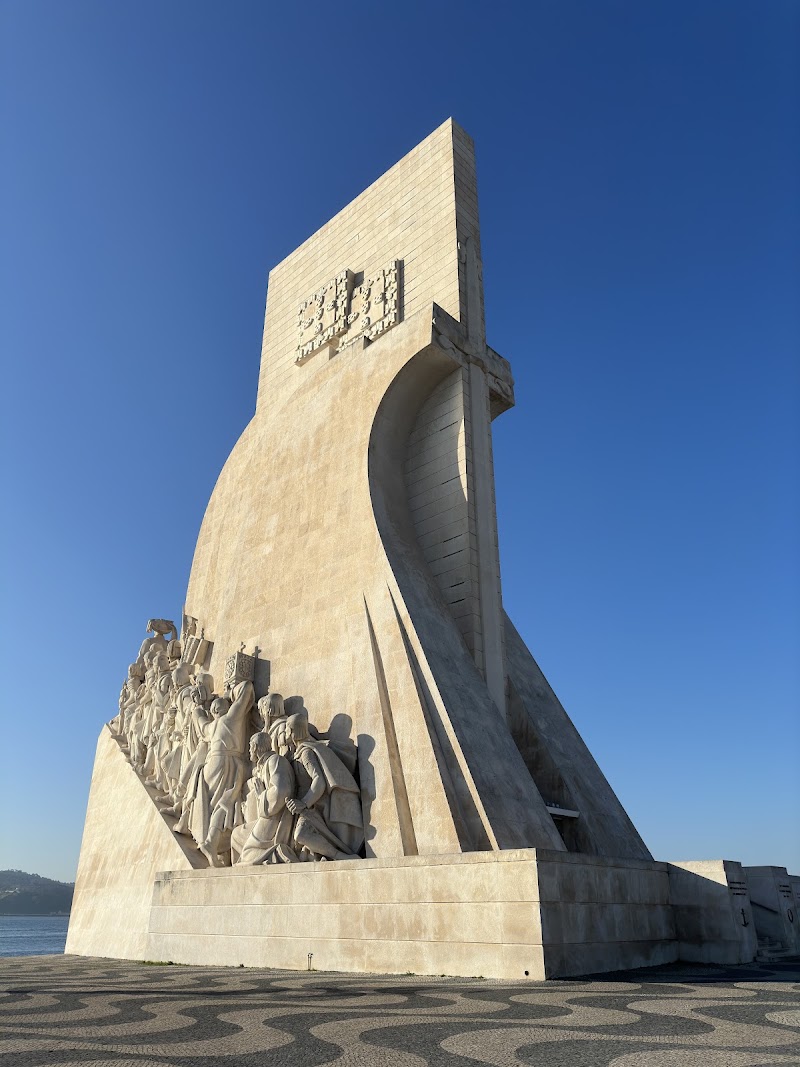
Monument to the Discoveries: Lisbon’s Riverside Landmark
A striking Belém monument with detailed sculptures, an open riverside setting and an elevated view towards Belém Tower.
Portugal · Colares
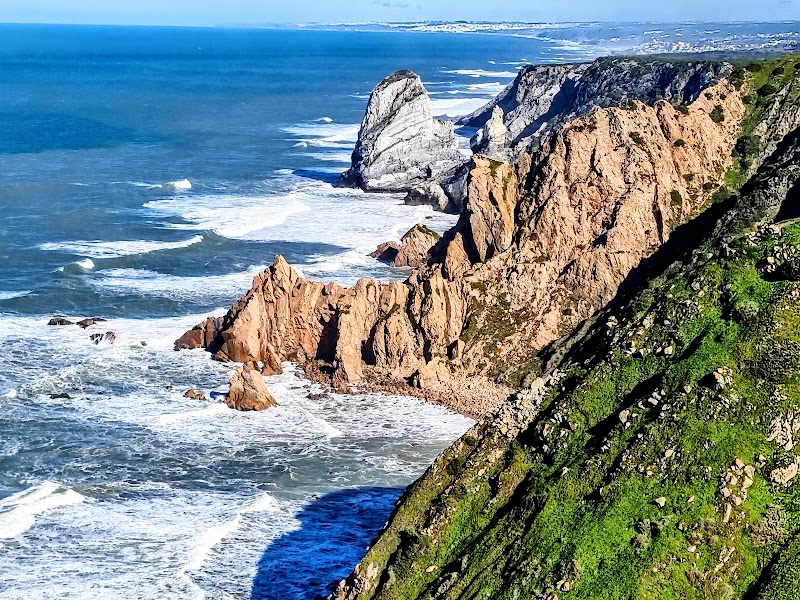
Cape Roca: Atlantic Cliffs at Europe’s Western Edge
Cape Roca delivers huge Atlantic views and a memorable sense of place, though the visit is brief, exposed and often very windy.
Portugal · Lisboa
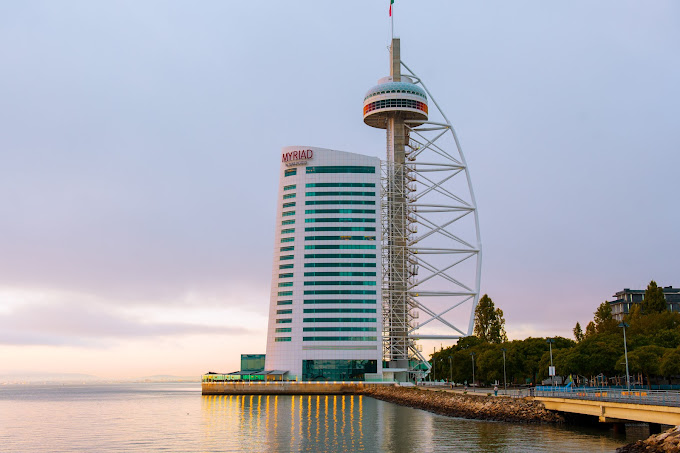
Vasco da Gama Tower BABYLON 360º: Lisbon from Above
Public reviews praise the tower’s panoramic views, relaxed bar atmosphere and quick lift ride, with some reservations about window cleanliness and drink prices.
Portugal
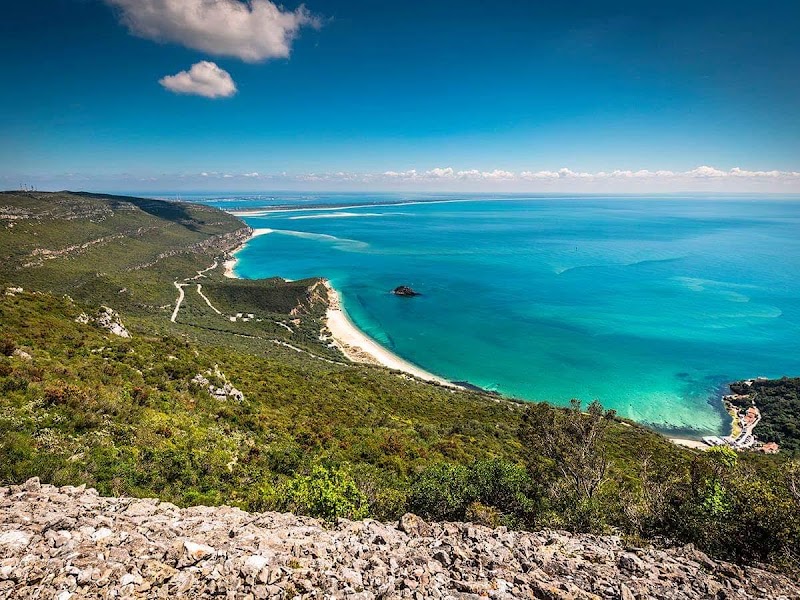
Parque Natural da Arrábida: Coastal Views and Quiet Beaches
Public reviews praise this peaceful Portuguese nature park for dramatic coastal roads, beaches, cycling and views across the Sado estuary.