Museo Casa de Sucre: A Short, Focused History Stop in Quito
Public reviews describe a free, compact museum with guided tours, period interiors and a clear introduction to Antonio José de Sucre’s life.
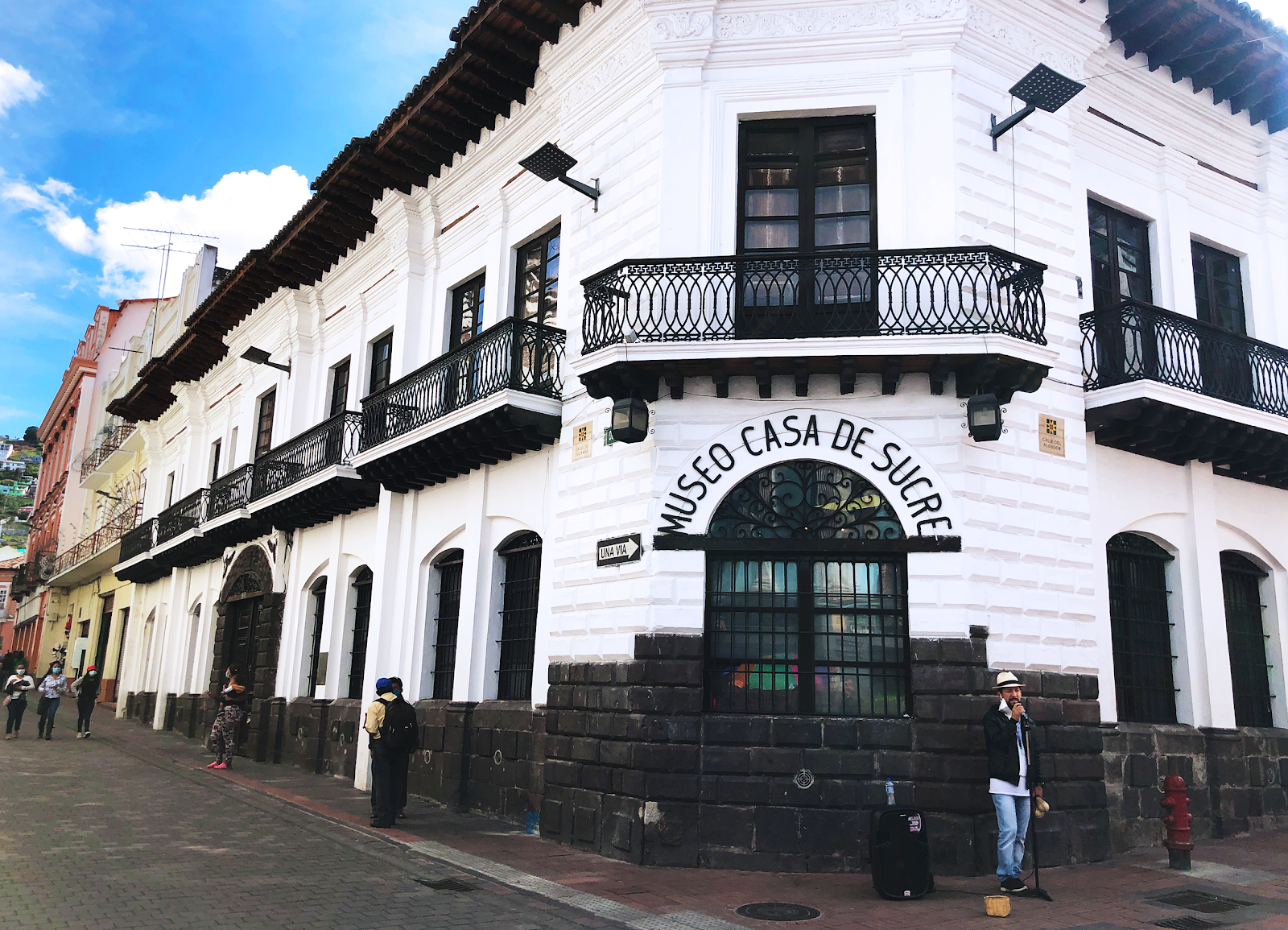
More photos
Photos published by travelers on Google, not AI generated.
What stands out
- Early 19th-century aristocratic house interiors
- Overview of Antonio José de Sucre’s life
- Context on Gran Colombia and South American history
- Free entry mentioned repeatedly in reviews
- Free guided tour mentioned by visitors
Worth knowing
- The guided tour may be in Spanish
- Tour schedules and facilities are not confirmed by the reviews
Don't miss
What comes up most in public reviews
- Take the guided tour
- See the early 19th-century house interiors
- Learn about Sucre’s life
- Ask about the tour language
Worth the trip?
What the reviews show
Museo Casa de Sucre earns a 4.6 rating from 822 Google reviews. The public feedback points to a small, focused museum rather than a full-day attraction. Several visitors say 30 minutes is enough for a useful visit, making it easy to fit into a wider Quito itinerary.
The subject is Antonio José de Sucre, the military and political figure whose life is connected to the independence of Gran Colombia and wider South American history. Reviewers find the museum interesting partly because it presents the house where Sucre lived. The setting gives the visit a domestic scale that differs from a conventional gallery.
What visitors come to see
The strongest recurring detail is the period house itself. One reviewer describes it as a good representation of what an aristocrat’s home would have looked like in the early 19th century. That makes the interiors central to the experience, not just a backdrop for information about Sucre.
Visitors also highlight the overview of Sucre’s life. The museum works best for people who want a concise introduction rather than an exhaustive historical study. Reviews mention the independence of Gran Colombia and the broader history of South America, so the visit can add context to Quito’s historic centre.
The experience is modest in scale. That is part of its appeal. It can fill a spare half-hour without demanding a major time commitment, and several visitors describe it as a worthwhile way to spend free time in the city.
Tours, language and access
Public reviews repeatedly mention free entry. Some also describe a free guided tour, with one reviewer saying visitors should definitely take it. The tour appears to add useful context to the rooms and Sucre’s story.
Language is the main practical consideration. One visitor enjoyed the museum but understood little because the tour was in Spanish. That does not make the visit unsuitable for non-Spanish speakers, but it does mean the guided experience may depend on language ability on the day.
Staff receive positive comments for being friendly. The reviews do not provide enough information to confirm tour schedules, accessibility arrangements or other visitor facilities, so those details should be checked before arrival.
Who should go
Museo Casa de Sucre suits history-focused travellers, visitors interested in South American independence and anyone looking for a compact stop in Quito. It is also a sensible option for travellers watching spending, since public reviews describe entry as free.
The museum is unlikely to satisfy someone seeking a large collection or a long, immersive attraction. Its value lies in the house, the historical setting and the guided explanation. A short visit can still feel substantial when the tour is available and understandable.
For the clearest experience, visitors should allow around 30 minutes and ask about the guided tour. Spanish speakers may get more from the commentary, while other visitors can still see the interiors and absorb the basic outline of Sucre’s life.
Plan the rest of the trip
Ask anything
Looking for somewhere else?
Keep exploring around Quito
More from Ecuador
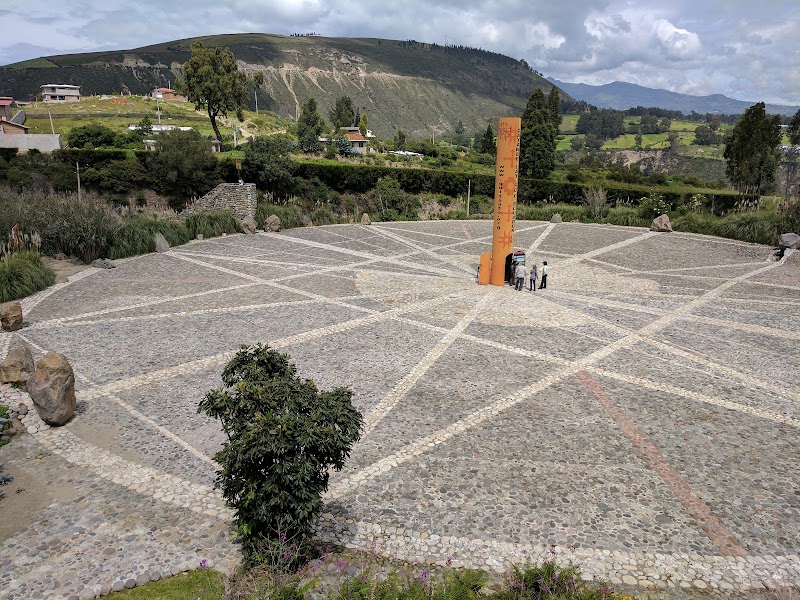
Ecuador · Norte
Quitsato Solar Clock Makes the Equator a Hands-On Lesson
Public reviews describe Quitsato Solar Clock as a thoughtful, well-kept stop for guided astronomy explanations, gardens and a clearer sense of the equator.
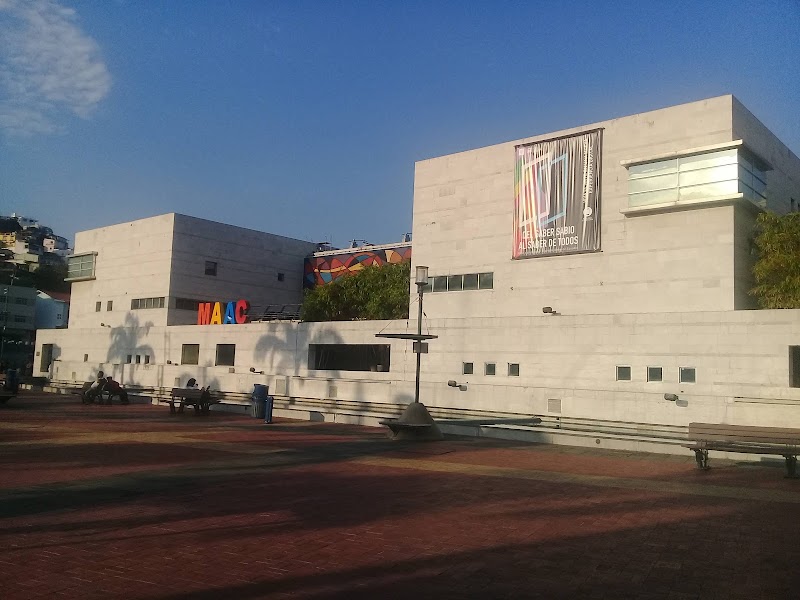
Ecuador · Guayaquil
MAAC Brings Ecuadorian History and Art Under One Roof
Public reviews value MAAC for its exceptional pre-Columbian pottery, approachable scale and free admission, though upkeep and Spanish-only displays can affect the visit.
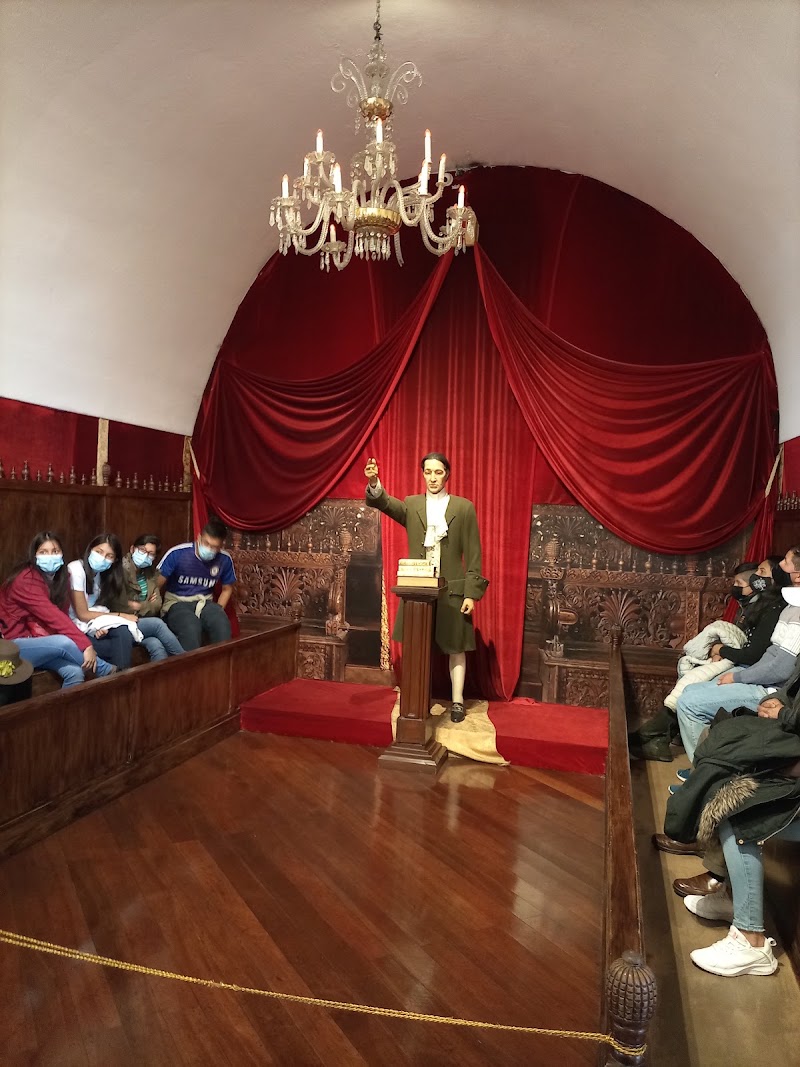
Ecuador · Quito
Alberto Mena Caamaño Museum Brings Quito’s History to Life
Wax figures, guided storytelling and a memorable prison-room test make this compact Quito museum a strong history stop.
Ecuador · Quito
National Museum of Ecuador: A Free, Focused History Visit
Public reviews praise the free entry and Pre-Columbian collection, though some visitors find the current displays limited and hard to follow.