Alberto Mena Caamaño Museum Brings Quito’s History to Life
Wax figures, guided storytelling and a memorable prison-room test make this compact Quito museum a strong history stop.
More photos
Photos published by travelers on Google, not AI generated.
What stands out
- Ecuadorian independence history
- Lifelike wax sculptures
- Guided group visits
- Interactive prison replica
- Family-friendly learning
Worth knowing
- Limited English may require phone translation
- Some historical scenes may feel intense
Don't miss
What comes up most in public reviews
- Ask about the guided group visit
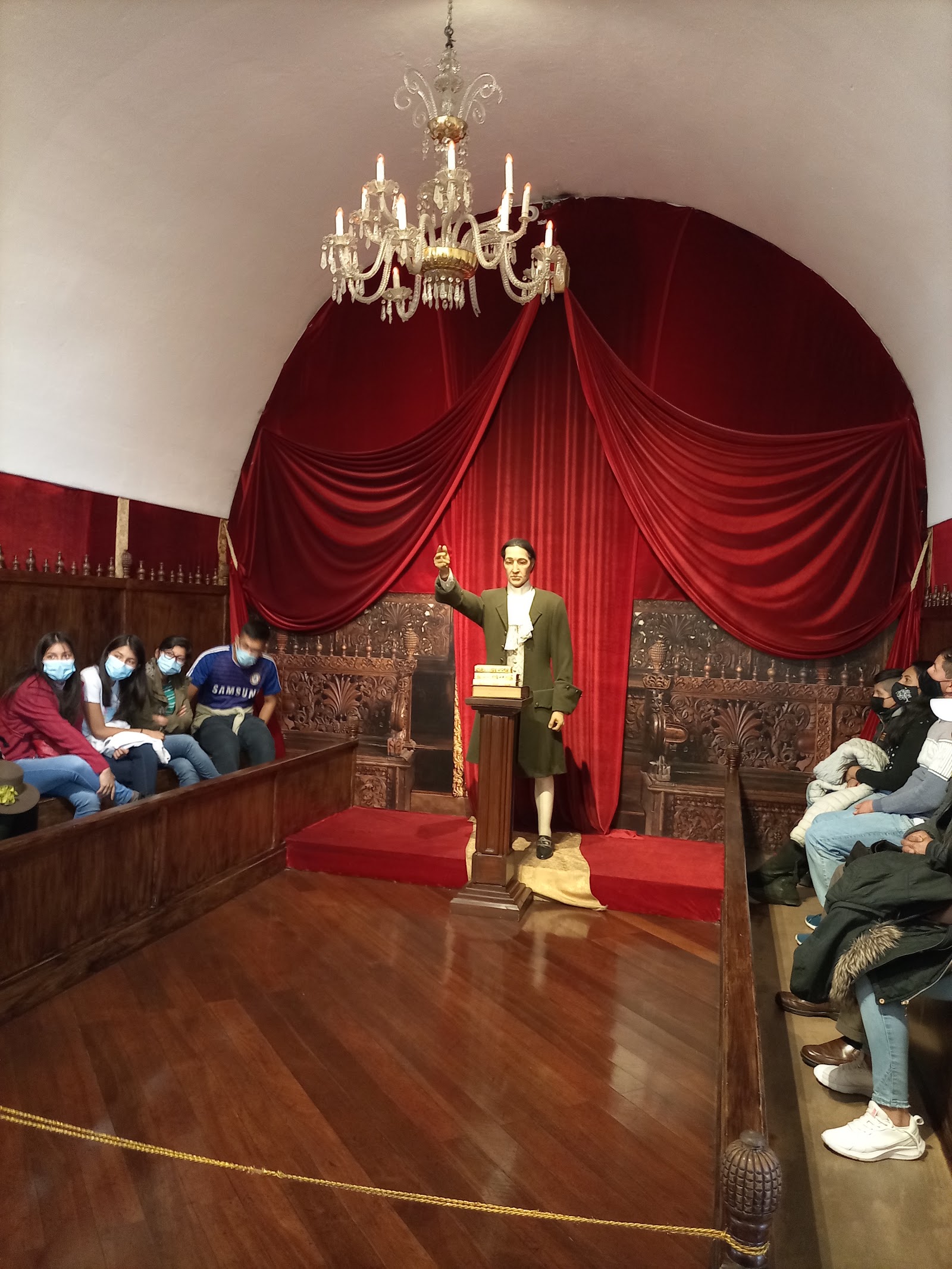
- See the wax scenes about the independence movement
- Listen for stories about the martyrs
- Take part in the prison-replica questions
Worth the trip?
What the reviews show
The Alberto Mena Caamaño Museum has a 4.7 rating from 1,418 Google reviews, with public feedback centred on its clear presentation of Ecuadorian history. Visitors describe a compact, engaging experience focused on the independence movement, the martyrs and the lives of several important individuals. One review estimates that the visit takes about an hour, making it easy to fit into a wider day in Quito.
The museum’s appeal comes from its visual approach. Lifelike wax sculptures help visitors picture historical scenes rather than relying only on labels or display cases. Several stages present different parts of the story, giving the visit a sense of progression. It is not presented in the reviews as a place for a quick photograph and exit. Visitors tend to leave having learned something.
A guided visit with a twist
Public reviews repeatedly mention staff-led visits. A staff member usually gathers a group and walks visitors through the museum, explaining the scenes and people on display. That guided format appears to be a major part of the experience, especially for travellers who want context rather than a silent look around.
One especially memorable review describes a guide locking visitors inside a prison replica. The group then had to answer questions about the preceding explanations before being released. It sounds playful, but it also reflects the museum’s effort to keep visitors involved in the history. That interactive element may be particularly effective for families and travellers who find conventional museums too passive.
Language and pacing
The museum suits visitors with an interest in Ecuadorian history, especially the independence period and the stories of those remembered as martyrs. Families also feature positively in the reviews, with visitors describing the experience as both enjoyable and educational.
English coverage may be limited. One reviewer relied heavily on a phone translator, which slowed the visit. Travellers who do not speak Spanish should allow extra time and arrive prepared to translate labels or explanations. The guided format can add useful context, though the available reviews do not establish how consistently English-language support is offered.
Who should go
The Alberto Mena Caamaño Museum works best as a focused historical stop in Quito, particularly for visitors who enjoy guided interpretation, theatrical displays and local stories. Its estimated one-hour duration keeps the commitment manageable. It also offers enough substance for a family visit, provided younger children are comfortable with historical scenes and the prison-room activity.
The public response is strongly positive, with reviewers describing the museum as beautiful, interesting and fun. The strongest reason to visit is its combination of Ecuadorian history, lifelike wax figures and an unusually interactive guide-led format. Travellers should ask about the next guided group on arrival and be ready for a visit that tests their attention.
Plan the rest of the trip
Ask anything
Looking for somewhere else?
Keep exploring around Quito
More from Ecuador
Ecuador · Quito
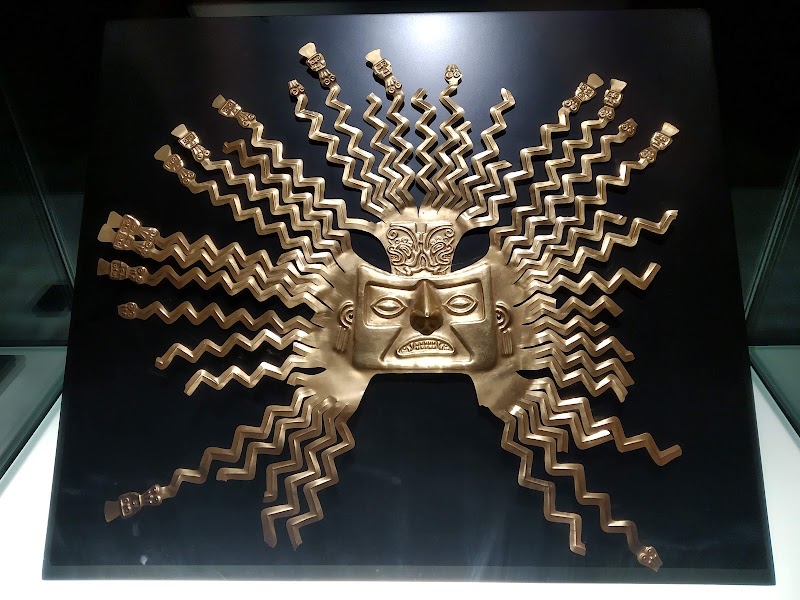
National Museum of Ecuador: A Free, Focused History Visit
Public reviews praise the free entry and Pre-Columbian collection, though some visitors find the current displays limited and hard to follow.
Ecuador · Quito
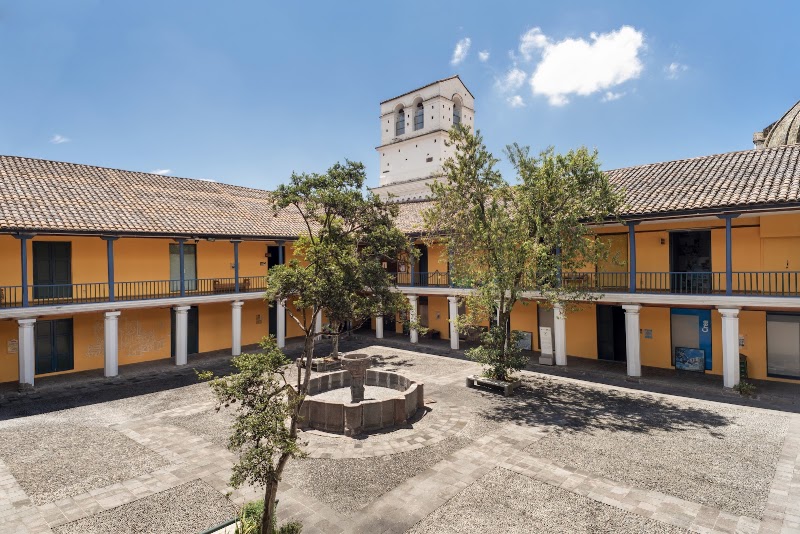
Museum of the City: Quito’s History in Focus
Public reviews describe a thoughtful Quito museum with well-presented exhibits, friendly staff and the chance to ask about its bell tower.
Ecuador · Quito
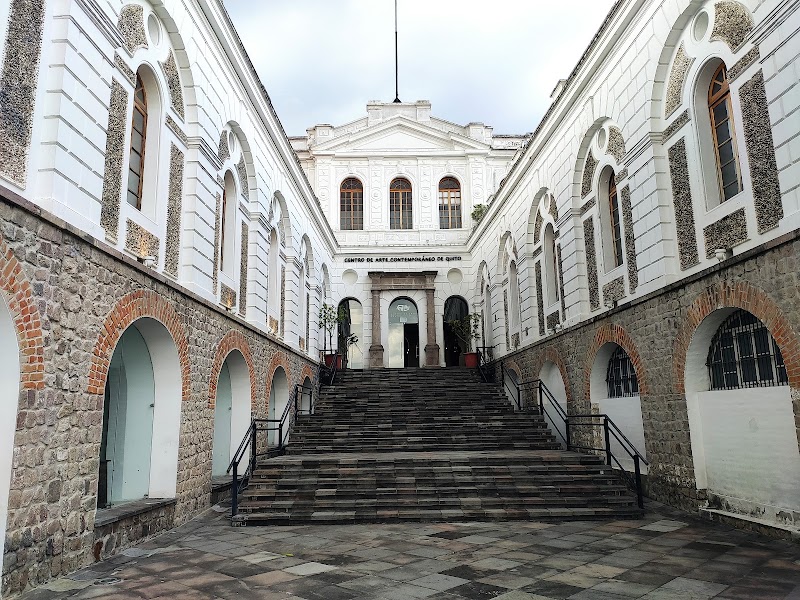
Contemporary Art Center of Quito: Art in a Former Hospital
A free contemporary art museum in a beautifully restored former military hospital, close to Quito’s historic center and the Basilica del Voto Nacional.
Ecuador · Quito
Intiñan Equator Museum: Hands-On Lessons Near Quito
Public reviews describe an engaging, guide-led visit focused on Ecuador, the equator landmark and memorable science demonstrations.