Quitsato Solar Clock Makes the Equator a Hands-On Lesson
Public reviews describe Quitsato Solar Clock as a thoughtful, well-kept stop for guided astronomy explanations, gardens and a clearer sense of the equator.
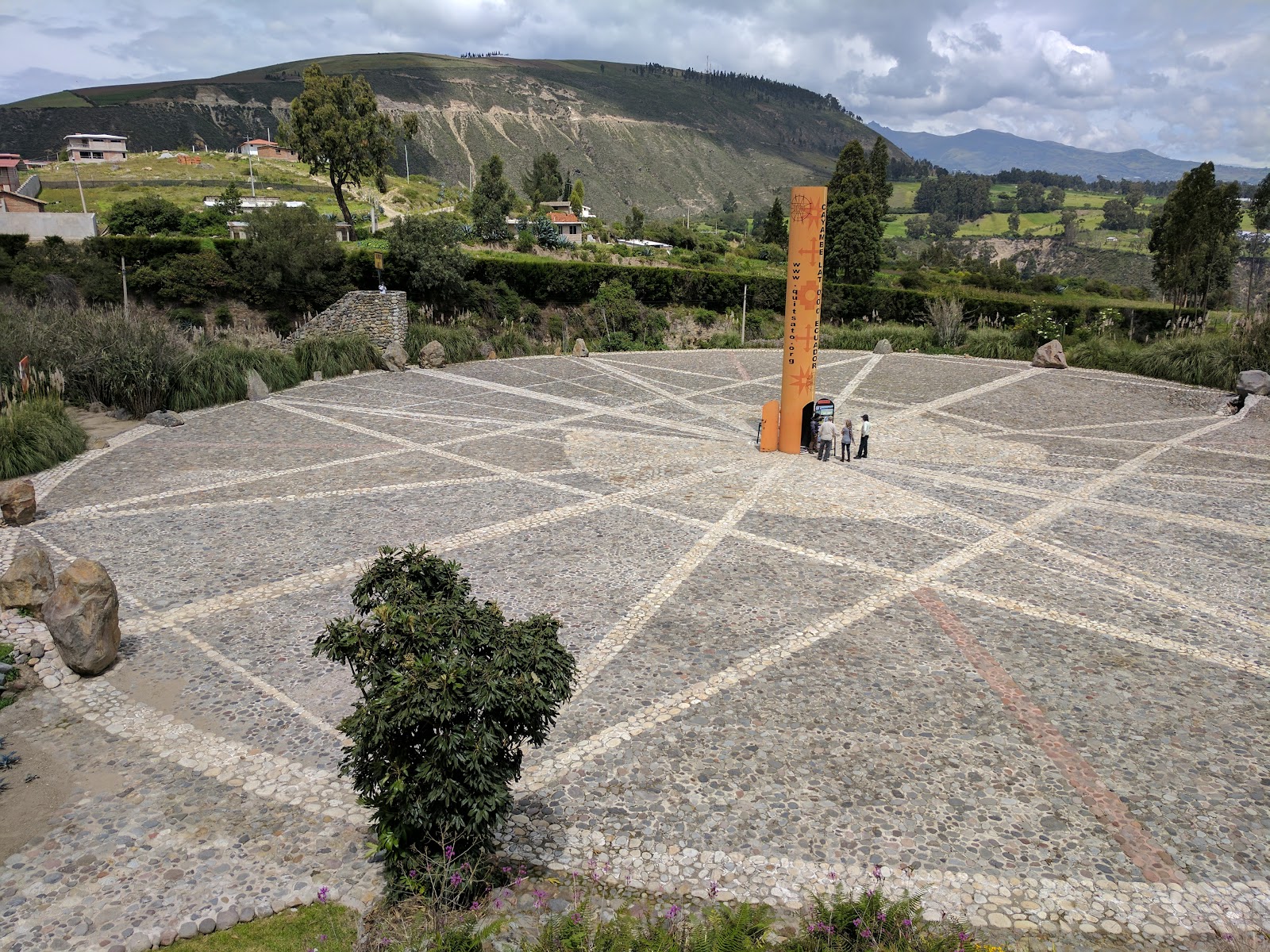
More photos
Photos published by travelers on Google, not AI generated.
What stands out
- Knowledgeable guided tours
- Equatorial astronomy explanations
- Agave garden and wider grounds
- Well-kept facilities
- Less crowded atmosphere
Worth knowing
- The site may require a drive
- Check presentation times before visiting
Don't miss
What comes up most in public reviews
- Join the guided tour
- Stay for the final presentation
- Try the phone compass activity
- Explore the agave garden
- Ask about the equatorial line and Earth’s rotation
Worth the trip?
Why visit
Quitsato Solar Clock is an outdoor and museum-style attraction in Norte, Ecuador, built around the equatorial line and the astronomical ideas connected to it. Public reviews give it a 4.6 rating from 1,204 reviews, with visitors repeatedly describing the experience as unusual, informative and worth the drive.
The appeal is not limited to standing on a marked line. Reviewers mention explanations of equatorial phenomena, diagrams, the direction of Earth’s rotation and the curvature of the planet. The site also connects its interpretation to the history of scientific knowledge, including references to Sir Isaac Newton. That makes the visit more substantial than a quick photo stop.
What the visit is like
Guided tours are a recurring strength in the reviews. Visitors describe guides as passionate and knowledgeable, and one review specifically notes an English-language tour. Another recommends staying for the presentation at the end, suggesting that the final talk can add useful context to the grounds and exhibits.
The museum offers visual explanations rather than relying only on the location itself. A compass experiment with a phone is mentioned as a simple, entertaining way to engage with the site’s themes. It is the kind of stop that works best when visitors allow time to listen, ask questions and test the ideas being discussed.
Grounds and atmosphere
The gardens receive positive attention, with visitors given time to explore them after the guided portion. An agave garden is singled out for its impressive collection. That detail gives the attraction a quieter botanical side, adding texture to a visit focused on astronomy and geography.
Several reviews describe the facilities as well kept. One visitor found the attraction less crowded and less gimmicky than similar equatorial museums. That comparison matters for travellers who want interpretation and space to look around, rather than a purely staged photo opportunity.
Planning the stop
The available reviews support allowing at least several hours, especially if the visit includes the tour, the concluding presentation, the museum explanations and the gardens. Quitsato Solar Clock can suit travellers interested in geography, astronomy, science history or distinctive roadside attractions. It also works for visitors looking for an educational break during a drive in Norte, Ecuador.
The exact price level is not established by the supplied listing information. Visitors should check current opening details and presentation times before setting out, particularly if the final talk is a priority. The strongest review pattern is clear: arrive with enough time for the guided experience, then stay to explore the grounds at a slower pace.
Plan the rest of the trip
Ask anything
Looking for somewhere else?
Keep exploring around Norte
More from Ecuador
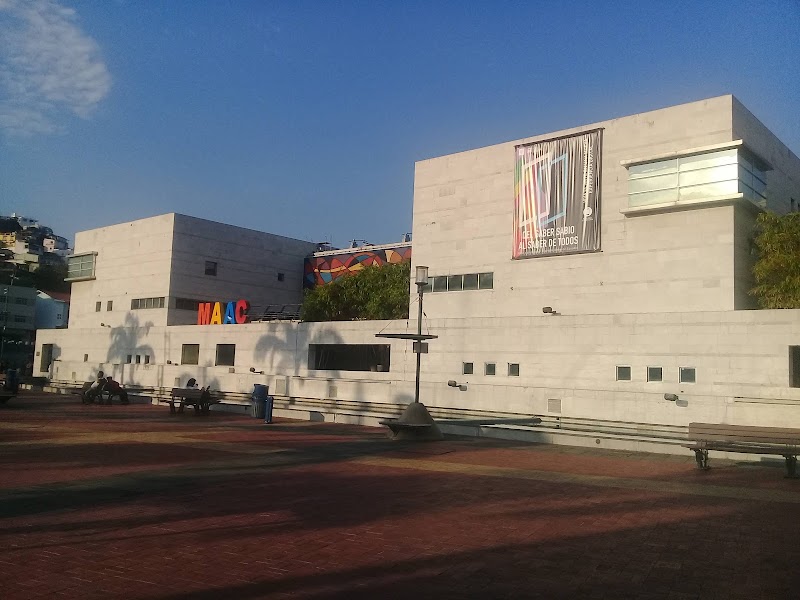
Ecuador · Guayaquil
MAAC Brings Ecuadorian History and Art Under One Roof
Public reviews value MAAC for its exceptional pre-Columbian pottery, approachable scale and free admission, though upkeep and Spanish-only displays can affect the visit.
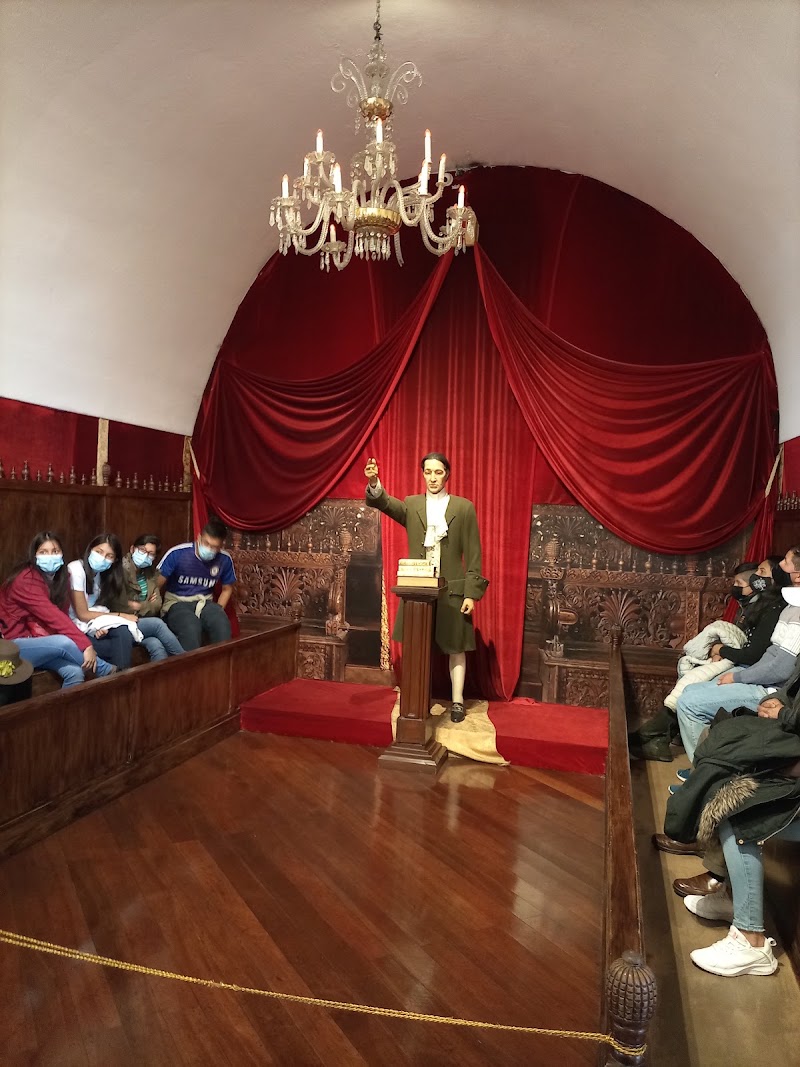
Ecuador · Quito
Alberto Mena Caamaño Museum Brings Quito’s History to Life
Wax figures, guided storytelling and a memorable prison-room test make this compact Quito museum a strong history stop.
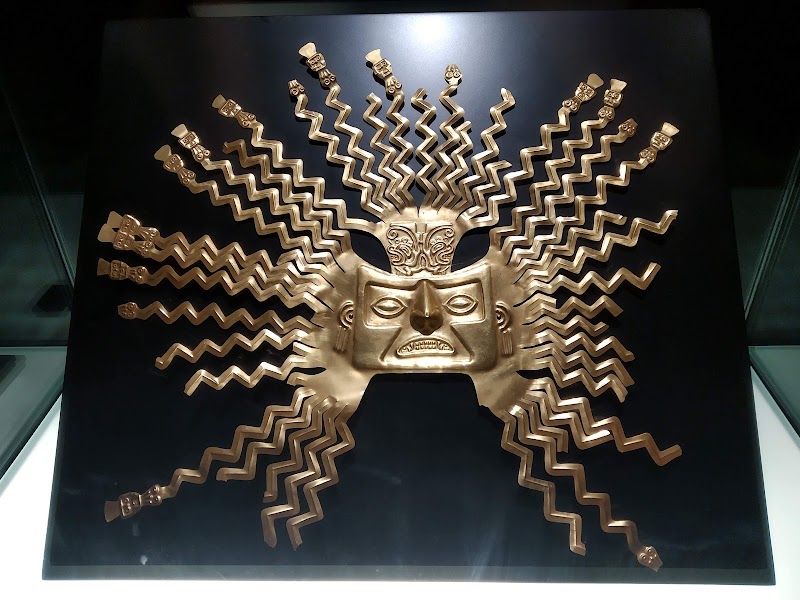
Ecuador · Quito
National Museum of Ecuador: A Free, Focused History Visit
Public reviews praise the free entry and Pre-Columbian collection, though some visitors find the current displays limited and hard to follow.
Ecuador · Quito
Museum of the City: Quito’s History in Focus
Public reviews describe a thoughtful Quito museum with well-presented exhibits, friendly staff and the chance to ask about its bell tower.