Jan Palach and Jan Zajíc Memorial, Prague
A restrained Wenceslas Square memorial honouring two students whose deaths became a powerful symbol of resistance to communist rule.
More photos
Photos published by travelers on Google, not AI generated.
What stands out
- Polished granite portraits of Jan Palach and Jan Zajíc
- Flowers and personal tributes
- Prominent Wenceslas Square setting
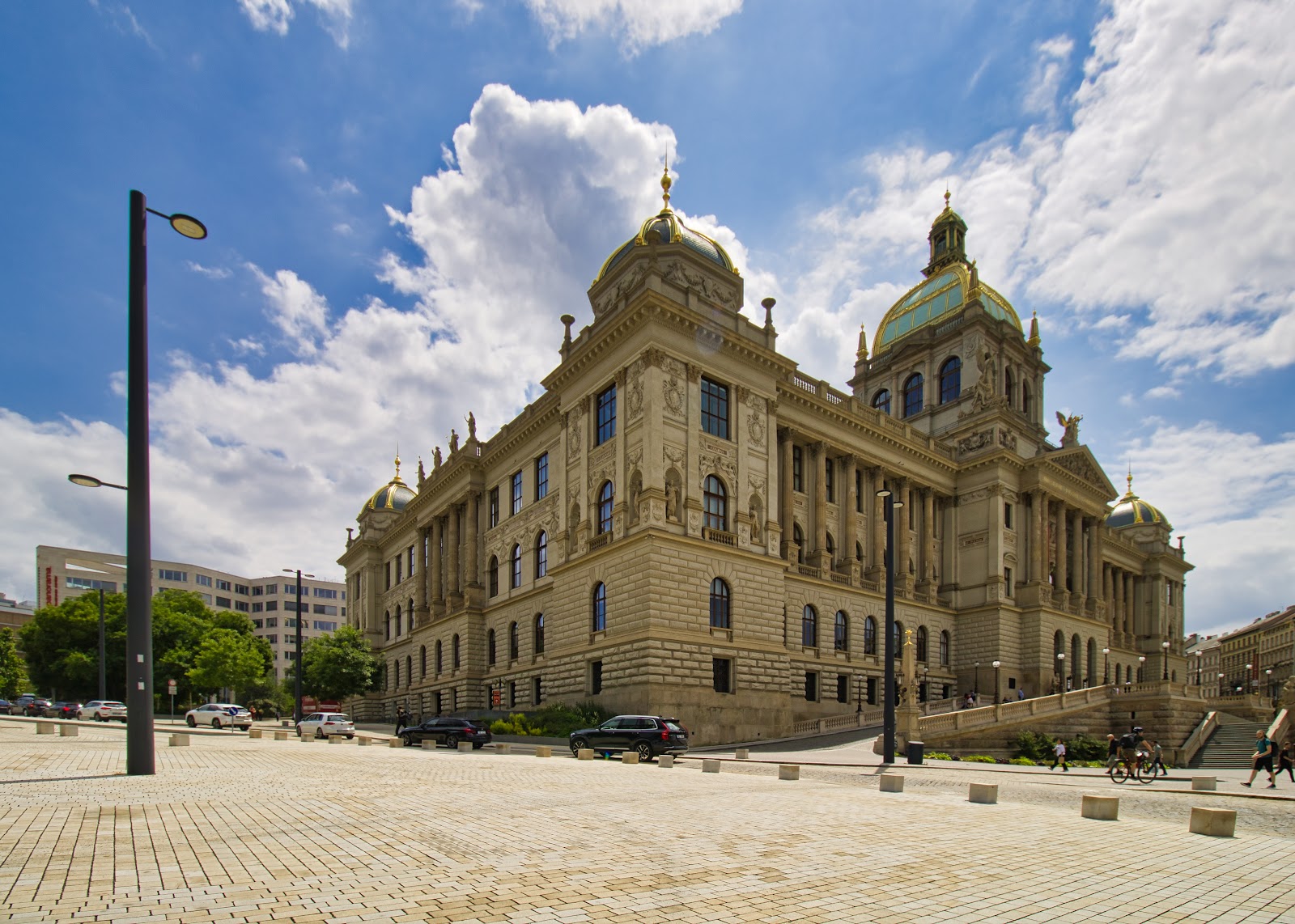
- Close to the National Museum
- A solemn reminder of resistance to communist rule
Worth knowing
- Easy to miss in the busy square
- A very brief, understated visit
Don't miss
What comes up most in public reviews
- Read the engraved portraits
- Look for flowers and tributes
- Combine the stop with the National Museum
- Walk through Wenceslas Square
Worth the trip?
Why it matters
The Jan Palach and Jan Zajíc memorial marks a serious chapter in Czechia’s modern history. Public reviews describe it as a tribute to two students who protested against communist rule and political apathy after the Soviet-led invasion of 1968. Jan Palach set himself on fire in January 1969. Jan Zajíc followed a month later.
The memorial was unveiled in January 2000. Its setting in Wenceslas Square gives it unusual weight. This is not an isolated monument in a quiet garden. It stands in one of Prague’s most prominent public spaces, where shoppers, commuters and museum visitors pass throughout the day.
What visitors see
The monument is understated. Reviews repeatedly describe polished granite engraved with portraits of Palach and Zajíc, along with flowers and personal tributes placed nearby. The design does not dominate the square. That restraint is part of its effect, leaving the historical meaning to carry the visit.
The Google listing records a rating of 4.6 from 370 reviews. Reviewers call the memorial simple, solemn and powerful. Several note that it can be easy to miss, especially when approached as part of a busy walk through the square. Visitors who pause at the site tend to find that its scale does not diminish its importance.
Planning the stop
The memorial suits visitors interested in Prague’s twentieth-century history, public art and sites connected with the struggle against communism. It also works as a brief stop during a central Prague itinerary. The National Museum is repeatedly mentioned in visitor comments, making the memorial a natural addition for people already exploring the upper end of Wenceslas Square.
No admission information is provided in the listing, and the site is described as a public monument rather than a ticketed attraction. A visit does not need much time. The main requirement is attention. Looking closely at the portraits, reading the surrounding context and noticing the flowers can turn a passing sighting into a meaningful pause.
Editor’s take
This is not a landmark for elaborate architecture or a long programme of activities. It is a compact historical memorial with a strong emotional charge. The reviews show that visitors value its symbolism more than its physical scale.
The best approach is to visit respectfully and allow a few quiet minutes. A stop here pairs well with the National Museum and a wider walk through Wenceslas Square. It is especially worthwhile for travellers who want Prague’s political history represented alongside its better-known historic buildings.
The memorial’s main weakness is visibility. It may be overlooked by anyone moving quickly through the square. That is also why it rewards deliberate planning. A small monument, clearly remembered.
Plan the rest of the trip
Ask anything
Looking for somewhere else?
Keep exploring around Praha 1
More from Czechia
Czechia · Prace
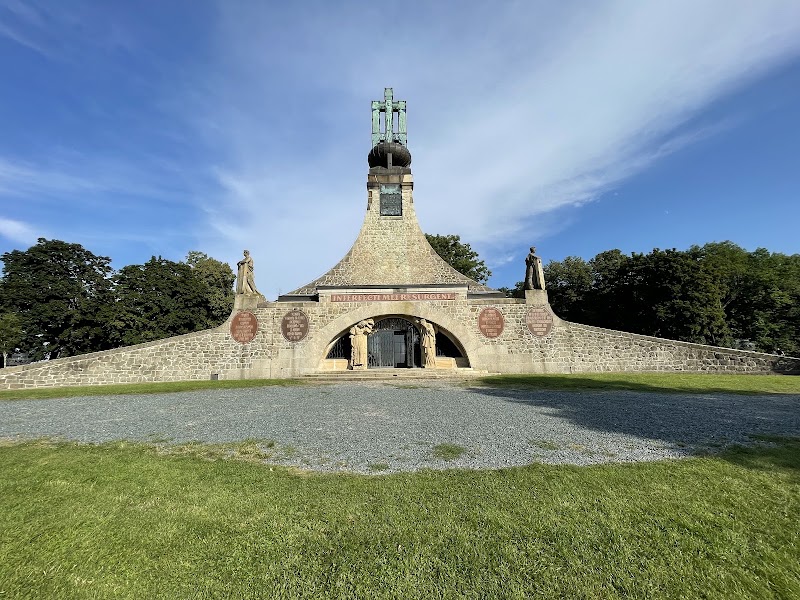
The Cairn of Peace: Austerlitz History on Pratzberg
The Cairn of Peace combines a striking battlefield monument with a compact museum, though renovation and limited English information can affect the visit.
Czechia · Praha 1
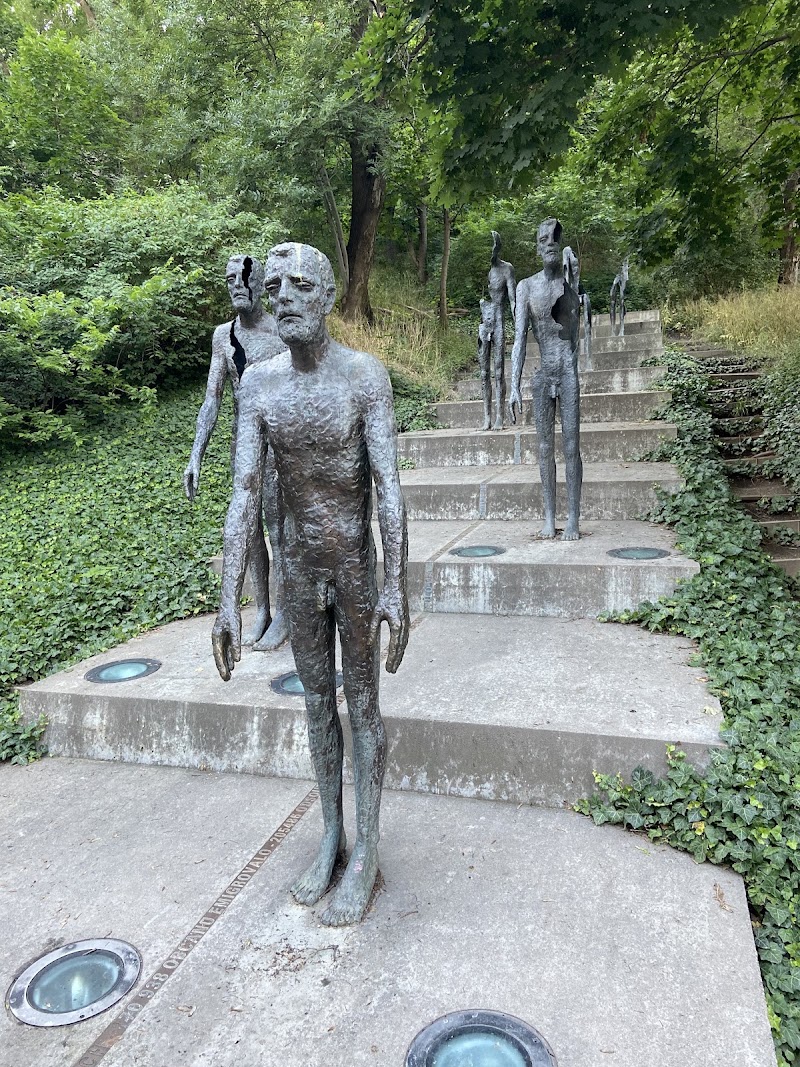
A Haunting Memorial to Communism’s Victims in Prague
Public reviews describe a powerful, sombre monument whose fading figures leave visitors reflecting on suffering, loss and the legacy of communism.
Czechia · Praha 1
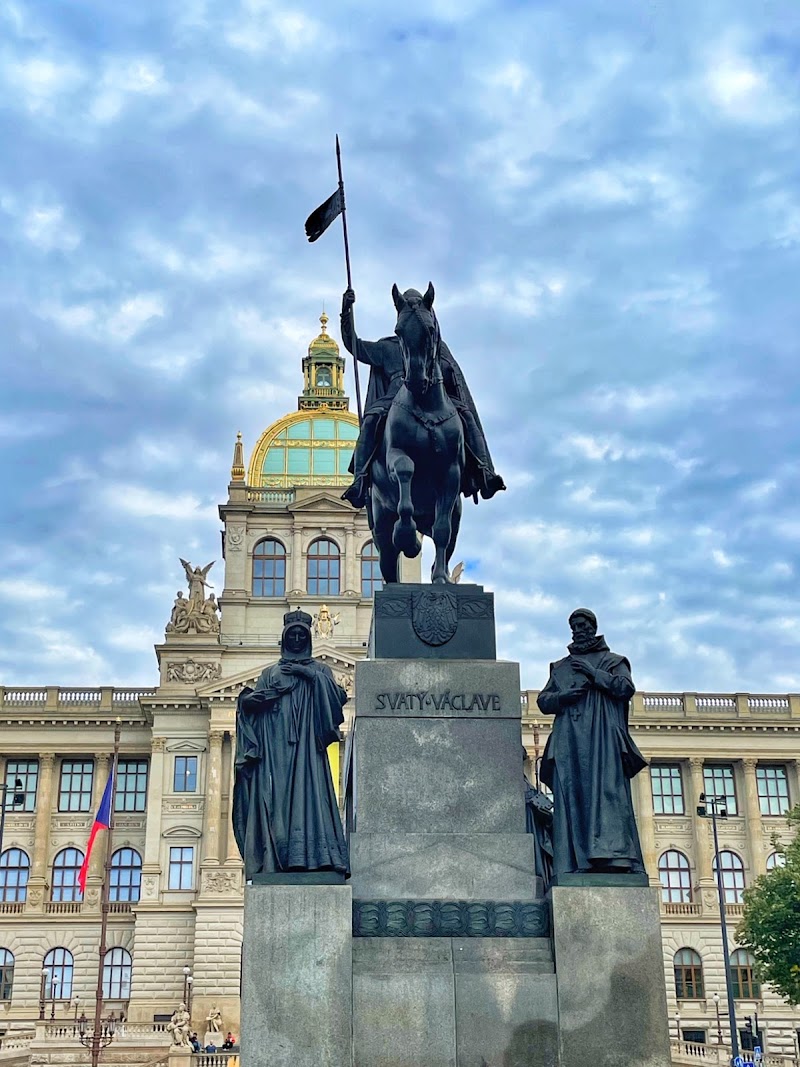
Statue of Saint Wenceslas, Prague’s Historic Meeting Point
This prominent bronze monument at the top of Wenceslas Square makes a worthwhile stop for visitors exploring Prague’s shops, cafés and modern Czech history.
Czechia · Praha 1
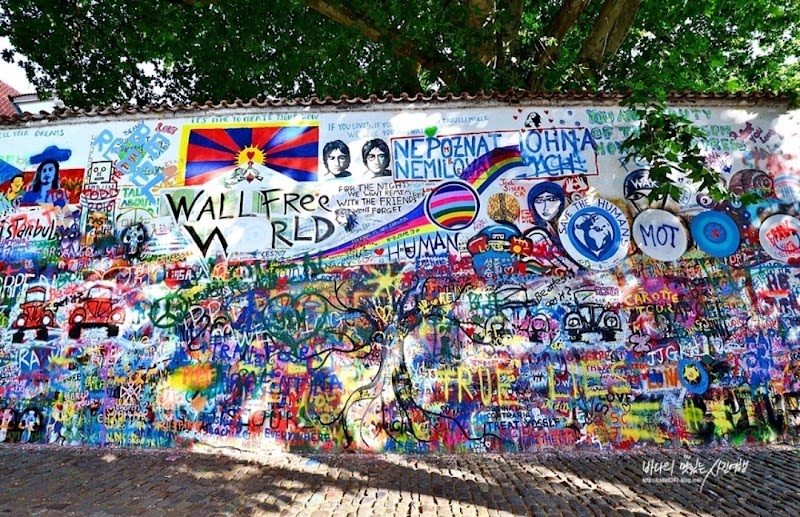
Lennon Wall: Prague’s Ever-Changing Symbol of Freedom
Lennon Wall is a quick, meaningful Malá Strana stop, praised for its history and colour but criticised when crowds, stickers and fading paint take over.