Lennon Wall: Prague’s Ever-Changing Symbol of Freedom
Lennon Wall is a quick, meaningful Malá Strana stop, praised for its history and colour but criticised when crowds, stickers and fading paint take over.
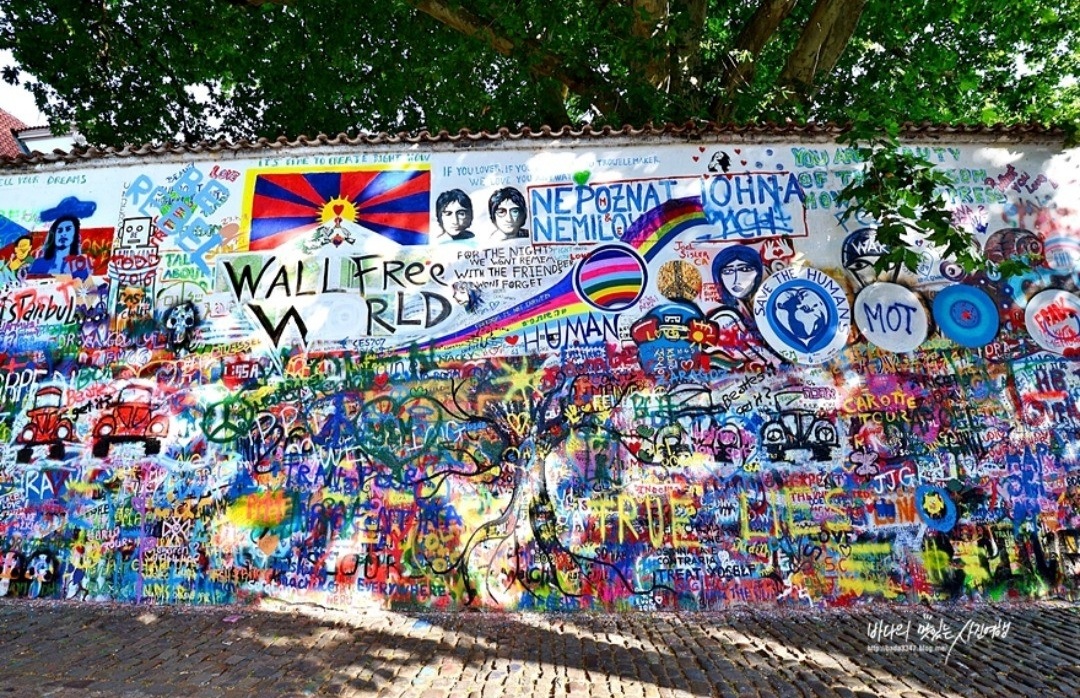
More photos
Photos published by travelers on Google, not AI generated.
What stands out
- Changing street art and messages
- Peace and freedom symbolism
- Near Charles Bridge
- Quiet Malá Strana setting
- Connection with 1980s silent protest
Worth knowing
- Crowds can block photographs
- Faded paint and stickers
- Some sections look poorly maintained
Don't miss
What comes up most in public reviews
- Read the peace and freedom messages
- Look for changing artwork
- Walk from Charles Bridge through Malá Strana
Worth the trip?
What public reviews show
Lennon Wall has a 4.1 rating from 47,186 Google reviews. The overall picture is positive, though not unanimous. Many visitors see it as a lively symbol of peace, free speech and artistic expression. Its artwork changes over time, giving repeat visitors something different to examine. Others find the surface too cluttered, poorly maintained or less visually striking than expected.
The wall is in Malá Strana, in Praha 1, close to Charles Bridge and the French Embassy. That location shapes much of its appeal. It fits easily into a walk through one of Prague’s busiest sightseeing areas, and several reviews describe it as worthwhile when already nearby. It is not usually treated as a destination requiring a long visit. A quick stop is the common pattern.
Why it matters
The strongest reviews look beyond the photographs. They describe the wall as a site connected with silent protest during the 1980s, when students wrote lyrics about peace and freedom in opposition to the communist regime. That history gives the painted surface more weight than an ordinary photo backdrop.
The wall’s meaning is still interpreted through its messages, artwork and layers of public expression. Visitors interested in modern history, political symbolism or street art are likely to get more from the stop than people seeking a polished monument. The setting itself is calm, according to one reviewer, even though the nearby attractions can be crowded.
What the visit is like
The visual experience depends heavily on timing and personal taste. Supporters like the saturated colours, changing designs and sense that every visit reveals something new. Critics report faded paint, an excess of stickers and vandalised sections. For them, the wall looks messy rather than artistic. Expectations matter. It is an outdoor surface that changes constantly, not a carefully preserved gallery display.
Crowds are another recurring issue. Visitors may need patience to get a clear photograph, particularly during busier parts of the day. Early morning is specifically recommended by reviewers seeking quieter conditions and unobstructed pictures. The visit itself is brief, with the surrounding area providing the reason to linger.
Who should stop here
Lennon Wall suits travellers already exploring Malá Strana, especially those walking between Charles Bridge and nearby sights. It is also a useful stop for visitors drawn to public art and Prague’s twentieth-century political history. The experience may disappoint anyone expecting pristine colours, a large formal monument or a lengthy attraction.
The practical verdict is simple: allow time for one look, read the messages, take a photograph if the crowd permits, then continue through the neighbourhood. Its strongest quality is its symbolism. Its weakest is its inconsistent upkeep. Public feedback supports visiting, but not building an entire day around it.
Plan the rest of the trip
Ask anything
Looking for somewhere else?
Keep exploring around Praha 1
More from Czechia
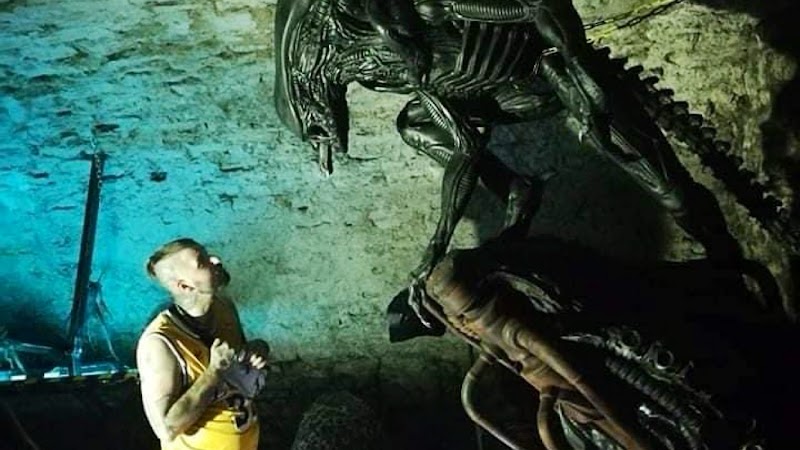
Czechia · Kutná Hora 1
Film Legends Experience Museum, Kutná Hora: AvP in the Cellar
A highly rated, atmospheric exhibition of Alien, Predator and film-inspired replicas in an old cellar beneath Kutná Hora.
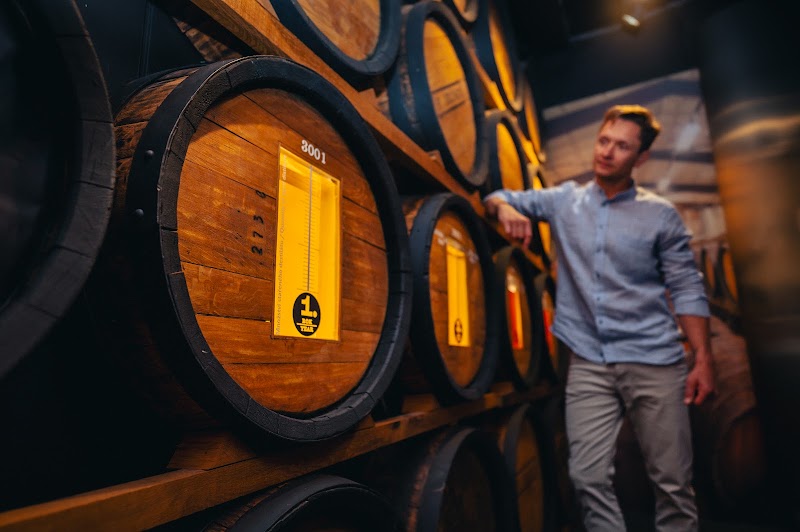
Czechia · Praha 1
Muzeum Slivovice R. Jelínek: A Spirited Prague Stop
This compact Malá Strana museum pairs Czech plum-brandy history with interactive exhibits, tastings, a shop and a well-regarded restaurant.
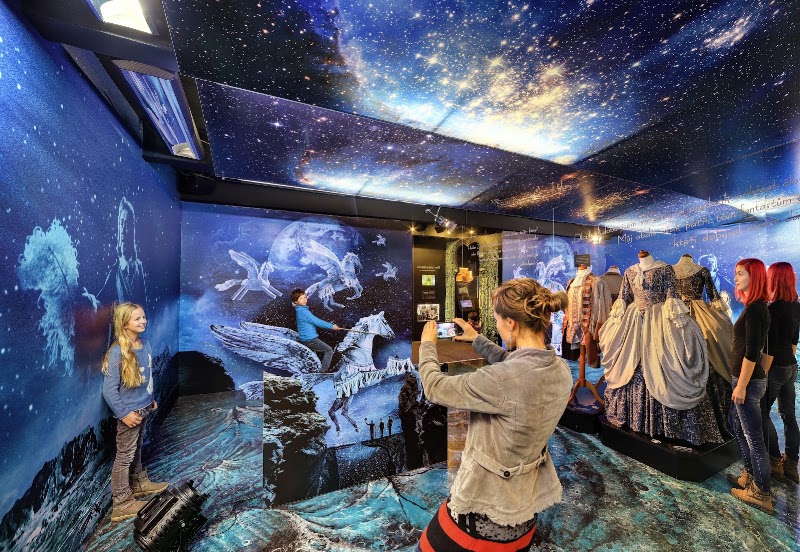
Czechia · Praha 1
Karel Zeman Museum: Prague’s Hands-On Film Effects Stop
A compact, interactive museum in Prague that introduces Karel Zeman’s inventive filmmaking through puppets, special effects and film-making activities.
Czechia · Praha 1
Speculum Alchemiae: Prague’s Underground Alchemy Tour
A short guided visit beneath one of Prague’s historic buildings, with tunnels, artifacts and a vivid look at the city’s alchemical past.