A Haunting Memorial to Communism’s Victims in Prague
Public reviews describe a powerful, sombre monument whose fading figures leave visitors reflecting on suffering, loss and the legacy of communism.
More photos
Photos published by travelers on Google, not AI generated.
What stands out
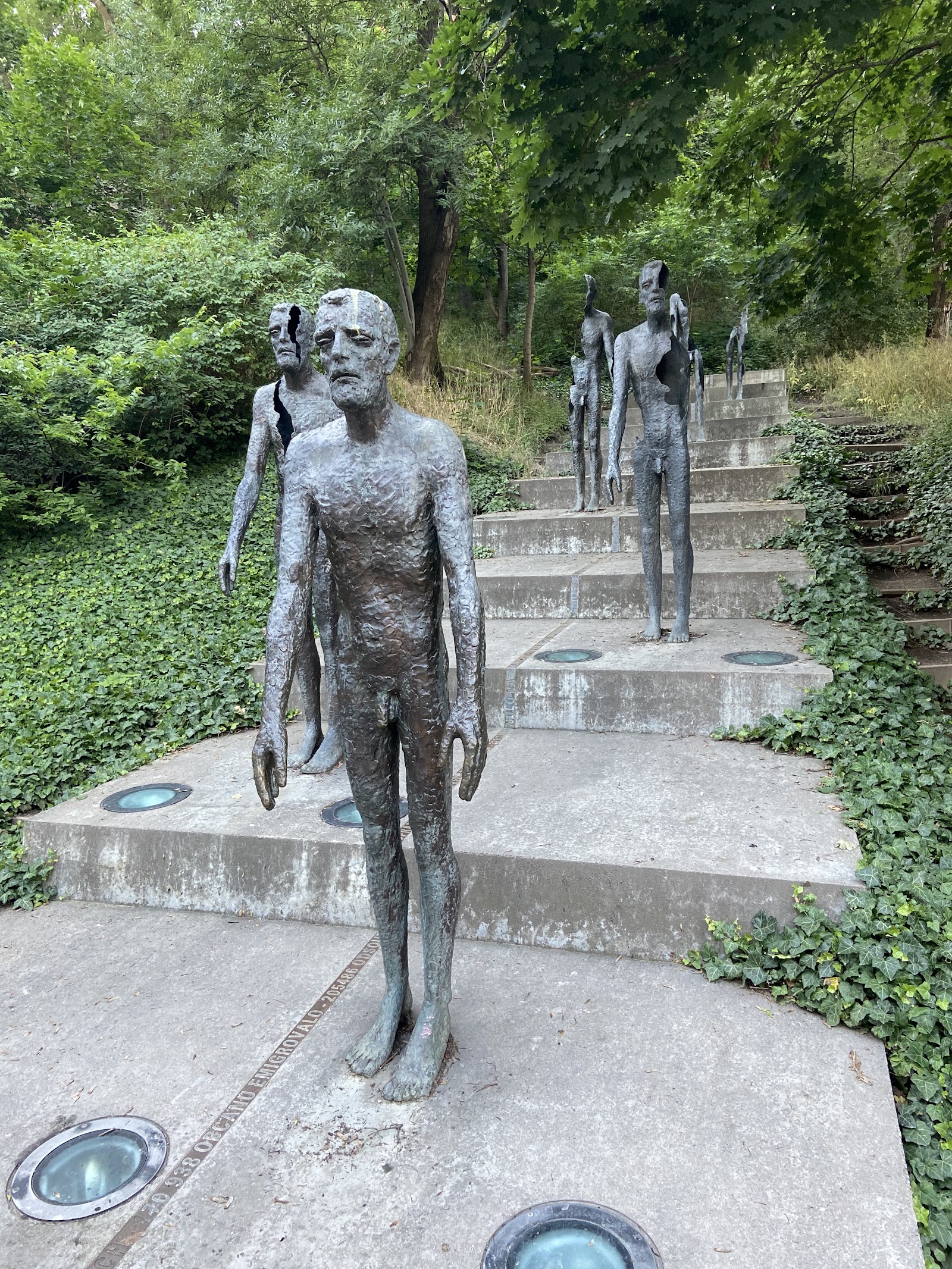
- Progressively fading human figures
- Haunting and emotional atmosphere
- Strong symbolism of suffering and loss
- Calm setting for reflection
- Nearby Petřín Garden walk
Worth knowing
- Sombre subject matter
- May feel heavy for young children
- Photos may not convey the monument’s impact
Don't miss
What comes up most in public reviews
- Walk up the hill
- Study the fading figures
- Pause to reflect at the monument
- Continue with a walk through Petřín Garden
Worth the trip?
What visitors find
The Memorial to the Victims of Communism is a serious historical landmark in Praha 1, Czechia. Public ratings give it 4.5 out of 5 from 2,995 reviews, with the strongest response focused on its emotional force rather than on a long list of things to do.
Visitors repeatedly describe the monument as powerful, haunting and difficult to forget. Several reviews say the sculpture creates an eerie, uncanny feeling that photographs do not fully convey. The mood is quiet and heavy. It is not a quick photo stop for most people who respond positively to the site. The memorial asks for a pause.
The meaning of the sculpture
The central visual idea is a series of figures that progressively deteriorate as they descend the stairs. Reviewers read this as a symbol of suffering, loss and destruction during the communist era. The damaged bodies give the monument its force. They also make the message immediately legible, even for visitors who arrive without extensive historical background.
Public commentary often turns from the sculpture to the people represented by it. One review describes the figures as reminders of broken families and lives lost under a totalitarian regime. Another calls the work sorrowful, powerful and silent in its message. Those reactions suggest that the memorial works through atmosphere as much as explanation.
How to approach the visit
The reviews support taking time to walk up the hill and look closely at the figures as the composition changes. The gradual deterioration is the detail visitors mention most often, so rushing past would miss the monument’s main visual language.
This is a reflective stop rather than a cheerful attraction. Its calm surroundings do not soften the subject. Instead, the quiet seems to give the memorial room to make its point. Visitors should expect a sombre experience and allow time afterwards to process it.
The site also pairs naturally with a walk through nearby Petřín Garden, an outing mentioned in public feedback. That combination can give the visit more breathing space, especially for travellers building a broader walking route through Prague.
Who should go
The memorial suits travellers interested in Czech history, political memory and public sculpture. It is also likely to appeal to visitors who prefer landmarks that provoke thought rather than entertain. Families should consider the emotional weight before including it in a day aimed at young children.
The monument does not require a full day. A focused visit can be brief, but the reviews suggest that its impact comes from slowing down, observing the fading figures and treating the place with respect. The strongest recommendation is simple: see it in person, then give the experience a moment to settle.
Plan the rest of the trip
Ask anything
Looking for somewhere else?
Keep exploring around Praha 1
More from Czechia
Czechia · Praha 1
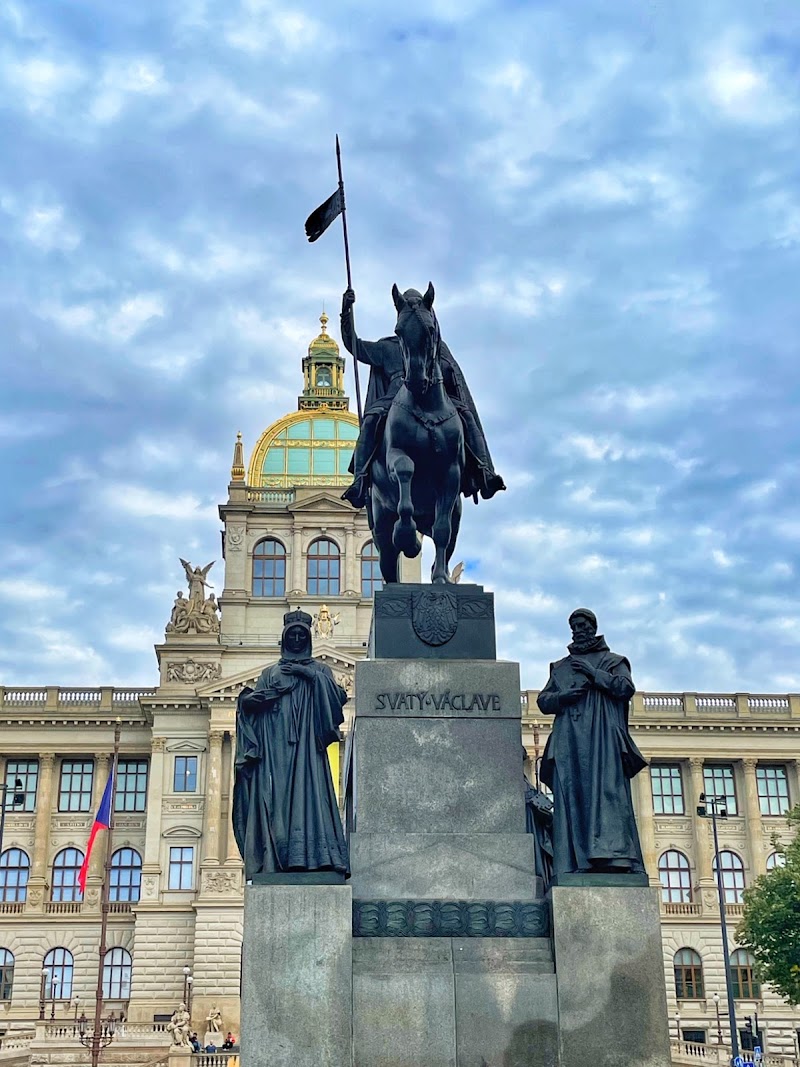
Statue of Saint Wenceslas, Prague’s Historic Meeting Point
This prominent bronze monument at the top of Wenceslas Square makes a worthwhile stop for visitors exploring Prague’s shops, cafés and modern Czech history.
Czechia · Praha 1
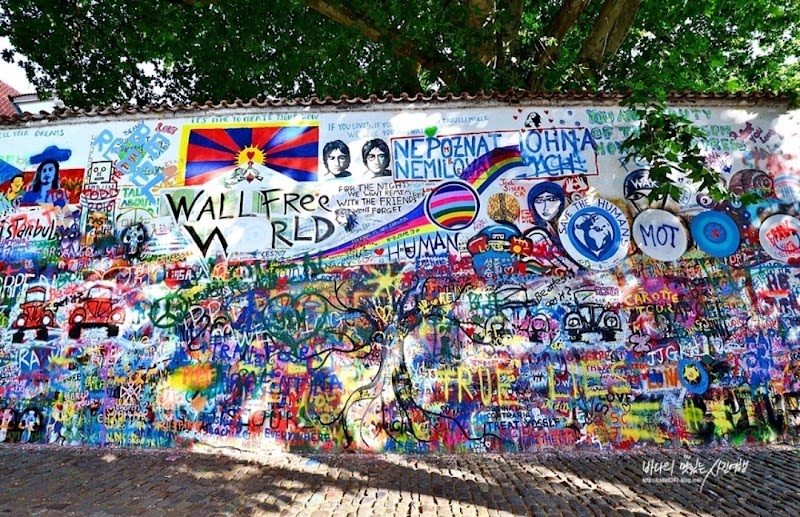
Lennon Wall: Prague’s Ever-Changing Symbol of Freedom
Lennon Wall is a quick, meaningful Malá Strana stop, praised for its history and colour but criticised when crowds, stickers and fading paint take over.
Czechia · Kutná Hora 1
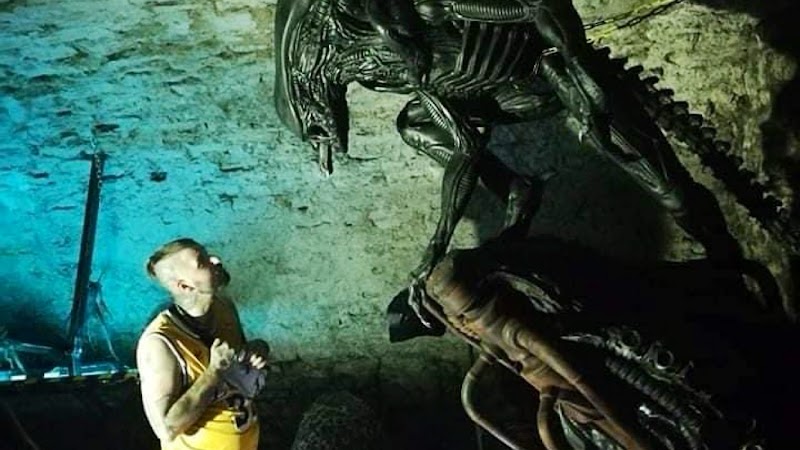
Film Legends Experience Museum, Kutná Hora: AvP in the Cellar
A highly rated, atmospheric exhibition of Alien, Predator and film-inspired replicas in an old cellar beneath Kutná Hora.
Czechia · Praha 1
Muzeum Slivovice R. Jelínek: A Spirited Prague Stop
This compact Malá Strana museum pairs Czech plum-brandy history with interactive exhibits, tastings, a shop and a well-regarded restaurant.