Fort Samaipata: High-Altitude Trails and Historic Ruins
Strong visitor feedback pairs sweeping views and absorbing history with steep, stepped trails that require water, time and reasonable mobility.
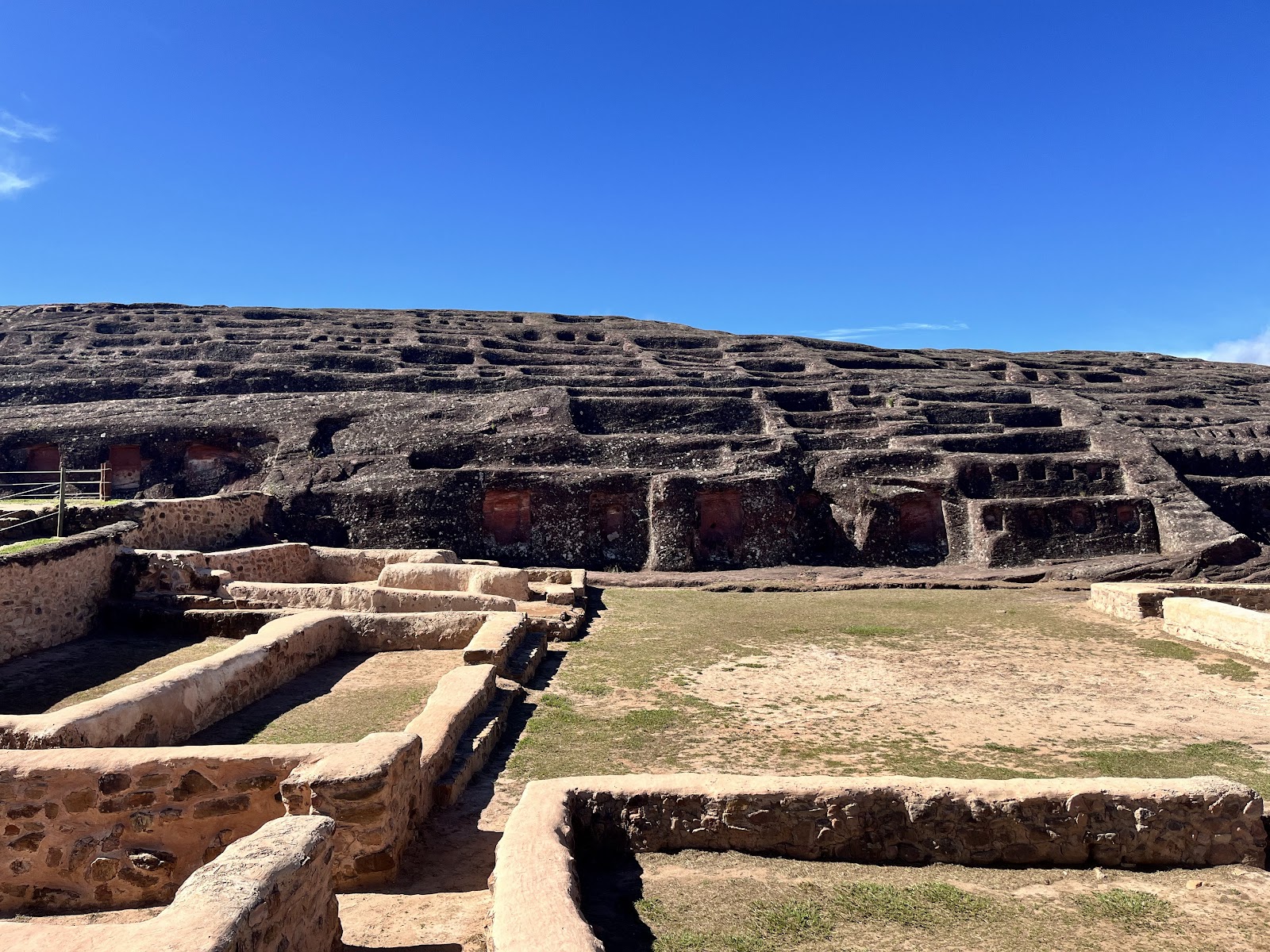
More photos
Photos published by travelers on Google, not AI generated.
What stands out
- Sweeping hillside views
- Historic ruins and regional context
- Roughly 2km walking trail
- Useful informational signage
- Guided historical interpretation
Worth knowing
- Steep steps and uneven trail surfaces
- Most trails are not wheelchair accessible
- Altitude can make the walk tiring
Don't miss
What comes up most in public reviews
- Walk the hillside trail
- Read the informational signs
- Ask about a guided tour
- Bring water and snacks
Worth the trip?
What public reviews say
Fort Samaipata, also widely referred to by reviewers as El Fuerte de Samaipata, holds a Google rating of 4.7 from 1735 reviews. Public feedback consistently focuses on three strengths: expansive views, an atmospheric historic site and walking trails that turn the visit into more than a quick stop.
Travellers frequently describe the setting as beautiful or breathtaking. The surrounding landscape appears to be a major part of the experience, rather than simply a backdrop to the ruins. Several reviews also praise the preservation work and informational signs, although others found that a guide added far more historical context than signs alone could provide.
The visit suits travellers who enjoy combining history with an active outdoor excursion. It is less appropriate for anyone expecting a flat, fully accessible archaeological attraction.
Trails, altitude and accessibility
The principal walking route is described as roughly 2 kilometres, with repeated climbs and descents across a hillside. Reviewers mention numerous steps, including sections formed from dirt held in place with bamboo, stretches over bedrock and an elevated pathway reached only by stairs. Taking the route slowly allows more time for both the views and the ruins.
Altitude is another recurring consideration. Even visitors comfortable with walking may tire more quickly than expected, so public reviews recommend carrying water and taking an unhurried pace. Snacks may also be useful, particularly for those planning to stop often for photographs or interpretation.
Accessibility is the clearest drawback. One reviewer reports that the entrance is wheelchair accessible, but the trails beyond it are not. Other feedback similarly warns that the steep hillside route can be difficult for people with mobility limitations. The steps and uneven surfaces mean visitors should not assume that entrance accessibility extends across the wider site.
Is a guide worthwhile?
Multiple reviews recommend hiring a local guide. Travellers who did so say the additional explanation brought the history of the site and surrounding region into focus. The opportunity to ask questions was also valued, making a guided visit especially useful for those who want more than scenery and a self-directed walk.
Visitors can still follow the trail independently, and reviewers report useful informational signage. Even so, the strongest history-focused feedback comes from those who toured with a guide. Arranging one after purchasing an entry ticket appears possible based on public accounts, though availability should not be assumed.
Practical verdict
Fort Samaipata earns its strong reputation through the combination of historical ruins, mountain scenery and a satisfying short hike. It rewards patience: a rushed circuit would miss both the viewpoints and much of the context.
Visitors should arrive prepared for steps, uneven ground and the physical effect of altitude. Water is essential, while a snack stand near the start has been reported as selling snacks, bottled water and hats. That offers a useful backup, but carrying supplies remains the safer plan.
For mobile travellers interested in history and landscapes, this is one of the area’s most compelling excursions. Those with limited mobility should research current access arrangements carefully and expect that much of the trail may be unsuitable.
Plan the rest of the trip
Ask anything
Looking for somewhere else?
Keep exploring
More from Bolivia

Bolivia · La Paz
Bolivia Homeland Tours for High-Altitude La Paz Adventures
Public reviews praise Bolivia Homeland Tours for thoughtful guides, well-organised excursions and strong support on demanding trips around La Paz.
Bolivia · Uyuni
World White Travel for a Multi-Day Uyuni Salt Flats Tour
Public reviews point to a well-regarded operator for private, demanding journeys across Bolivia’s salt flats and high desert.
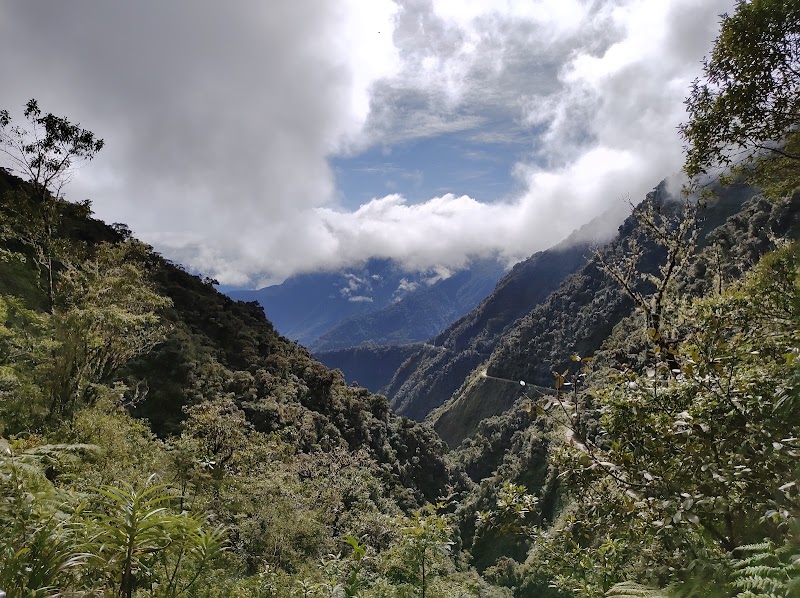
Bolivia · La Paz
Altitude Travel puts La Paz adventure days in capable hands
Public reviews praise Altitude Travel’s organisation, guides and mountain outings, with Death Road and Pico Austria drawing the strongest attention.

Bolivia · La Paz
Red Cap City Walking Tours Makes La Paz Legible
Public reviews praise Red Cap’s history-led walks, especially guides Max and Denis, while one traveller reports a cancellation caused by low attendance.