Conimbriga Ruins: Portugal’s Roman City in Plain Sight
Conimbriga combines extensive Roman ruins, remarkably preserved mosaics and a museum that helps make sense of the site.
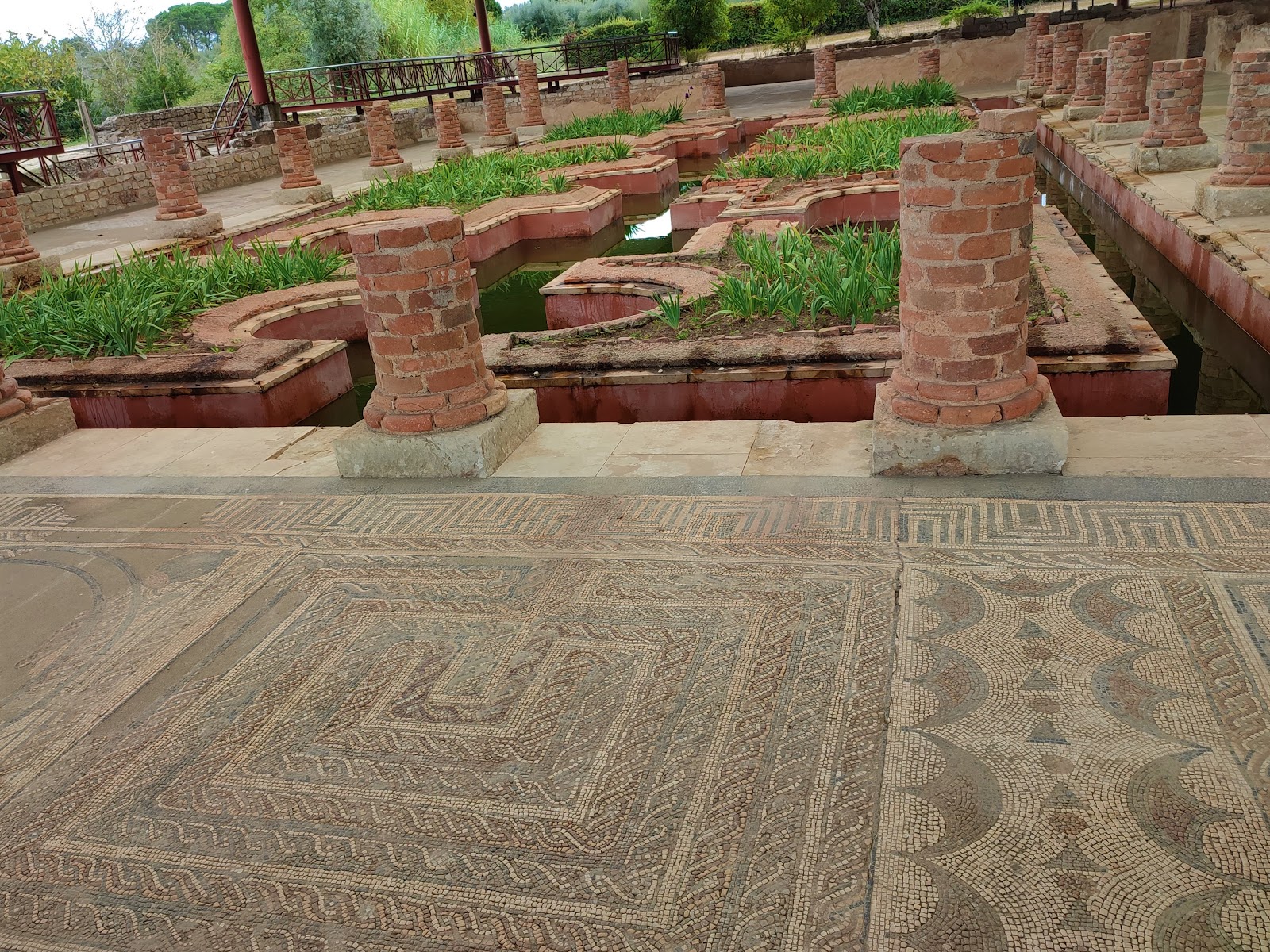
More photos
Photos published by travelers on Google, not AI generated.
What stands out
- Large Roman archaeological site
- Remarkably preserved mosaics
- Augustan-era ruins
- Third-century wall
- Museum with everyday-life context
Worth knowing
- Poor signage on the approach
- Some maintenance concerns
Don't miss
What comes up most in public reviews
- Visit the museum first
- See the preserved mosaics
- Walk to the third-century wall
- Read the information signs throughout the site
Worth the trip?
What the reviews show
Conimbriga Ruins, near Condeixa-a-Velha in Portugal, has a Google rating of 4.6 from 7,625 reviews. Public feedback is strongly positive, with visitors repeatedly describing the archaeological site as large, impressive and surprisingly well preserved. The Roman city rewards people who want more than a quick photograph. There is a lot to inspect, and the scale becomes clearer as visitors move between the museum and the ruins.
The site is especially well suited to travellers interested in Roman history, ancient cities and archaeology. Several reviews say the visit exceeded expectations, including one from a traveller who had looked forward to seeing Conimbriga for two years. That enthusiasm is not unusual in the feedback. The mosaics receive particular praise, as do the remaining walls and buildings.
Start at the museum
The most useful practical advice in the reviews is to begin at the museum after purchasing a ticket. One visitor specifically recommends this sequence because the exhibits help explain everyday life before the walk through the archaeological remains. That context gives the scattered structures more meaning.
The museum is not treated as an optional add-on in the strongest reviews. It is part of the way visitors understand the city. After seeing the displays, they can read the ruins with a clearer sense of how the settlement functioned and what the surviving features represent.
What stands out on site
The remains cover a broad area, so visitors should expect a substantial walk rather than a compact monument. Reviews mention the Augustan-era ruins and the third-century wall, alongside buildings that are still standing in surprisingly good condition. The mosaics are the main visual draw. Their preservation and detailed designs appear repeatedly in public feedback.
Information signs throughout the site also help visitors follow what they are seeing. The combination of written interpretation, museum context and visible remains makes Conimbriga more accessible than a ruin field with little explanation. It remains an outdoor archaeological visit, though, and the experience depends on taking time to move through the grounds.
Practical drawbacks
The clearest criticism concerns arrival. One reviewer found the location difficult to locate and described the signage as poor, eventually relying on a paper sign attached to a wall. Travellers should allow extra attention for the approach and avoid assuming the site will be obvious from the road.
Maintenance also draws some criticism. One visitor felt the entrance fee was not being used to maintain the ruins as well as it should be. That does not outweigh the overall recommendation in the reviews, but it sets expectations. Conimbriga is historically compelling, not a polished modern attraction.
For visitors with an interest in Roman cities, the evidence is straightforward: Conimbriga is worth the detour. Start indoors, then give the ruins enough time.
Plan the rest of the trip
Ask anything
Looking for somewhere else?
Keep exploring around Condeixa-a-Velha
More from Portugal
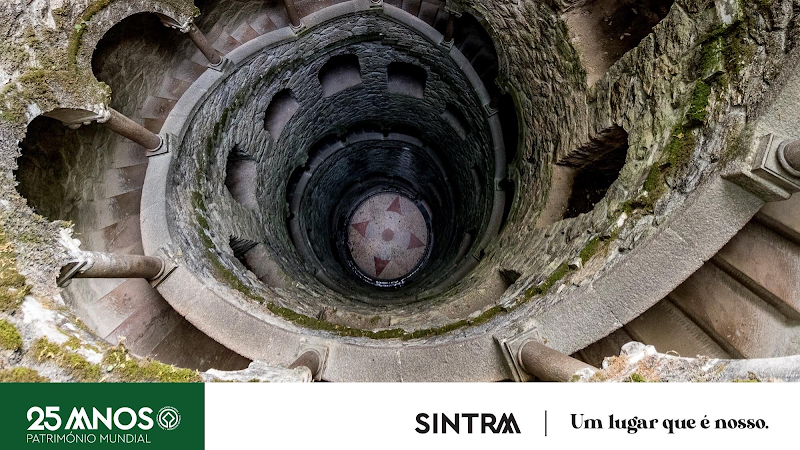
Portugal · Sintra
Initiation Well: Sintra’s Striking Underground Landmark
Inside Quinta da Regaleira, the Initiation Well draws visitors down a mossy spiral staircase into one of Sintra’s most memorable sights.

Portugal · Lisboa
Palácio Nacional da Ajuda: Lisbon’s Royal Rooms and Collections
Public reviews describe a richly decorated former royal residence with detailed displays, manageable crowds and enough history for a half-day visit.

Portugal · Sintra
Monserrate Palace: Sintra’s Peaceful Garden Retreat
Monserrate combines ornate architecture with expansive, shaded gardens, making it a calmer alternative to Sintra’s busiest palace visits.
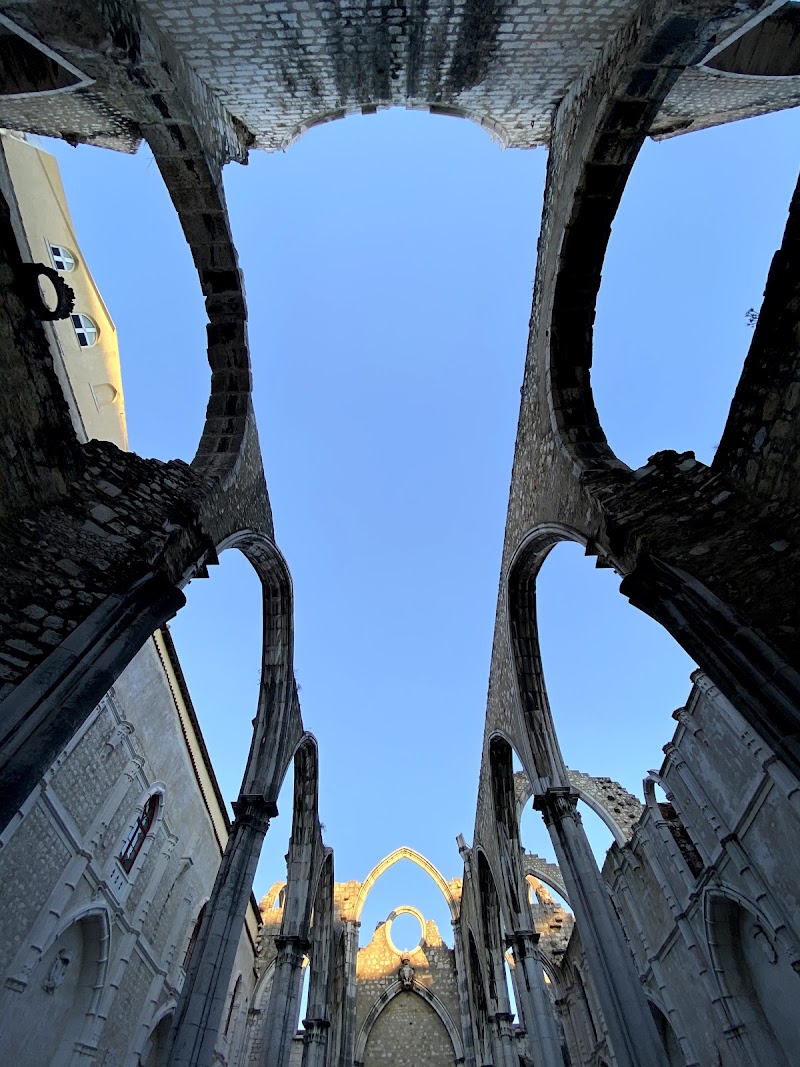
Portugal · Lisboa
Carmo Archaeological Museum: Lisbon’s Roofless Gothic Landmark
The open arches of the former Carmo Convent are the main draw, with a compact museum collection adding historical depth.