Sucre’s Whitewashed Historic Heart
A calm yet lively UNESCO-listed centre of colonial streets, churches, museums and local life focused around Plaza 25 de Mayo.
More photos


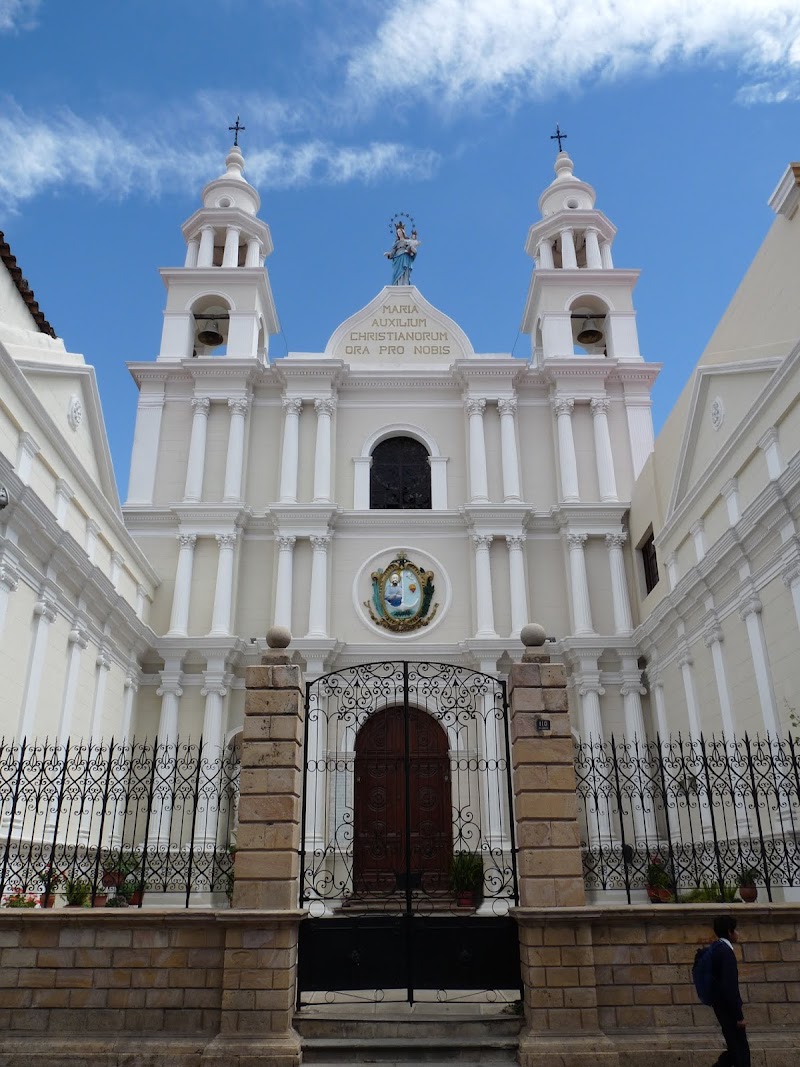
Photos published by travelers on Google, not AI generated.
What stands out
- Whitewashed colonial architecture
- Calm yet lively atmosphere
- Plaza 25 de Mayo
- Checkerboard street layout
- Mix of local communities
Worth knowing
- Cars, buses and motorcycles
- Reports of pollution and dirty streets
- Museum admission fees
Don't miss
What comes up most in public reviews
- Plaza 25 de Mayo
- Mercado Central
- The cathedral and old churches
- The Eiffel Tower structure
Worth the trip?
Overall impression
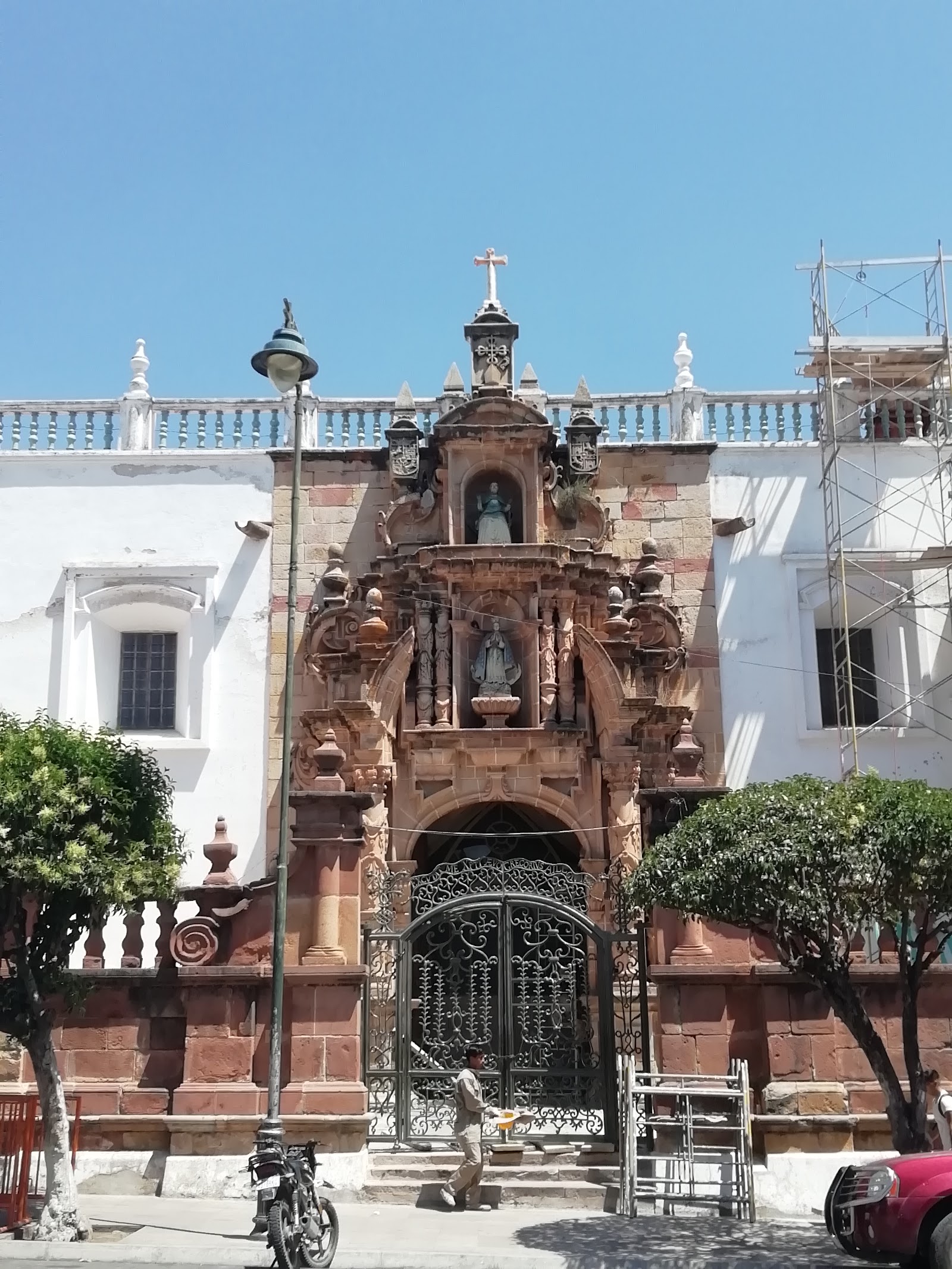
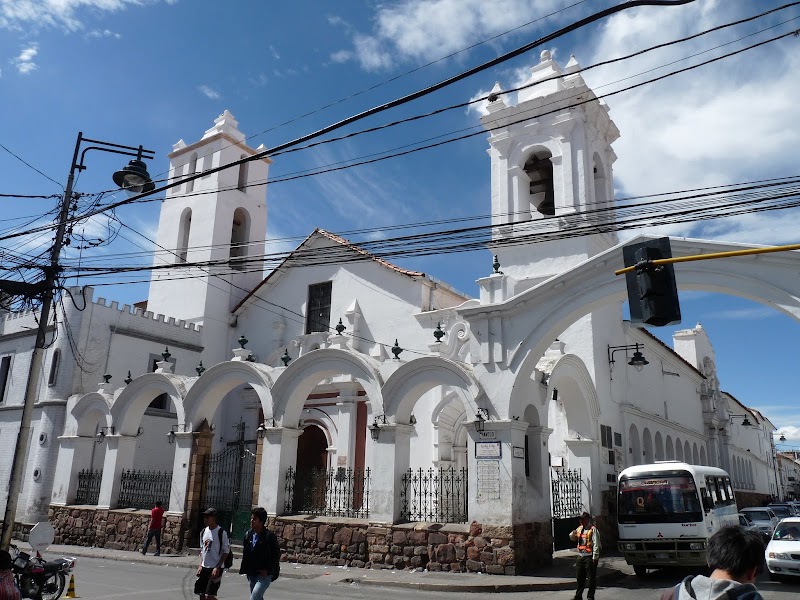
Public feedback depicts Sucre’s Centro Histórico as an unusually relaxed historic centre, even with the traffic and daily bustle of a working city. Its whitewashed colonial buildings have earned Sucre the nickname “La Ciudad Blanca”, and reviewers consistently admire how much historic character remains across the UNESCO-listed area. The 4.7 Google rating from 53 reviews reflects strong affection for both the architecture and the atmosphere.
This is not a preserved quarter emptied of local life. Reviewers describe indigenous and countryside visitors mixing with city residents, particularly around the central square and market. That combination gives the district a lively rhythm without making it feel frantic. Several comments return to the same contrast: busy streets and plenty of people, yet an overall sense of calm.
Plaza, streets and architecture
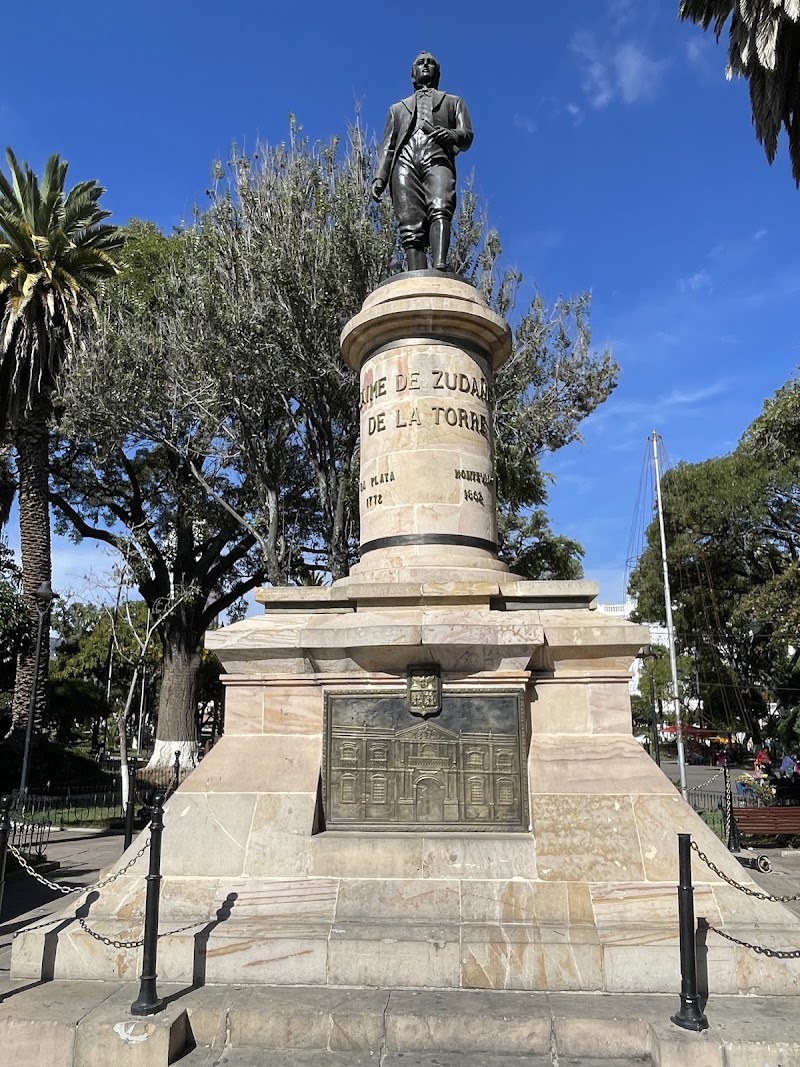
Plaza 25 de Mayo forms the social and geographical centre of the old town. It follows the familiar pattern of a landscaped main square with statues, surrounded by prominent civic and religious buildings. The plaza is repeatedly recommended as a place to pause and watch everyday city life rather than simply pass through.
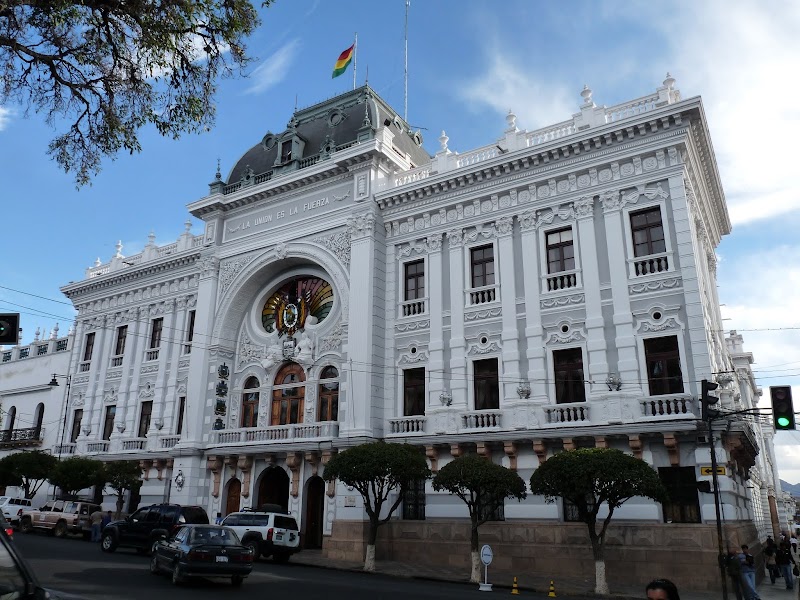
Beyond the square, the centre’s checkerboard street plan makes the area comparatively easy to navigate. White facades, colonial architecture, old churches and public buildings provide the main visual appeal. Some reviewers find individual museums and the cathedral less immediately striking than the streetscape as a whole, so the district works best as a broad walking experience rather than a checklist of monumental interiors.
Museums, market and local life
Several museums sit within the historic centre, although reviews note that admission fees are standard. Their presence adds variety, but public feedback places greater emphasis on walking the streets, spending time in Plaza 25 de Mayo and observing the centre’s mix of residents and visitors.
Mercado Central is the clearest food-related recommendation in the available reviews. Eating there offers a more direct encounter with local routines than the formal buildings around the plaza. An Eiffel Tower structure is also specifically mentioned by one reviewer as something to seek out, though the whitewashed colonial core remains the area’s defining attraction.
Drawbacks and verdict
The centre is not pristine. Cars, buses and motorcycles interrupt the historic setting, while overhead electrical wires are viewed as a visual distraction. One review also reports pollution, dirt and a decline from the area’s former condition. These criticisms do not outweigh the broader enthusiasm, but they temper any expectation of a perfectly restored pedestrian district.
Centro Histórico is strongest as an atmospheric urban walk. Travellers interested in colonial architecture, public squares and everyday Bolivian city life are likely to find more here than those expecting a single headline attraction. Plaza 25 de Mayo provides the natural starting point, with the market, museums, cathedral and surrounding white streets filling out an easy half-day exploration.
Ask anything
Looking for somewhere else?
Keep exploring around Sucre
More from Bolivia
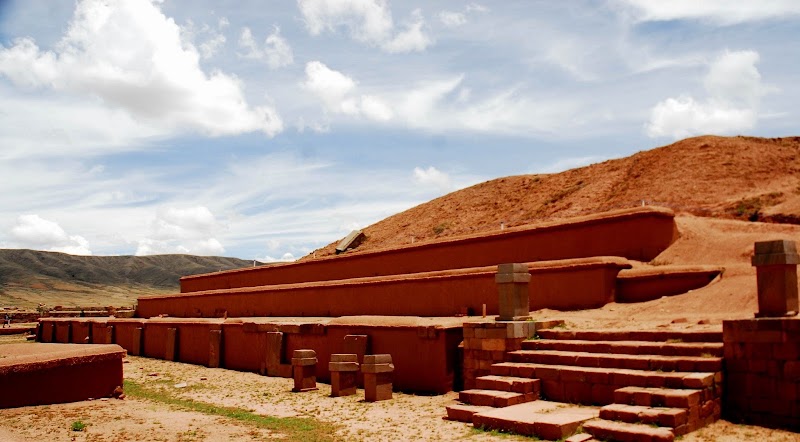
Bolivia · Tiwanaku
Akapana Pyramid: Tiwanaku’s Monumental Pre-Inca Ruin
A vast, partially excavated pyramid whose surviving platforms offer a powerful introduction to the scale and ambition of ancient Tiwanaku.
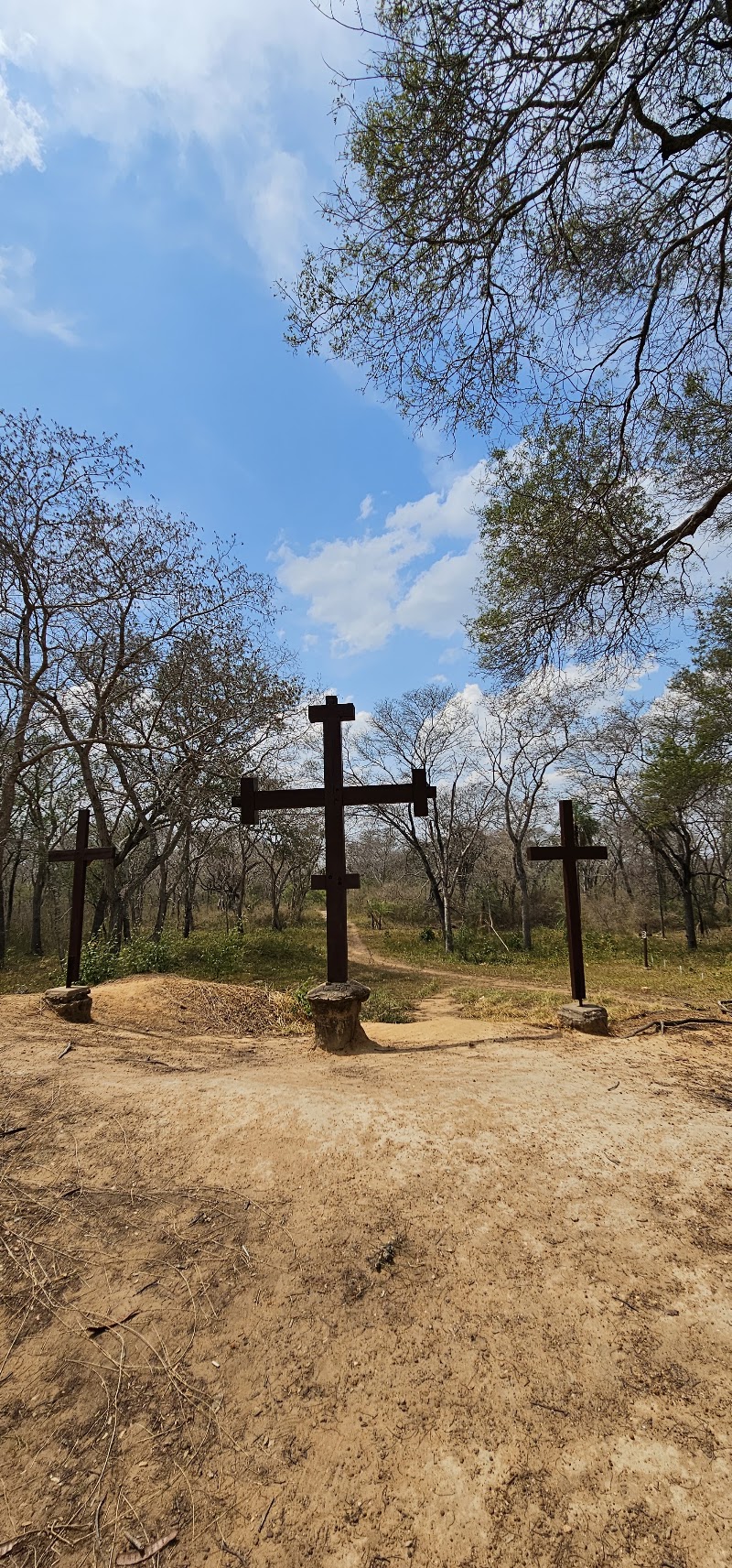
Bolivia · San José de Chiquitos
Santa Cruz La Vieja Park: History With Rough Edges
This historically important site near San José de Chiquitos combines an accessible trail and archaeological ruins with limited signage and uneven upkeep.
Bolivia · La Paz
Gravity Bolivia: A Well-Run Ride Down Death Road
Strong safety briefings, attentive guides and quality bikes underpin Gravity Bolivia’s full-day descent from high-altitude cold to tropical forest.
Bolivia · Santa Cruz de la Sierra
Nick's Adventures Bolivia: Wildlife-led expeditions
Strong reviews point to passionate guides, flexible planning and immersive wildlife trips beyond Santa Cruz de la Sierra.