Akrotiri: Santorini’s Buried Bronze Age Settlement
Public reviews describe Akrotiri as a remarkable archaeological site, with volcanic history, preserved structures and a useful link to Fira’s museum.
More photos
Photos published by travelers on Google, not AI generated.
What stands out
- Bronze Age settlement beneath volcanic ash
- Protected indoor archaeological remains
- Ancient streets, buildings and ash casts
- Connection to the eruption of Thera
- Close to Red Beach
Worth knowing
- Some sections may be closed for safety reasons
- Can become busy with cruise excursions
- Uneven rock access at nearby Red Beach
Don't miss
What comes up most in public reviews
- See the preserved streets and buildings
- Look for casts formed in the volcanic ash
- Visit the museum in Fira for wall art and finds
- Add a stop at Red Beach
Worth the trip?
Why visit Akrotiri
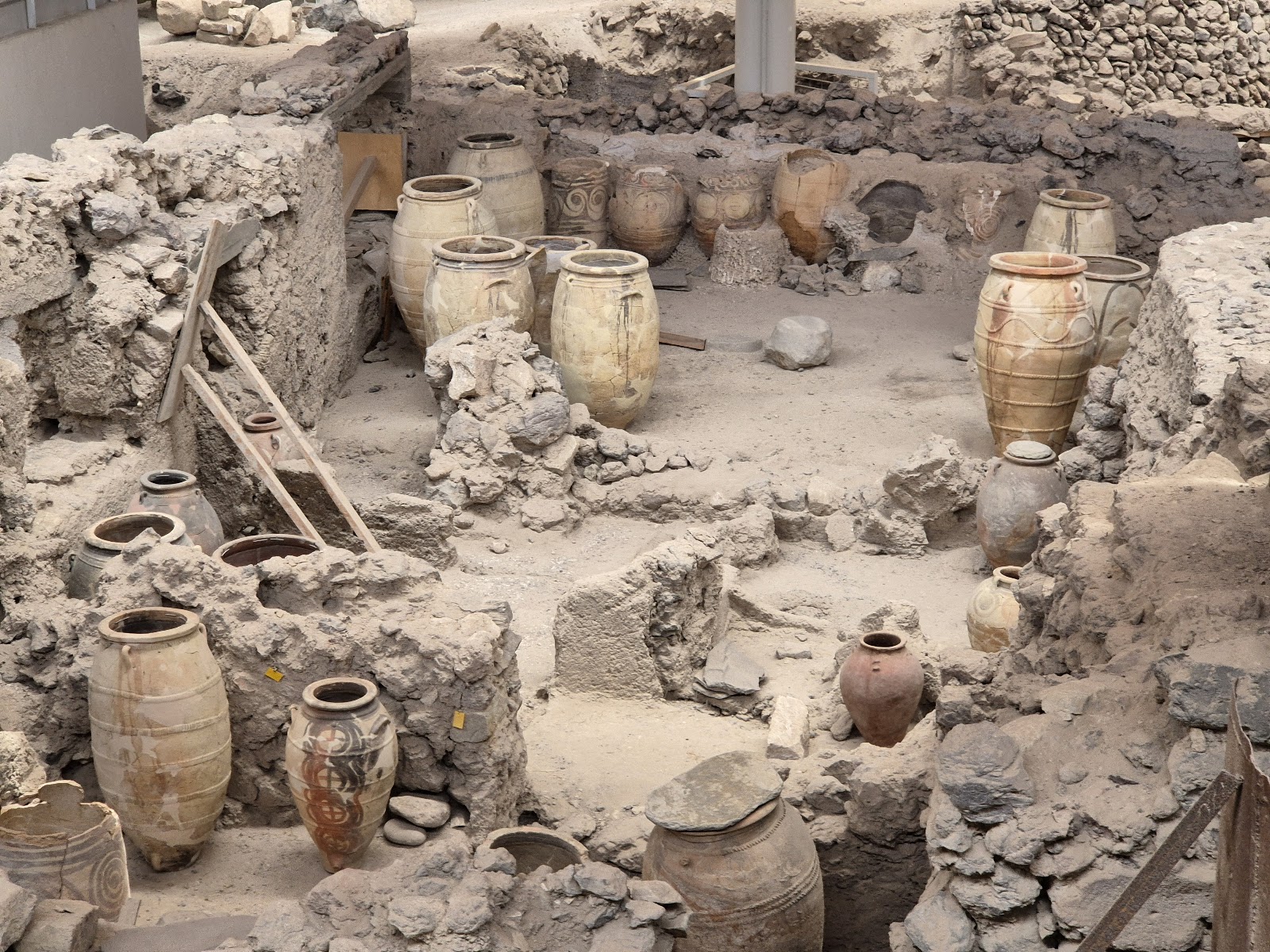
Akrotiri is one of Santorini’s most compelling historical attractions. Public reviews consistently focus on the chance to walk through the remains of a Bronze Age settlement buried under volcanic ash. The site offers a direct look at streets, buildings and traces of daily life from a civilization that existed thousands of years ago, long before Classical Greece.
The eruption of Thera covered the settlement in ash, preserving details that still shape the visit today. Reviewers mention the sophistication of the community and the sense of seeing an ancient city frozen in time. Some also connect Akrotiri with the legend of Atlantis, though that remains a theory rather than an established fact.
What the visit is like
The archaeological remains are housed inside a protective building, so visitors are not walking through an exposed ruin under the Santorini sun. That is a practical advantage during hot weather. Reviews describe the experience as especially rewarding for travellers interested in archaeology, ancient history or the island’s volcanic past. One reviewer noted that the site may represent only a small portion of the original city, which adds context to the scale of what remains undiscovered.
The preserved settlement is the main attraction. Reviewers refer to ancient streets, buildings and impressions left in the ash, including casts associated with furniture and trees. Unlike Pompeii, Akrotiri is not known for bodies preserved at the site. The reviews instead emphasise that residents appear to have had time to leave before the eruption.
Planning the stop
The public rating is 4.4 from 12,355 Google reviews, indicating broad approval, but the feedback is not uniformly enthusiastic. Some visitors feel the experience is expensive for what is currently accessible, particularly because sections may be closed for safety reasons. Conditions can change, so checking the latest access information before setting out is sensible.
Crowds are another recurring concern. Reviewers say Akrotiri can become busy when cruise passengers arrive with guided groups. An earlier start may offer a calmer experience, although the reviews do not establish one reliably best time of day.
Pair it with Fira and the coast
A visit to Akrotiri works well as part of a wider south Santorini day. One recurring recommendation is to connect the archaeological site with the museum in Fira, where wall paintings and other finds from Akrotiri are displayed. The museum helps fill in details that cannot be seen at the excavation itself.
Red Beach is another nearby stop mentioned in the reviews. Visitors describe cooling off there after a short rock climb. That activity is separate from the archaeological site and requires care on uneven terrain. For history-focused travellers, the strongest plan is Akrotiri first, the Fira museum afterward, then a coastal stop if conditions allow.
Plan the rest of the trip
Ask anything
Looking for somewhere else?
Keep exploring around Fira
More from Greece
Greece · Athina
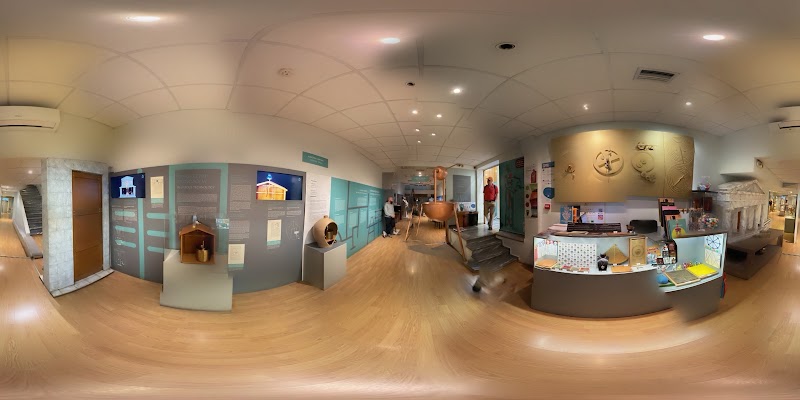
Museum of Ancient Greek Technology Kotsanas, Athens
An interactive Athens museum where ancient mechanisms, science and demonstrations make Greek technology easy to explore.

Greece · Athina
Museum of Cycladic Art: Ancient Greece in Clear Detail
A well-documented Athens museum where visitors spend several hours with Cycladic, Greek and Cypriot art, supported by useful bilingual explanations.
Greece · Rodos
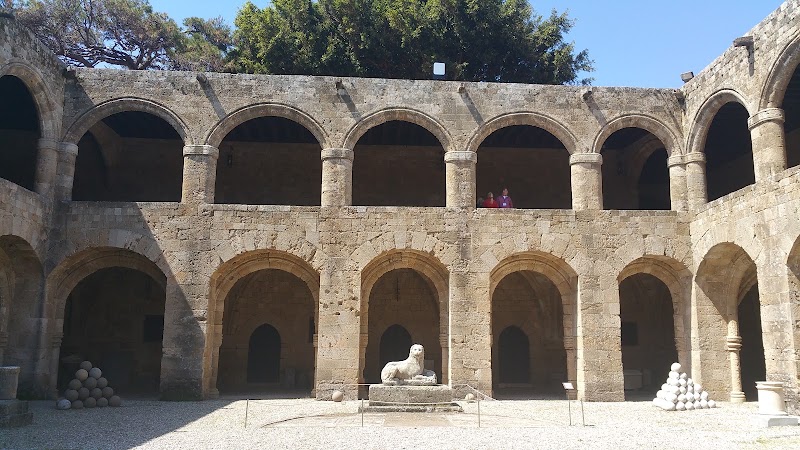
Archaeological Museum of Rhodes: History in Context
Set inside the Hospital of the Knights, this well-organised museum brings Rhodes’ ancient artefacts, mosaics and layered history into focus.

Greece · Athina
Benaki Museum: Greek Life Told Through Objects
Benaki Museum gives Athens visitors a quieter, richly detailed look at Greek history, interiors, clothing and everyday life.