Museum of Ancient Greek Technology Kotsanas, Athens
An interactive Athens museum where ancient mechanisms, science and demonstrations make Greek technology easy to explore.
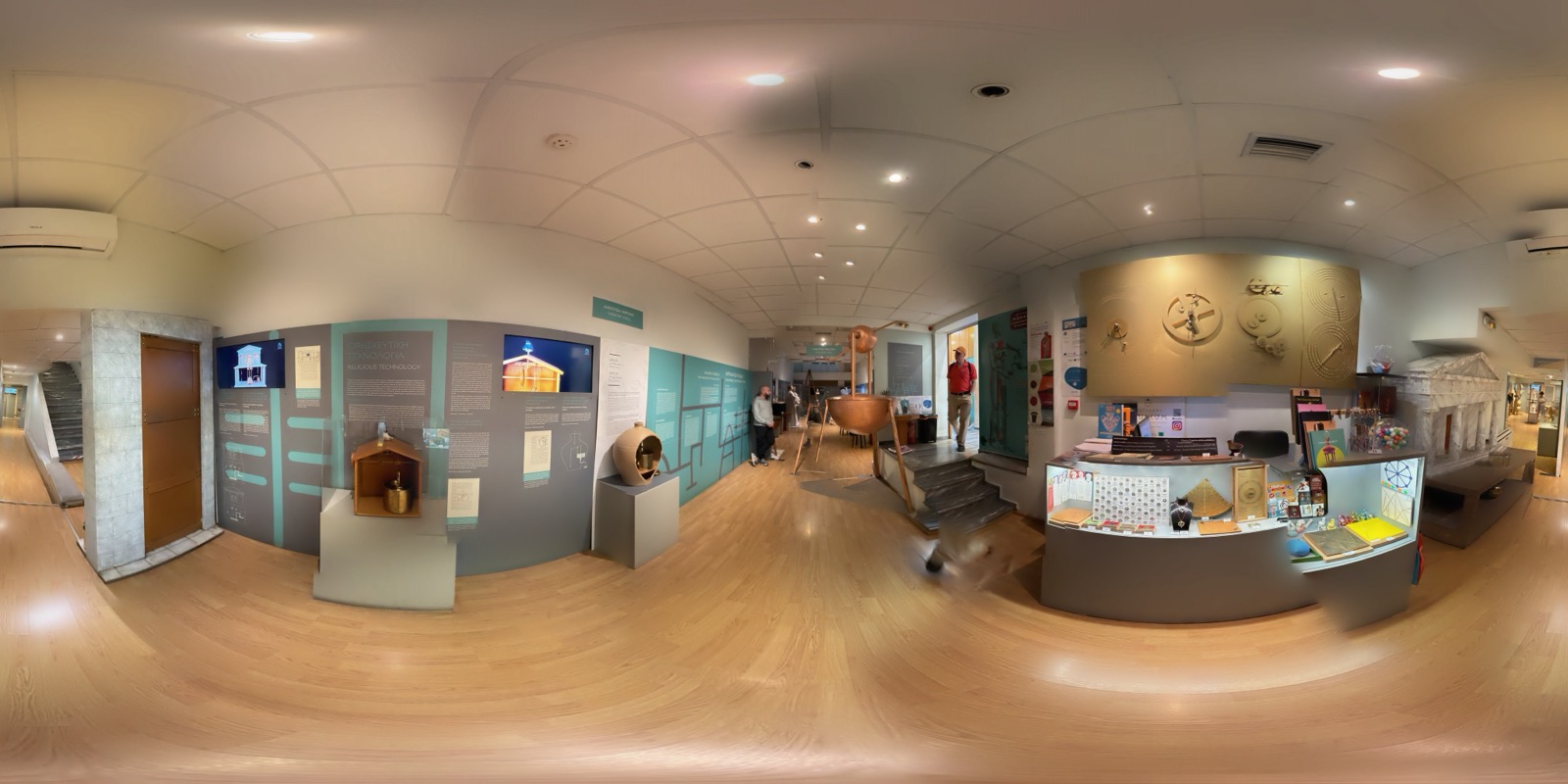
More photos
Photos published by travelers on Google, not AI generated.
What stands out
- Hands-on ancient technology exhibits
- English-language demonstrations
- Hydraulic alarm clock and Archimedes pump
- Music and toy room
- Small, focused museum experience
Worth knowing
- Some younger children may lose interest
- The collection is relatively small
Don't miss
What comes up most in public reviews
- Ask about the hydraulic alarm clock
- Try the Archimedes pump
- Visit the music and toy room
- See the gallery of ancient instruments
Worth the trip?
The Museum of Ancient Greek Technology Kotsanas has earned a 4.8 rating from 4,296 Google reviews, and the public feedback is unusually consistent. Visitors describe a small, focused museum with hands-on exhibits, helpful staff and demonstrations that bring ancient engineering to life. It is not presented as a vast collection. That is part of its appeal.
A compact museum with plenty to investigate
The museum focuses on mechanisms and ideas associated with Ancient Greece. Reviews mention timekeeping, astronomy, hydraulics, music, toys, wind, water and steam power. The displays also explore practical devices and scientific principles that many visitors say are not covered in the same way at larger Athens museums.
Several reviewers single out the hydraulic alarm clock and the Archimedes pump. Ancient designs are presented as working concepts rather than as objects to view from a distance. One visitor particularly valued being able to touch the exhibits. The emphasis on theory and physics makes this a strong stop for people interested in engineering, science or the mechanics behind historical inventions.
Demonstrations shape the visit
The staff are a major part of the experience described in the reviews. Visitors repeatedly mention knowledgeable, warm and attentive guides who explain the mechanisms, answer questions and step in with demonstrations. English-language explanations are specifically noted. Small-group demonstrations appear to be a regular feature of the visit, giving the museum a more personal feel than a conventional gallery.
That format also means the experience depends on engaging with the staff. Visitors who pause to ask questions seem to get more from the exhibits. The demonstrations are not merely an extra detail. They are central to understanding how the devices work.
Good for curious families, with a few limits
Families with children aged 9 and 11 describe the museum as a highlight, particularly when the children already enjoy science, technology or history. Younger visitors may be less consistently engaged. One review says a six-year-old became bored at times, though the Archimedes pump and other interactive displays held the child’s attention.
The museum is relatively small, so it suits a concentrated visit rather than a full-day outing. Public reviews describe spending a couple of hours there, with enough material to reward a careful look. The upstairs music and toy room receives special praise, and a gallery of ancient instruments is also mentioned.
What to expect
The overall tone of the reviews is enthusiastic. The museum is described as enjoyable, interesting and unusually interactive, with some visitors calling it a highlight of their Athens trip. Reviews also characterize the tickets as very affordable, making it a budget-friendly attraction based on visitor feedback.
The museum works best for travellers who enjoy mechanisms, demonstrations and questions about how things function. It may appeal less to visitors seeking monumental architecture, famous paintings or a large traditional collection. For those who want a more intimate, participatory look at Ancient Greek science and invention, the public evidence is strong.
Plan the rest of the trip
Ask anything
Looking for somewhere else?
Keep exploring around Athina
More from Greece

Greece · Athina
Museum of Cycladic Art: Ancient Greece in Clear Detail
A well-documented Athens museum where visitors spend several hours with Cycladic, Greek and Cypriot art, supported by useful bilingual explanations.
Greece · Rodos
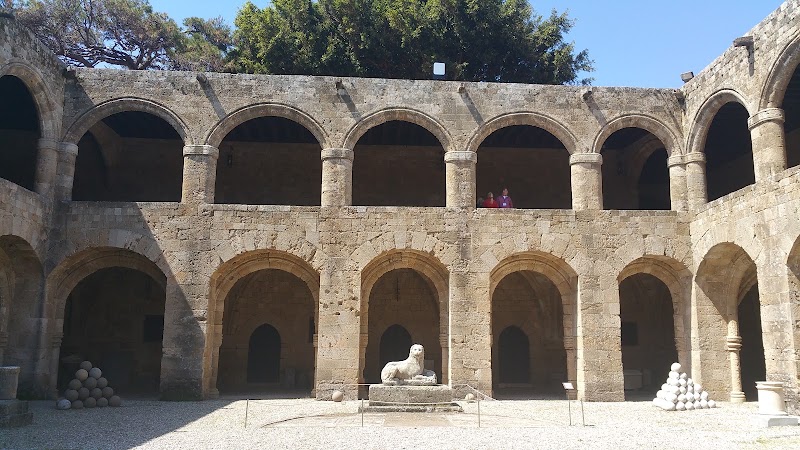
Archaeological Museum of Rhodes: History in Context
Set inside the Hospital of the Knights, this well-organised museum brings Rhodes’ ancient artefacts, mosaics and layered history into focus.

Greece · Athina
Benaki Museum: Greek Life Told Through Objects
Benaki Museum gives Athens visitors a quieter, richly detailed look at Greek history, interiors, clothing and everyday life.
Greece · Thessaloniki
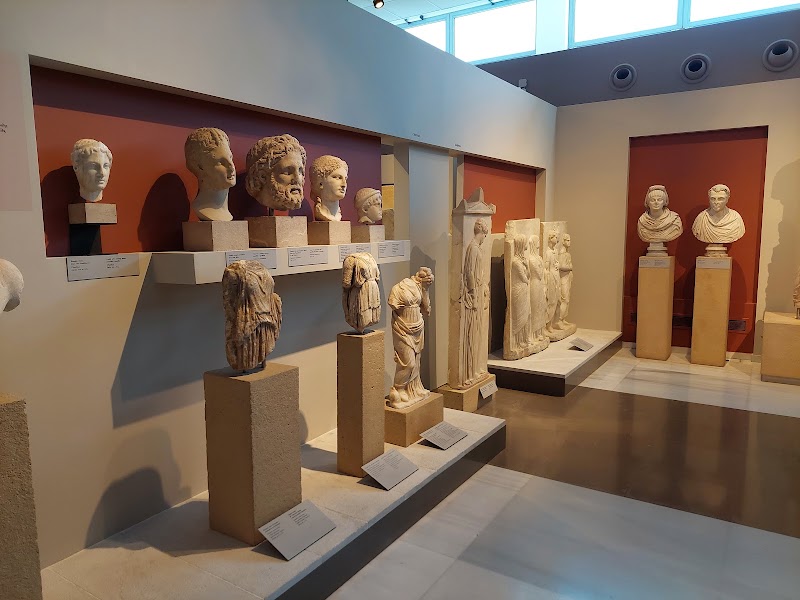
Archaeological Museum of Thessaloniki: Macedonia in Focus
A well-organized museum with exceptional gold artifacts, strong English explanations and enough variety for a rewarding half-day visit.