Benaki Museum: Greek Life Told Through Objects
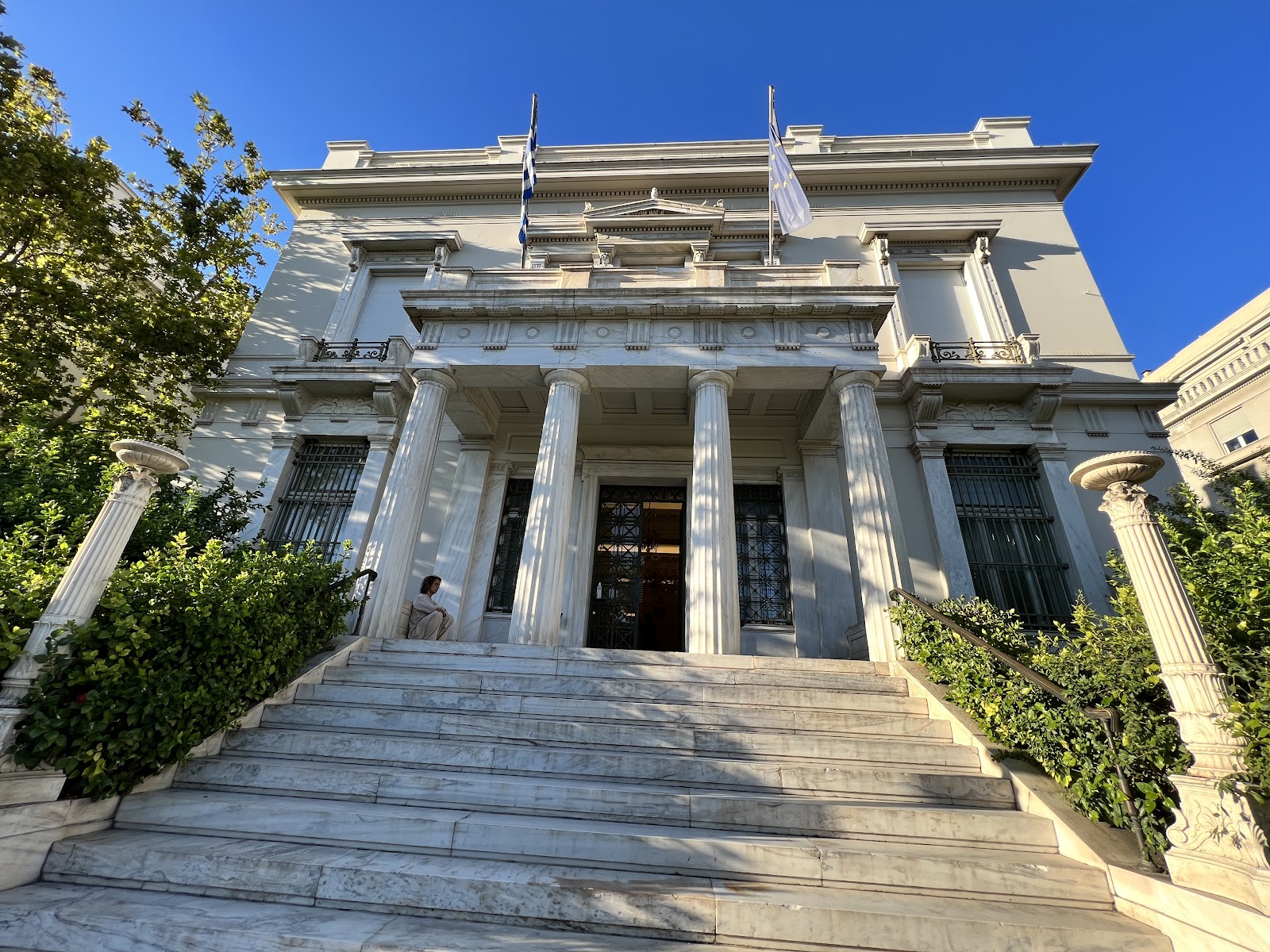
Benaki Museum gives Athens visitors a quieter, richly detailed look at Greek history, interiors, clothing and everyday life.
More photos
Photos published by travelers on Google, not AI generated.
What stands out
- Greek history from the Bronze Age to the nineteenth century
- Traditional costumes and elaborate jewellery
- Reconstructed rooms on the top floor
- Greek and English signs with multilingual QR descriptions
- Quieter atmosphere than major Athens museums
Worth knowing
- The collection is large and can require several hours
- Museum shop variety received one minor criticism
Don't miss
What comes up most in public reviews
- Folk costumes section
- Two reconstructed rooms on the top floor
- Chronological displays
- Top-floor café
Worth the trip?
Why visit
Benaki Museum offers a different experience from Athens museums centred on monumental archaeology. Public reviews describe a collection that follows Greek history from the Bronze Age through the nineteenth century, with particular attention to the objects and interiors connected to daily life. That focus is the museum’s clearest strength.
Visitors repeatedly mention traditional costumes, elaborate jewellery, textiles, carved wooden pieces and reconstructed rooms. The result is a more personal account of Greece across the centuries. Statues and temples are not the main story here. Clothing, furnishings and domestic details carry much of the interpretation.
The museum has a Google rating of 4.7 from 8,094 reviews. That response is consistent with the sample comments, which praise the presentation, the range of the collection and the calmer atmosphere compared with the National Archaeological Museum and Acropolis Museum.
What the reviews highlight
The displays are widely described as well organised and carefully curated. One reviewer found the chronological arrangement easy to follow, while another noted signs in Greek and English and QR codes at the cases that provide descriptions in more languages. This gives independent visitors useful support without requiring a guided tour.
The folk costumes section is a recurring favourite. So are the two reconstructed rooms on the top floor, where the museum’s domestic-history approach becomes especially vivid. Several visitors also point to the sheer amount of material on display. A two-hour visit was not enough for one reviewer to get far beyond the year 400 AD, while another said the collection could hold attention for five hours.
The museum café on the top floor also receives a positive mention. The shop drew a more modest criticism for having limited variety, though that was described as a minor issue.
Planning the visit
Benaki Museum suits travellers who have already spent time with Athens’s major archaeological sights and want a broader view of Greek history. It also works well for visitors who prefer objects with a strong connection to homes, clothing and social life. The experience rewards patience. The collection is large, and close reading can make the visit considerably longer than a quick museum stop.
The reviews support allowing at least half a day, especially for visitors interested in costumes, interiors and chronological detail. A shorter visit can still work if the priority is the folk costumes and reconstructed rooms. The public comments also identify Thursday evenings as a time when admission has been free, though visitors should confirm the current policy before relying on it.
Verdict
Benaki Museum is one of the strongest culture stops in Athens for travellers who want context beyond ancient monuments. Its displays are praised for clarity, range and detail. The quieter setting is another advantage, particularly after crowded archaeological attractions.
The main consideration is scale. There is more to absorb than many visitors expect, and a rushed visit will leave large parts unseen. The museum shop appears less memorable than the galleries. That is a small drawback beside the collection itself.
For a first visit, the folk costumes, top-floor reconstructed rooms and chronological displays deserve priority. The museum’s value lies in the accumulation of details, the ordinary objects and the sense of how Greek life changed over time.
Plan the rest of the trip
Ask anything
Looking for somewhere else?
Keep exploring around Athina
More from Greece
Greece · Thessaloniki
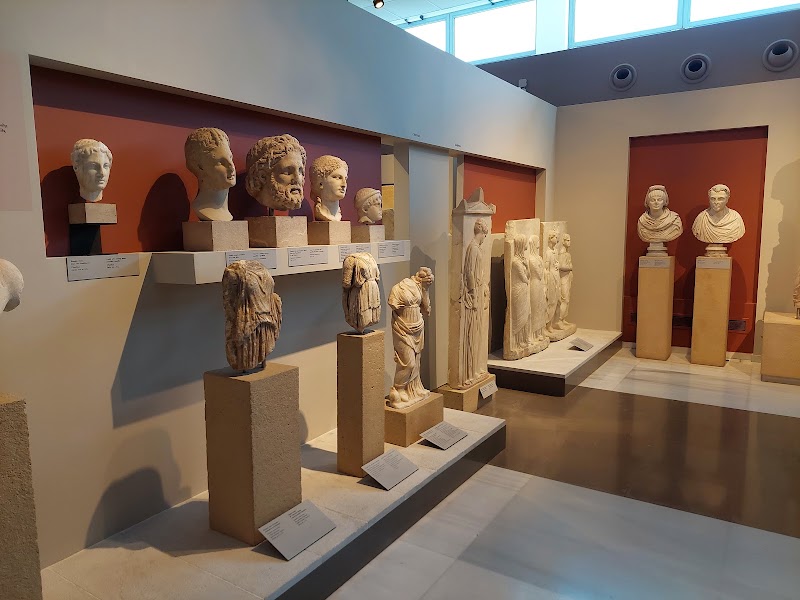
Archaeological Museum of Thessaloniki: Macedonia in Focus
A well-organized museum with exceptional gold artifacts, strong English explanations and enough variety for a rewarding half-day visit.

Greece · Archaia Olympia
Archaeological Museum of Olympia: Essential Context for the Site
Public reviews rate the museum highly for its sculptures, everyday artefacts and clear connection with the archaeological park beside it.
Greece · Delphi
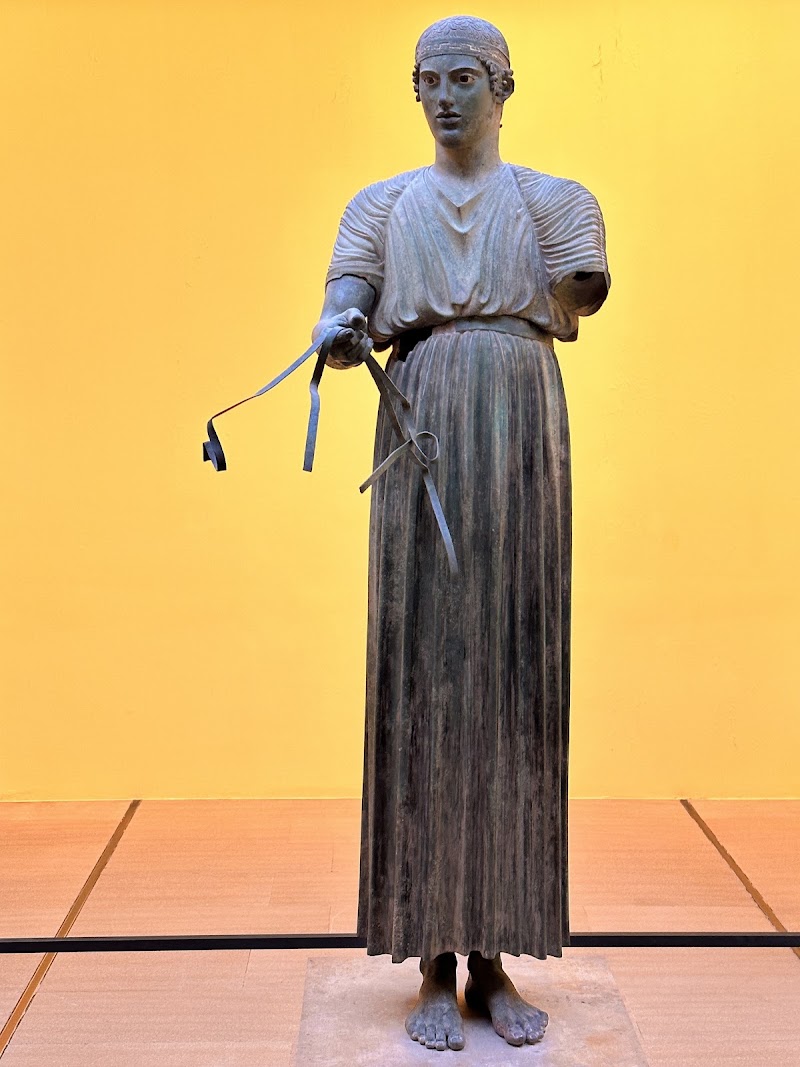
Delphi Archaeological Museum: Art at the Ancient Sanctuary
A highly rated museum beside Delphi’s ruins, with the Charioteer of Delphi as its essential highlight.
Greece · Iraklio
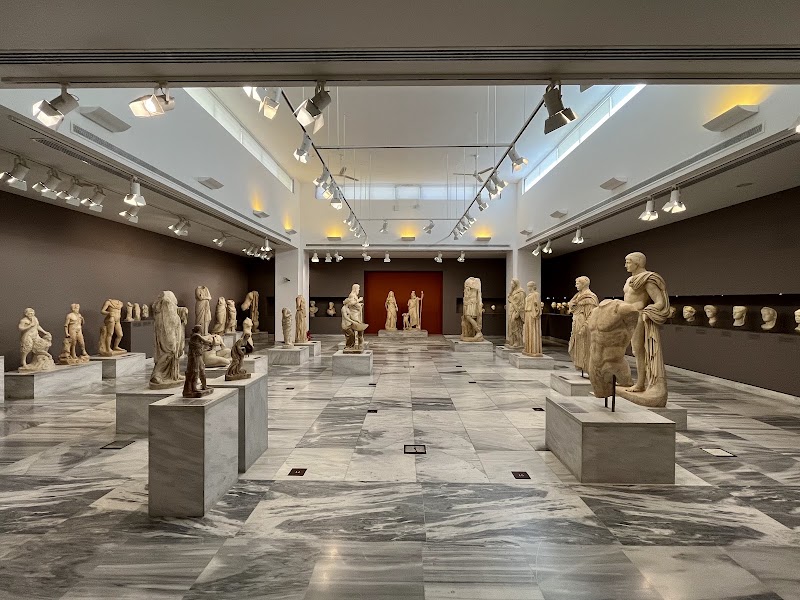
Heraklion Archaeological Museum: Crete’s Minoan Essential
A clear, modern museum with an exceptional Minoan collection, best approached with several hours to spare.