Delphi Archaeological Museum: Art at the Ancient Sanctuary
A highly rated museum beside Delphi’s ruins, with the Charioteer of Delphi as its essential highlight.
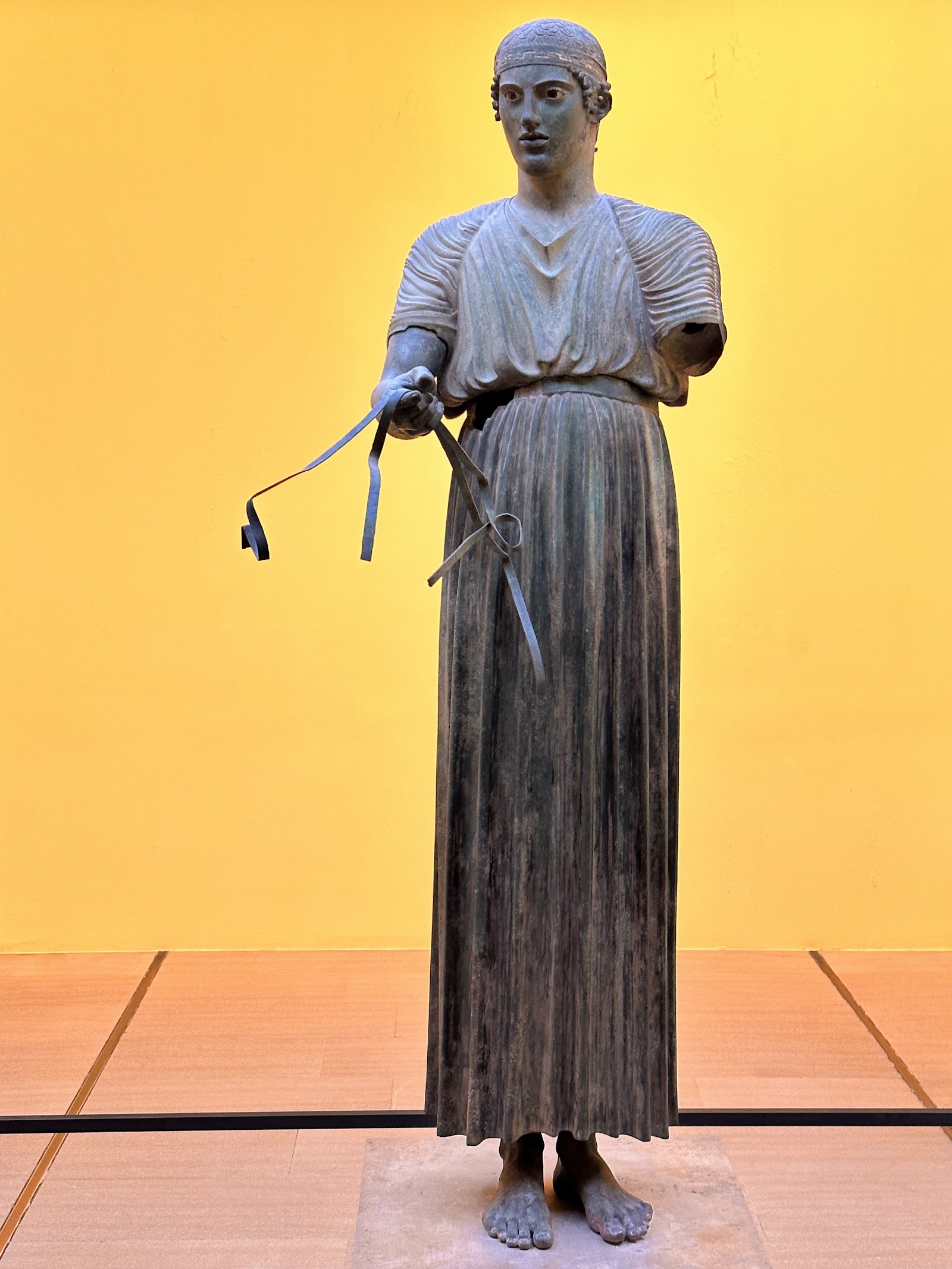
More photos
Photos published by travelers on Google, not AI generated.
What stands out
- The Charioteer of Delphi
- Chronological displays of Hellenic craftsmanship
- Antinous statue
- Siphnian Treasury friezes
- Location beside the ancient sanctuary
Worth knowing
- Some objects are damaged or incomplete
- The shop may feel overpriced to visitors
Don't miss
What comes up most in public reviews
- See the Charioteer of Delphi
- Look for the statue of Antinous
- Study the Siphnian Treasury friezes
- Ask staff for more information
Worth the trip?
Why visit
The Delphi Archaeological Museum gives the ancient sanctuary a second layer. Public reviews consistently describe it as the place to see the artistic and historical significance of Delphi’s discoveries, with major pieces displayed close to the landscape where they were found. That setting matters. The museum is beside the sanctuary on the slopes of Mount Parnassus, so the visit connects the objects inside with the ruins outside.
Google reviewers rate the museum 4.7 out of 5 from 16,390 reviews. Their comments repeatedly praise the importance of the collection, the quality of the ancient Greek art and the sense of seeing famous objects in their original context.
What stands out
The Charioteer of Delphi is the clear centerpiece. Reviewers call the bronze figure a masterpiece and describe it as the museum’s undeniable star. Its presence gives the visit a focus, but it is not the only reason to enter.
The displays are described as chronological, helping visitors follow changes in Hellenic craftsmanship rather than encountering an unstructured collection of fragments. Other named highlights include the statue of Antinous and the friezes from the Siphnian Treasury. Together, these works show the range of the sanctuary’s artistic legacy.
The museum also preserves the atmosphere of discovery. Several reviews value the fact that important pieces were uncovered nearby and remain in the same broad setting. That proximity makes the collection feel connected to Delphi rather than separated from it in a distant gallery.
What the reviews say about the visit
The overall response is strongly positive. Reviewers describe the museum as welcoming, well suited to understanding Greek history and especially useful after seeing the outdoor ruins. One review praises the staff for being kind and open to giving more information.
The collection does include damaged, incomplete and unrestored objects. Reviewers generally treat that as an understandable consequence of age, not a reason to skip the museum. Visitors who prefer polished displays may find some pieces less immediately striking, but the unfinished condition is part of what the collection documents.
There is also a practical warning about the shop. One reviewer calls it a tourist trap, so visitors may want to browse carefully rather than treating it as an essential part of the experience.
Planning the stop
The museum suits travellers interested in ancient Greek art, archaeology and the history of Delphi’s sanctuary. It works particularly well as part of a visit to the archaeological site, since the outdoor remains provide the setting and the museum supplies the surviving objects and detail.
A half-day gives most visitors time to see the museum and combine it with the nearby ruins, though the ideal pace depends on how closely they study the exhibits. The Charioteer of Delphi should be prioritised, followed by the Antinous and the Siphnian Treasury friezes. Visitors who want more context can ask staff for information, a possibility noted positively in public reviews.
The museum is not presented as a casual stop for souvenir shopping. Its value lies in the collection itself, the location beside the sanctuary and the chance to see renowned works where they were discovered.
Plan the rest of the trip
Ask anything
Looking for somewhere else?
Keep exploring around Delphi
More from Greece
Greece · Iraklio
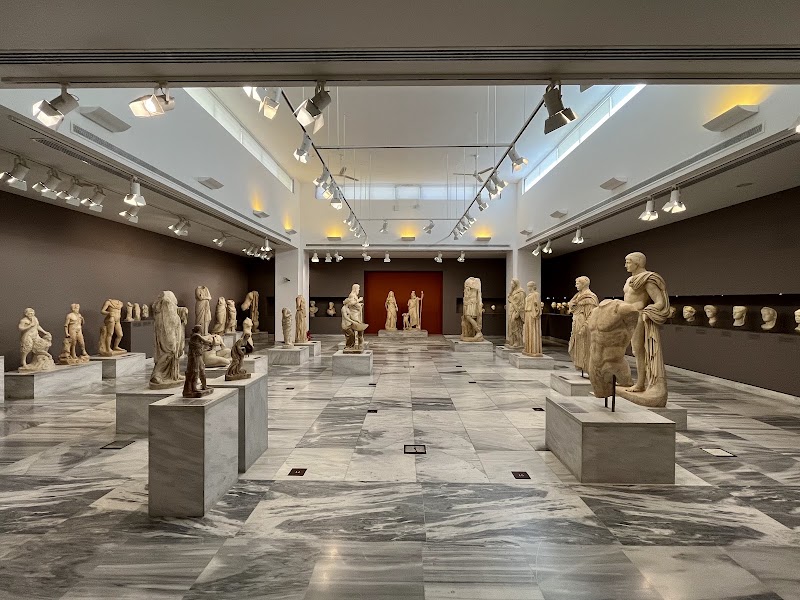
Heraklion Archaeological Museum: Crete’s Minoan Essential
A clear, modern museum with an exceptional Minoan collection, best approached with several hours to spare.
Greece · Athina
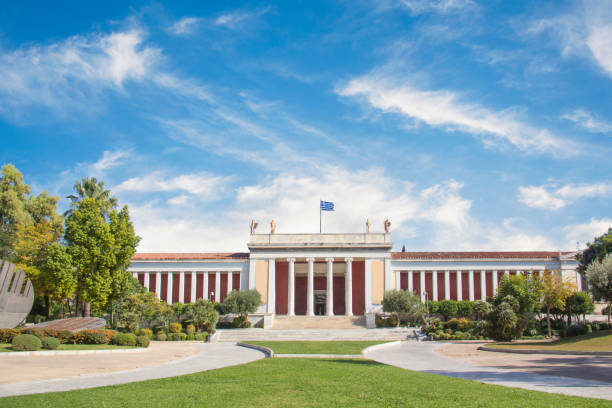
National Archaeological Museum: Athens’ Deepest History Stop
Public reviews praise the museum’s vast collection, clear displays and generous pace, while noting its size and strict bag checks.

Greece · Athina
Acropolis Museum: Essential Context for Athens’ Ancient Hill
Public reviews consistently praise this modern Athens museum for its clear displays, original artefacts and direct connection to the Acropolis.

Greece · Messinia
Mycenaean Tomb of Thrasymedes: Views Worth the Walk
An ancient vaulted tomb above Voidokoilia Beach, valued less for its ruins than for its open views across the coast and surrounding mountains.