Akapana Pyramid: Tiwanaku’s Monumental Pre-Inca Ruin
A vast, partially excavated pyramid whose surviving platforms offer a powerful introduction to the scale and ambition of ancient Tiwanaku.
More photos
Photos published by travelers on Google, not AI generated.
What stands out
- Monumental pre-Inca scale
- Seven-platform construction
- Surviving traces of plaster
- Organized archaeological route
- Wider Tiwanaku ruins
Worth knowing
- The pyramid is heavily ruined
- Only parts have been excavated
- Little resembles a complete pyramid
Don't miss
What comes up most in public reviews
- Akapana’s seven-platform layout
- Surviving patches of plaster
- The wider Tiwanaku ruins route
- Gate of the Sun and Kalasasaya
Worth the trip?
What public reviews suggest
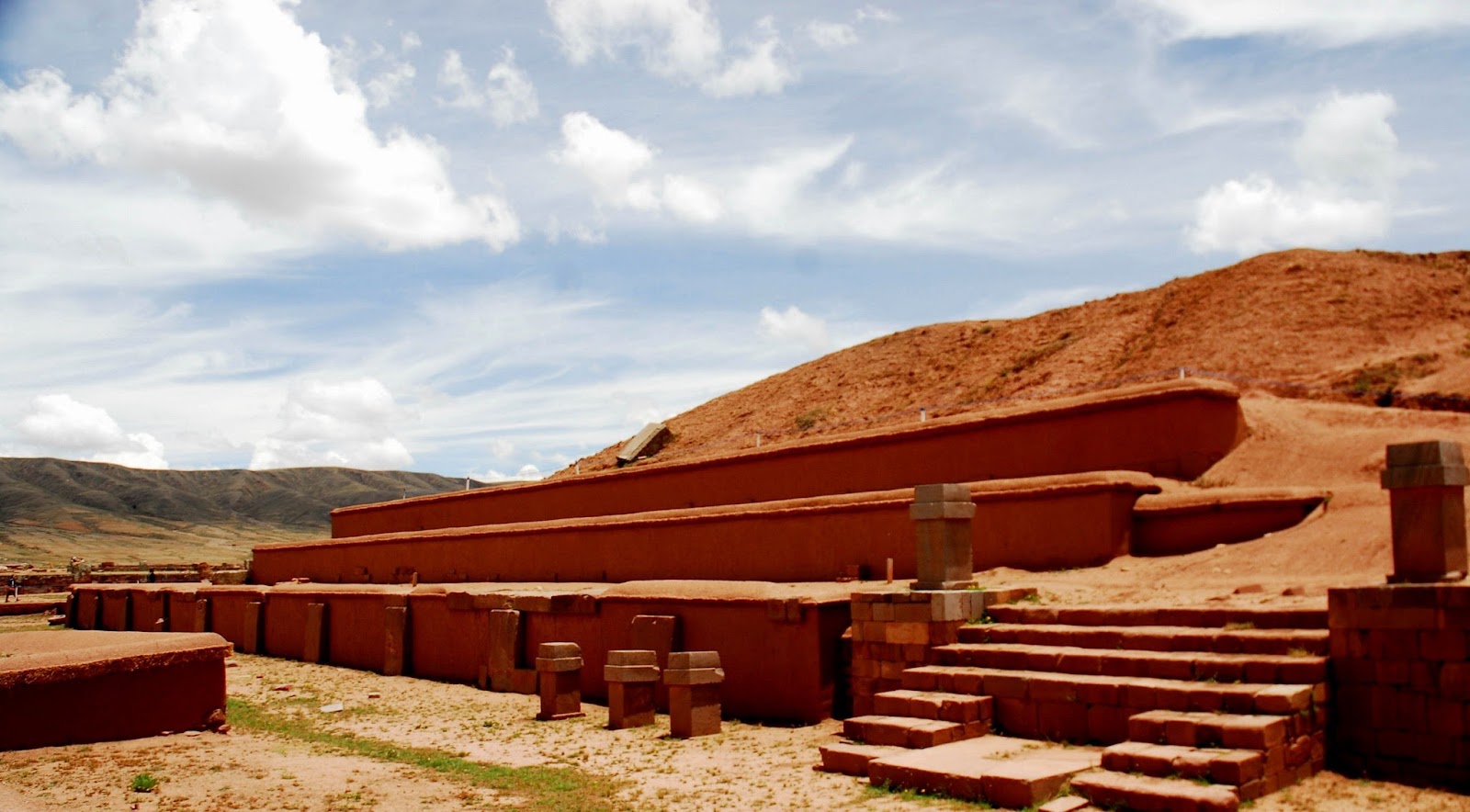
Akapana Pyramid is one of the principal monuments at Tiwanaku, the major archaeological site roughly 72 kilometres west of La Paz and close to Lake Titicaca. Public feedback is strongly positive, with a Google rating of 4.5 from 83 reviews. Travellers repeatedly focus on the site’s age, scale and connection to a civilization that predates the Inca.
Reviews describe Tiwanaku as the former capital of a powerful pre-Inca culture that flourished from around 300 to 1000 CE. Akapana is not presented as an intact pyramid. Instead, its eroded form and exposed construction layers offer clues to what once stood here. Several comments find that sense of lost grandeur more compelling than visual completeness.
What remains of Akapana
One detailed account describes a square base measuring about 194 metres on each side and a surviving height of 15.7 metres. The structure has seven platforms, reportedly built during different periods. These dimensions help convey the scale, but visitors expecting a sharply defined stone pyramid may need to adjust their expectations. Akapana now reads as a broad archaeological mound with excavated sections rather than a complete ceremonial monument.
Reviewers mention that only parts of the pyramid have been excavated. Small areas of surviving plaster are singled out as particularly interesting because they hint at how different the finished structure would once have appeared. The main appeal lies in examining these fragments, understanding the layered construction and considering the engineering required to build at such scale.
The wider Tiwanaku experience
Akapana forms part of a broader circuit through the Tiwanaku ruins. Public reviews describe the route as well organized and easy to follow, making the pyramid suitable as one stop within an afternoon of archaeological sightseeing. Staff and other people associated with the site are also described as kind and helpful.
The wider complex includes monumental stone architecture such as Kalasasaya, the semi-subterranean temple, the Gate of the Sun and carved stone heads. These features add context to Akapana and make the visit feel more substantial than viewing the pyramid alone. Together, they illustrate the ceremonial and architectural ambition associated with Tiwanaku.
Editorial verdict
Synthesizing the available reviews, Akapana is best suited to travellers interested in archaeology, early Andean societies and ruins that reward interpretation. Its power comes from scale and historical context rather than pristine preservation. The partially excavated state may disappoint anyone expecting a complete pyramid, but it also leaves a strong impression of how much remains unknown about the civilization that built it.
An afternoon appears sufficient for following the organized route and seeing Akapana alongside Tiwanaku’s other principal monuments. Time spent looking for the remaining plaster and identifying the seven-platform layout should make the pyramid easier to understand. The strongest visit treats Akapana not as an isolated photo stop, but as a central part of the wider archaeological landscape.
Plan the rest of the trip
Ask anything
Looking for somewhere else?
Keep exploring around Tiwanaku
More from Bolivia

Bolivia · La Paz
Bolivia Homeland Tours for High-Altitude La Paz Adventures
Public reviews praise Bolivia Homeland Tours for thoughtful guides, well-organised excursions and strong support on demanding trips around La Paz.
Bolivia · Uyuni
World White Travel for a Multi-Day Uyuni Salt Flats Tour
Public reviews point to a well-regarded operator for private, demanding journeys across Bolivia’s salt flats and high desert.
Bolivia · La Paz
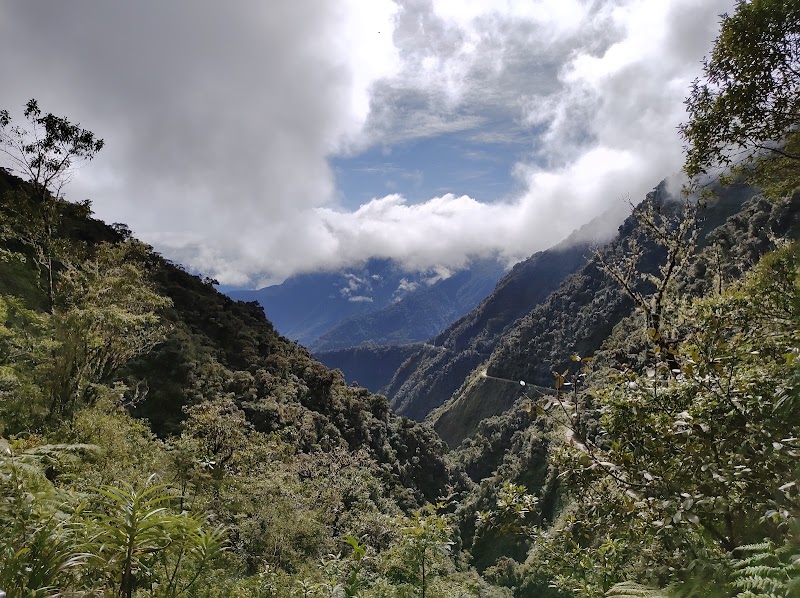
Altitude Travel puts La Paz adventure days in capable hands
Public reviews praise Altitude Travel’s organisation, guides and mountain outings, with Death Road and Pico Austria drawing the strongest attention.

Bolivia · La Paz
Red Cap City Walking Tours Makes La Paz Legible
Public reviews praise Red Cap’s history-led walks, especially guides Max and Denis, while one traveller reports a cancellation caused by low attendance.