Zanabazar Museum of Fine Arts: A Quiet Ulaanbaatar Art Stop
Public reviews praise this compact museum for Buddhist art, historic objects and a modern-art floor, though the contemporary section divides opinion.
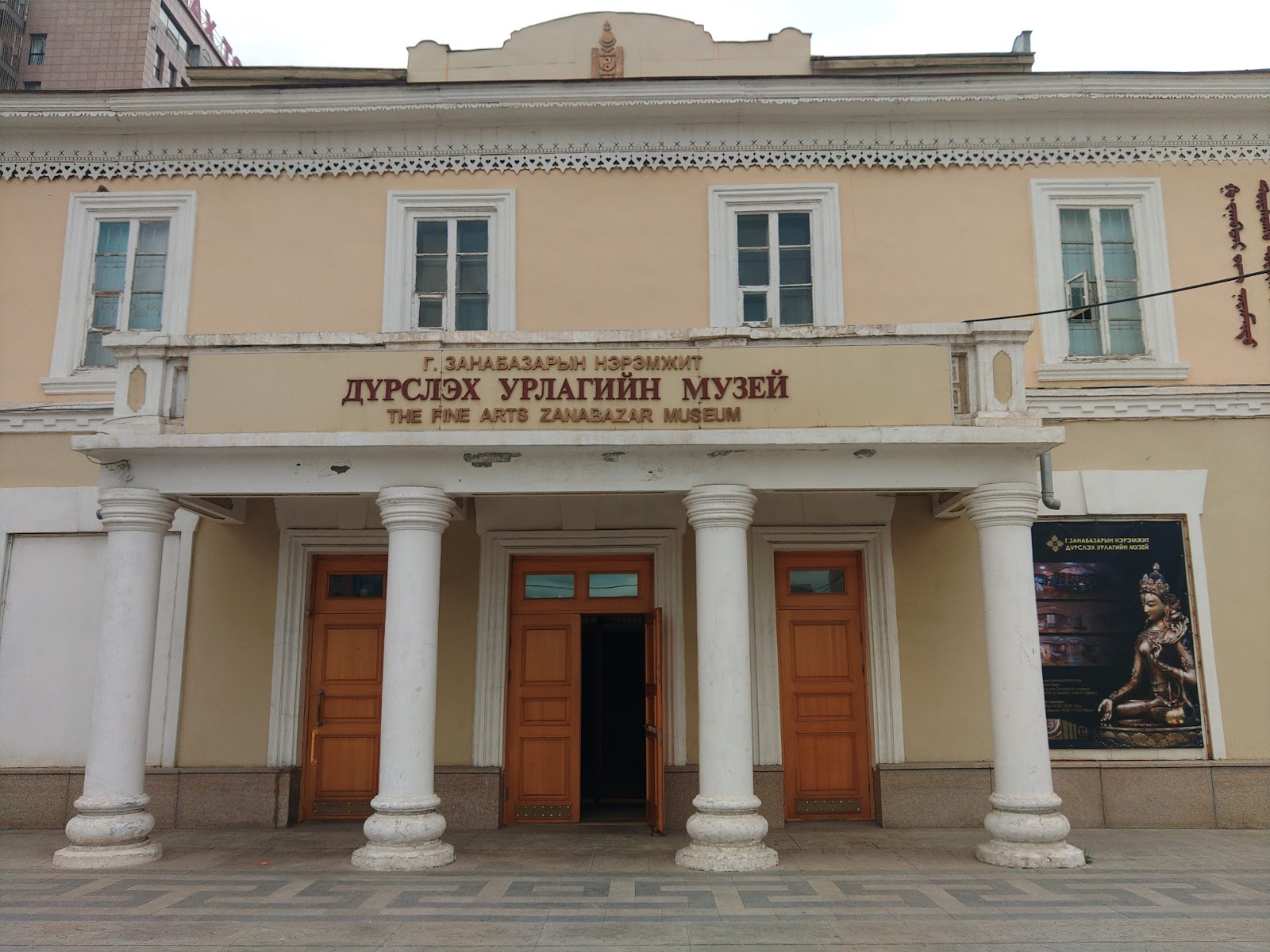
More photos
Photos published by travelers on Google, not AI generated.
What stands out
- Buddhist art and monastery works
- Historic clothing and artefacts
- Intricate bridles and saddles
- Ancient cave-art replicas
- A modern-art exhibition
Worth knowing
- The modern-art section divides opinion
- Photography and video may require an add-on
- The collection rewards reading the labels
Don't miss
What comes up most in public reviews
- Look closely at the Buddhist works
- See the decorated bridles and saddles
- Read the displays on historic objects
- Ask about photography and video options
Worth the trip?
What the reviews show
Zanabazar Museum of Fine Arts has a Google rating of 4.4 from 480 reviews. Public feedback presents it as a compact, thoughtful stop in Ulaanbaatar, with collections spanning Buddhist art, historic objects, clothing and modern work. Several visitors describe spending about an hour inside. The mood is often quiet and reflective, especially during an early Tuesday visit reported by one traveller.
The museum suits visitors who prefer to look closely rather than rush through a major complex. It is not described as an all-day attraction. Its appeal comes from the range of material in a relatively small setting, along with displays that connect Mongolia’s artistic past to more recent practice.
What to see
Reviews point to original and replica works covering several centuries. Some pieces are connected with ancient cave art. Others were reportedly removed intact from Buddhist monasteries, giving the collection a strong religious and historical dimension. The exhibits are not limited to paintings or sculpture. One visitor singled out prehistoric objects, clothing and finely decorated bridles and saddles, with examples said to date from 600 BC onwards.
The Zanabazar-related material is central to the museum’s identity, and visitors should allow time for the details in the displays. One review specifically praises the work of Batjargal, while another describes the collection as an impressive mixture of old and very modern art. The range is part of the experience, though it also creates some unevenness in how the museum feels from room to room.
The modern-art question
The first-floor modern-art exhibition receives a mixed response. Some visitors appreciate having contemporary work included in the admission. Another reviewer felt that much of it was by foreign artists and did not speak closely enough to Mongolia, nomadic culture or Zanabazar. That criticism matters for travellers arriving with a focused interest in Mongolian art history.
The contemporary section may work best when treated as an extension of the visit rather than its sole purpose. Expectations should be set accordingly. The strongest consensus in the reviews concerns the older material, especially Buddhist works, historic artefacts and the intricate treatment of horse equipment.
Planning the visit
The museum is described as peaceful and manageable at a slower pace. An early weekday morning may appeal to visitors hoping for fewer distractions, although the available reviews do not establish a consistent pattern for crowd levels. The experience is improved by reading the labels instead of making a quick circuit. One reviewer found the explanatory text fascinating and urged visitors to take their time.
Public feedback says entry can be paid with cash, card or an e-wallet. The reviews also mention add-on options for taking photographs or videos, so visitors interested in recording the collection should check the current rules at the entrance. Cost is not classified here because the available listing data does not provide a reliable price level.
Plan the rest of the trip
Ask anything
Looking for somewhere else?
Keep exploring around Ulaanbaatar
More from Mongolia
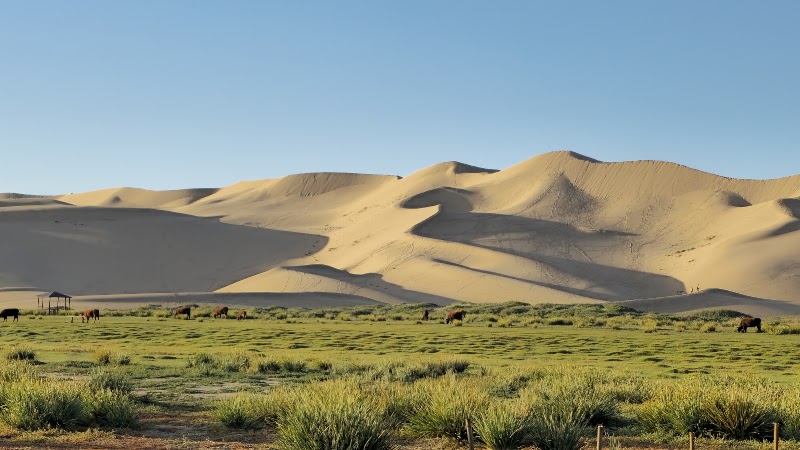
Mongolia
Gobi Gurvan Saikhan National Park: Wild Desert Scale
Public reviews describe a remote Mongolian park of vast dunes, ice canyons, wildlife sightings and exceptionally quiet wilderness.
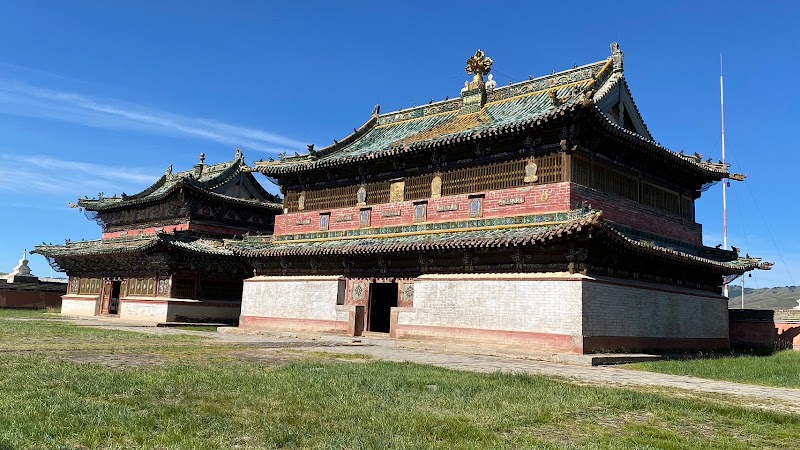
Mongolia · Harhorin
Kharakhorum Museum puts Mongolia’s imperial past in context
This compact Harhorin museum helps visitors understand Mongolia’s history before exploring Erdene Zuu and the former Karakorum site.

Mongolia · Ulaanbaatar
National Amusement Park, Ulaanbaatar’s Easygoing Family Outing
Public reviews describe a charming, slightly dated amusement park with rides, food stalls and city views that suit families and short visits.
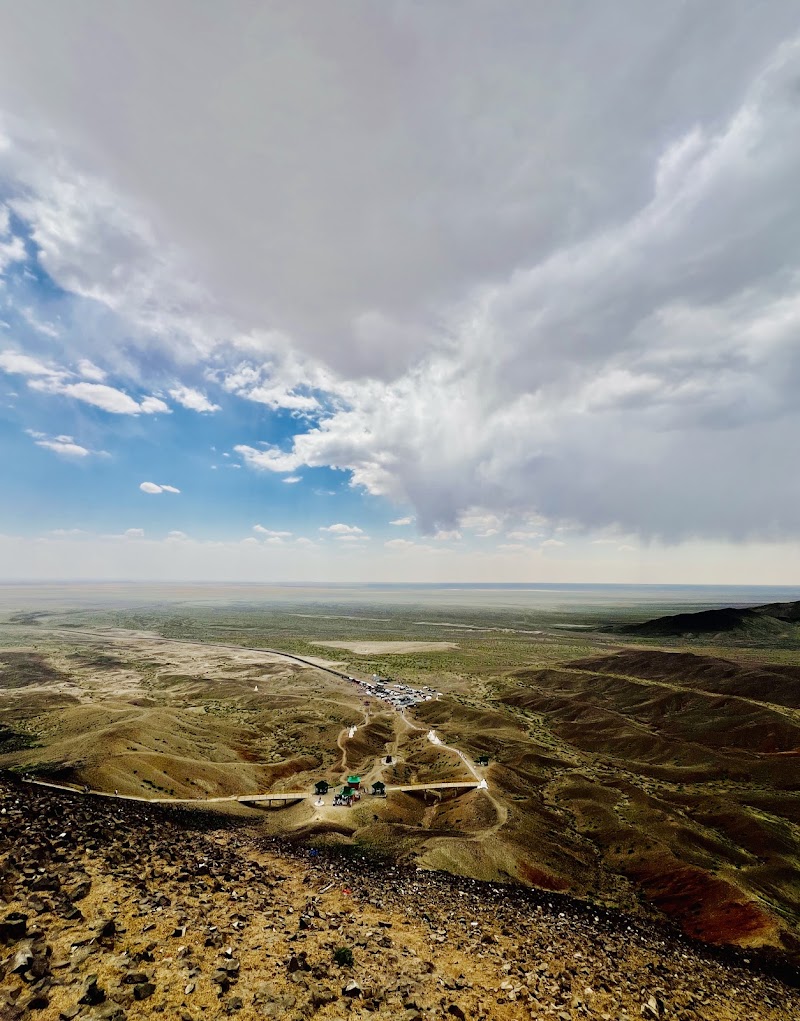
Mongolia
Khan Bayanzurkh Mountain, Mongolia’s Wish Mountain
Public reviews describe a spiritually important climb with wide steppe views, a lower temple and a local tradition of making wishes.