Khan Bayanzurkh Mountain, Mongolia’s Wish Mountain
Public reviews describe a spiritually important climb with wide steppe views, a lower temple and a local tradition of making wishes.
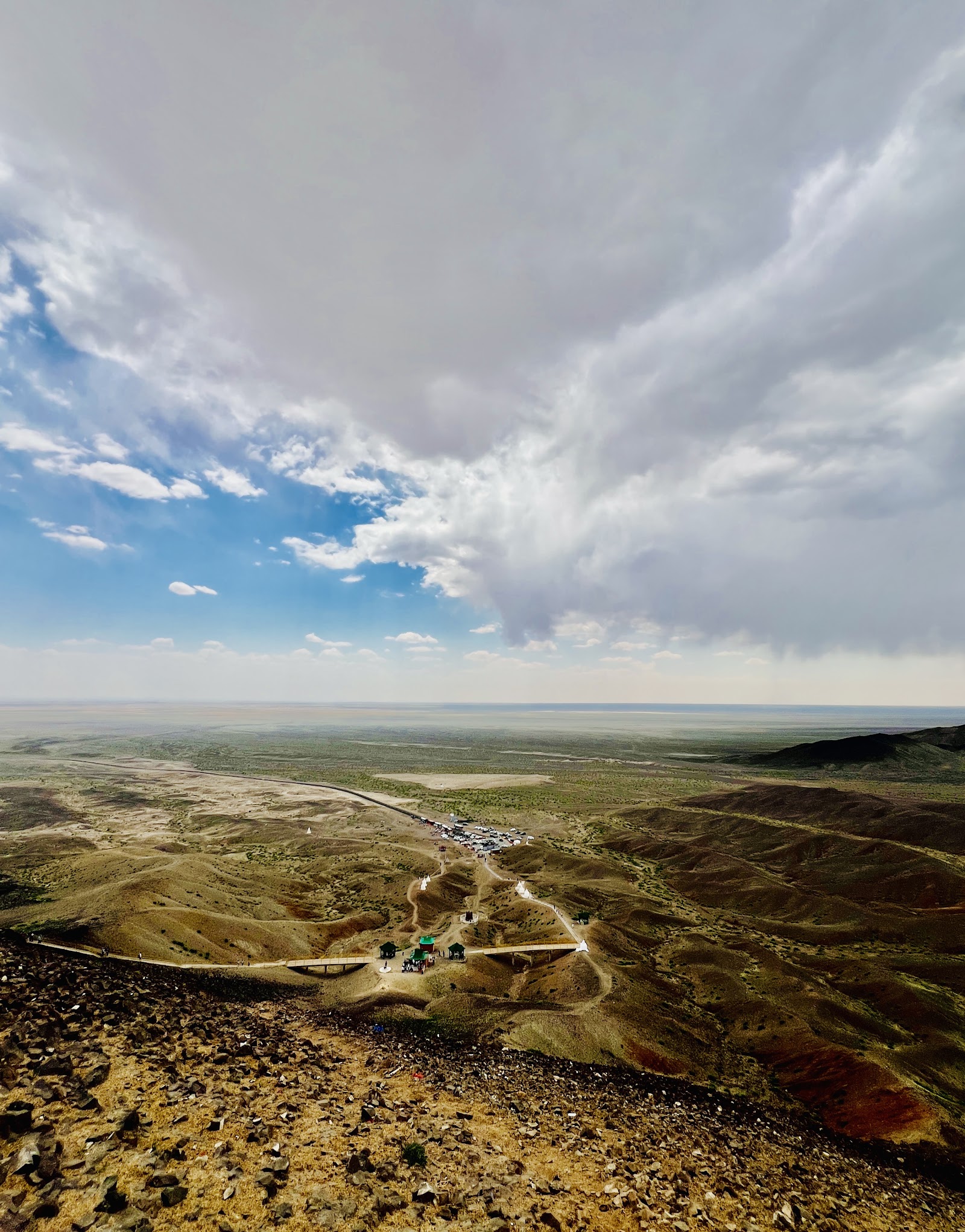
More photos
Photos published by travelers on Google, not AI generated.
What stands out
- Wish-making tradition
- Views across the steppe
- Lower temple
- Summit cairn
- Spiritual significance
Worth knowing
- Cold and afternoon sandstorms may occur in spring
- Reported gender-based access tradition
- Facilities and opening hours are unspecified
Don't miss
What comes up most in public reviews
- Make a wish at the lower temple
- See the summit cairn
- Look across the steppe from the uphill viewpoint
Worth the trip?
Why visit
Khan Bayanzurkh Mountain is presented in public reviews as a spiritual site rather than a conventional scenic stop. Visitors come to make a wish, take in the surrounding steppe and experience a place associated with local belief. One recurring description calls it the “wish mountain”, while another says the mountain has spiritual meaning for everyone who visits.
The mountain is also described as the home of the third incarnated soul of Noyon Khutagt. Reviews repeat a story linking the site with a visit by the Japanese imperial family and a wish for a son. The account is part of the attraction’s public folklore, not an independently verified historical claim in the available listing material.
The climb and its customs
The most specific practical detail in the reviews concerns access to the sacred points. Reviewers report that only men are traditionally allowed to climb to the summit, where a cairn stands. Women are said to make their wishes at a temple lower on the mountain. One visitor counted roughly 320 climbing steps to reach that temple.
That custom may matter to travellers planning the visit. It should be treated as a reported local practice, and visitors may want to ask locally about current access arrangements before climbing. The reviews do not provide information about opening hours, facilities, accessibility or the exact route.
Views and atmosphere
The upper section is repeatedly praised for its outlook. Reviewers describe the mountain as the highest point in the surrounding area and say the uphill position allows broad views across the steppe. The landscape appears to be a central part of the experience, especially for visitors who want a quiet viewpoint with spiritual significance.
The atmosphere is described in terms of good energy and wishes being granted. Those ideas are personal and faith-based, yet they recur across the public reviews. Even visitors who are less interested in the spiritual claims can expect a short outdoor excursion centred on elevation, open scenery and a culturally significant site.
Planning notes
The visit is best approached as a half-day outing, allowing time for the climb, the lower temple and the views. The available reviews do not identify a recommended season or time of day. One visitor came on May 29 and encountered cold weather, followed by a sandstorm in the afternoon. That report makes changeable spring conditions worth taking seriously.
There is no reliable price information in the supplied listing material, so the cost level remains unknown. Travellers should also prepare for a physical climb and ask about customary access before setting out. Khan Bayanzurkh Mountain suits visitors seeking a meaningful cultural stop, a panoramic steppe outlook and a wish-making tradition rather than a developed park attraction.
Plan the rest of the trip
Ask anything
Looking for somewhere else?
Keep exploring
More from Mongolia
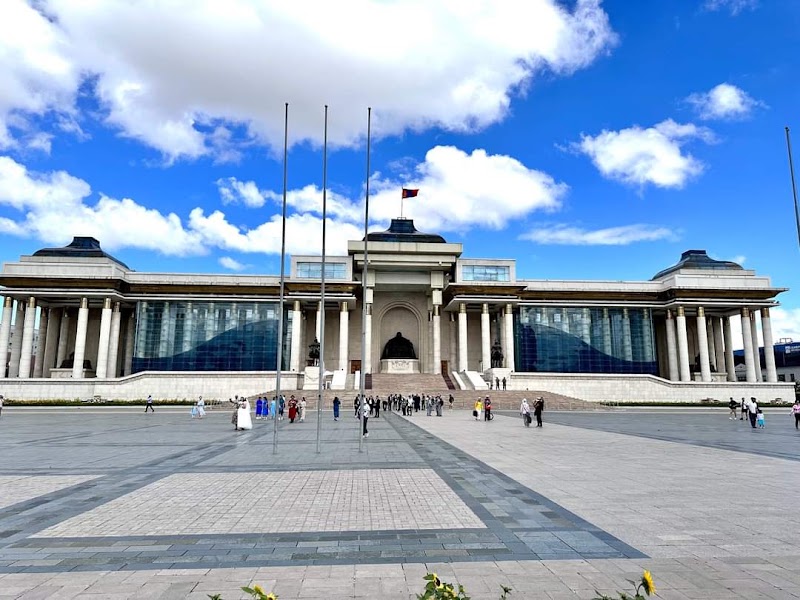
Mongolia · Ulaanbaatar
Chinggis Khaan Statue: A Brief, Striking Ulaanbaatar Stop
A monumental horseback statue, small museum and city-centre views make this a worthwhile one-time visit in Ulaanbaatar.
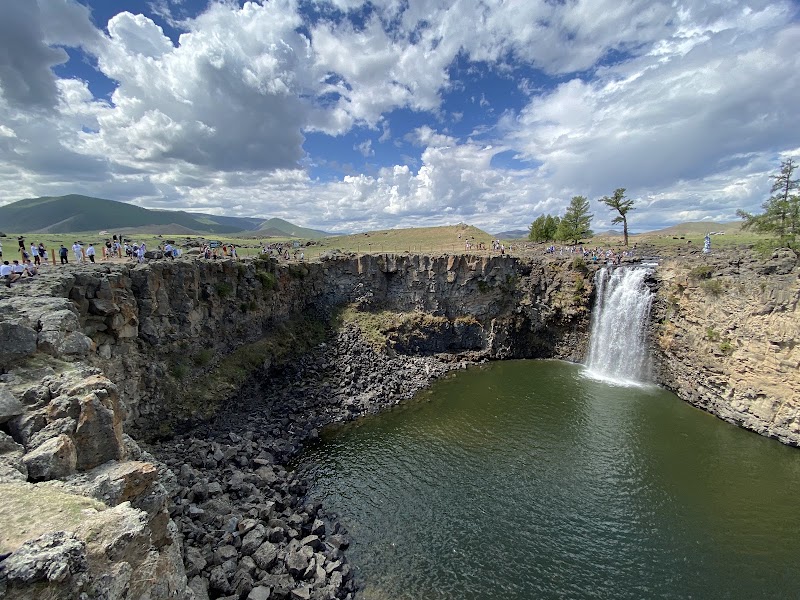
Mongolia · Burgaasatayn Hiid
Orkhon Waterfall: A Scenic Walk into Mongolia’s Cliffs
Public reviews rate Orkhon Waterfall highly for its mountain setting, stream walks and peaceful atmosphere, though reaching it still requires an off-road drive.
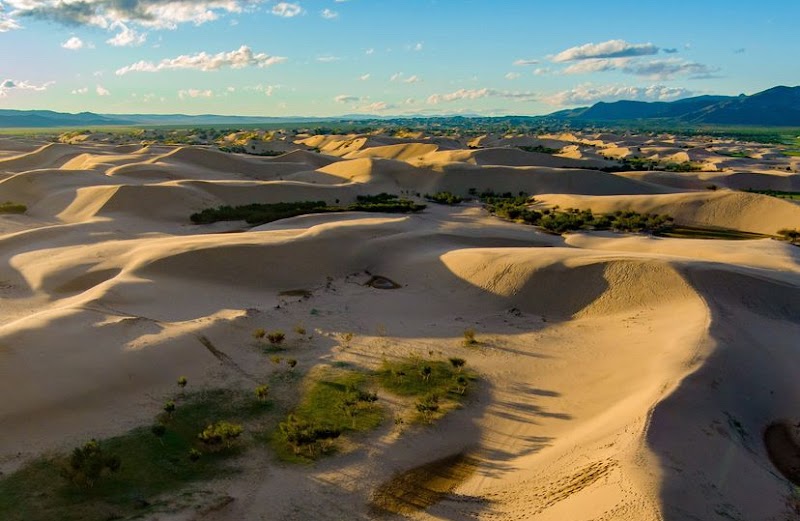
Mongolia · Högönö-Taranaiin-Hüree
Elsen Tasarkhai: Mongolia’s Accessible Sand-Dune Detour
Elsen Tasarkhai gives travellers a striking taste of desert landscape amid Mongolia’s green plains, with strong photo appeal and practical limits.
Mongolia · Ulaanbaatar
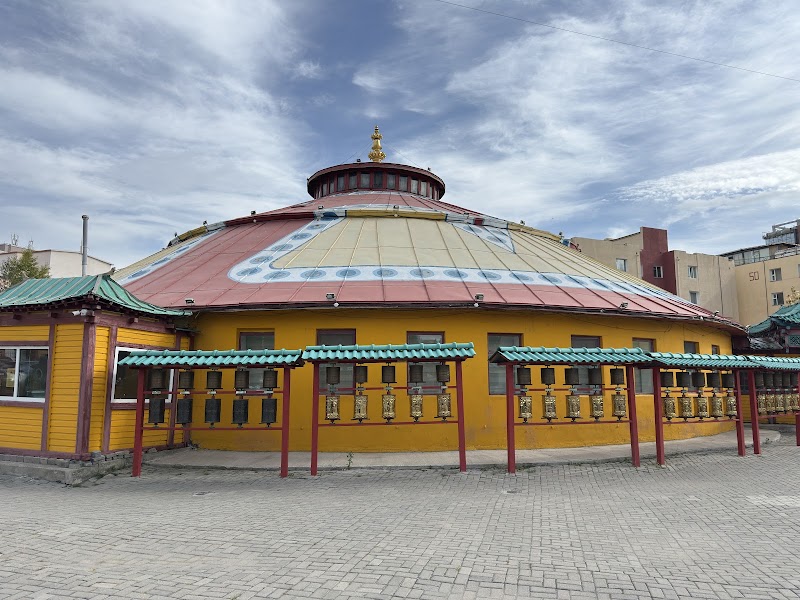
Dashchoilin Monastery: Quiet Buddhist History in Ulaanbaatar
Dashchoilin Monastery offers distinctive ger-shaped temples, a peaceful city setting and a direct look at Ulaanbaatar’s Buddhist history.