Dashchoilin Monastery: Quiet Buddhist History in Ulaanbaatar
Dashchoilin Monastery offers distinctive ger-shaped temples, a peaceful city setting and a direct look at Ulaanbaatar’s Buddhist history.

More photos
Photos published by travelers on Google, not AI generated.
What stands out
- Distinctive ger-shaped temple buildings
- Links to historic Eastern Khüree
- Peaceful setting in central Ulaanbaatar
- Traditional Buddhist architecture and details
- A quiet break from the city
Worth knowing
- Temples may be closed later in the afternoon
- Access arrangements can affect the experience
Don't miss
What comes up most in public reviews
- See the ger-shaped temples
- Ask about the Eastern Khüree connection
- Look for surviving historic structures
- Take time to enjoy the peaceful surroundings
Worth the trip?
Dashchoilin Monastery stands out among Ulaanbaatar’s religious sites for its unusual ger-shaped temple buildings and its deep connection to the city’s monastic past. Public reviews give it a 4.6 rating from 462 reviews, with many visitors describing a calm, uncrowded place in the middle of the capital.
A surviving part of old Urga
The monastery is associated with Eastern Khüree, one of the major monastic communities of historic Urga. Reviews trace one of its predecessor temples to 1737 and describe the site as part of the old Zuun Khuree complex. It was once home to hundreds of monks before the religious purges of 1938 destroyed the original community.
The present buildings carry that history in a more unusual form. Reviewers repeatedly mention the concrete temples shaped like traditional gers. That architecture gives Dashchoilin a distinctive identity, especially for visitors who have already seen more conventional Buddhist temples in Ulaanbaatar.
A pause in the city
The strongest pattern in the reviews is atmosphere. Visitors describe a quiet and peaceful setting that feels removed from the busy streets around it. Colorful Buddhist details, traditional architectural elements and open surroundings make the monastery suitable for a slow visit rather than a rushed stop.
Some travellers come for the cultural context. Others simply enjoy the stillness, the scenery and the chance to sit with the surroundings for a while. The reviews suggest that Dashchoilin works particularly well for visitors interested in local Buddhist traditions who do not want to leave central Ulaanbaatar.
Plan around access
The main caution concerns opening arrangements. One reviewer arrived at about 16:15, found the temples closed and felt that the visit did not match the admission experience. That account differs sharply from the otherwise positive reviews, but it is useful practical evidence. Visitors should check access before setting out, especially later in the day, and confirm which buildings are open on arrival.
The site may be more rewarding when the temples can be properly viewed rather than treated as a brief exterior stop. Visitors interested in the monastery’s history can also ask about its connection to Eastern Khüree and the buildings that survived the Soviet-era purges. Reviews say some structures were preserved because they were used as storage units.
The verdict
Dashchoilin Monastery is a strong choice for a culturally curious traveller seeking a quieter attraction in central Ulaanbaatar. Its ger-shaped temples provide the visual appeal, while its links to old Urga give the visit historical weight. The experience depends on timing, and the public reviews include a clear warning about closed temples late in the afternoon.
For visitors who arrive with realistic expectations, the monastery offers a peaceful break and a less conventional view of Mongolia’s Buddhist heritage. It is best approached as a short, reflective cultural visit rather than a large museum-style attraction.
Plan the rest of the trip
Ask anything
Looking for somewhere else?
Keep exploring around Ulaanbaatar
More from Mongolia
Mongolia · ND - 6 khoroo
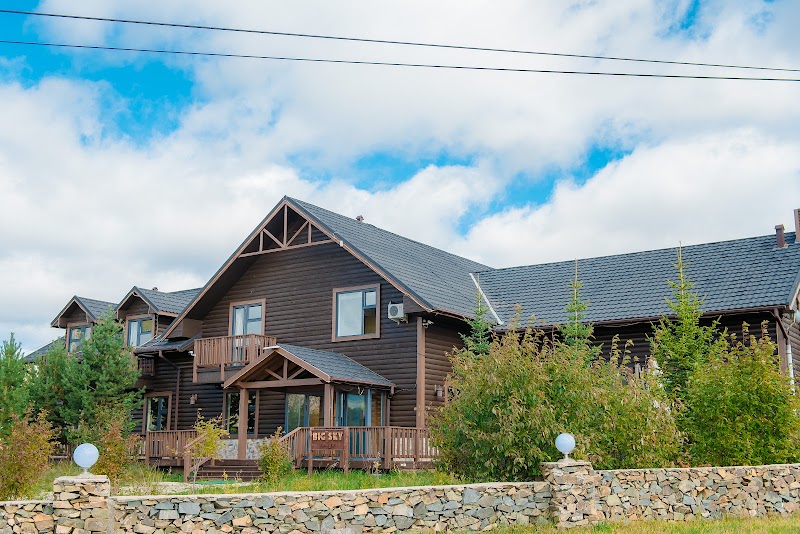
Big Sky Lodge Terelj: Comfort in Mongolia’s Quiet Hills
Public reviews highlight polished ger accommodation, strong food and peaceful scenery, with service that can be less capable than advertised.
Mongolia
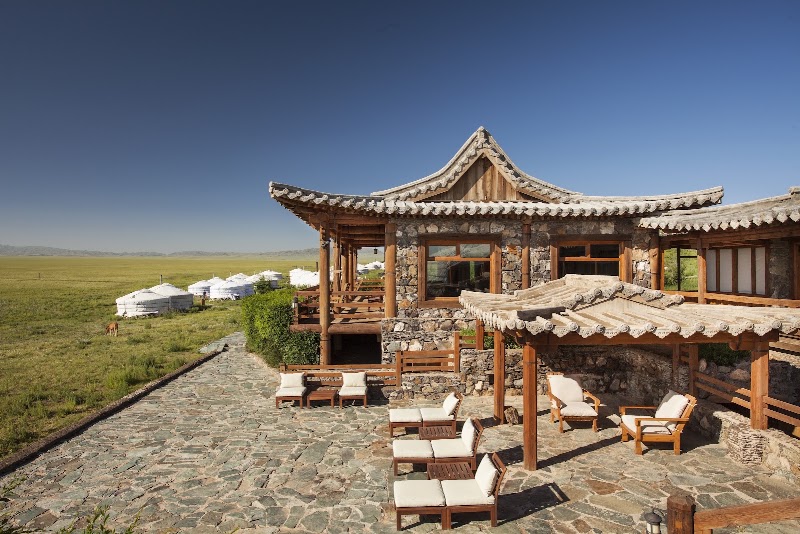
Three Camel Lodge: A Refined Base in Mongolia’s Gobi Desert
Public reviews describe an atmospheric ger stay with memorable desert landscapes, strong meals and well-organised experiences around the Southern Gobi.

Mongolia · Kharkhorin
Secret of the Silk Road Resort: A Comfortable Ger Stay
This upscale resort pairs spacious traditional gers with a grand main building, reliable heating and well-reviewed buffet meals near Kharkhorin.
Mongolia · Ulaanbaatar
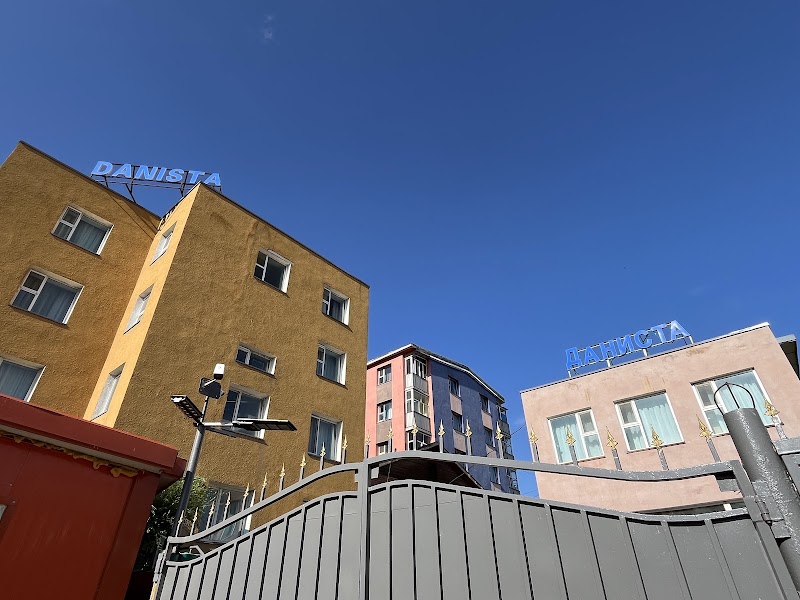
Danista Nomads: A Friendly Base for Ulaanbaatar Tours
A well-reviewed guesthouse in Ulaanbaatar where warm service, practical advice and organised Mongolia tours shape the stay.