Yuanmingyuan Park: Beijing’s Ruins of the Garden of Gardens
Yuanmingyuan Park pairs vast imperial landscapes with haunting ruins, making it a powerful historical stop for visitors who have time to explore slowly.
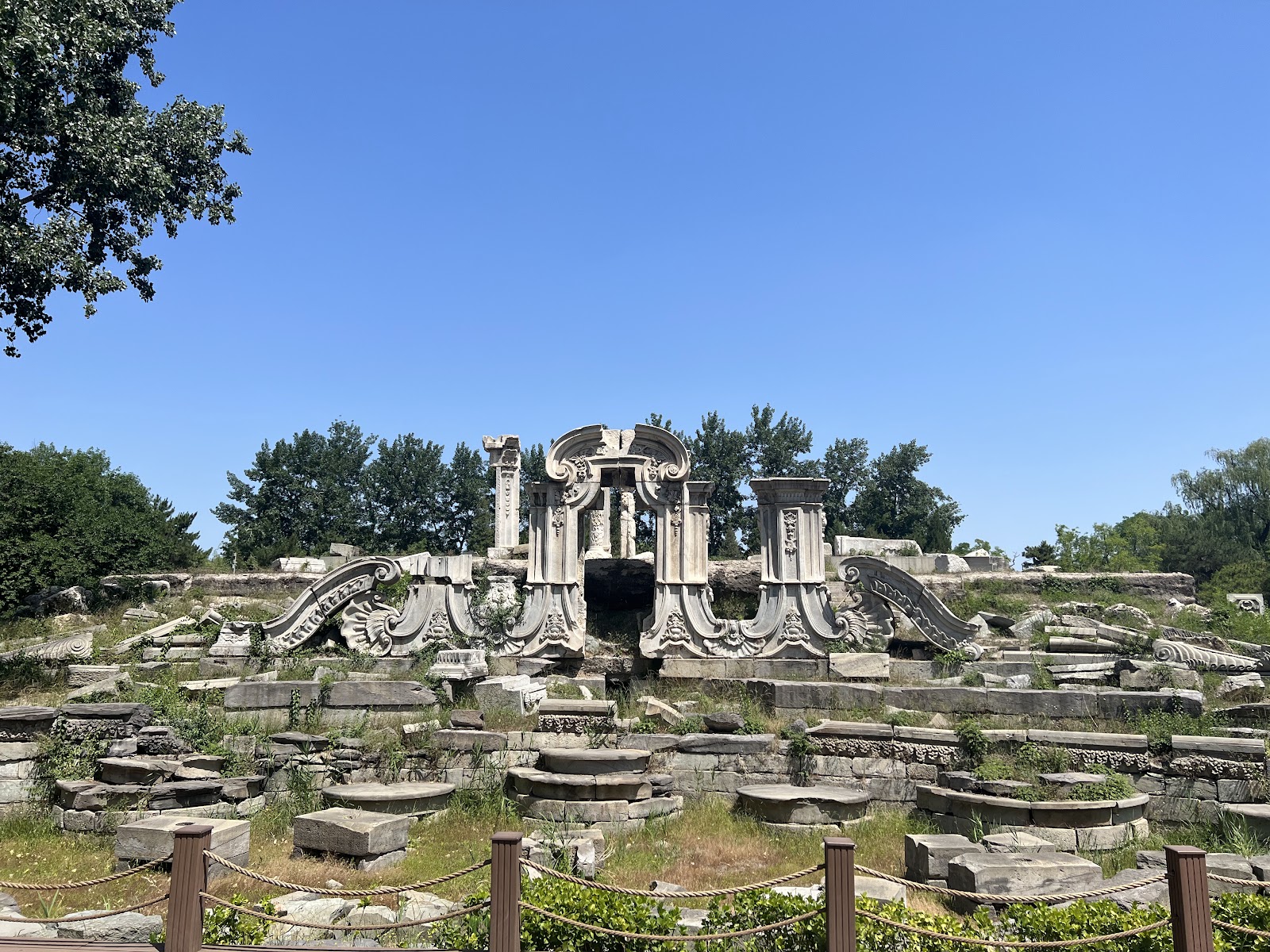
More photos
Photos published by travelers on Google, not AI generated.
What stands out
- Dashuifa’s broken marble columns
- Lotus ponds and willow-lined paths
- Vast former imperial garden landscape
- Rebuilt sections that suggest the garden’s scale
- Atmosphere of history and reflection
Worth knowing
- The park is very large and takes time to explore
- The ruins can lack context without a guide or audio material
- Some visitors may find the history emotionally heavy
Don't miss
What comes up most in public reviews
- Dashuifa ruins
- Overgrown lake islands
- Audio guide
- AR scans at major ruins
- Ask a guide about the garden’s history
Worth the trip?
Why visit
Yuanmingyuan Park is a large former imperial garden in Beijing, China, known for its ruined palaces, lakes and landscaped grounds. Public reviews give it a 4.4 rating from 1,263 reviews, with visitors repeatedly describing the site as enormous, atmospheric and historically important.
The park once covered about 350 hectares and was designed with scenery inspired by famous places across China. That scale still shapes the visit. This is not a compact monument with a quick viewing point. Paths lead across broad grounds, past water, trees, islands and surviving architectural fragments. Visitors who try to cover everything may find that the park takes most of a day.
The history is the main point
Yuanmingyuan’s ruins carry a heavy story. Anglo-French forces looted and burned the garden in 1860, and further destruction followed. Reviews focus on the emotional effect of seeing what remains: broken marble columns, collapsed structures and overgrown areas that hint at the former grandeur without recreating it.
The Dashuifa ruins receive particular attention. Their damaged stonework gives the park its most immediately recognisable scene, but the wider setting matters just as much. Lakes, lotus ponds, willow-lined paths and scattered ruins create a landscape where the past feels present, though never complete.
Some visitors describe the experience as sad. Others emphasise the lessons of foreign invasion during the Qing Dynasty and the sense of recovery that has followed. The atmosphere is reflective rather than purely recreational.
Plan for a slow visit
The public reviews make clear that Yuanmingyuan is easy to underestimate. One visitor completed only a small area while trying to fit the park into a wider Beijing itinerary. The grounds are extensive, and the ruins are spread out. A full day gives visitors more room to pause, follow the landscape and understand the site instead of rushing between landmarks.
Context improves the experience. Reviewers recommend using a guide, learning the history before arrival, renting the audio guide or trying the AR scans at major ruins. Without some background, the broken structures can look like isolated rubble. With it, the surviving landscape becomes easier to read.
The park also includes rebuilt sections, which help visitors picture the scale and design of the former garden. These areas should not replace the ruins on an itinerary, but they add useful visual context.
Who should go
Yuanmingyuan suits travellers interested in imperial history, architecture, landscapes and difficult chapters of China’s past. It is especially worthwhile for visitors who have already seen Beijing’s better-known imperial sites and want a different kind of historical experience.
It may be less suitable for anyone seeking a short, tightly contained attraction. The distances are part of the character of the place, but they demand time and comfortable walking. Public reviews also mention a special lantern festival, though that appears to be an event-specific attraction rather than a permanent feature.
The strongest visit combines the Dashuifa ruins with the surrounding lakes and paths, then adds an audio guide, guide or AR material for interpretation. Yuanmingyuan is not polished into a single dramatic monument. It is a vast historical landscape, and its power comes from seeing both what survived and what was lost.
Plan the rest of the trip
Ask anything
Looking for somewhere else?
Keep exploring around 海淀区
More from China
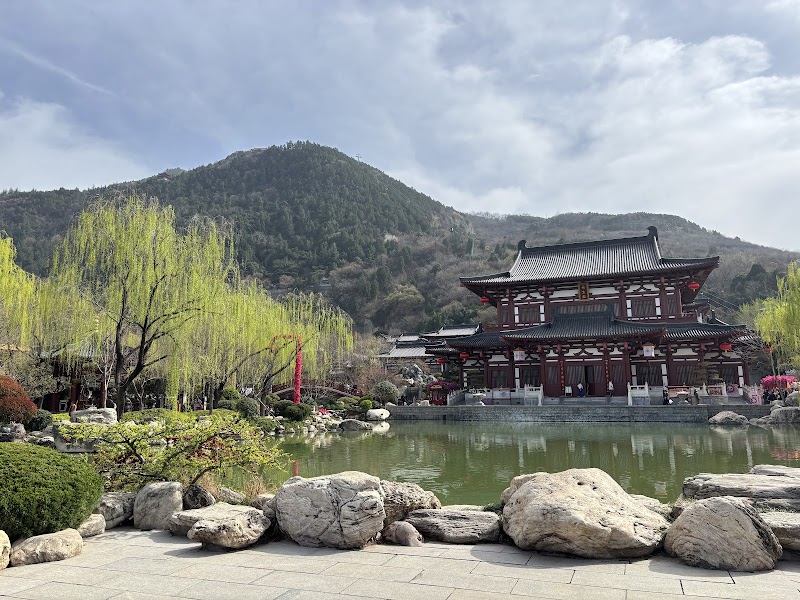
China · Xi An Shi
Huaqing Pool: Imperial History at the Foot of Mount Li
Public reviews describe Huaqing Pool as a scenic historical complex whose evening performance often outshines the daytime park visit.
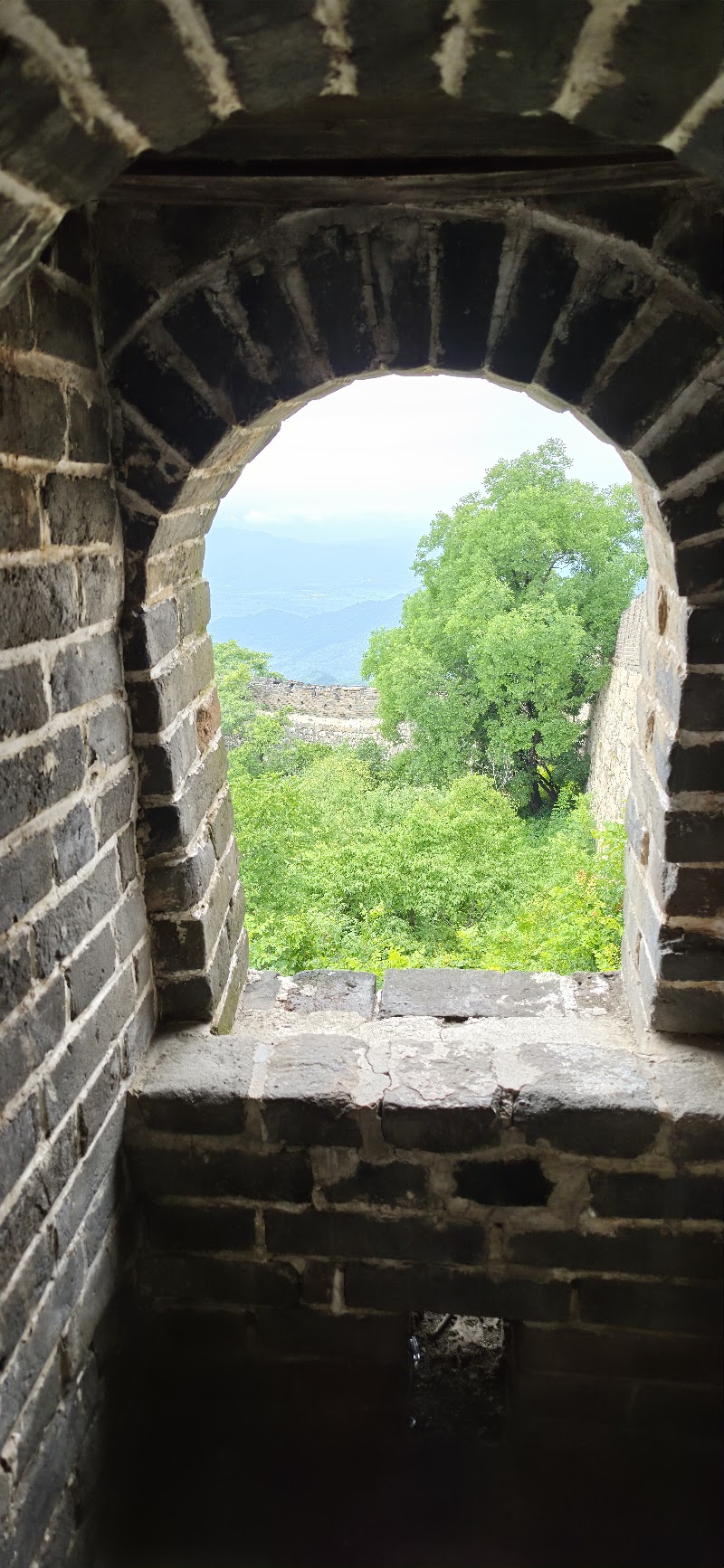
China · San Du He Xiang
中华奇石园: A Great Wall Access Point With Serious Walking
Public reviews identify this listing with a Great Wall access area, cable car, steep approaches and wide seasonal views, despite the place name suggesting a different attraction.
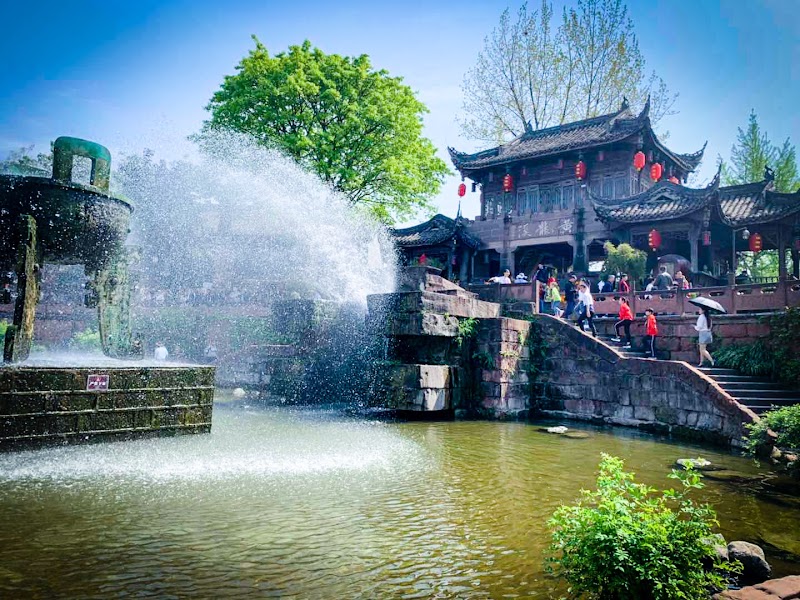
China · Cheng Du Shi
Huanglongxi Ancient Town: Water, Streets and Local Flavours
Public reviews find a scenic historic water town near Chengdu, with restored architecture, lively streams and plenty of commercial activity.
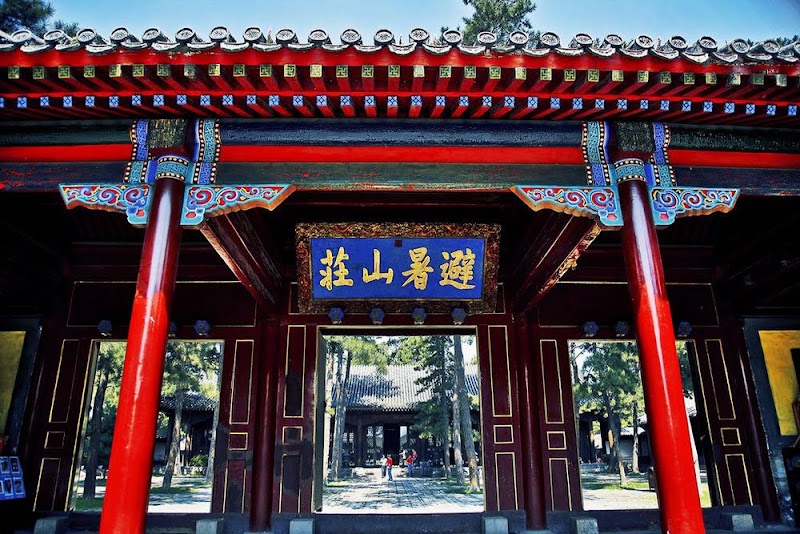
China · Cheng De Shi
Chengde Mountain Resort: Imperial Grounds Built for Walking
Chengde Mountain Resort combines a modest Qing palace with an expansive landscape of lakes, trees, pagodas and named scenic spots.