Chengde Mountain Resort: Imperial Grounds Built for Walking
Chengde Mountain Resort combines a modest Qing palace with an expansive landscape of lakes, trees, pagodas and named scenic spots.
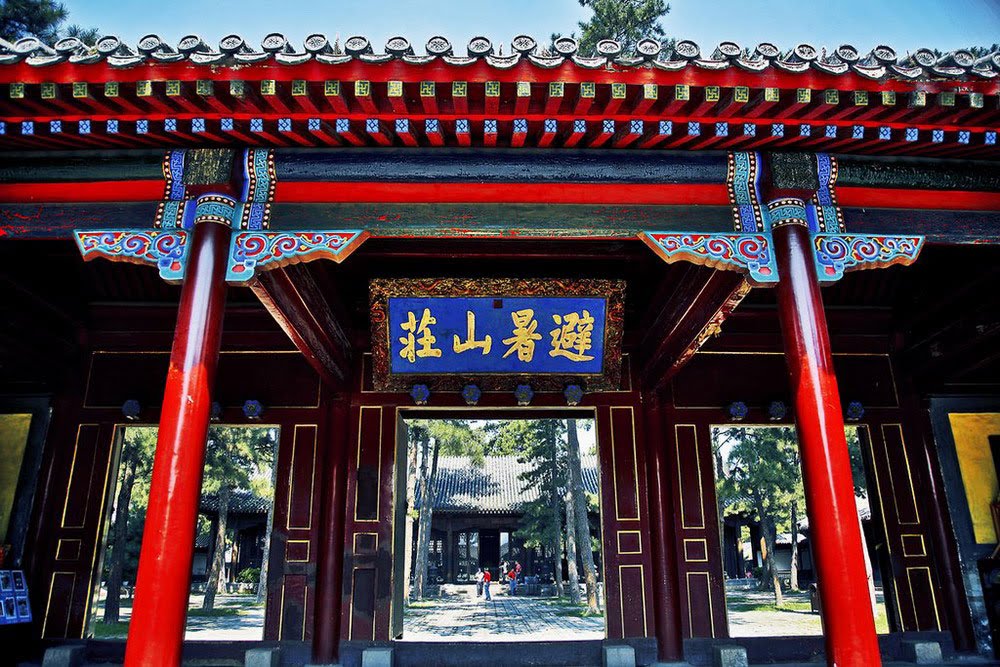
More photos
Photos published by travelers on Google, not AI generated.
What stands out
- Expansive lakeside and wooded parkland
- Qing-dynasty imperial palace complex
- Gazebos, pagodas and many benches
- 72 named scenic spots
- Generally quieter than major Beijing parks
Worth knowing
- Several buildings may be under restoration
- The palace is modest beside the Forbidden City
- The mountain area needs extra time
Don't miss
What comes up most in public reviews
- Walk beside the lake
- Explore the forested mountain area
- See the porcelain gallery
- Ask about the 72 scenic spots
- Pair it with Putuo Zongcheng Temple or Puning Si Temple
Worth the trip?
Chengde Mountain Resort is the central historical attraction in Chengde, China, and public reviews give it a Google rating of 4.5 from 151 reviews. The site is best understood as two experiences in one: a relatively compact palace area and a much larger park of lakes, wooded slopes, open ground, gazebos and pagodas.
A palace with an enormous park
Reviewers consistently describe the palace buildings as modest in scale. Visitors comparing it with Beijing’s Forbidden City or the Summer Palace may find the architecture less imposing. The setting changes the experience. The grounds stretch well beyond the main buildings, with enough paths and viewpoints to occupy much of a day.
The resort is traditionally divided into palace, lake, plain and mountain areas. One public review refers to 72 scenic spots, including 36 named by the Kangxi Emperor and 36 named by the Qianlong Emperor. That scale matters. A quick walk through the palace gives only a partial sense of the site.
Benches are reported throughout the park, making it easier to pause during a long visit. The atmosphere described in the reviews is generally calm, with local walkers and relatively few visitors compared with major parks in Beijing.
What the reviews value most
The strongest recurring appeal is the opportunity to stroll through buildings set among nature. Lakes, trees, gazebos and pagodas provide variety without requiring the visitor to move between separate attractions. The porcelain gallery is also mentioned, though one review noted that several buildings were under restoration and surrounded by scaffolding at the time of that visit.
The resort also carries substantial Qing-dynasty history. It was established as an imperial summer residence, and the Treaty of Beijing was signed there by the Xianfeng Emperor before the collapse of the Qing dynasty. That context gives the palace more weight than its relatively restrained appearance might suggest.
Planning the visit
The evidence points to a full-day visit for travellers who want to explore beyond the palace and lake areas. One reviewer joined a private guided tour and walked through the palace and beside the lake, but did not enter the forested mountain section. That is a useful reminder to check the route and available time before setting out.
A private English-speaking driver was praised in one review, particularly for visitors combining the resort with other Chengde sights. The reviews also mention Putuo Zongcheng Temple, sometimes called the Potala Palace Temple, and Puning Si Temple. Some travellers preferred those temples slightly, while still describing the Mountain Resort as a pleasant place to admire architecture and landscape together.
The resort suits visitors interested in imperial history, spacious parkland and unhurried walking. It may disappoint anyone expecting a grand palace interior or a tightly packed sequence of monuments. Restoration work can affect individual buildings, and the mountain area requires more time than a short palace visit.
Plan the rest of the trip
Ask anything
Looking for somewhere else?
Keep exploring around Cheng De Shi
More from China
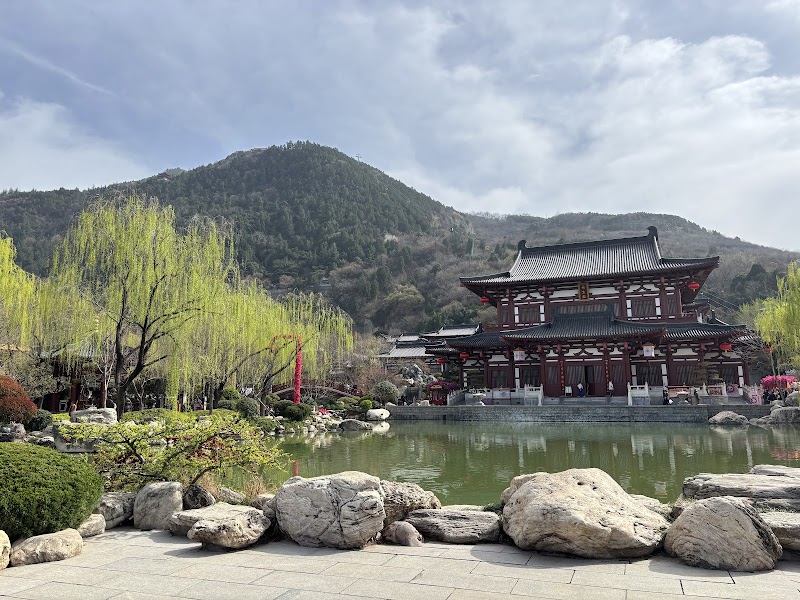
China · Xi An Shi
Huaqing Pool: Imperial History at the Foot of Mount Li
Public reviews describe Huaqing Pool as a scenic historical complex whose evening performance often outshines the daytime park visit.
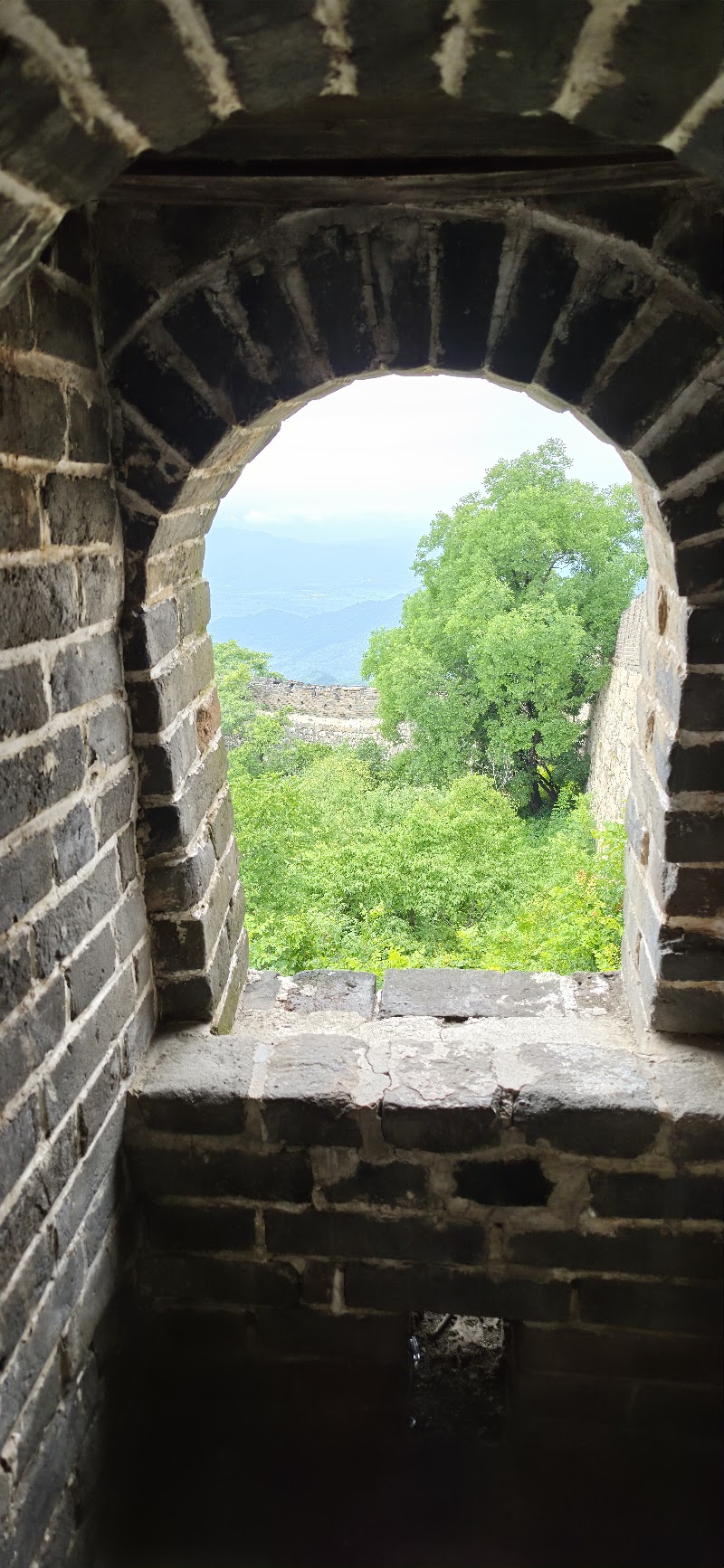
China · San Du He Xiang
中华奇石园: A Great Wall Access Point With Serious Walking
Public reviews identify this listing with a Great Wall access area, cable car, steep approaches and wide seasonal views, despite the place name suggesting a different attraction.
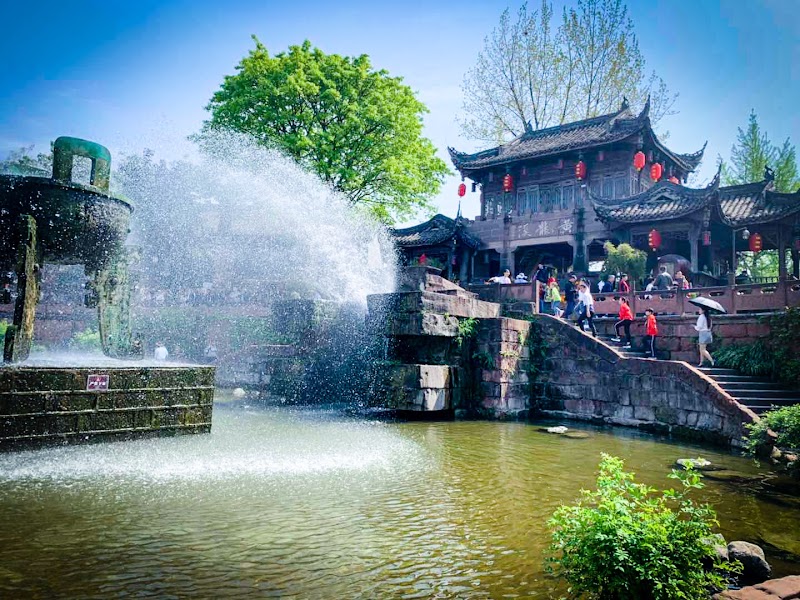
China · Cheng Du Shi
Huanglongxi Ancient Town: Water, Streets and Local Flavours
Public reviews find a scenic historic water town near Chengdu, with restored architecture, lively streams and plenty of commercial activity.
China · 海淀区
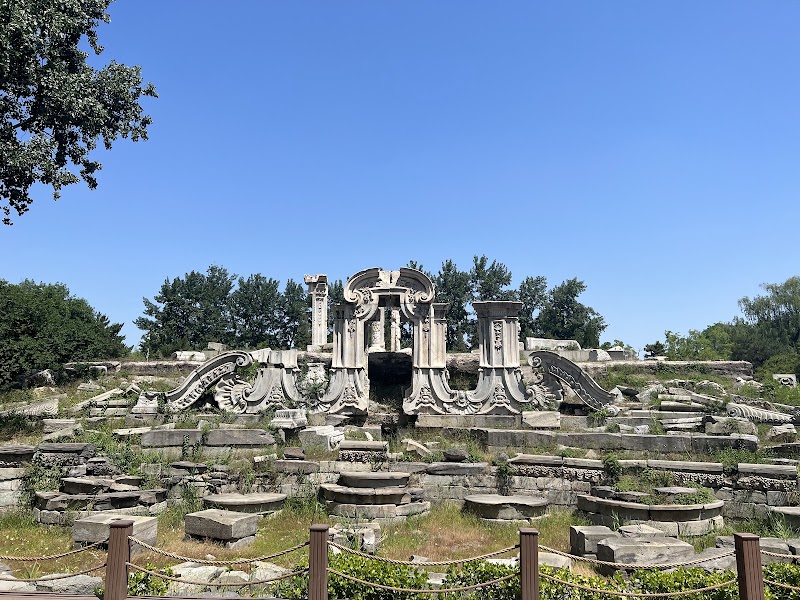
Yuanmingyuan Park: Beijing’s Ruins of the Garden of Gardens
Yuanmingyuan Park pairs vast imperial landscapes with haunting ruins, making it a powerful historical stop for visitors who have time to explore slowly.