Yangdong Folk Village: A Living Slice of Historic Gyeongju
Traditional houses, mountain scenery and a lived-in atmosphere reward travellers prepared for uphill walking and a journey beyond central Gyeongju.
More photos
Photos published by travelers on Google, not AI generated.
What stands out
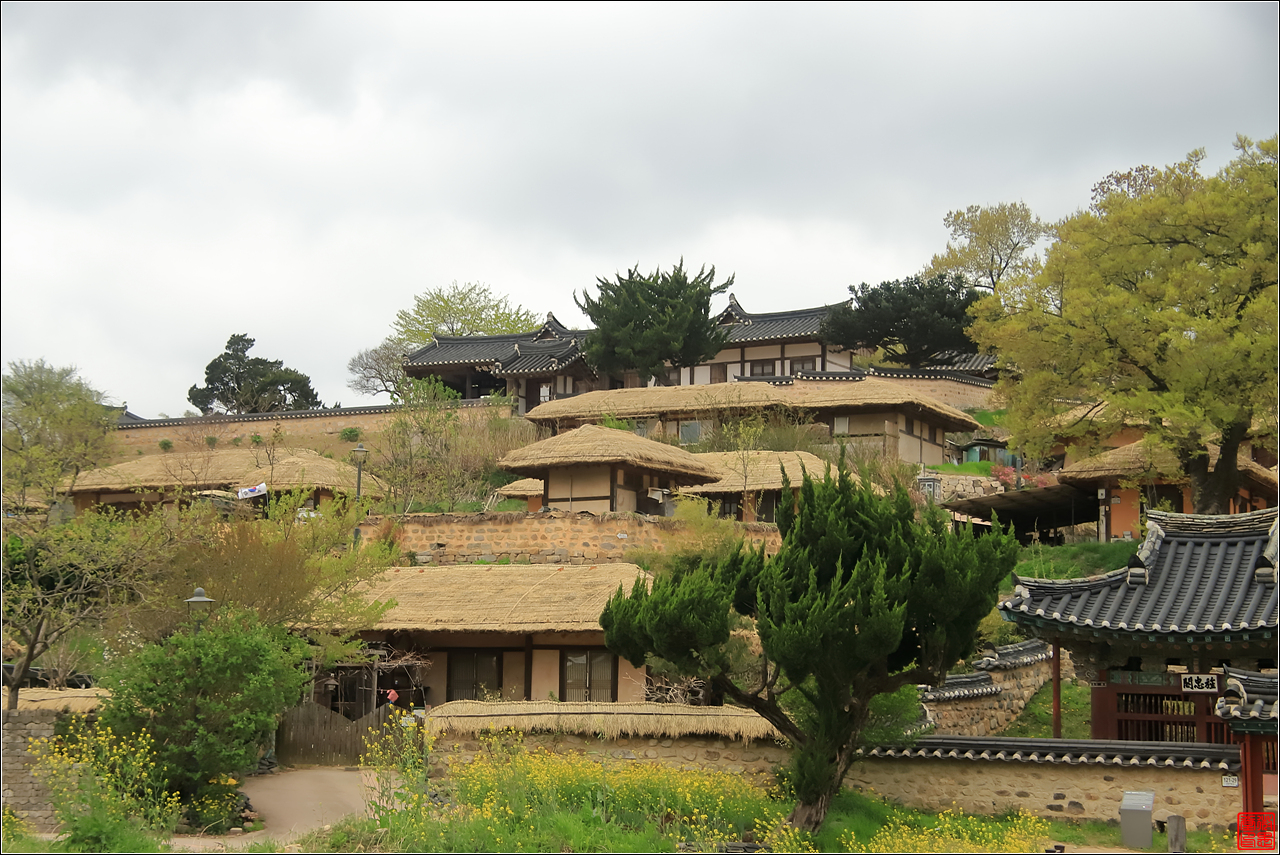
- Traditional hanok and straw-roofed houses
- Mountain village scenery
- Quiet early-morning atmosphere
- A historic community still occupied by residents
Worth knowing
- Numerous uphill walking sections
- Many homes are private and closed to visitors
- Limited late-afternoon cafe and restaurant options
Don't miss
What comes up most in public reviews
- Walk among the traditional hanok houses
- Look for the straw-roofed homes
- Explore the village's uphill lanes
- Try the games near the entrance
Worth the trip?
What the reviews suggest
Yangdong Folk Village earns a Google rating of 4.1 from 3299 reviews, with public feedback repeatedly describing it as an interesting and atmospheric place to explore traditional Korean architecture. Its appeal rests not on polished displays or unrestricted access, but on the chance to walk through a historic settlement where residents still live.
Reviewers commonly mention old buildings, traditional hanok homes and straw-roofed houses set against a mountain landscape. Those interested in regional or national history appear to get the most from the visit. A guide can add context, according to one account, although the supplied reviews do not establish whether guided visits are regularly available.
The experience on the ground
This is primarily a walking visit. Public reviews describe a quiet village with sloping lanes and numerous uphill sections, so comfortable footwear and a reasonable level of mobility matter. The terrain appears to be part of the attraction, opening up views of traditional buildings across a rural hillside, but it may make the village less suitable for travellers looking for an easy, level stroll.
Several visitors note that many houses cannot be entered. That can initially feel limiting, particularly for anyone expecting museum-style interiors. However, reviewers also stress that these are private homes occupied by local people. The strongest accounts treat Yangdong as a living community rather than an open-air attraction, with quiet behaviour and respect for residents forming an important part of the experience.
The condition and presentation of individual properties may vary. One reviewer noted some untidy residential areas, while others concentrated on the village’s age, charm and architectural variety. Expectations are best set around an authentic inhabited settlement, not a uniformly restored visitor complex.
When to visit
Morning receives the clearest recommendation. One early visitor reported encountering only a handful of other people while walking around, creating a particularly peaceful atmosphere. A weekday visit also brought easy parking and no wait for admission in another account. These are individual experiences rather than guarantees, but they suggest that arriving early on a weekday may provide the calmest visit.
Late afternoon appears less reliable for refreshments. One reviewer found that most cafes and restaurants had already closed by the time the walk finished. Facilities near the entrance included restrooms and an area for traditional-style games, which provided a useful pause after exploring on a hot day.
Practical verdict
The village is reportedly quite far from central Gyeongju without a car, making transport planning essential. Drivers may find the visit more straightforward, while travellers relying on public transport should allow extra time and check current connections independently.
Yangdong Folk Village suits culturally curious travellers who value historic streetscapes, vernacular houses and a quieter rural setting. It is less compelling for visitors expecting extensive indoor access, abundant late-day dining or a highly curated attraction. With an early start, respectful conduct and suitable walking shoes, it stands out as a worthwhile half-day excursion from Gyeongju.
Plan the rest of the trip
Ask anything
Looking for somewhere else?
Keep exploring around Gyeongju
More from South Korea
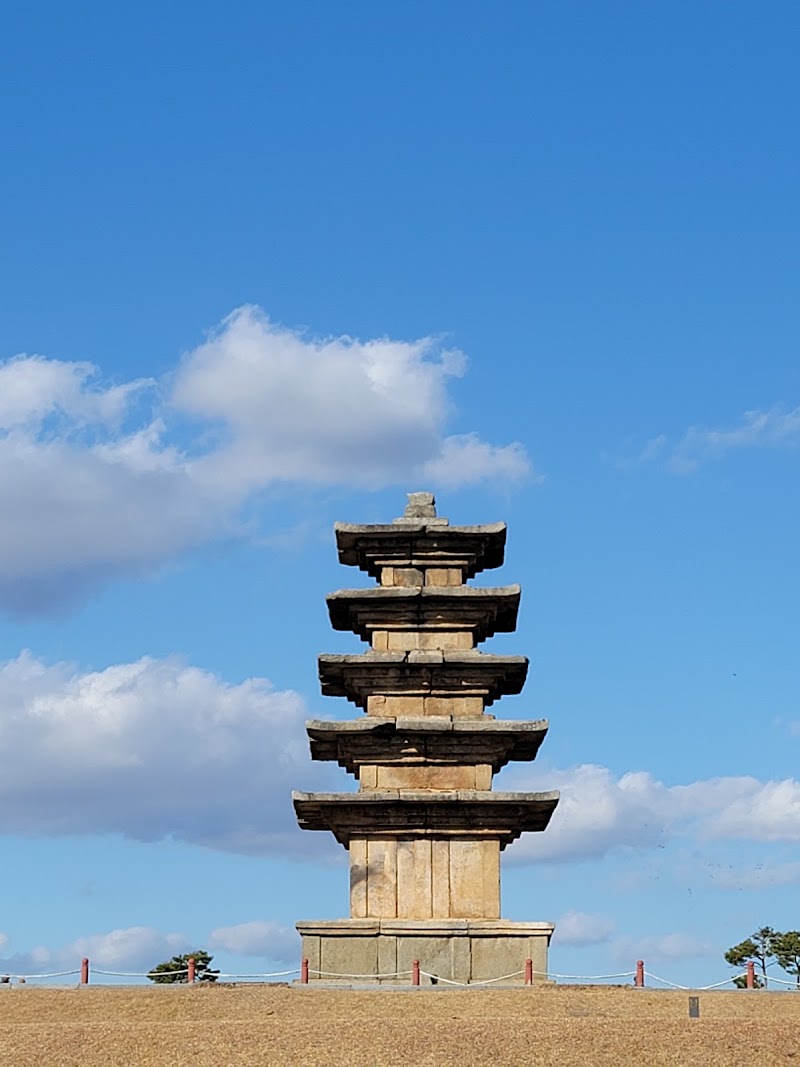
South Korea · Iksan
Wanggung-ri’s Pagoda and Spacious Historic Grounds
A well-rated Iksan landmark where an old stone pagoda, open grounds and relaxed walks shape the visitor experience.
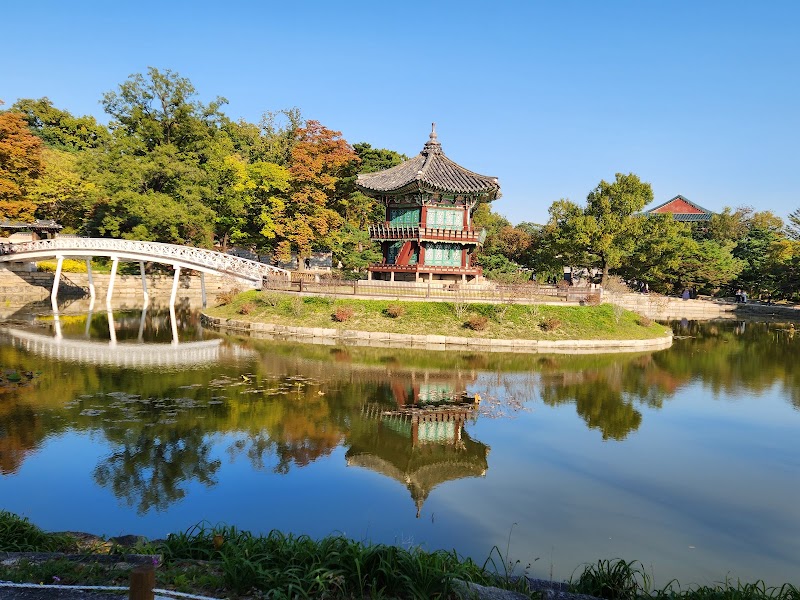
South Korea · 율곡로
Changdeokgung Secret Garden: serene palace landscapes
Timed access and guided interpretation reward advance planning at this tranquil historic garden within Changdeokgung Palace.
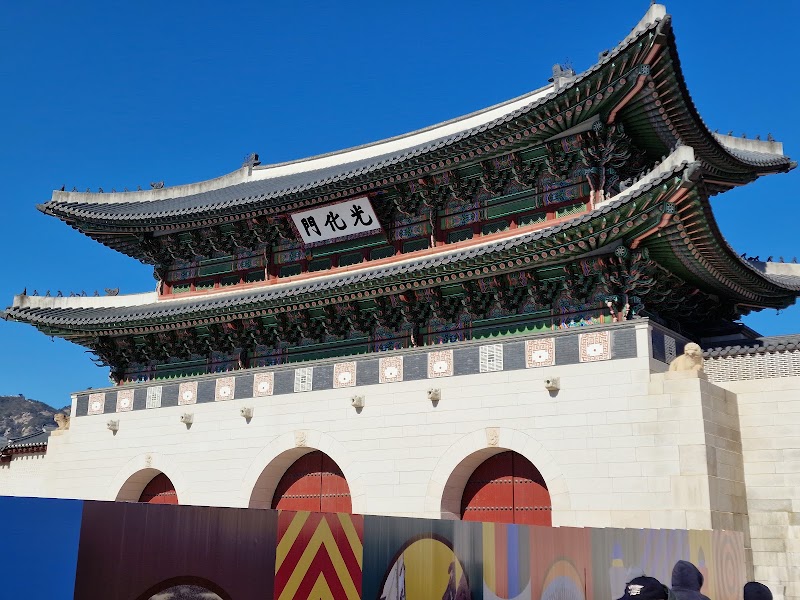
South Korea · Sajik-ro
Gwanghwamun Gate: Seoul’s Grand Historic Threshold
Monumental architecture, a mountain backdrop and the Royal Guard ceremony make this an impressive introduction to historic Seoul.
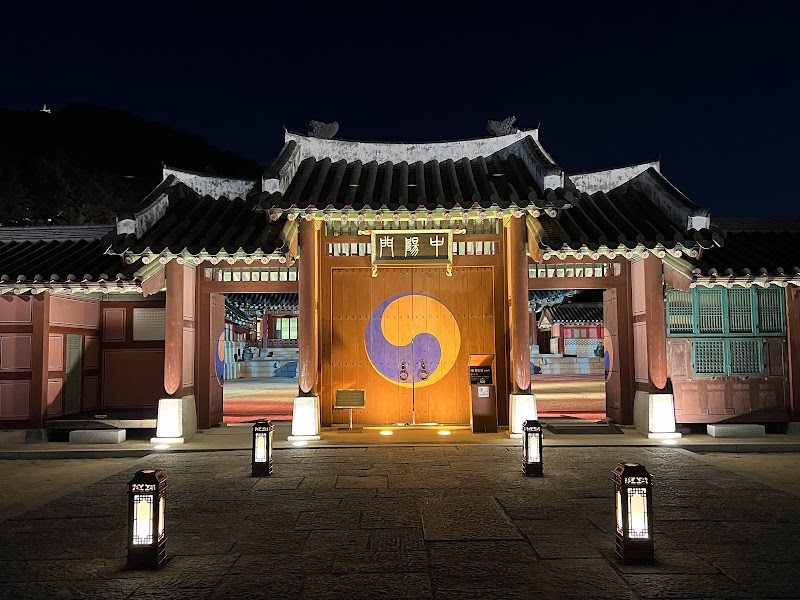
South Korea · Suwon
Hwaseong Haenggung: Suwon’s Restored Royal Residence
A carefully restored Joseon-era palace with royal history, photogenic courtyards and easy access to Suwon’s traditional streets.