Gyeongju Gyochon Traditional Village for a Slow Afternoon
A compact historic village beside Woljeonggyo Bridge, praised in reviews for its preserved homes, hands-on food experiences and relaxed atmosphere.
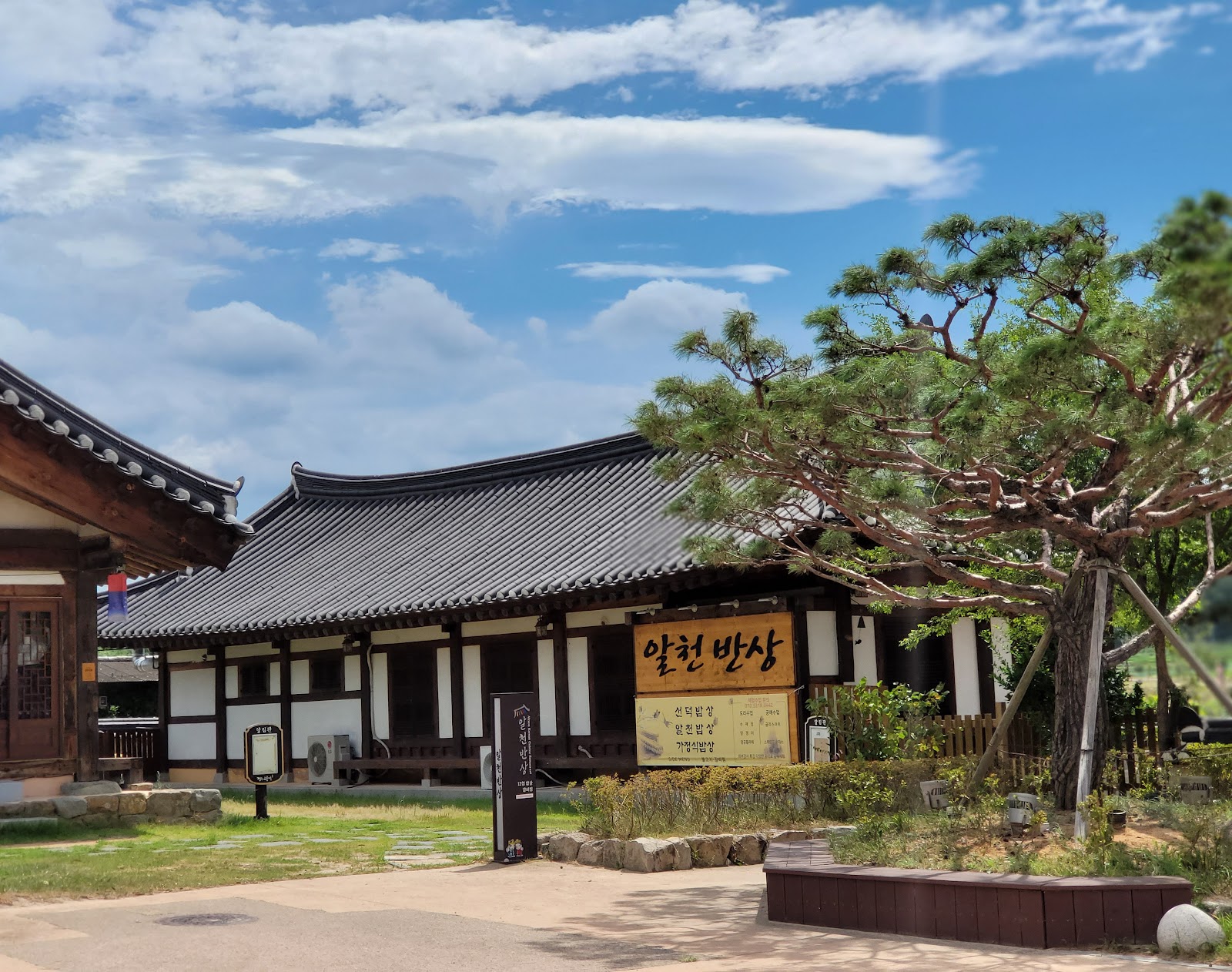
More photos
Photos published by travelers on Google, not AI generated.
What stands out
- Scenic setting beside Woljeonggyo Bridge
- Preserved traditional homes and streets
- Relaxed atmosphere for walking
- Gochujang-making shop
- Hands-on tteok-making café
Worth knowing
- The village is compact
- Tour availability may vary
- Food activities may depend on the venue
Don't miss
What comes up most in public reviews
- Walk beside Woljeonggyo Bridge
- See the preserved home of a local benefactor
- Look for stone sculptures
- Ask about a free tour
- Try the traditional tteok-making café
Worth the trip?
What visitors find
Gyeongju Gyochon Traditional Village is a small, walkable attraction in Gyeongju, South Korea. Public ratings give it 4.1 from 5,527 reviews, with many visitors describing it as scenic, peaceful and easy to explore on foot. The setting beside Woljeonggyo Bridge is a major part of its appeal. Reviewers repeatedly mention the bridge, the village streets and the chance to slow down away from busier tourist areas.
This is not a sprawling open-air museum. The village is compact, and one public review calls it “small interesting village.” That scale works well for travellers who want a gentle stroll rather than a full-day attraction. It also makes the site easy to pair with other nearby sights in central Gyeongju.
Traditional streets and local details
The preserved architecture is the main draw. Visitors highlight traditional homes, picturesque lanes and stone sculptures placed around the village. Several reviews describe the setting as beautiful and well maintained, with enough visual detail to reward an unhurried walk. The atmosphere is often described as calmer than a typical tourist market, which makes the attraction suitable for couples, families and travellers interested in Korean heritage without a highly commercial setting.
One review mentions a beautifully preserved home belonging to a local benefactor and recommends making time for it. That detail suggests the village is best approached with attention to individual buildings, not simply as a backdrop for photographs. The public feedback does not provide a complete visitor guide, so travellers may want to check on-site information for opening arrangements and access to particular homes.
Food experiences worth seeking out
The strongest activity-specific feedback concerns traditional food-making. A gochujang-making shop is mentioned in the reviews, along with a traditional tteok-making café. At the café, visitors may be invited to help beat rice into a paste used for tteok, then buy the finished treats and have traditional drinks on the premises. These hands-on details give the village more character than a simple architecture stop.
Another reviewer describes receiving a free tour with detailed explanations. That experience may not be available to every visitor, and public reviews do not establish a regular schedule. Still, it is worth asking locally about tours or explanations when arriving. The food workshops and demonstrations may also depend on the individual business and the day’s operations.
Planning the visit
A calm afternoon is the clearest fit with the public feedback. Travellers can begin near Woljeonggyo Bridge, wander the lanes, look for stone sculptures and preserved homes, then stop at the food-making venues if open. The attraction suits a short visit, with extra time useful for photography or a hands-on workshop.
The village has no price information supported by the supplied listings, so costs for food activities should be confirmed directly. Reviews also do not establish a formal touring schedule. Expectations should stay flexible. Gyeongju Gyochon Traditional Village works best as a relaxed cultural stop, not as a large-scale attraction packed with programmed exhibits.
Plan the rest of the trip
Ask anything
Looking for somewhere else?
Keep exploring around Gyeongju
More from South Korea
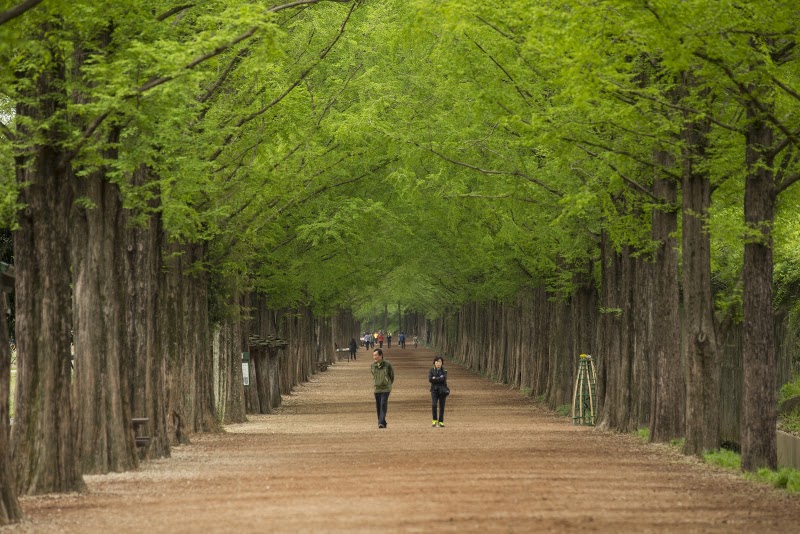
South Korea · Damyang
Metasequoia-lined Road: A Peaceful Walk in Damyang
Damyang’s tree-lined road is a calm, photogenic stop with shops, cafés and an easy connection to the bamboo forest.
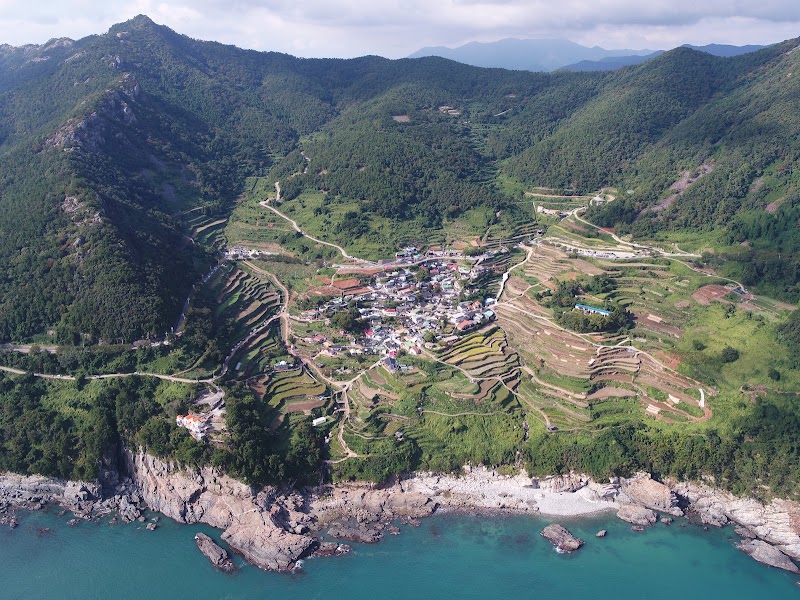
South Korea · Namhae
Darangi Village: Terraced Hills Above Namhae’s Coast
Darangi Village is a scenic Namhae stop for steep walks, terraced fields, sea views and an unhurried rural atmosphere.
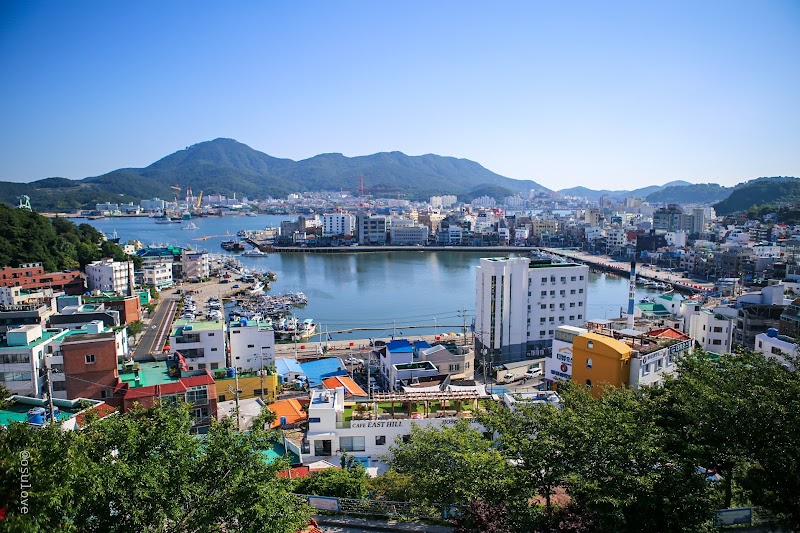
South Korea · Tongyeong-si
Dongpirang Mural Village: Tongyeong’s Hilltop Art Walk
Dongpirang Mural Village offers a short uphill walk through changing street art, small shops, cafés and broad views across Tongyeong.

South Korea · Yeongseon-dong 4(sa)-ga
Huinnyeoul Culture Village: Busan’s Sea-View Walk
Huinnyeoul Culture Village rewards visitors with ocean panoramas, photo-friendly lanes and cafés, provided they are ready for steep streets and stairs.