Western Xia Mausoleums: imperial ruins beneath Helan Mountains
Yinchuan’s Western Xia cemetery pairs monumental earthen tombs with a well-regarded museum and a striking mountain setting.

More photos
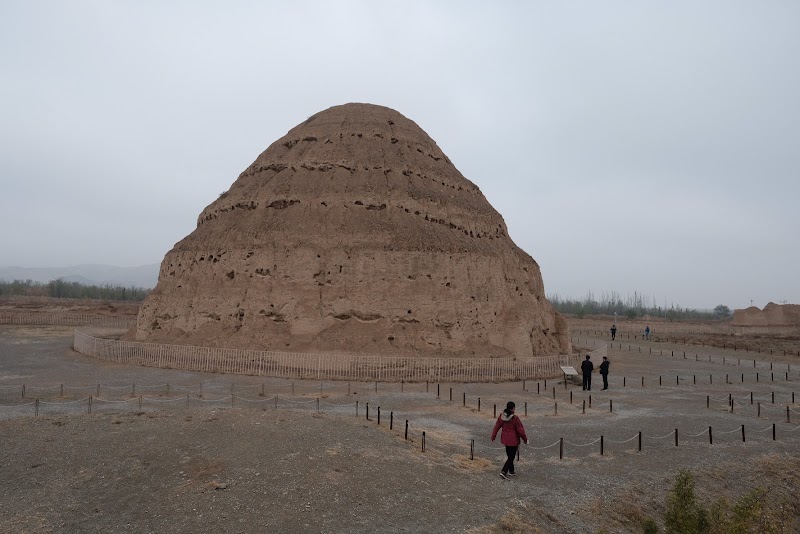
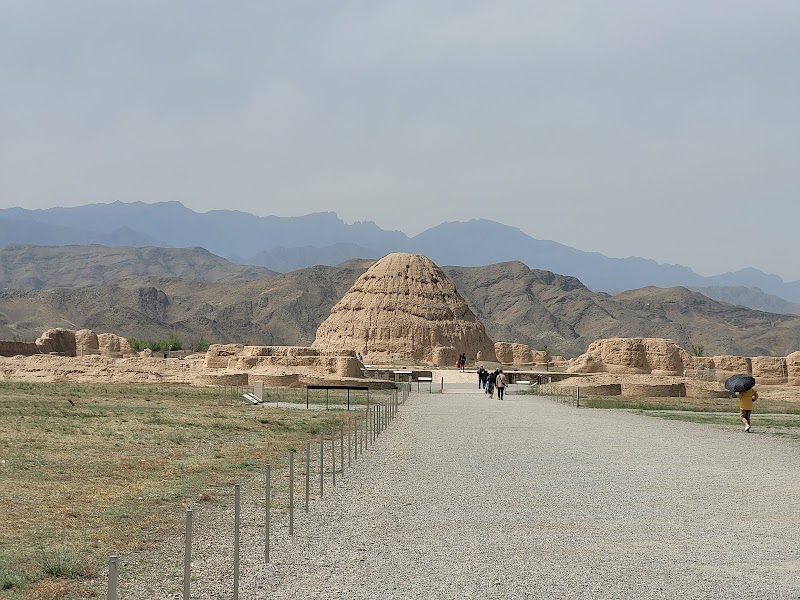
Photos published by travelers on Google, not AI generated.
What stands out
- Helan Mountains backdrop
- Western Xia Museum
- Nine-mausoleum imperial cemetery
- Distinctive earthen tomb architecture
Worth knowing
- Only three imperial tombs are reported open
- Bad weather can limit exploration
- Tombs may look visually understated
Don't miss
What comes up most in public reviews
- Western Xia Museum
- Tomb No. 3 of Li Yuanhao
- Views toward the Helan Mountains
Worth the trip?
Why the site matters
The Western Xia Mausoleums preserve the imperial cemetery of a kingdom founded by the Tanguts and lasting from 1038 to 1227. Public reviews repeatedly frame the attraction as more than a collection of weathered structures: its appeal comes from encountering the remains of a once-powerful dynasty that later faded from the historical record.
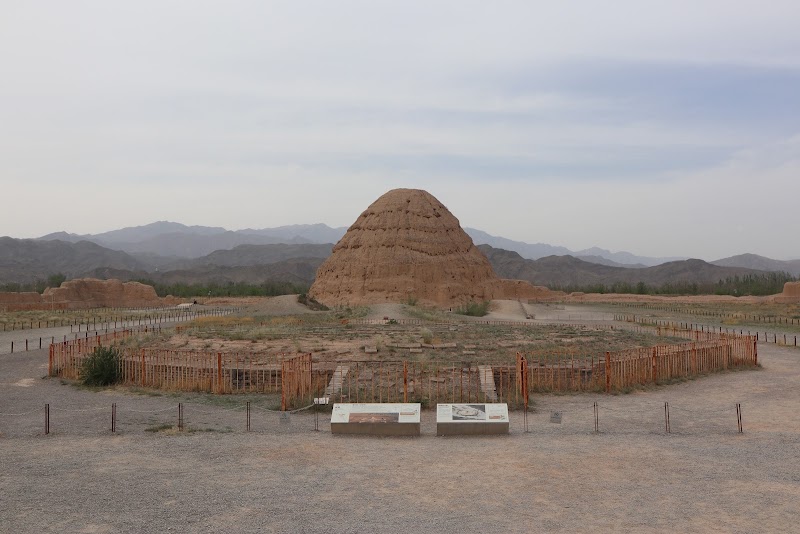
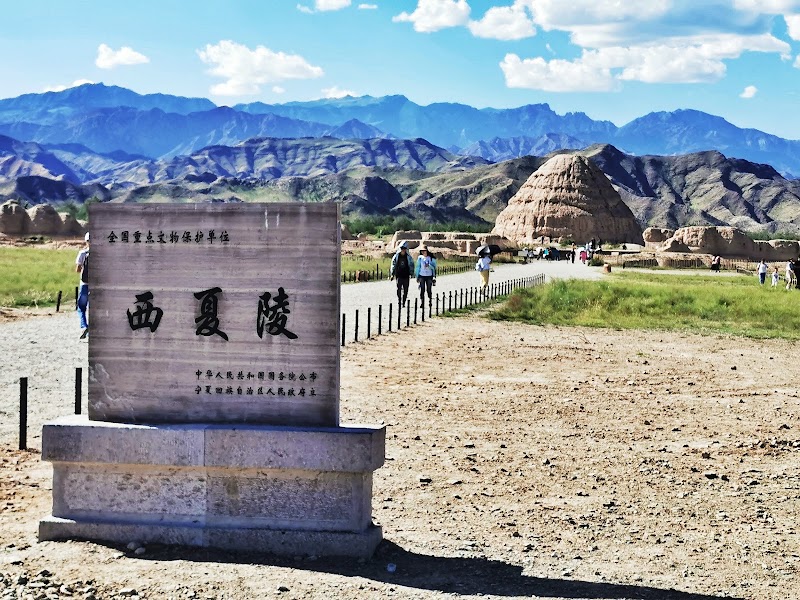
The cemetery lies at the southern foothills of the Helan Mountains. Reviewers describe nine imperial mausoleums and 271 subordinate tombs across the wider archaeological landscape, although only three imperial tombs are reported as open to visitors. The unusual, tapering mausoleum forms are sometimes compared with pyramids, but expectations should be kept realistic. These are stark earthen monuments rather than richly decorated palaces or intact tomb chambers.
Museum first, mausoleums second
The on-site Western Xia Museum earns consistent praise in the supplied reviews. Visitors call it good, well designed and well organized, with its historical context helping the outdoor remains make sense. Starting there appears to be the most rewarding approach, particularly for travellers unfamiliar with the Western Xia dynasty, its Tangut founders or the discoveries made at the tombs.
Reviews also note that the cemetery architecture combines influences from Han, Buddhist and Dangxiang culture. That mixture, along with the dynasty’s less familiar story, gives the site much of its intellectual weight. The museum and archaeological grounds work as a pair: the displays explain what has been found, while the mausoleums provide scale, atmosphere and a direct connection to the landscape.
What the visit feels like
The setting is the strongest recurring theme in public feedback. The mausoleums rise from an open, rugged plain with the Helan Mountains behind them, creating a severe and memorable scene. Several reviewers describe the monuments as stunning or incredible in this context, even when acknowledging that the tombs themselves may not look conventionally spectacular.
Tomb No. 3, associated in the reviews with Li Yuanhao, the first ruler of Western Xia, is specifically mentioned as a key stop. For many visitors, the experience depends less on decorative detail than on understanding the site’s age, scale and vanished political world. It is therefore best suited to travellers interested in archaeology, Chinese history and cultural landscapes rather than those seeking a quick visual spectacle.
Verdict and practical cautions
The attraction holds a Google rating of 4.1 from 159 reviews. That suggests solid approval, supported by repeated praise for the museum, the organized archaeological presentation and the mountain backdrop. Its main limitation is also clear: some visitors may find the surviving earthen tombs visually understated without sufficient historical context.
Weather can affect how much of the extensive grounds is practical to cover, as one reviewer managed only Tomb No. 3 in poor conditions. Allowing half a day gives the museum and accessible mausoleums enough attention without rushing. Overall, the Western Xia Mausoleums are a compelling Yinchuan-area visit for historically curious travellers, especially when the museum is treated as an essential part of the experience rather than an optional introduction.
Ask anything
Looking for somewhere else?
Keep exploring around Yinchuan
More from China
China · Huang Shan Shi
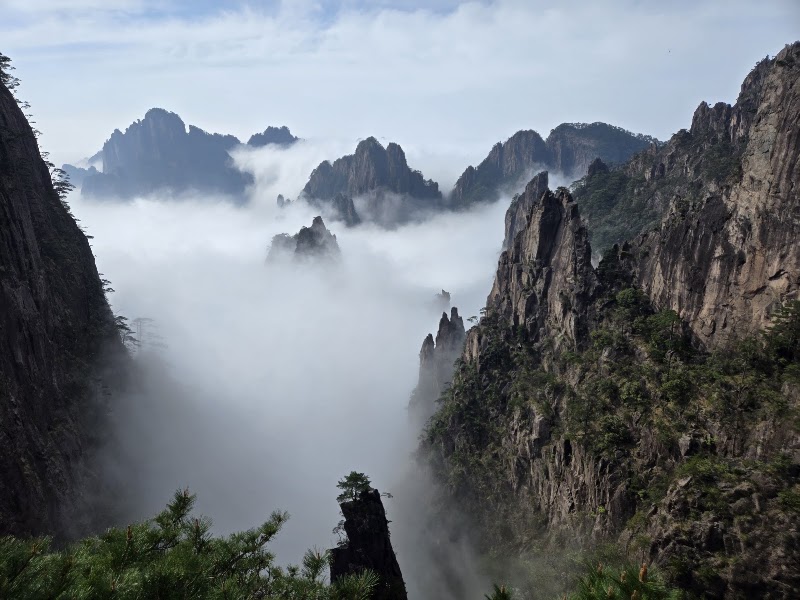
Huangshan Scenic Area: Granite Peaks Above the Clouds
Traveller reviews praise Huangshan for granite peaks, sculptural pines, shifting cloudscapes and memorable sunrise views.
China · Zhang Jia Jie Shi
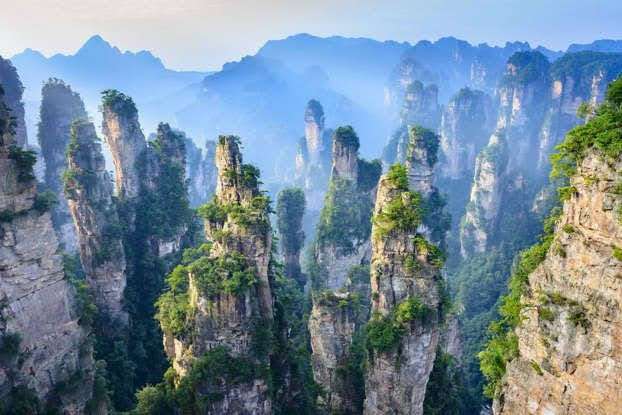
Wulingyuan Scenic Area: Big Views, Stairs and Crowds
Dramatic green peaks and vast walking routes make Wulingyuan a standout, provided visitors plan for stairs, transfers and busy viewpoints.
China · Huairou District
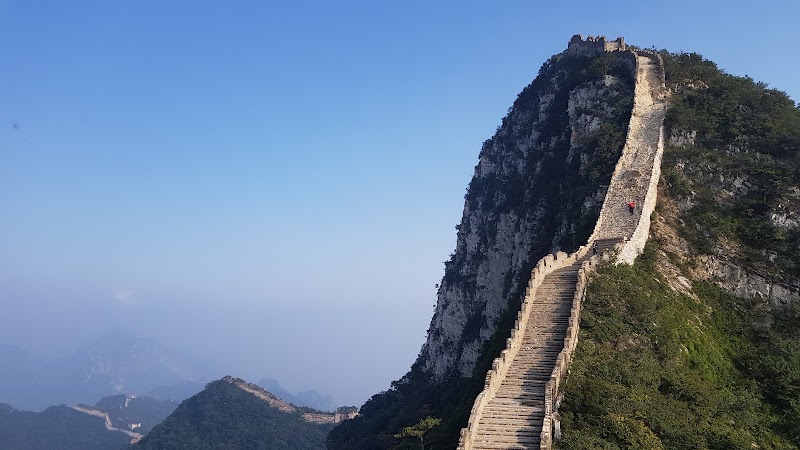
Jiankou Great Wall: A Rugged Route for Serious Hikers
Jiankou rewards experienced hikers with steep, unrestored Great Wall scenery, but difficult access and exposed scrambling demand careful planning.
China · Guilin
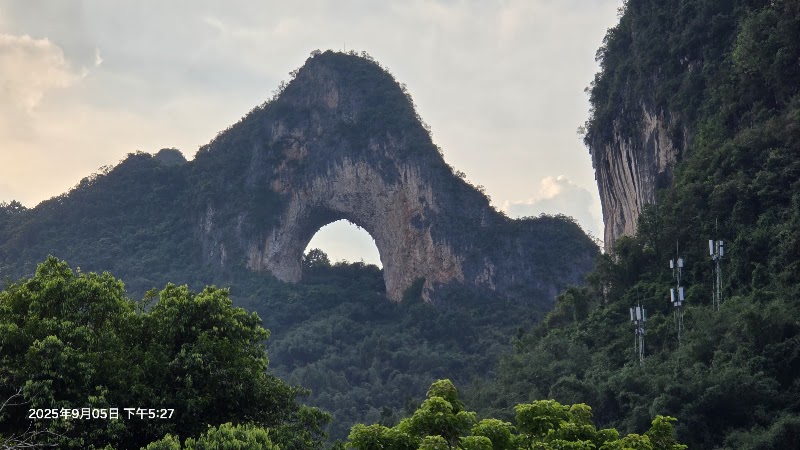
Moon Hill: karst views with access uncertainty
Moon Hill’s distinctive natural arch remains photogenic, but recent reviews report that the hiking route has been closed since 2024.