Vat Phou: Khmer stonework and sweeping valley views
Ancient carvings, a peaceful mountain setting and rewarding views make Vat Phou a compelling excursion from Pakse.

More photos
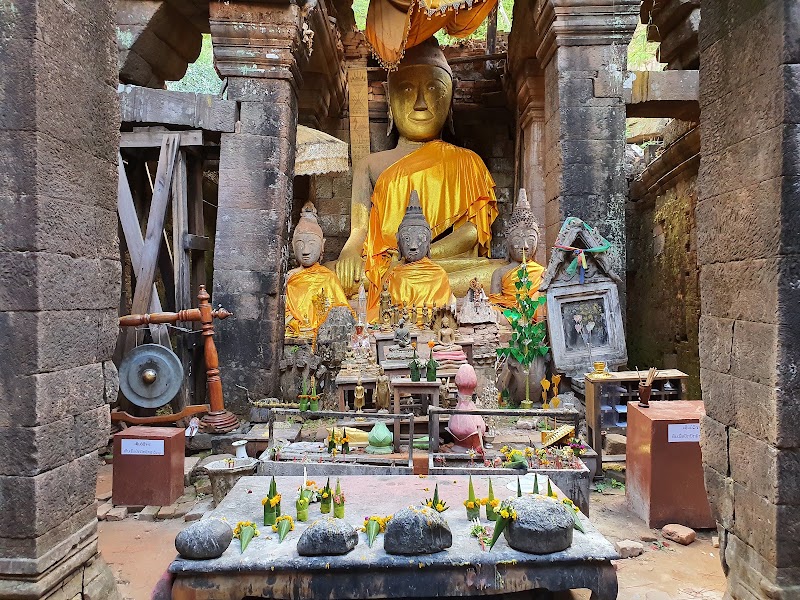
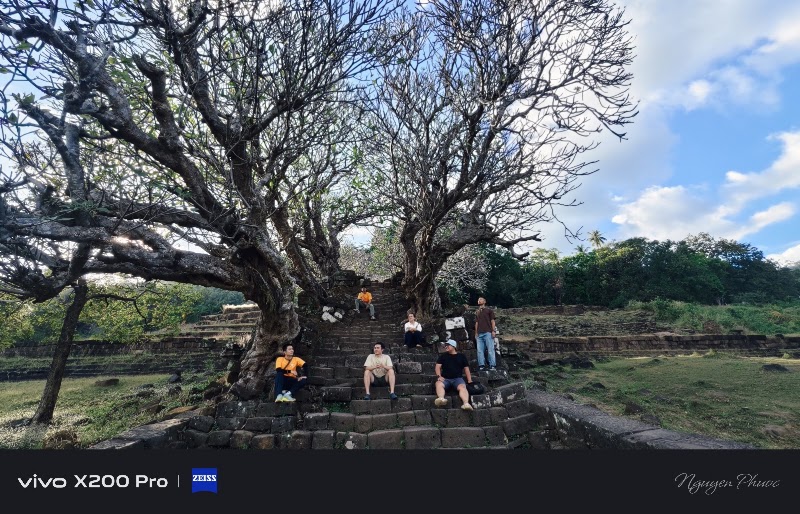

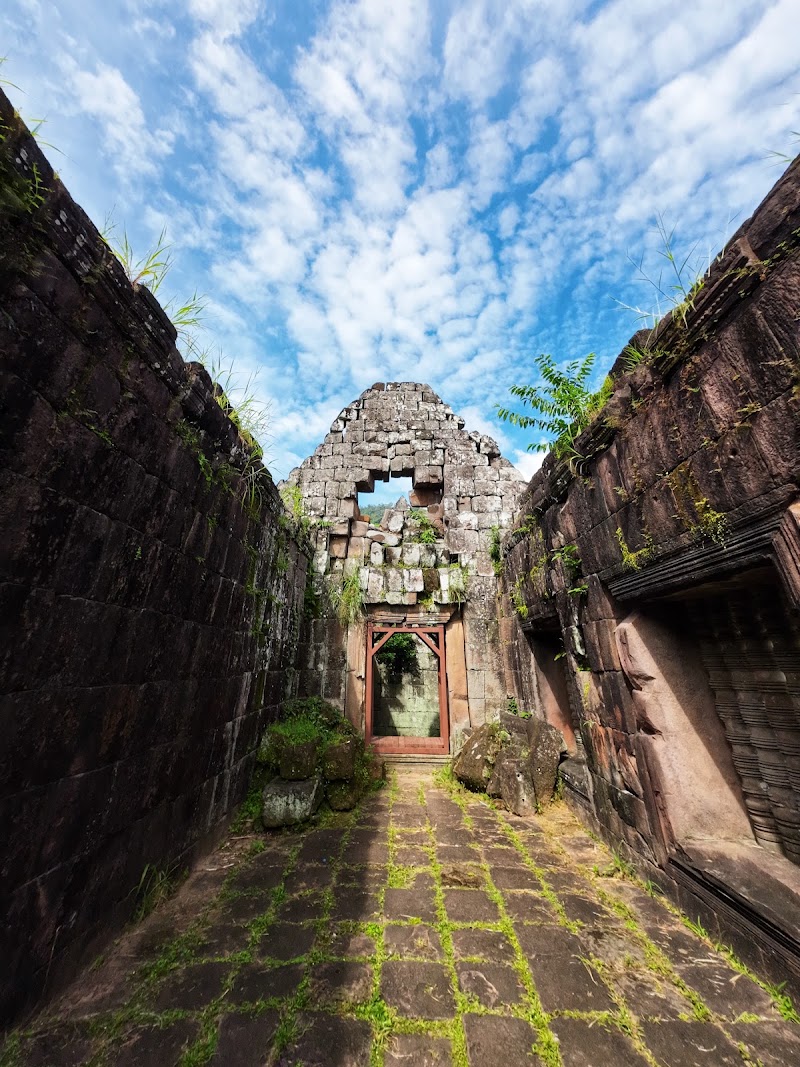

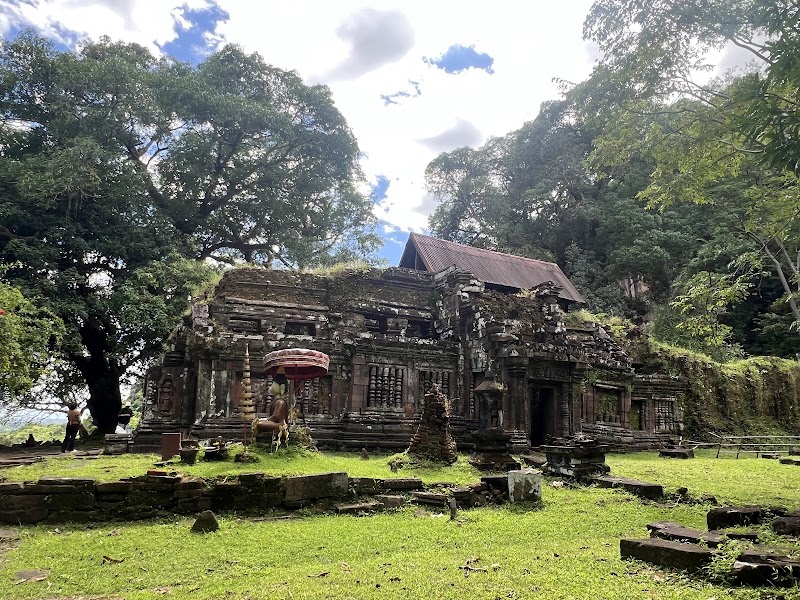
Photos published by travelers on Google, not AI generated.
What stands out
- Panoramic views from the upper temple
- Old Khmer stone buildings
- Inscriptions and animal carvings
- Peaceful mountain setting
- Large, well-maintained complex
Worth knowing
- Long climb with many steps
- Heat can make the ascent tiring
Don't miss
What comes up most in public reviews
- Climb to the upper temple
- Look down across the full complex
- Inspect the inscriptions and animal carvings
- Walk behind the top temple to see the boulders
- Photograph the site in early morning light
Worth the trip?
Why visitors rate Vat Phou highly
Vat Phou earns a Google rating of 4.5 from 2584 reviews, with public feedback repeatedly praising its combination of historic stone architecture, mountain scenery and calm atmosphere. Travellers describe a large temple complex associated with the old Khmer empire, where the scale becomes clearer as the route rises above the lower grounds.
The setting is central to its appeal. Green mountains form a dramatic backdrop to the weathered buildings, while the upper levels provide broad views across the surrounding landscape and the complex below. Several reviewers call the panorama worth the climb, particularly because looking down helps put the size and layout of the site into perspective.
Although Vat Phou is regularly discussed as an excursion from Pakse, reviews suggest it feels quieter than more famous Khmer sites. Some visitors encountered only a few other people, which strengthened the peaceful character of the experience.
Stonework and details to seek out
The attraction is more than a viewpoint. Reviewers repeatedly mention old stone buildings and decorative details, including inscriptions and carvings of figures and animals. These features reward a slower walk through the complex rather than a quick climb directly to the top.
The upper temple is the focal point of the route. Reviews also advise walking behind it, where massive boulders and further natural features add another layer to the mountain setting. As some review text is incomplete on the precise features found there, visitors should explore carefully rather than expect a particular named sight.
Public feedback generally regards the site as well preserved and maintained. Food and drinks are also reported as being available, useful after the ascent, although availability can change and should not be treated as guaranteed.
The climb and when to arrive
The main practical consideration is the long walk up the stairs. Reviewers consistently frame it as manageable and worthwhile, but the combination of steps and heat may be demanding for anyone with limited mobility or low tolerance for strenuous walking. Sensible pacing matters, especially when temperatures rise.
Early morning is the clearest recommendation in the available feedback. It is described as cooler, quieter and better for photography, with softer light across the stone buildings and green slopes. Starting early also leaves time to examine the carvings and pause at the viewpoints without rushing.
The entrance is described by reviewers as budget friendly. No exact admission cost is stated here, and travellers should check current arrangements locally before setting out.
Editorial verdict
Vat Phou suits travellers who value atmosphere, historical stonework and landscape as much as polished interpretation. The climb is part of the experience, gradually revealing wider views and a better understanding of the complex’s scale.
Synthesised public feedback is notably consistent: the journey from Pakse is considered worthwhile, the upper view is a major reward, and the relative quiet adds to the appeal. It also fits naturally into an itinerary continuing south towards Don Det. For the best experience, visitors should arrive early, allow enough time for the stairs and look closely at the inscriptions, animal carvings and stone details along the way.
Ask anything
Looking for somewhere else?
Keep exploring around Muang Champassak
More from Laos
Laos
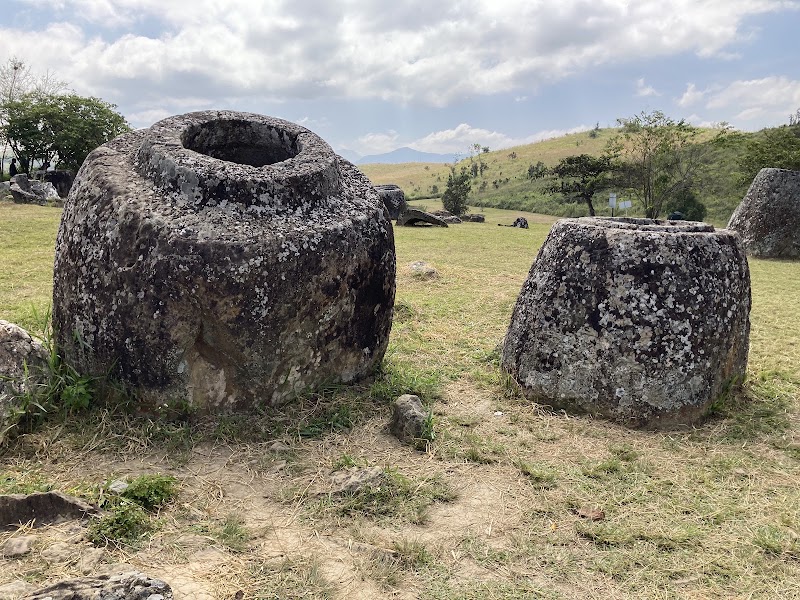
Plain of Jars: Ancient Stonework and Modern Scars
Laos’s largest and most visited jar site pairs mysterious ancient artefacts with visible reminders of the region’s 1960s conflict.
Laos · Luang Prabang
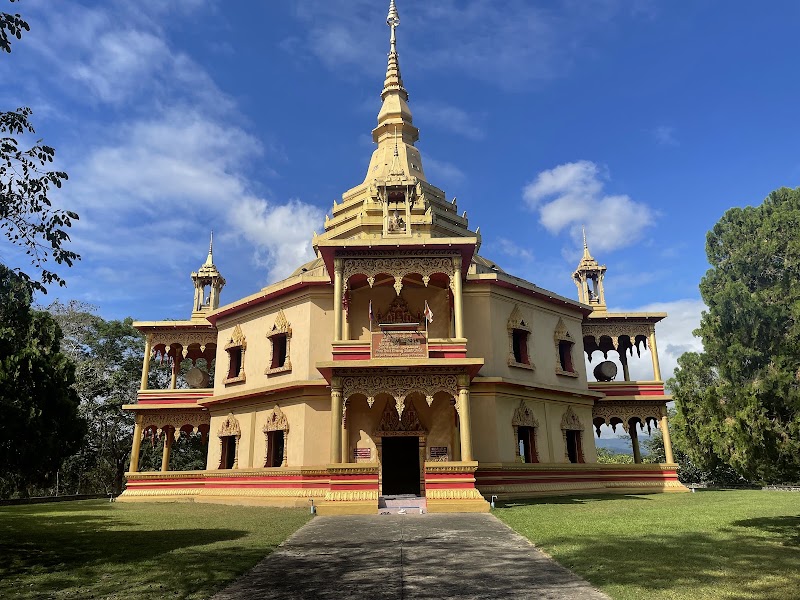
Wat Pa Phon Phao: Five Floors of Murals and Quiet
This distinctive Luang Prabang temple rewards the walk from the centre with layered interiors, affecting murals and balcony views.

Laos · Luang Prabang
MandaLao Elephant Conservation: Forest Walks With Elephants
Public reviews praise MandaLao for welfare-focused elephant encounters, knowledgeable guides and tranquil walks through forest and river landscapes.

Laos · Sang Ha
Ban Xang Hai: a candid Mekong tour stop
Known as Whiskey Village, Ban Xang Hai combines rice-spirit demonstrations, craft stalls and village life on the boat route to Pak Ou Caves.