UXO Lao Visitor Center: Small Space, Lasting Impact
Public reviews describe a compact but affecting museum that explains how unexploded wartime ordnance continues to shape life across Laos.
More photos
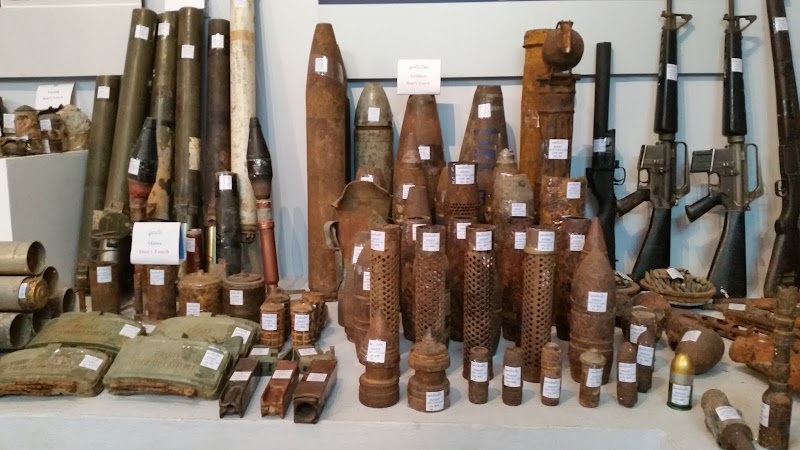
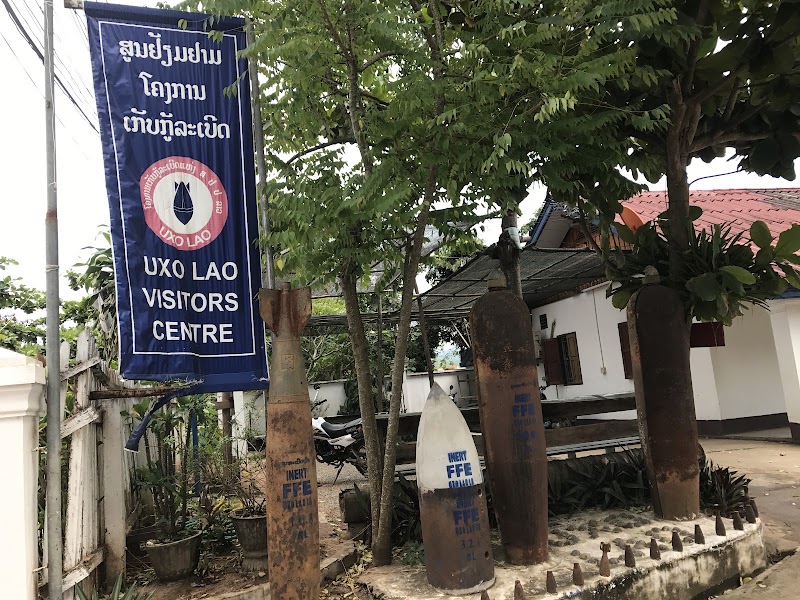
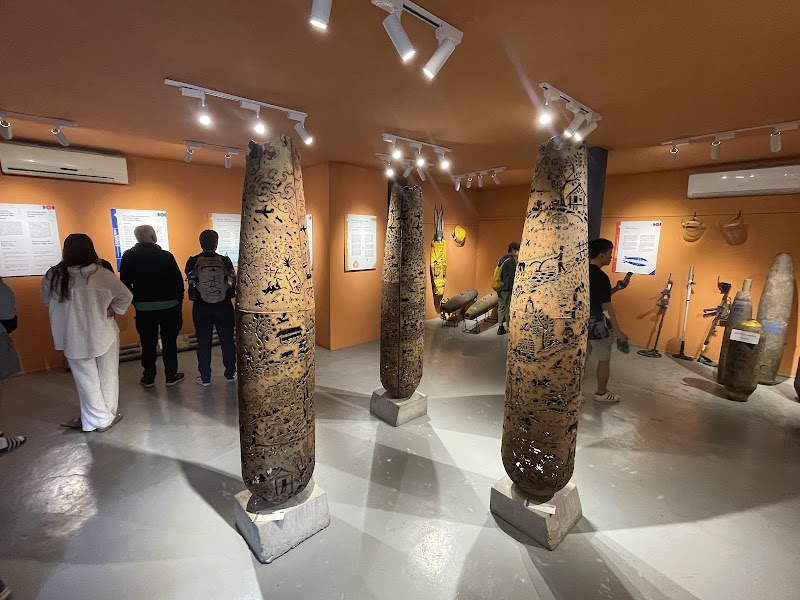
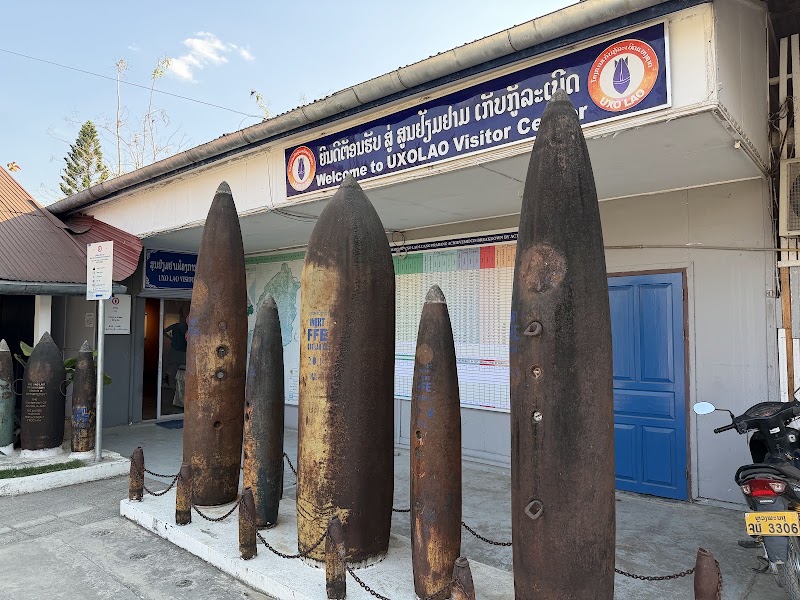

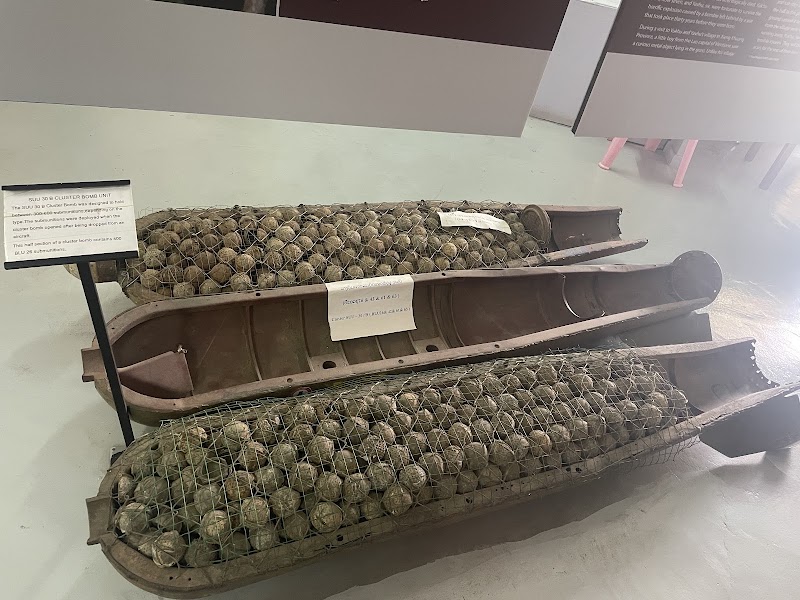
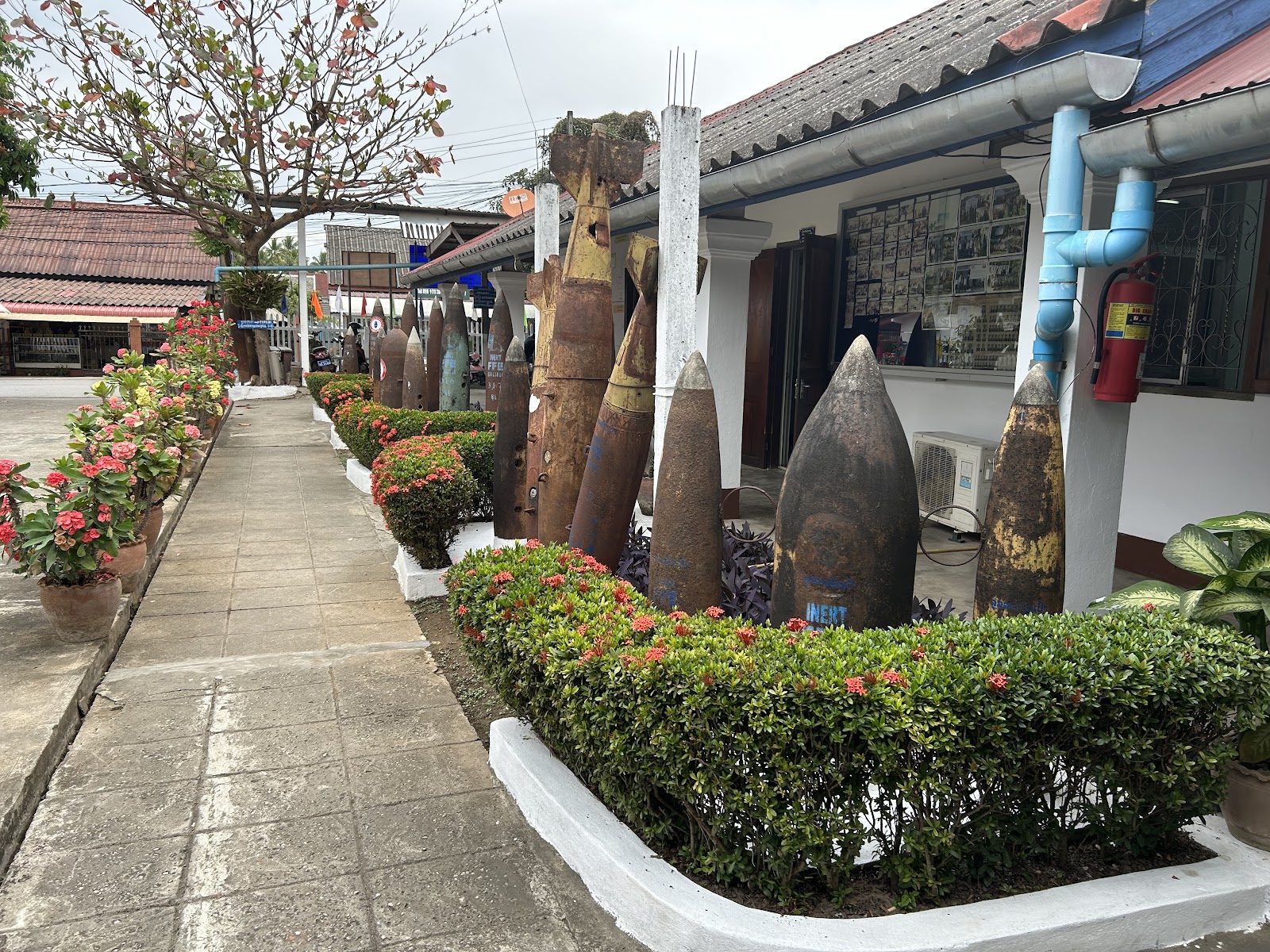
Photos published by travelers on Google, not AI generated.
What stands out
- Clear explanation of Laos’s UXO crisis
- Powerful display of deactivated ordnance
- Infographics on the scale of the bombing
- Insight into ongoing removal efforts
Worth knowing
- The exhibition is small
- Some videos may feel dated
- Renovation may limit displays
Don't miss
What comes up most in public reviews
- Study the bombing infographics
- View the deactivated ordnance
- Learn about UXO removal efforts
- Watch the informational videos
Worth the trip?
Why it matters
The UXO Lao Visitor Center gives a stay in Luang Prabang some essential historical context. Its Google rating stands at 4.7 from 1673 reviews, and it is widely seen as an important stop, especially for travellers arriving with little knowledge of the bombing of Laos or the consequences that continue today.
Again and again, public reviews describe a small exhibition, sometimes little more than one room. The effect is anything but small. Displays set out the enormous quantity of ordnance dropped on Laos during the Vietnam War era, then explain the danger from devices that never detonated. For some visitors, Americans in particular, this brings difficult reflection on the United States’ part in the conflict.
This is not a general museum of Lao history. The subject is specific: unexploded ordnance, or UXO, and the long, painstaking work of finding and removing it. That focus gives the center much of its strength.
What visitors see
Reviewers point to clear infographics and information panels, along with videos and examples of deactivated ordnance. The displays show the scale of the bombing, but also the practical work that is still needed before affected land can be made safer.
The strongest material seems to rely on facts, not drama. Statistics establish just how large the problem is. Seeing the ordnance itself makes it immediate, and unsettling. Reviews also respond well to the coverage of clearance efforts, which takes the exhibition beyond wartime history and into the risks still faced by Lao communities.
No specialist knowledge is needed to follow the presentation. Several reviewers say the visit gave them a far clearer sense of why UXO still matters decades after the conflict. Since the center is compact, it is also easy to fit around several cultural stops in one day.
Limitations to expect
Its concise format will not suit everyone. Some reviews ask for a bigger exhibition, more historical context or added interactive displays. The videos are sometimes described as dated, and parts of the presentation may be ready for fresher material.
Renovation has also been reported, with limits on how much visitors can see. Conditions may change, so checking the latest listing information before setting out is sensible. Anyone going in expecting a large collection or an extensive national history museum may find the scope modest.
The material is distressing by its nature. Images, statistics and displays of ordnance address war, civilian harm and a threat that has not gone away. Younger or sensitive travellers may find the visit difficult.
Editorial verdict
Taken together, the strong public rating and repeated themes in reviews suggest that the center matters more for its importance than its size. The exhibition is compact. Some parts may feel dated. Even so, reviewers consistently find its message clear, sobering and hard to forget.
It makes most sense as a focused educational stop alongside the temples, architecture and other museums of Luang Prabang. Those interested in modern Lao history, the legacy of the Vietnam War era or humanitarian clearance work are likely to get the most from it. The displays may be limited, but the context they provide can alter how travellers understand the country beyond Luang Prabang’s better-known sights.
Ask anything
Looking for somewhere else?
Keep exploring around Luang Prabang
More from Laos
Laos
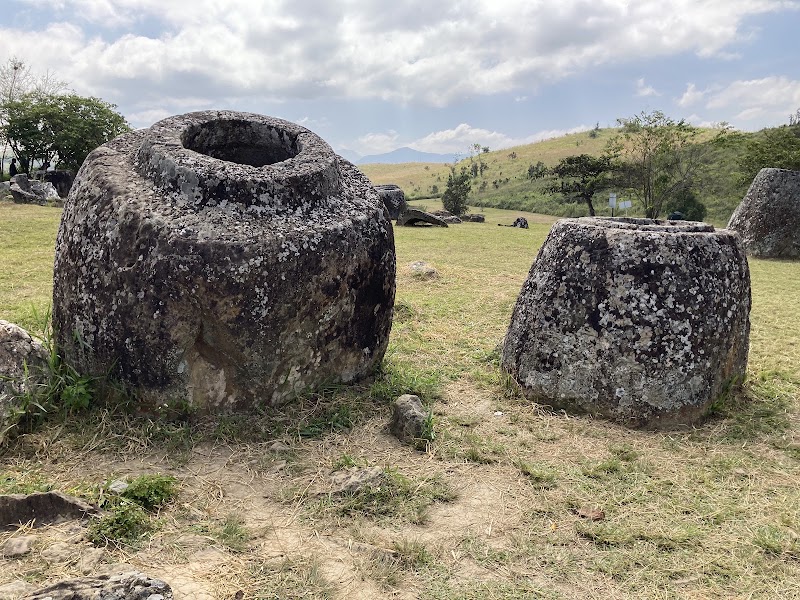
Plain of Jars: Ancient Stonework and Modern Scars
Laos’s largest and most visited jar site pairs mysterious ancient artefacts with visible reminders of the region’s 1960s conflict.
Laos · Luang Prabang
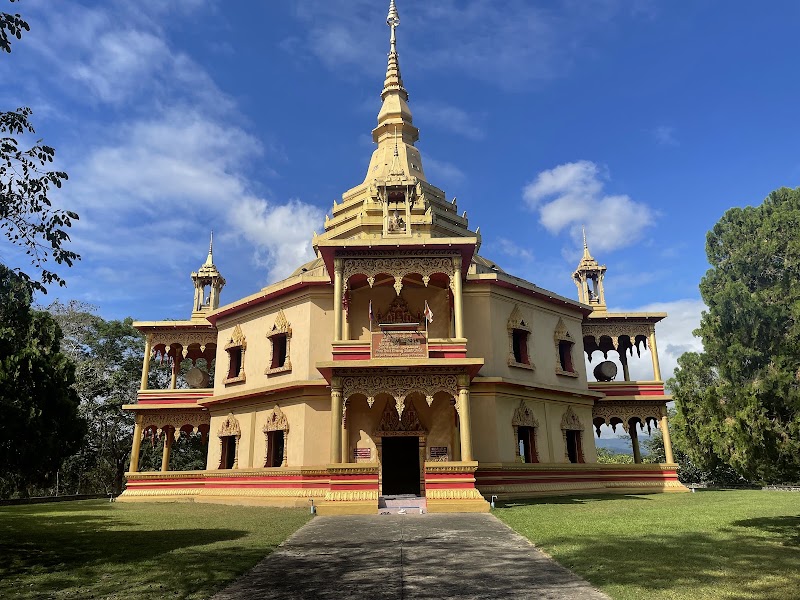
Wat Pa Phon Phao: Five Floors of Murals and Quiet
This distinctive Luang Prabang temple rewards the walk from the centre with layered interiors, affecting murals and balcony views.

Laos · Luang Prabang
MandaLao Elephant Conservation: Forest Walks With Elephants
Public reviews praise MandaLao for welfare-focused elephant encounters, knowledgeable guides and tranquil walks through forest and river landscapes.
Laos · Sang Ha
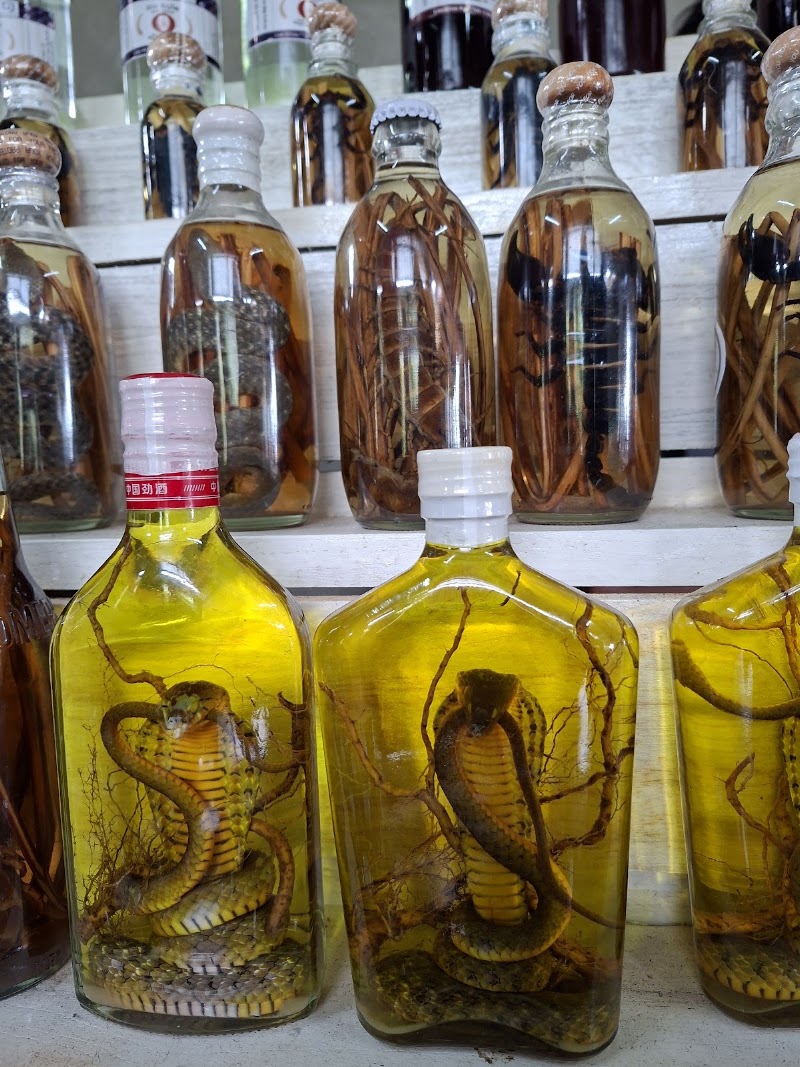
Ban Xang Hai: a candid Mekong tour stop
Known as Whiskey Village, Ban Xang Hai combines rice-spirit demonstrations, craft stalls and village life on the boat route to Pak Ou Caves.