Tripitaka Koreana Depository: History Worth the Journey
Ancient printing blocks, ingenious natural ventilation and a mountain temple setting reward those prepared for a complicated visit.

More photos
Photos published by travelers on Google, not AI generated.
What stands out
- More than 80,000 wooden printing blocks
- Natural ventilation designed for preservation
- Sacred mountain temple atmosphere
- Scenic rural approach
- Nearby mountain-style vegetarian food
Worth knowing
- Closer viewing may require advance reservation
- Online ticket information may be unreliable
- Long journey to a rural location
Don't miss
What comes up most in public reviews
- Tripitaka Koreana woodblocks
- Janggyeong Panjeon ventilation windows
- Views through the depository openings
- The surrounding temple complex
Worth the trip?
Why it stands out
The Tripitaka Koreana Depository, also known as Janggyeong Panjeon, is the part of this sacred temple complex that leaves the strongest impression on many visitors. It stores the Tripitaka Koreana, a vast collection of wooden printing blocks carved with Buddhist teachings. Reviewers repeatedly describe the collection as central to Korean culture and as evidence of sophisticated printing centuries before Gutenberg.
That historical weight helps explain the attraction’s Google rating of 4.6 from 3940 reviews. Public feedback often moves beyond simple admiration for the buildings. Visitors focus on the extraordinary scale of the archive, commonly described as more than 80,000 individual blocks, and on the effort required to carve and preserve them.
The depository buildings
Janggyeong Panjeon is not simply a storehouse. Reviewers draw attention to its carefully designed windows and natural ventilation, which help regulate humidity around the wooden blocks. The apparently simple architecture makes more sense once its preservation role becomes clear.
Access is the main source of uncertainty. Some visitors report seeing the woodblocks only through barred openings, while others say closer viewing was limited to weekends or required advance online reservations. Even from outside, reviewers generally find the orderly rows of blocks and the atmosphere of the depository impressive. The chance of encountering monks at prayer can add to the sense that this remains a living religious site rather than a conventional museum.
The temple grounds and rural mountain setting broaden the appeal. Public reviews describe a beautiful complex reached by a scenic country road, making the approach part of the experience. Nearby restaurants serving mountain-style vegetarian food with numerous side dishes also receive favorable mentions.
Planning the visit
This is not the easiest attraction to reach. Reviewers warn that the journey into southern South Korea’s rural interior can take several hours, depending on the starting point. It works best as a half-day destination once travel time has been accounted for, rather than as a quick roadside stop.
Visitor arrangements may also be frustrating. One review reports being directed to a non-functional temple website for tickets, while another advises reserving online to secure closer access. These conflicting experiences suggest that opening arrangements and reservation procedures should be checked through current official channels before departure. Weekend access has been reported, but it should not be assumed without confirmation.
Verdict
The depository rewards travellers interested in Buddhist history, early printing and conservation architecture. Its importance is immediately understandable, even when the woodblocks can be viewed only from a distance. The mountain setting and temple atmosphere strengthen the visit, but limited access information and uncertain booking systems can make planning harder than expected.
For history-focused visitors prepared for a long rural journey, Janggyeong Panjeon is one of Hapcheon’s most compelling cultural sights. Those expecting unrestricted entry or museum-style interpretation may find the experience less straightforward.
Plan the rest of the trip
Ask anything
Looking for somewhere else?
Keep exploring around Hapcheon
More from South Korea
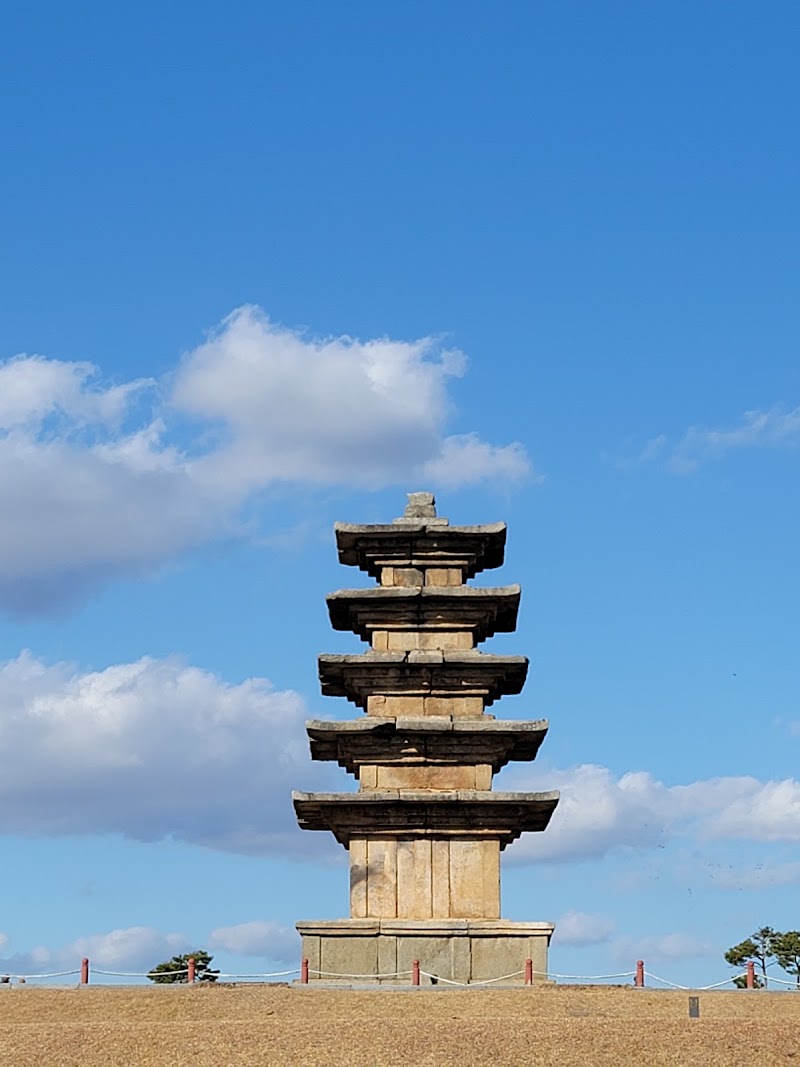
South Korea · Iksan
Wanggung-ri’s Pagoda and Spacious Historic Grounds
A well-rated Iksan landmark where an old stone pagoda, open grounds and relaxed walks shape the visitor experience.
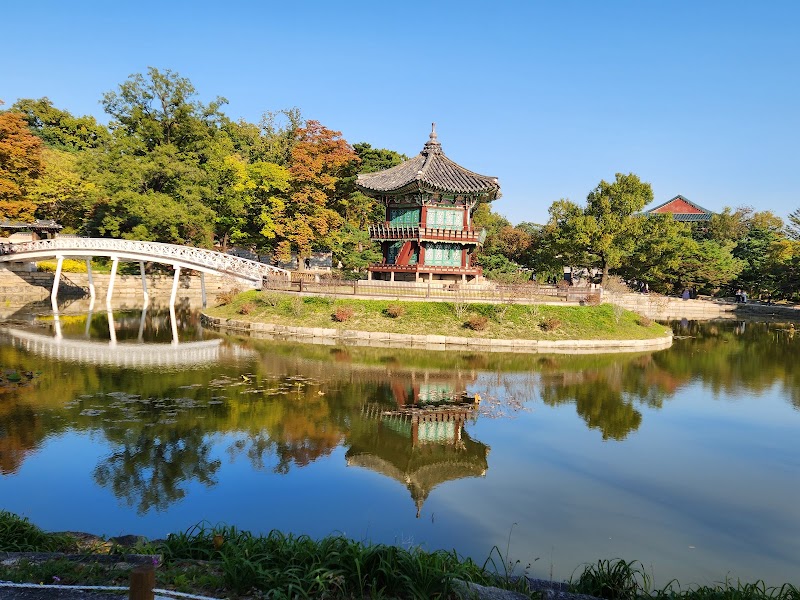
South Korea · 율곡로
Changdeokgung Secret Garden: serene palace landscapes
Timed access and guided interpretation reward advance planning at this tranquil historic garden within Changdeokgung Palace.
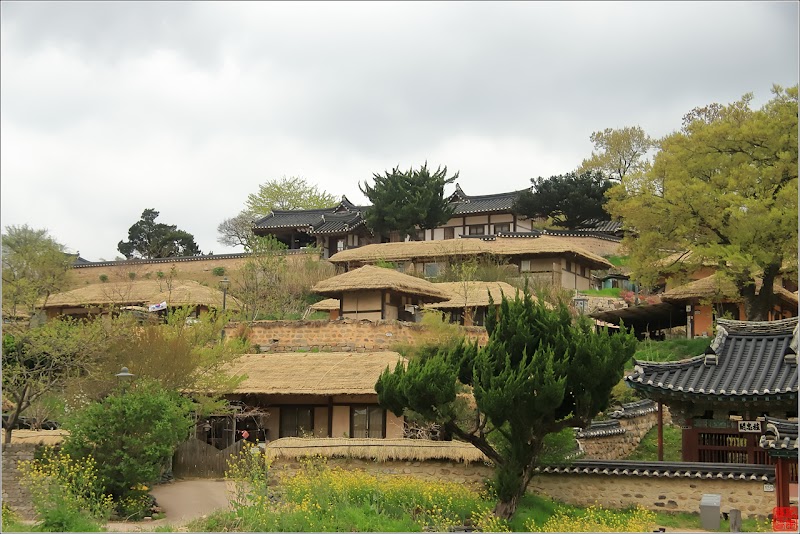
South Korea · Gyeongju
Yangdong Folk Village: A Living Slice of Historic Gyeongju
Traditional houses, mountain scenery and a lived-in atmosphere reward travellers prepared for uphill walking and a journey beyond central Gyeongju.
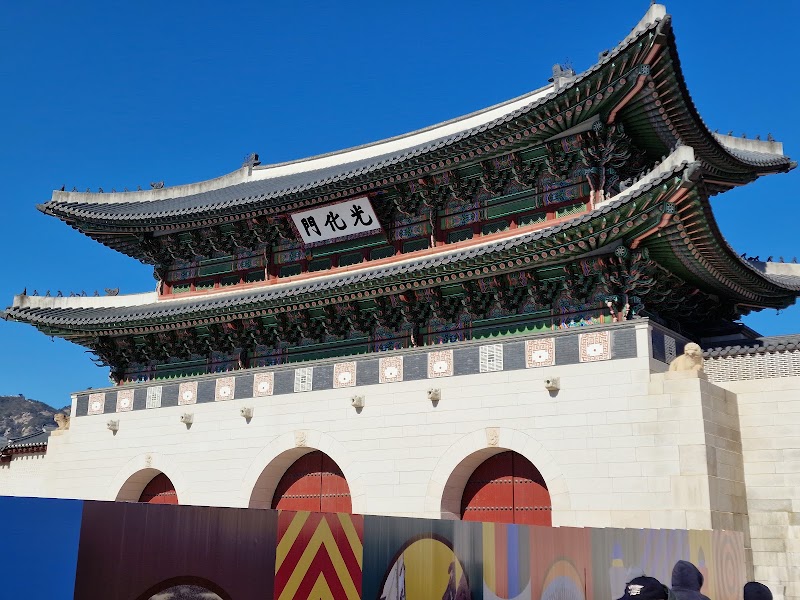
South Korea · Sajik-ro
Gwanghwamun Gate: Seoul’s Grand Historic Threshold
Monumental architecture, a mountain backdrop and the Royal Guard ceremony make this an impressive introduction to historic Seoul.